
REVIEW · WALKING TOURS
Explore Berlin: Walking Tour of All The Iconic Sites
That wall hits different when you stand there. This Berlin walking tour strings together the city’s biggest landmarks and the stories that explain how it got from a divided place to a united capital. I especially like the way you get context at each stop, not just photos, and how the guide keeps the pace smooth for a 3-hour stroll. One more thing I like is the focus on the serious parts, like the Memorial for the Murdered Jews of Europe, handled with care.
The main consideration is that three hours is fast. You’ll have guided time at key moments and photo stops at others, so if you want to linger in any one place, plan to do extra time on your own.
In This Review
- Key Things That Make This Berlin Tour Worth Your Time
- Why This Berlin Walking Tour Works So Well in 3 Hours
- Meeting Outside Friedrichstrasse, Where the Cold War Story Starts
- Museum Island and Bebelplatz: Culture Meets the Worst Ideas
- Gendarmenmarkt: A Beautiful Square With a Sharp Historical Neighbor
- Checkpoint Charlie: The Cold War Through a Classic Crossing
- Berlin Wall, Photo Stops, and the Moment History Feels Physical
- Hitler’s Bunker Area: The Death Strip Leads to a Dark Destination
- Holocaust Memorial: Reflection With the Right Pace
- Reichstag and Brandenburg Gate: Symbols, Now With Real Context
- Weather, Footwear, and How to Make the Most of the Walking Time
- Who This Tour Is Best For
- Should You Book This Berlin Walking Tour?
- FAQ
- How much does the Berlin walking tour cost?
- How long is the tour?
- Where do I meet the guide?
- Where does the tour end?
- Is hotel pickup available?
- What languages are offered?
- Does the tour run in bad weather?
- Is the tour wheelchair accessible?
- What should I bring, and is there anything I cannot bring?
- Can I cancel, and do I pay immediately?
Key Things That Make This Berlin Tour Worth Your Time
- Friedrichstrasse start near the Palace of Tears, so the Cold War story begins immediately
- Museum Island and Bebelplatz connect Berlin’s cultural power to its darkest chapter
- Checkpoint Charlie and the Berlin Wall give you street-level perspective on East and West
- Hitler’s Bunker area and the Death Strip context turn abstract history into something you can picture
- The Memorial for the Murdered Jews of Europe is a guided moment of reflection, not a quick drive-by
- Reichstag and Brandenburg Gate land you at the symbols that shaped modern Berlin
Other walking routes through Berlin
- Berlin: Third Reich and Cold War 2 Hour Walking Tour★ 4.9 · 6,830 reviews
- Berlin: Discover Berlin Walking Tour★ 4.9 · 5,998 reviews
- Berlin’s Best: 2 Hour Walking Tour Third Reich and the Cold War★ 5.0 · 5,486 reviews
- Berlin: Hidden Backyards Guided Walking Tour★ 4.8 · 5,360 reviews
Why This Berlin Walking Tour Works So Well in 3 Hours
Berlin can feel like a puzzle. This tour is designed to help you assemble it fast. You cover the iconic sites that most people chase, but you also get the through-line that makes them make sense: how Berlin’s past shaped the city you walk through now.
I like tours that respect your time, and this one does. The walking is real, but it’s broken up with guided explanations and short stops where you can look, take photos, and reorient. Many people love the guide experience, with names like Maria, Hannah, and Tina showing up in the standout-led group stories, often for being clear, human, and even funny without turning heavy topics into jokes.
Here’s the value angle for $17 per person. You’re paying for a live guide who helps you connect the dots across Berlin’s major landmarks. Without a guide, you’d spend more time reading or asking, and you’d still miss some of the “why does that matter” details that make the sights click.
Meeting Outside Friedrichstrasse, Where the Cold War Story Starts
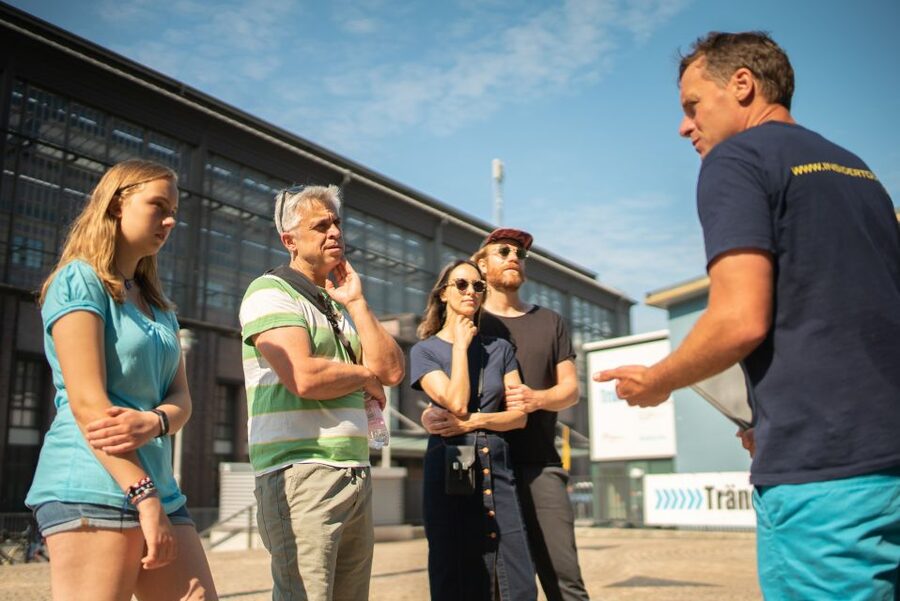
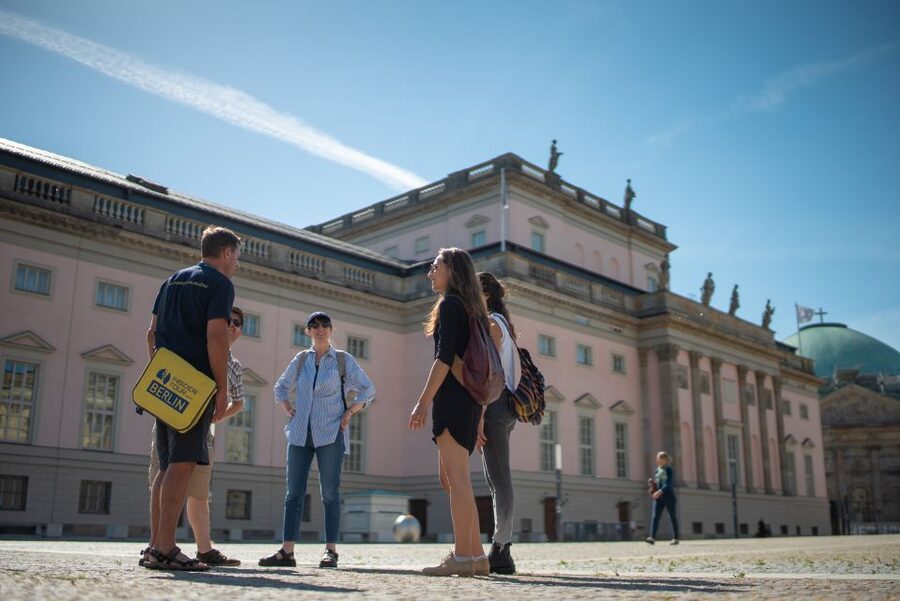
You begin at Friedrichstrasse train station, on the square beside the Traenenpalast (Palace of Tears). It’s a smart starting point. Even before you walk far, you’re standing in the corridor where people once crossed with paperwork, fear, and hope.
Look for the guides holding yellow umbrellas. That’s an easy way to spot your group quickly, which matters because this kind of tour runs on timing, and you do not want to be late.
If you choose the private option, you’ll get picked up from your accommodation in Berlin. The instructions are simple: wait in the hotel lobby 5 minutes early, and your guide will wear a yellow name tag for easy recognition. That’s a nice convenience if you’re staying a bit outside the main walking zone.
Museum Island and Bebelplatz: Culture Meets the Worst Ideas
Your tour moves into the area around Museums Island. Even if you do not go inside museums, being here helps you understand Berlin’s role as a cultural center. The guide gives you the “city as a worldview” angle, which changes how you see the architecture.
From there you head to Bebelplatz, a place tied to a moment people should know about. This is the site of the Nazi book burnings. When you learn what happened here, you stop thinking of books as just books and start seeing culture as something political regimes try to control.
Practical note: this is one of the stops where your guide’s tone matters. The strongest tours keep the facts clear and the mood respectful, and the guide style described for this experience tends to be very sensitive and thoughtful. If you’re traveling with kids, this is also an area where having an adult explain the why, not just the what, can make the whole trip more manageable.
Gendarmenmarkt: A Beautiful Square With a Sharp Historical Neighbor
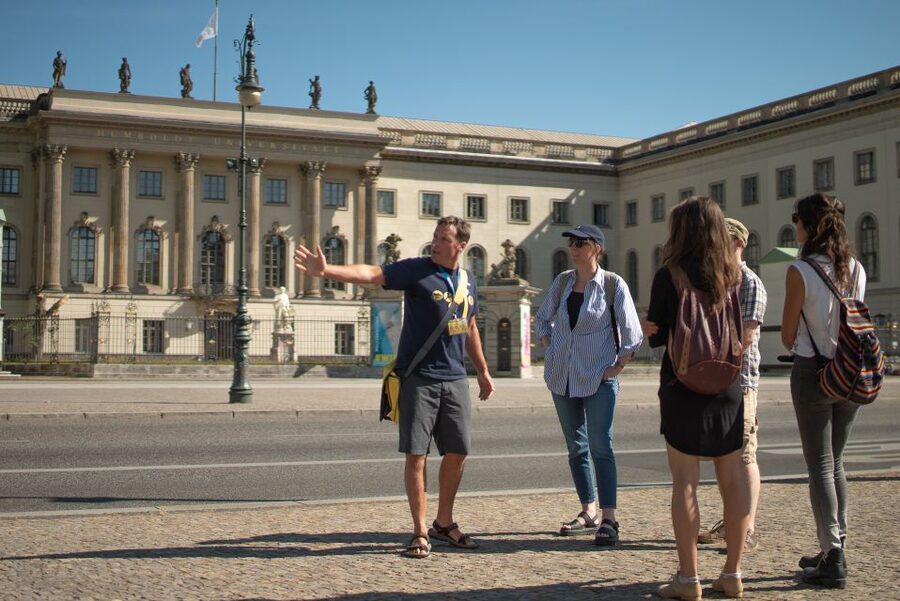
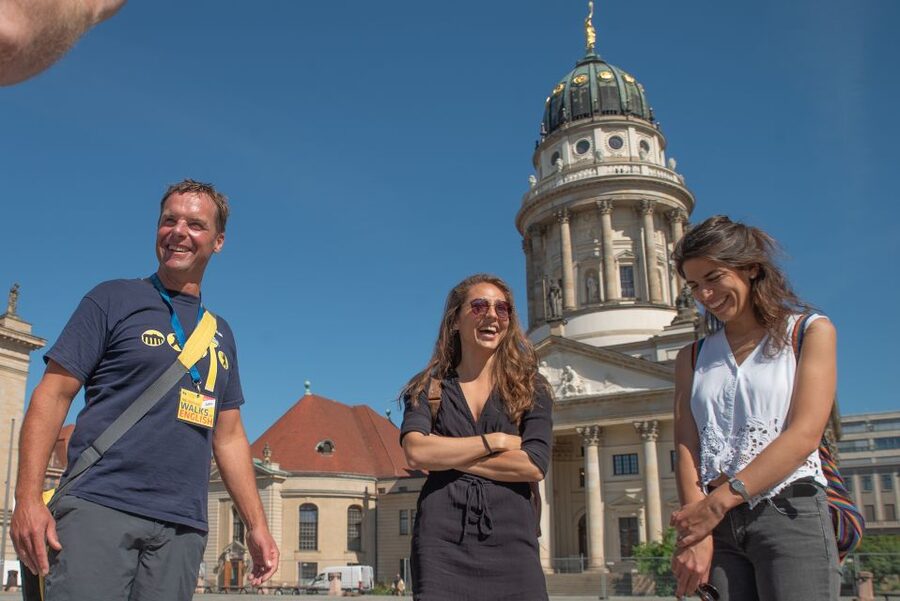
Next you visit Gendarmenmarkt. It’s not a random pretty stop. The square helps you feel how Berlin can look dignified and orderly on the surface, even when the city’s systems underneath were under pressure.
A good guide will connect this calm urban scene with the fact that Berlin was a place of constant shifting power. You’ll get short, focused time here, enough to notice details and understand why it belongs on a “Berlin icons” route.
If you’re the type who likes to stare at buildings for ten minutes at a time, you might want extra time later. During the tour, the goal is to keep moving and keep learning.

Checkpoint Charlie: The Cold War Through a Classic Crossing
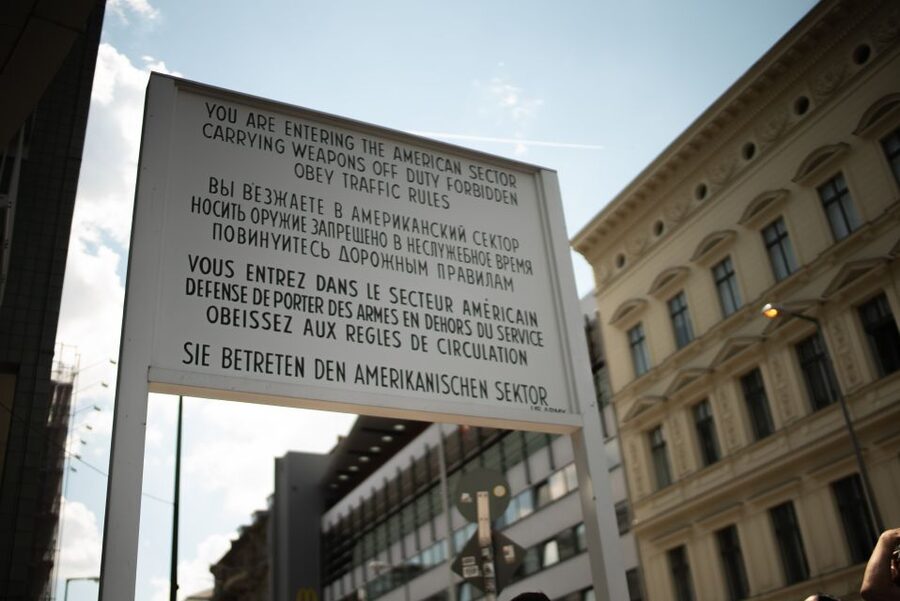
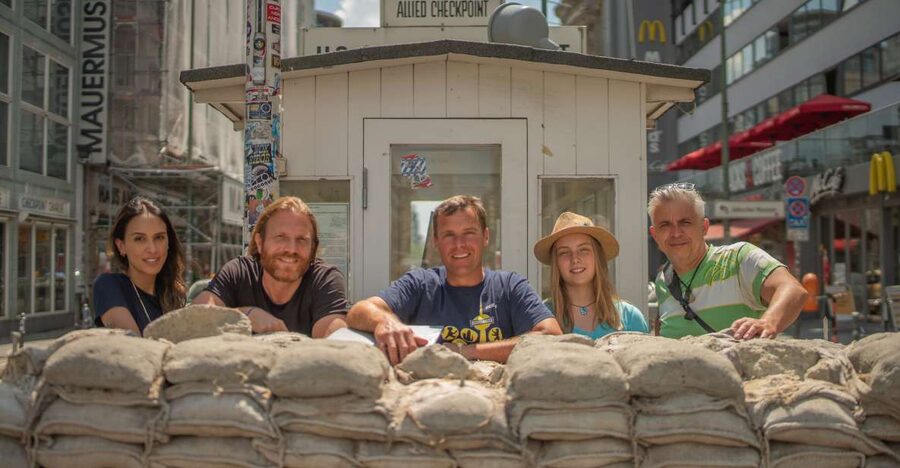
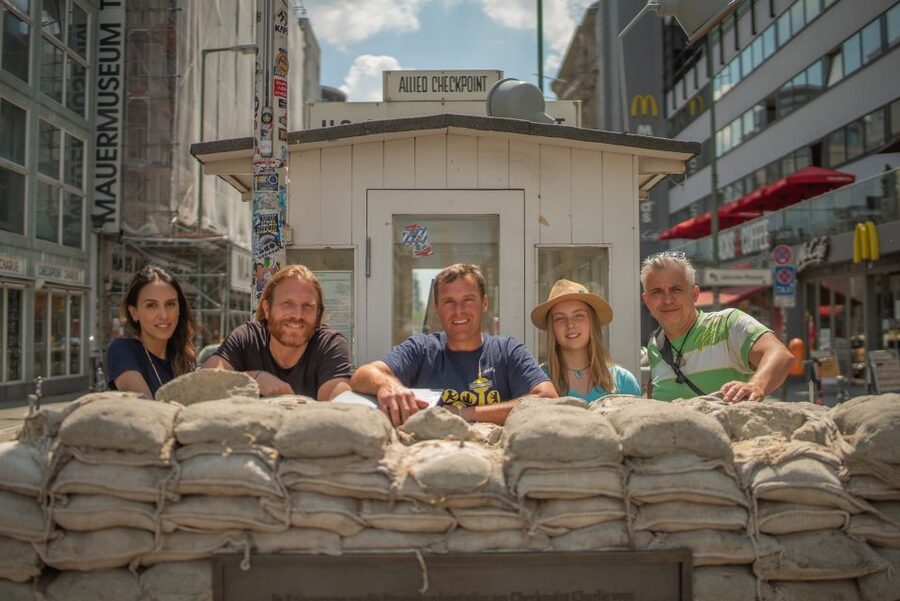
Then you hit Checkpoint Charlie. It’s one of those places that looks familiar from movies, posters, and history books, but the real impact comes from walking the surroundings with context.
You pass through the area and get a guided look at what this crossing meant for people. You also get the “everyday stakes” angle: Cold War tension wasn’t just diplomats in suits. It was the reality of families, checkpoints, surveillance, and trying to make it across.
This is also where the story touches on Cold War espionage and daring escapes, plus a reference point for the former SS and Gestapo headquarters in the broader area. You’re not just collecting names. You’re learning how Berlin’s power structures worked and how they affected real bodies.
Practical tip: this is a photo-stop moment. Bring your camera out early, and do not wait until the last second. The guide will often say the key line while you’re still repositioning, and you want to hear it fully.
Berlin Wall, Photo Stops, and the Moment History Feels Physical
Now comes the part many people remember most: getting close to the Berlin Wall. The highlights specifically mention being able to touch the Berlin Wall, and that detail matters. It’s one thing to read about barriers. It’s another to feel how solid the idea was.
You also get context about the former Death Strip, which is described in the tour framing as part of how people understand the space between East and West. This matters because the Wall was not just a wall, it was a whole system built to prevent escape, monitor movement, and punish risk.
Many guides named in the tour experience stories are praised for being engaging and able to explain the “how it worked” piece clearly. That’s exactly what you want here. The Wall is often shown like a statue. On this tour, you get the function, too.
One small consideration: the Wall area is outdoors and in public. Dress comfortably, and expect a bit of waiting for photo angles depending on the crowd.
Hitler’s Bunker Area: The Death Strip Leads to a Dark Destination
The tour includes Hitler’s Bunker as a photo-stop moment, tied to the idea of walking through the context of the Death Strip toward that infamous site. This is not a casual stop. It’s the kind of moment where your guide’s approach can make a big difference.
A thoughtful guide should keep you grounded in what happened without sensationalizing it. The best versions of this kind of tour also explain why the site matters, not just that it existed. You’re learning how Berlin became a stage for some of the 20th century’s worst decisions and how the city’s later transformation was shaped by what came after.
If you’re sensitive to heavy topics, give yourself a minute before you arrive and take a breath. You’ll get a guided explanation, and you’ll likely need that pause to absorb it.
Holocaust Memorial: Reflection With the Right Pace
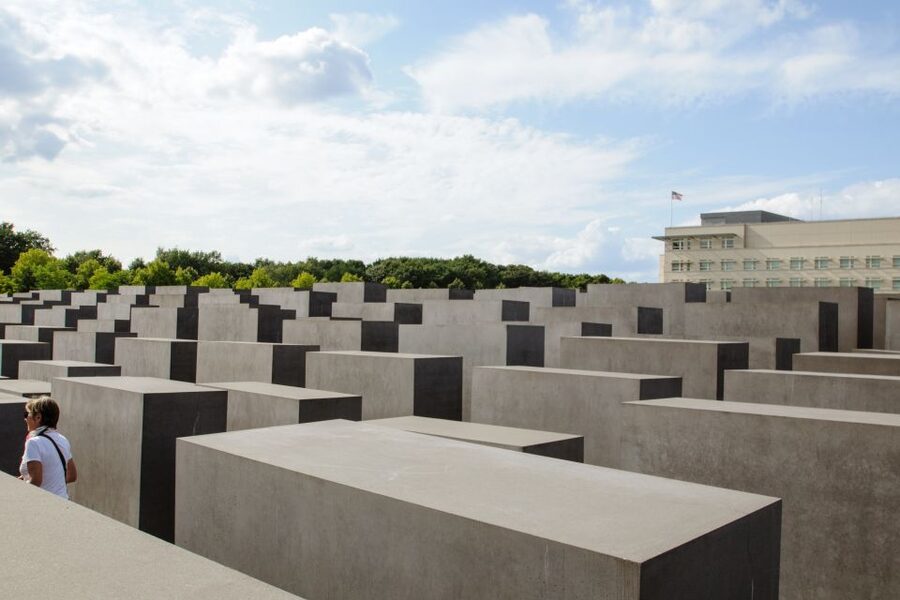
Next you visit the Memorial for the Murdered Jews of Europe, often called the Holocaust Memorial. The tour gives this stop real guided time, enough to understand what you’re looking at and why it was designed the way it was.
This is the emotional center of the tour for a lot of people. I like that the experience does not treat it like a checkmark. You get time to stand, reflect, and understand the gravity of the place.
Practical advice: wear shoes you can stand in. This part is where your feet will remind you to move slowly, and moving slowly is the right choice.
If you need a moment to step back, do it. No one is forcing you to rush through the feeling of it.
Reichstag and Brandenburg Gate: Symbols, Now With Real Context
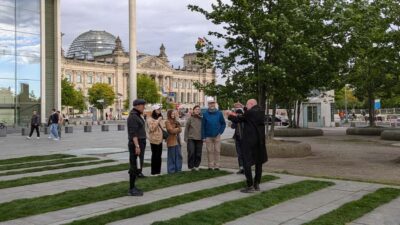
Then you reach the Reichstag. This is where you connect the story to modern Germany and the idea of democratic institutions. You get a photo stop and guided notes that tie the building to the larger arc of Berlin’s political history.
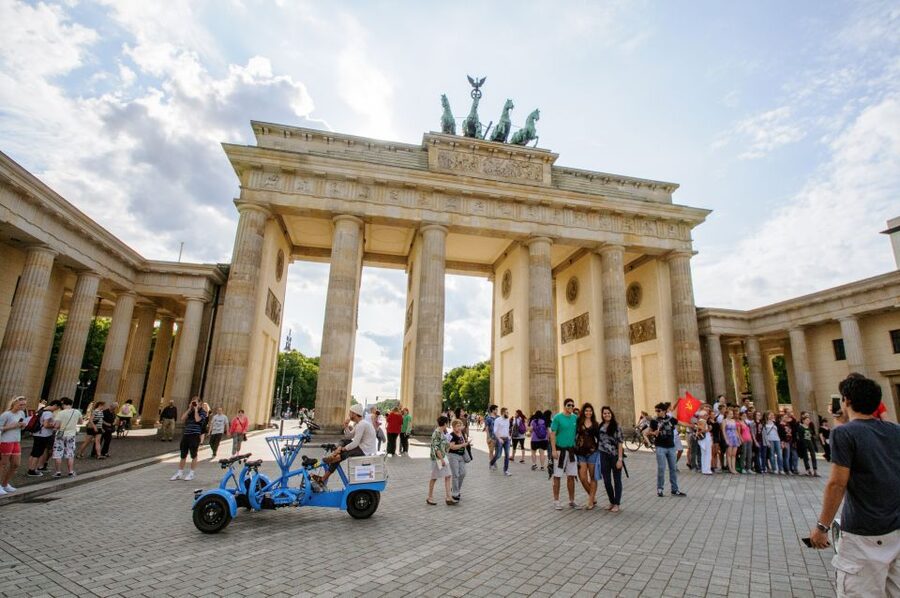
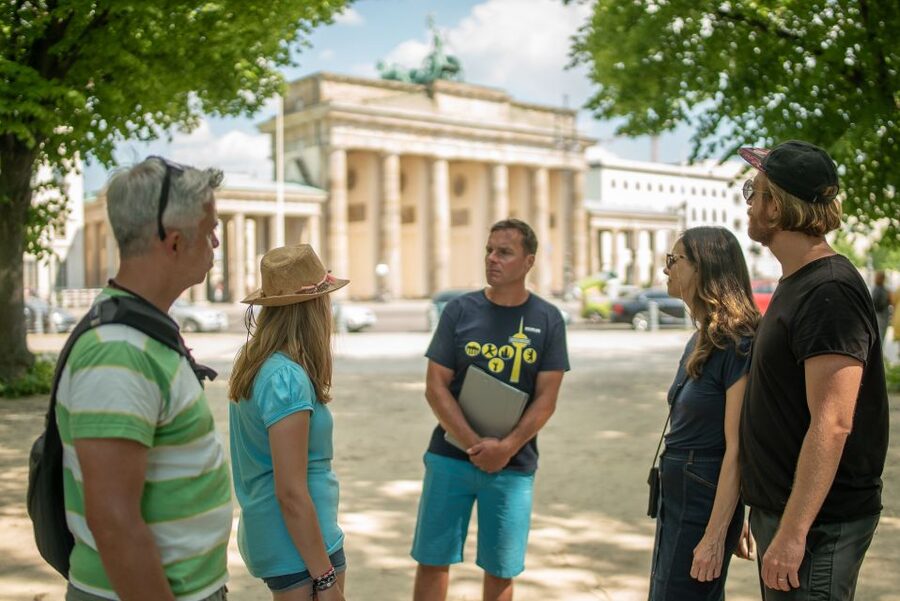
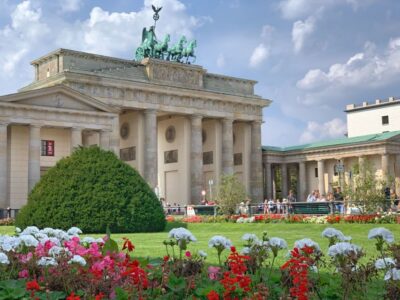
After that, you walk to the Brandenburger Gate. It’s the kind of landmark that looks iconic from every postcard, but the meaning changes when you’ve already visited the Wall area and the places connected to totalitarian power. The guide helps you see the Gate as a symbol with layers, not just a background for pictures.
What I like here is that the tour ends with clarity. You stop feeling like you saw a list of famous buildings. You feel like you built a map of cause and effect across Berlin’s eras.
Weather, Footwear, and How to Make the Most of the Walking Time
The tour operates everyday rain or shine, so plan like Berlin weather is a coin flip. If rain is possible, bring an umbrella you’re comfortable using. Even though guides have yellow umbrellas to identify themselves, you’ll still want your own for comfort and mobility.
Bring comfortable shoes. This is a walking tour, and while stops are frequent enough to make it manageable for many people, the day adds up. Also bring a camera since multiple stops are designed for photo moments.
No one wants you distracted, so the tour also states that alcohol and drugs are not allowed. That keeps the vibe respectful, especially at the memorial and historic sites.
Who This Tour Is Best For
This is a great fit if you want:
- A smart overview of Berlin’s iconic sights without doing your own research for every stop
- A guide who can explain the big events and also make them feel human
- A mix of photo-worthy landmarks and serious reflective moments
It’s also a good choice at the start of your trip. You’ll leave with a mental map that helps the rest of Berlin make sense.
If you’re the kind of traveler who wants to spend hours inside one museum or who hates walking in the city center, you might find this packed. But for most people, the 3-hour structure hits a sweet spot.
Should You Book This Berlin Walking Tour?
I think you should book it if you want your Berlin to feel organized and emotionally grounded, not random. For $17 per person and a 3-hour guided experience, you get a strong set of anchor stops: Brandenburg Gate, Reichstag, Checkpoint Charlie, the Berlin Wall, Hitler’s Bunker area, and the Holocaust Memorial, plus the cultural and political context of places like Museum Island and Bebelplatz.
Book it with confidence if you value a guide who can keep the pace friendly and the explanations clear, and if you’re okay with the tour being serious in places and photo-focused in others.
Skip it or plan extra time elsewhere if you know you want deep, long stays at a single site. This tour is about connecting the dots efficiently, not lingering all day.
FAQ
How much does the Berlin walking tour cost?
It costs $17 per person.
How long is the tour?
The tour lasts 3 hours.
Where do I meet the guide?
Meet outside Friedrichstrasse train station, on the square beside the Traenenpalast (Palace of Tears), Reichstagufer 17, 10117 Berlin. Look for guides holding yellow umbrellas.
Where does the tour end?
The activity ends back at the meeting point.
Is hotel pickup available?
Pickup is optional. If you choose the private option, your guide picks you up from your accommodation in Berlin. Wait in the hotel lobby 5 minutes before your scheduled pickup time, and look for a guide with a yellow name tag.
What languages are offered?
The live guide speaks English, German, and Spanish.
Does the tour run in bad weather?
Yes, it runs everyday rain or shine.
Is the tour wheelchair accessible?
Yes, it is wheelchair accessible.
What should I bring, and is there anything I cannot bring?
Bring comfortable shoes and a camera. Alcohol and drugs are not allowed.
Can I cancel, and do I pay immediately?
You can cancel up to 24 hours in advance for a full refund, and you can reserve now and pay later (pay nothing today).
Pavements of Berlin
Everything else we filed on Berlin
- East Berlin: City of Shadows Walking Tour
★ 5.0 · 11 reviews - Berlin: Die Stachelschweine – Frank Lüdecke – Träumt Weiter
★ 4.7 · 11 reviews - Potsdam Day Trip from Berlin with a Local: Private & Personalized
★ 4.0 · 11 reviews - An Introduction to Berlin Walking Tour
★ 5.0 · 11 reviews - DJ for a Day: Learn to Mix Like a Pro in Berlin
★ 5.0 · 11 reviews - 2-H Segway Sightseeing Tour Berlin
★ 4.5 · 11 reviews
Walking Tours, side by side.
 ★ 5.0Discover Berlin Half-Day Walking TourFrom $249,624 reviews
 ★ 4.9Berlin: Third Reich and Cold War 2 Hour Walking TourFrom $236,830 reviews
 ★ 4.6Munich: Third Reich & WWII Walking TourFrom $316,181 reviews
 ★ 4.9Berlin: Discover Berlin Walking TourFrom $235,998 reviews
 ★ 5.0Berlin’s Best: 2 Hour Walking Tour Third Reich and the Cold WarFrom $245,486 reviews
 ★ 4.8Berlin: Hidden Backyards Guided Walking TourFrom $235,360 reviews
 ★ 4.5Third Reich Walking Tour MunichFrom $454,291 reviews
 ★ 5.0Third Reich Berlin: Hitler and WWII Walking TourFrom $243,301 reviews