
REVIEW · MUSEUMS
Hamburg: Emigration Museum BallinStadt Entry Ticket
A museum that follows the paths west. BallinStadt in Hamburg turns the huge story of emigration into something you can actually navigate, with interactive exhibits and time to search for your own family threads. I especially liked how the museum links big history to real human choices, and how Port of Dreams makes the emotional pull feel clear, not textbook.
Two other things I liked a lot: World in Transit uses a room-by-room format that helps you compare push and pull reasons across centuries, and the research station gives you a practical way to investigate your family history. The one drawback to keep in mind is that it is a museum, not a guided walk through Hamburg streets, so if you want heavy live narration or outdoor views, plan to pair it with some time in the city afterward.
In This Review
- Key Highlights You Will Appreciate at BallinStadt
- Getting Oriented at House 1 Ticket Office in Hamburg
- Why Hamburg Became the Gateway for Millions
- Port of Dreams: Interactive Stories Behind Albert Ballin
- What Port of Dreams Helps You Understand
- A Useful Tip for Getting More From This Hall
- World in Transit: Push and Pull Across 14 Themed Rooms
- What You Learn Here
- How to Approach It So It Feels Personal
- The Third Special Exhibition, Plus a Family Research Station
- Using the Research Station for Family History
- The Artifacts and Ship-Life Glimpse That Make History Feel Real
- Tickets, Value, and How Long You Should Plan
- Logistics That Keep the Day Low-Stress
- Who Should Book BallinStadt (and Who Might Skip It)
- Should You Book BallinStadt?
- FAQ
- Where is the check-in location for BallinStadt?
- How much does the Hamburg BallinStadt emigration museum ticket cost?
- How long is the ticket valid for?
- What is included in the ticket?
- Is food and drinks included?
- Is the museum wheelchair accessible?
- Is parking available?
Key Highlights You Will Appreciate at BallinStadt
- Port of Dreams brings Albert Ballin’s story into the center of the emigration narrative
- World in Transit organizes migration into 14 themed rooms across multiple countries and centuries
- A glimpse of ship life helps you understand what a passenger journey meant in daily terms
- A changing third special exhibition gives you a reason to return or visit during your trip window
- On-site family history research uses a major genealogical database at the research station
- Wheelchair accessible and supported with free parking, so planning stays easy
More collections to walk through in Hamburg
- Hamburg: Entrance to the Museum Ship Cap San Diego★ 4.7 · 467 reviews
- Hamburg: RICKMER RICKMERS Museum Entry Ticket★ 4.6 · 269 reviews
- Hamburg: Museum of Illusions Ticket★ 4.2 · 122 reviews
- Hamburg: Emigration Museum BallinStadt Entry Ticket★ 4.4 · 63 reviews
Getting Oriented at House 1 Ticket Office in Hamburg
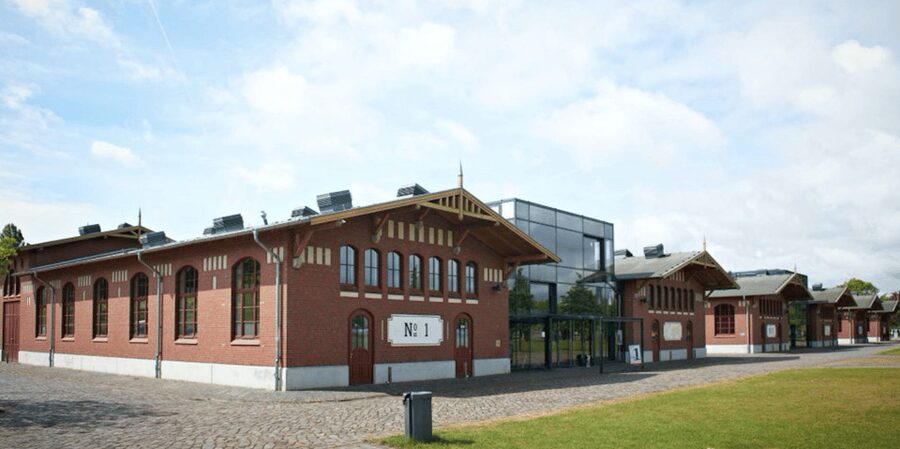
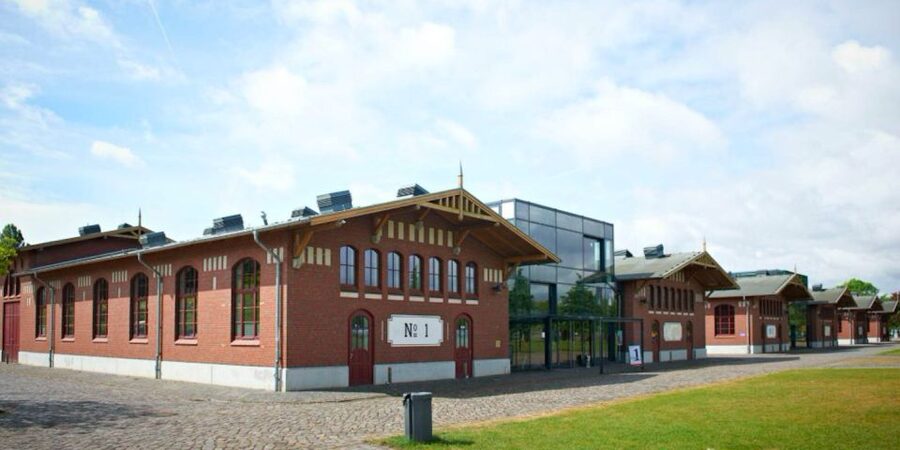
Plan to start right where your ticket experience begins. Your check-in point is the ticket office located at House 1, and the visit ends back at the same meeting point.
That matters more than it sounds. Because BallinStadt is an indoor museum with multiple exhibition spaces, you can treat it like a self-paced circuit rather than a hopping tour. If you like to move at your own speed, this is a good setup. If you prefer strict timing, you will still want to check starting times in advance since your ticket is valid for 1 day but tied to availability.
Also worth noting for real-world comfort: food and drinks are not included, so you will want to plan a break or have a plan for a snack nearby before or after. And since free parking is available, you can drive in without feeling like you are adding stress to the day.
Why Hamburg Became the Gateway for Millions
Hamburg is commonly described as a gateway to the world for a reason. Since the 16th century, the city played a crucial role in the emigration of Europeans leaving for the new world.
What I found most useful about framing the story this way is that it stops migration from feeling random. Instead, you see a system: people wanted to leave, Hamburg connected them to ships, and countless decisions were shaped by waiting, paperwork, and the realities of transport. You also get a sense that emigration was not only about leaving one place, it was about surviving the long stretch between where you lived and where you hoped to land.
If you care about how history works, this museum gives you that connection. It also offers plenty of entry points depending on your angle: family history, passenger-ship life, or the push and pull forces behind migration.
Port of Dreams: Interactive Stories Behind Albert Ballin
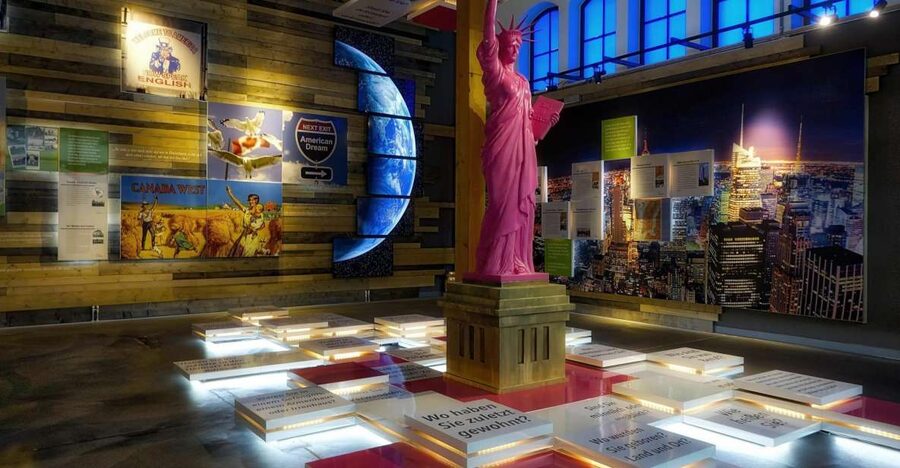
Your first big exhibition stop is Port of Dreams, an interactive experience that connects the longing to leave Europe with the person who helped make routes possible: Albert Ballin, the museum’s namesake.
This is a smart choice for visitors because it keeps the story human in scale. You are not just looking at dates. You are seeing why people felt driven to go, and how Hamburg became a staging ground where dreams met logistics.
What Port of Dreams Helps You Understand
In Port of Dreams, you learn how emigrants arrived and lived in Hamburg while they waited to be shipped off. The museum focuses on the practical side of waiting, not only the hopeful part. That includes what daily life inside an emigration camp looked like and what challenges came with starting over in a far-off place.
If you like experiences that teach through detail, you will probably spend extra time here. The exhibition is built to support that feeling of, Okay, this is what it meant day by day.





A Useful Tip for Getting More From This Hall
Go in with one question in mind: what was the hardest part, the leaving or the waiting? Port of Dreams nudges you toward the waiting period, and it helps you see how emigration was a process. That makes the later exhibits land with more meaning.
World in Transit: Push and Pull Across 14 Themed Rooms
Next up is World in Transit, a multi-visual exhibition that highlights emigration and immigration over the last five centuries.
What I like about the structure is how it turns a giant topic into something you can actually compare. Instead of trying to tell every story at once, the exhibition is organized into 14 themed rooms, each focused on countries that can feel far away, yet familiar once you understand the reasons people moved.
What You Learn Here
You gain insight into the pull and push factors that shape starting over. The museum also covers occasions where emigration reasons are personal, not just economic. That detail matters because migration is rarely one-note. People often leave for a mix of reasons, and the museum’s format helps you see that complexity without drowning in it.
How to Approach It So It Feels Personal
Pick two rooms to treat like your main storyline and let the others be supporting scenes. If you try to read everything at full speed, you will lose some of the connections. A slower pace helps you notice patterns, like what tends to repeat across different places and time periods.
The Third Special Exhibition, Plus a Family Research Station
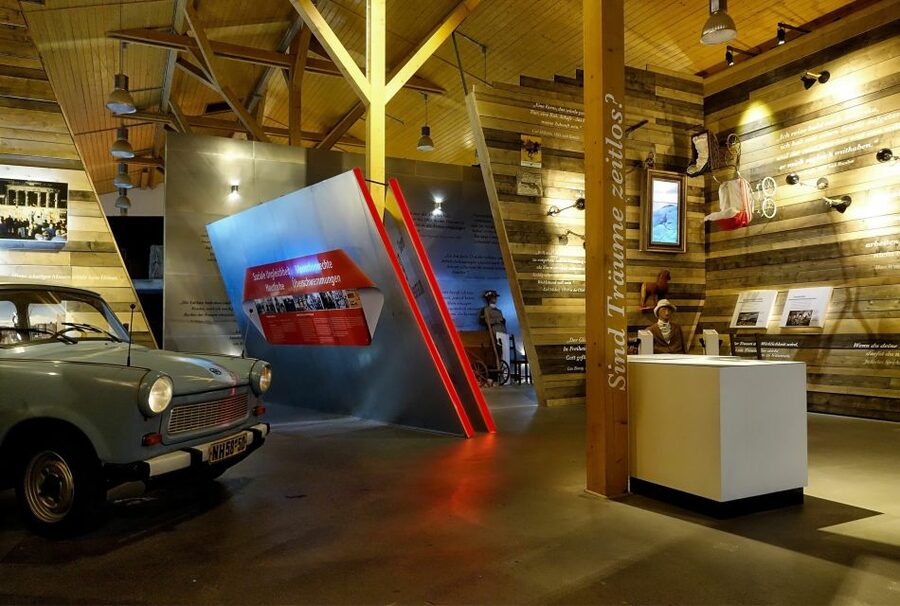
BallinStadt also includes a third specialty exhibition. Its subject changes every few months, so your experience may differ from another visit date.
That rotating element gives you flexibility. If your travel plans line up with a particular theme, you might get extra value by targeting your visit around what is currently on display. If not, the core exhibitions still carry the main story arc.
Using the Research Station for Family History
One of the most practical parts of the visit is the research station where you can investigate your own family history. The museum uses a world’s largest genealogical database, which is a big deal if you are the type who wants more than general context.
Even if you do not expect instant answers, plan to spend time here. Emigration records can be tricky, and people often need multiple attempts before you see a match. Think of it as a starting point, not a guarantee.
If you want to make this section productive, have a few names and dates ready from family stories. Even small details can help you narrow down where to look.
The Artifacts and Ship-Life Glimpse That Make History Feel Real
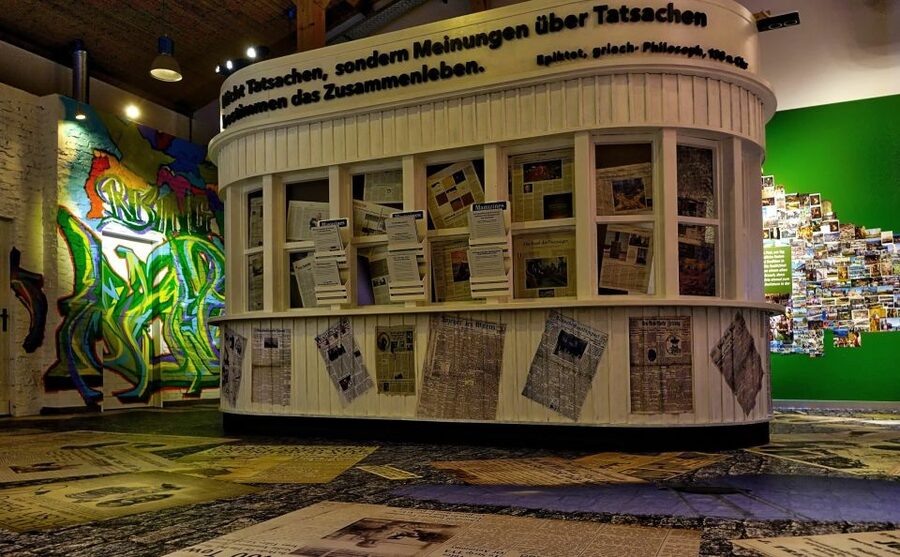
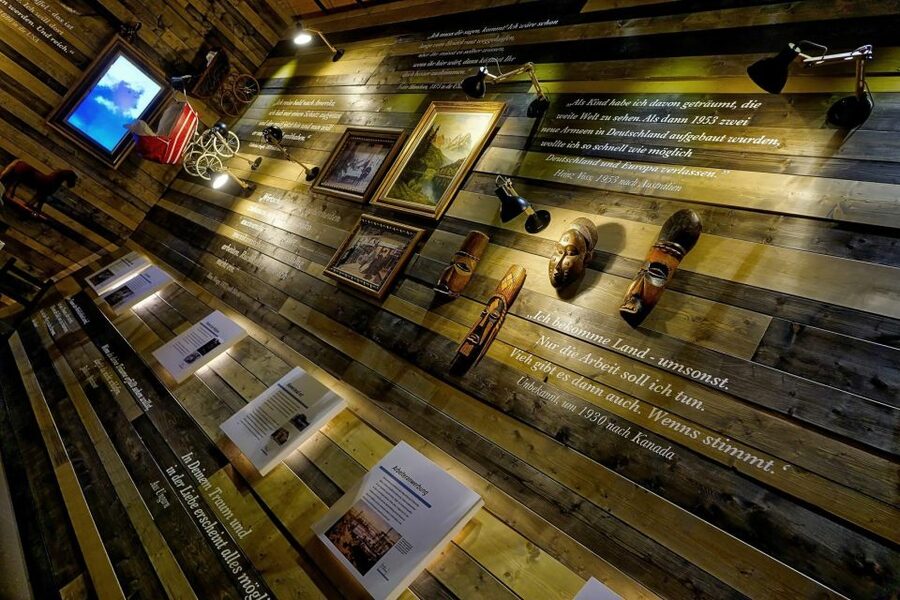
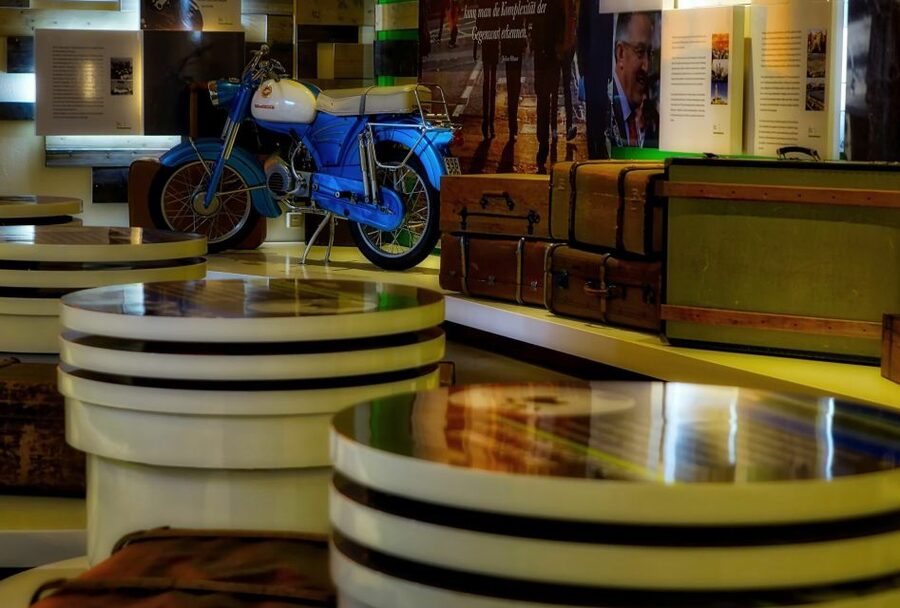
The museum highlights countless artifacts across its exhibition spaces. In practice, that means you are not stuck with only big-panel summaries. You see objects and details that give you texture.
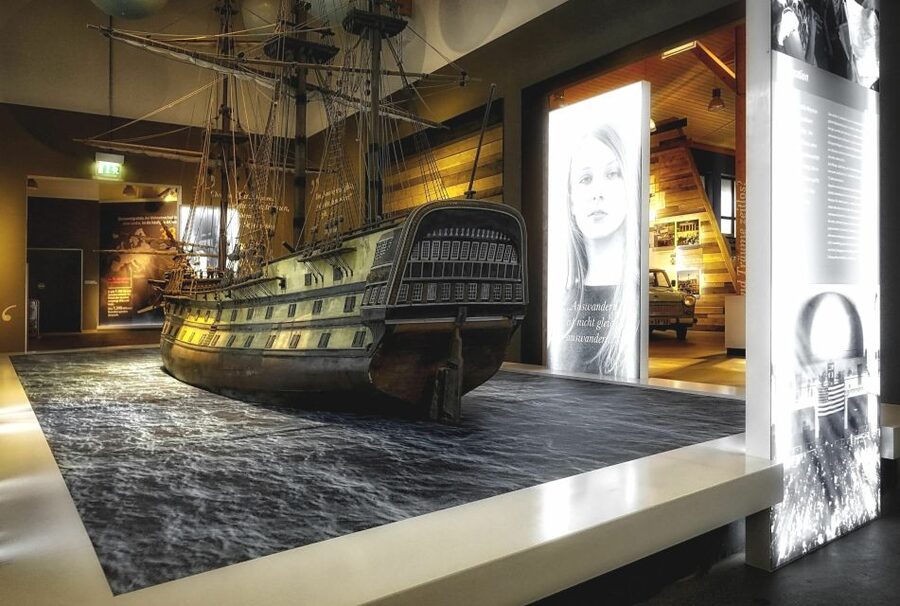
One of the best moments in the museum is the glimpse into life aboard a passenger ship. This helps you connect the earlier parts of the story to the journey itself. You can picture how the trip would feel, how travel would shape daily routine, and why the destination was never the only part of the story.
To get the most out of this section, take a few minutes to compare it to what you saw about waiting in Hamburg. Your brain starts building a timeline, and suddenly migration stops feeling like a single event. It becomes a chain of moments.
Tickets, Value, and How Long You Should Plan
The price is listed as $16 per person. Since the ticket includes entry and the museum experience focuses on multiple exhibition spaces plus the research station, the value depends on how much you use that flexibility.
If you enjoy reading, comparing rooms, and taking time for family research, this ticket can feel like a solid bargain. If you prefer quick museum stops and skip research, it might feel more expensive relative to your pace, because the exhibits reward lingering.
Your ticket is valid for 1 day, with starting times available based on your chosen slot. So the smartest move is to pick a start time when you are mentally fresh. Emigration history is heavy subject matter, even when the museum presents it clearly, so you will enjoy it more when you are not rushing.
As for food: since food and drinks are not included, I suggest planning a snack break. A museum visit is better when you do not do it on empty.
Logistics That Keep the Day Low-Stress
Here are the practical things that can make or break the experience.
- Check in at House 1 at the ticket office, since that is where your visit begins and ends
- Wheelchair accessible means you can expect support for mobility needs
- Free parking is available, which helps a lot for a day trip
- Pets are not allowed, so leave them at home if you are driving or transferring from another stop
Also, because the exhibitions are indoor, weather is less of a factor. If you are in Hamburg and the sky is not cooperating, BallinStadt remains a reliable option.
Who Should Book BallinStadt (and Who Might Skip It)
This museum is a great fit if you want migration history that feels grounded. It is especially good for:
- anyone curious about Hamburg’s role in the emigration era
- people interested in passenger travel and what waiting meant
- visitors who want to research family history at the on-site research station
- travelers who like interactive, room-based storytelling
You might consider another option if you want mostly outdoor sightseeing, street walking, or a guided tour style focused on narration outside the museum.
But if you are open to a thoughtful indoor experience with clear exhibit structure, you will likely appreciate the time you spend here.
Should You Book BallinStadt?
I think you should book if you want a museum that connects the big picture to lived experience. For me, the standout strengths are how Port of Dreams brings the story of Albert Ballin and the waiting period into focus, and how World in Transit turns push and pull factors into something you can compare across time and place.
At $16, with entry included and a research station available, it is a good value for travelers who like meaningful exhibits, not just quick photo stops. Just plan for no food on-site, and give yourself enough time to work through the research station without feeling rushed.
If that sounds like your kind of museum day, BallinStadt is an easy yes.
FAQ
Where is the check-in location for BallinStadt?
You check in at the ticket office located at House 1.
How much does the Hamburg BallinStadt emigration museum ticket cost?
The ticket price is listed as $16 per person.
How long is the ticket valid for?
The ticket is valid for 1 day. Starting times depend on availability.
What is included in the ticket?
The ticket includes entry to the museum.
Is food and drinks included?
No. Food and drinks are not included.
Is the museum wheelchair accessible?
Yes. The activity is listed as wheelchair accessible.
Is parking available?
Yes. Free parking is available at the museum.
Museums Worth the Queue in Hamburg
Everything else we filed on Hamburg
- Hamburg: Safari tour in St. Pauli
★ 4.9 · 11 reviews - Hamburg: Party Bingo with the Bingo Gringos
★ 4.8 · 11 reviews - Hamburg Harbor: 3.5-Hour Guided Tour by Bike
★ 4.7 · 11 reviews - Hamburg: 2-Hour St. Georg Walking Tour
★ 4.8 · 11 reviews - Hamburg: Guided Walking Tour in Danish
★ 5.0 · 11 reviews - Discover Hamburg in a retro Bulli
★ 3.0 · 12 reviews
Museums, side by side.
 ★ 4.5Berlin: Jewish Museum Berlin Entrance TicketFrom $08,393 reviews
 ★ 4.3Berlin: DDR Museum TicketsFrom $153,443 reviews
 ★ 4.6Berlin: Natural History Museum Entrance TicketFrom $123,382 reviews
 ★ 4.6Berlin: Neues Museum Entry TicketFrom $163,261 reviews
 ★ 4.4Cologne: Chocolate Museum Entrance TicketFrom $192,790 reviews
 ★ 4.7Dresden: Church of Our Lady Guided Tour of GalleryFrom $152,421 reviews
 ★ 4.1Skip-the-Line: Berlin Wall Museum at Checkpoint CharlieFrom $212,041 reviews
 ★ 4.4Berlin: Museum Island Multiple Museum Entry TicketFrom $272,007 reviews
Other lists this tour is on