
REVIEW · MUSEUMS
Hamburg: Entrance to the Museum Ship Cap San Diego
A cargo ship museum in Hamburg feels alive.
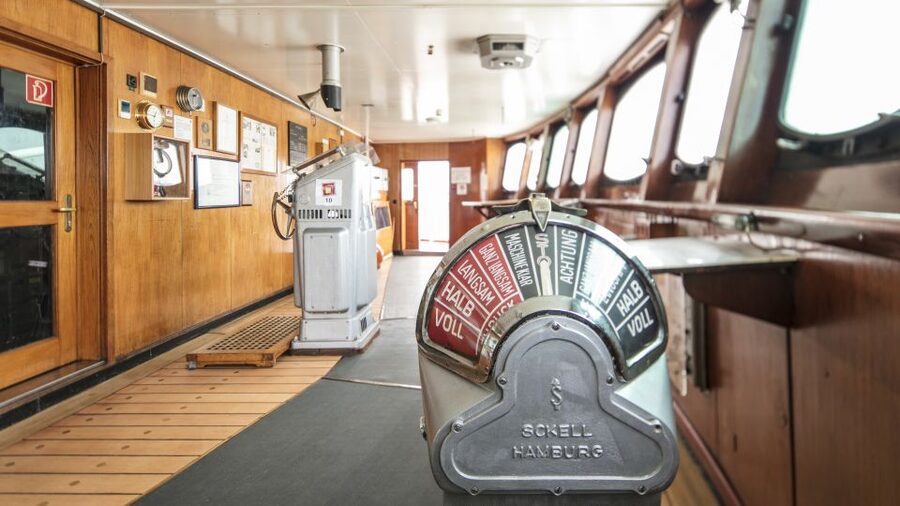
What I like most is how Cap San Diego turns into a time machine, guiding you through a 1960s and 1970s Atlantic trip while you roam from bridge to hatch. It is also refreshingly self-guided, so you can slow down where the ship grabs your attention.
My second favorite part is the mix of stories and machinery: the emigrant documentary about Hamburg and the feeling of being close to the engines in the machine room. One consideration to keep in mind: the ship is not wheelchair accessible and there are multiple flights of stairs, so it can be a tough layout if mobility is limited or if you get nervous in tight spaces.
In This Review
- Quick take: Cap San Diego in a few smart bullets
- Finding Cap San Diego at the end of Überseebrücke
- Entering a real cargo ship museum, not a movie set
- The 1960s and 1970s voyage theme, from Rio to Buenos Aires
- Documentary time: Emigration Port of Hamburg and the long journey (1850 to 1930)
- Hatch 2: General Cargo and Container Handling (and why it matters)
- The machine room visit: feeling close to the steady pulse
- How long to plan and how to structure your route
- Price and value for a Hamburg museum ship at $14
- Who should book Cap San Diego, and who should reconsider
- Practical tips for a smooth self-guided visit
- Should you book Cap San Diego in Hamburg?
- FAQ
- Where is the entrance to Cap San Diego?
- How much time should I plan for the visit?
- What are the museum hours?
- Is there a live guide on board?
- Is an audio guide included?
- What documentary can I watch during the tour?
- What is at hatch 2?
- What languages are offered?
- Is Cap San Diego wheelchair accessible?
- What is the cancellation policy?
Quick take: Cap San Diego in a few smart bullets
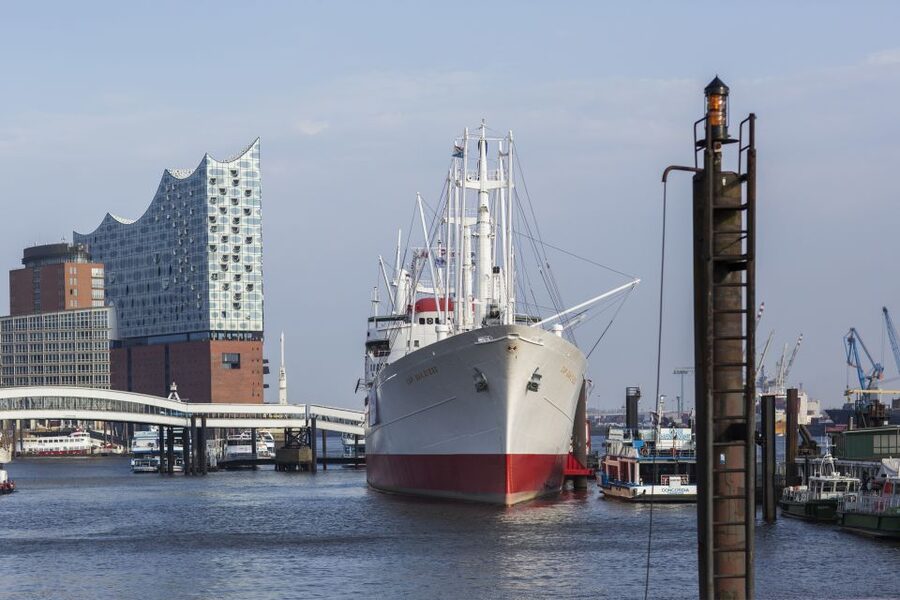
- Largest civil museum ship you can tour in Hamburg, with preserved cargo-ship spaces you actually walk through
- Bridge to machine room route, so you experience both lookout views and the steady rhythm of engines
- Emigration Port of Hamburg documentary, focused on the fate of emigrants from 1850 to 1930
- Hatch 2 exhibition on cargo and containers, with clear panels and lots of historical images
- Self-guided freedom, meaning you choose the order and pace (and can pause as often as you want)
More collections to walk through in Hamburg
- Hamburg: Entrance to the Museum Ship Cap San Diego★ 4.7 · 467 reviews
- Hamburg: RICKMER RICKMERS Museum Entry Ticket★ 4.6 · 269 reviews
- Hamburg: Museum of Illusions Ticket★ 4.2 · 122 reviews
- Hamburg: Emigration Museum BallinStadt Entry Ticket★ 4.4 · 63 reviews
Finding Cap San Diego at the end of Überseebrücke
Cap San Diego’s entrance is simple to locate: go straight to the ship entrance at the end of Überseebrücke. That matters because this is a walk-on, self-guided museum. No meeting room. No pre-tour briefing hunt. Just find the entrance and start exploring.
Plan your arrival a bit early in the day if you can. The museum runs 10 AM to 6 PM daily, and the ship rewards time. With a one-day format, you want to avoid rushing, especially if you plan to watch the documentary and read the exhibition text carefully.
Entering a real cargo ship museum, not a movie set
Cap San Diego is the largest civil museum ship in the world, and it has a very specific identity. It is the last surviving ship from a series of six fast general cargo ships built in 1961 and 1962 for Hamburg South. These ships ran to South America until the end of 1981, and Cap San Diego has been a museum ship since 1988.
That background is more than trivia. It helps you understand why the visit feels so physical. This is not a recreated set. You walk the same kind of spaces cargo crews used: bridge areas, cargo hatches, and the ship’s interior routes that connect everything.
Because the tour is self-guided, your biggest job is orientation. There is no live guide shepherding you in a neat line. The good news is the ship is visitable throughout the route from bridge to hatch and from heart to head. The practical catch is that signage and guidance can feel a little basic in places, so give yourself an extra few minutes at the start to get your bearings.
The 1960s and 1970s voyage theme, from Rio to Buenos Aires
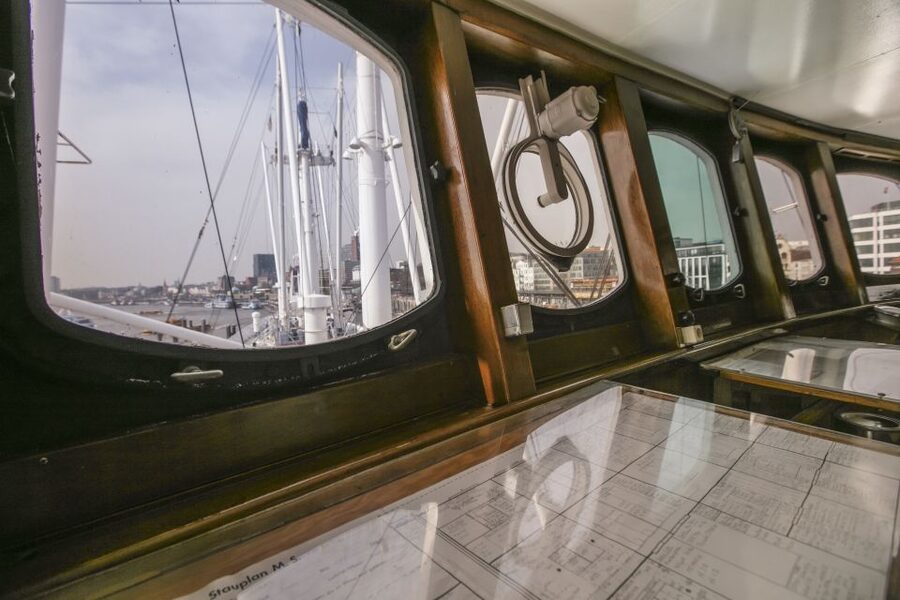
The ship museum is built around an “imaginary journey” through the 1960s and 1970s, crossing the Atlantic toward Rio de Janeiro and Buenos Aires, then back again. This theme is not just background. It shapes what you notice as you move room to room.
On the way, you can experience different crew perspectives. You can spend time as a lookout on the bridge, then move down into spaces where the ship’s work took place. That shift makes the museum story click. Instead of viewing cargo ships as static objects, you understand them as environments with roles, routines, and sound.
There’s also a passenger-style moment built in. In the saloon, you can relax to light music while the voyage story keeps rolling. It is a smart contrast, especially if you prefer a museum that mixes atmosphere with facts instead of lecturing the whole time.
Documentary time: Emigration Port of Hamburg and the long journey (1850 to 1930)
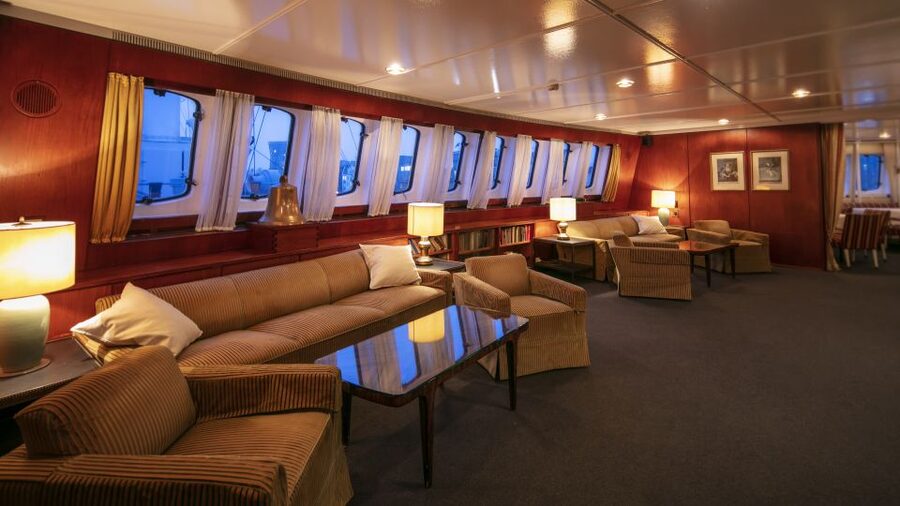
One of the most meaningful components in this visit is the onboard documentary: A Suitcase Full of Hope – Emigration Port of Hamburg. It focuses on the fate of emigrants between 1850 and 1930.
Why I think this works well here: the ship is a cargo vessel, but it is also a symbol of sea passage and departure. Watching the documentary while you are inside a ship makes the material feel less abstract. You are not reading about movement. You are literally surrounded by the environment tied to movement and distance.
This is self-guided, so you control timing. If the emigrant story is a priority for you, plan to allocate real time to the screening area and not treat it like a quick add-on.




Hatch 2: General Cargo and Container Handling (and why it matters)
In hatch 2, you can find the permanent exhibition General Cargo and Container Handling. What I like about this section is how directly it treats the mechanics of freight. It documents the history of sea transport from 1960 to today, using many historical images plus explanatory text.
Even if you are not a shipping nerd, you will probably appreciate the clarity. Cargo ships are often discussed as silhouettes in photos. This exhibition brings you closer to the “how.” How goods move, how shipping changes, and how container handling becomes a major turning point in modern freight.
Practical tip: if you like to read, this is one of the spots to slow down. The panels are part of the value here. If you only skim, you’ll miss the story the ship is trying to tell between decades.
The machine room visit: feeling close to the steady pulse
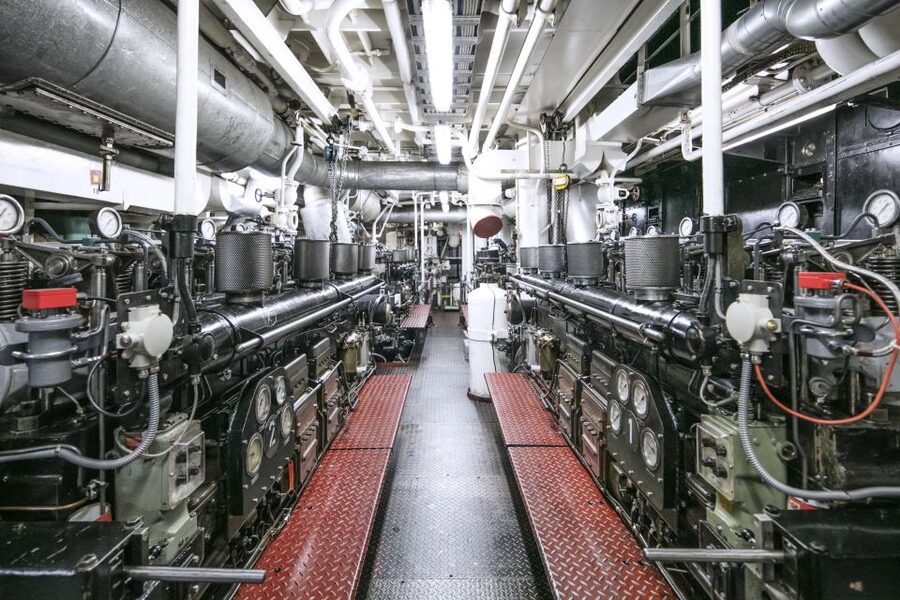
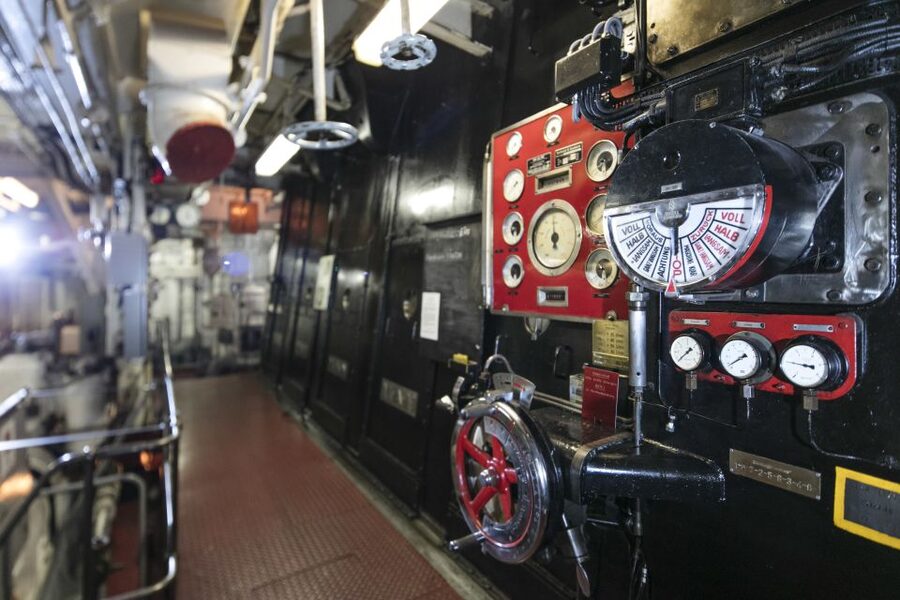
The museum’s appeal is not only visual. The big physical moment is the chance to go deep in the machine room. You are meant to feel the steady pulse of the engines, which turns a technical space into a sensory experience.
If you love anything mechanical, this is your highlight. Even if you do not, it helps you understand what makes a ship more than a transport box. The engine room is where work happens, where vibrations and power translate into motion.
This is also a good place to notice the museum’s design philosophy. It uses the ship’s original structure to teach you, not just to display it. So you get both atmosphere and explanation, in the same place.
How long to plan and how to structure your route
This is a 1-day experience, and it is open 10 AM to 6 PM. Because it is self-guided, the museum does not push you through at a fixed group pace. That freedom is great, as long as you plan your time.
I recommend this kind of order:
- Start on the areas that help you orient yourself, like the bridge and major connecting areas.
- Then move into the narrative stops, including the documentary section.
- Finish with the cargo-focused and engine-focused areas, like hatch 2 and the machine room, where you can spend the most time.
Why this order helps: earlier orientation reduces confusion later, and it lets you connect the ship’s modern feel (containers and freight) with the ship’s human story (emigration and passage). If you reverse it, you might end up feeling the ship as a set of cool rooms without the “why” connecting them.
Also, bring comfortable clothes and wear shoes you trust. This is a ship. There are stairs, and you are moving through multiple levels.
Price and value for a Hamburg museum ship at $14
At $14 per person, the entrance price is easy to justify for what you get. You are not paying for one small gallery. You are paying for access to a whole ship museum that includes:
- the themed voyage through decades
- a documentary tied to Hamburg’s emigrant story (1850 to 1930)
- a permanent exhibition in hatch 2 with text and images
- the chance to explore the machine room and engines area
If you choose an audio guide option, it adds another layer for people who want extra guidance while staying self-paced. Even without the audio guide, the museum’s structure gives you a clear sequence of spaces and themes to follow.
The most honest value question to ask is your own taste. If you love ships, interior spaces, and hands-on-feeling museums, this price will feel like a bargain. If you only want broad exterior views, you may find yourself wishing you had picked a different kind of museum.
Who should book Cap San Diego, and who should reconsider
This experience fits best if you enjoy:
- maritime museums with real ship interiors
- stories that connect place and movement
- self-guided touring where you choose the pace
- the idea of learning through spaces, not just labels
I also think it is a strong match for history and culture travelers who care about how people move and why they leave, because the emigrant documentary gives that theme emotional weight.
It is not a good fit if you:
- get claustrophobic or have mazeophobia, since it is a ship interior with enclosed areas and complex movement
- need wheelchair access, because it is not wheelchair accessible
- have limited mobility, since there are multiple flights of stairs
Practical tips for a smooth self-guided visit
These are the small things that make the difference on a ship museum.
First, treat it like a route, not a checklist. Give yourself time to move from bridge to hatch and then to the machine room. The storytelling works because you keep crossing between spaces.
Second, if you’re planning to use the audio guide, decide early whether you’ll follow it start-to-finish or only in certain areas. Since the tour is self-guided, you can avoid listening fatigue.
Third, expect you may need a couple of minutes to orient yourself. One helpful note from the overall experience is that the ship staff can be friendly and provide good information. If something feels confusing, asking on board can get you back on track fast.
Finally, remember what kind of place you’re in: a working-style interior. Comfortable shoes and a calm pace will make everything more enjoyable.
Should you book Cap San Diego in Hamburg?
I’d book Cap San Diego if you want a Hamburg attraction with real ship spaces, not just a couple of rooms. The combination of the themed Atlantic journey, the emigrant documentary, and the hatch exhibition gives you story plus structure. Add the machine room experience, and you get the rare museum feel that is both educational and physical.
Skip it or reconsider if accessibility needs apply, or if confined interiors make you uneasy. And if you hate self-guided museums, this might feel like too much responsibility for one outing.
If you want a one-day Hamburg plan that feels authentic, and you like learning by walking through the actual environment, Cap San Diego is a smart choice.
FAQ
Where is the entrance to Cap San Diego?
The entrance is located at the end of Überseebrücke. You should go directly to the ship entrance there.
How much time should I plan for the visit?
The ticket is valid for 1 day. The visit is self-guided, so your timing depends on how much you read and watch, especially the documentary and the hatch exhibition.
What are the museum hours?
The museum is open 10 AM to 6 PM daily.
Is there a live guide on board?
No. This is a self-guided tour, and there is no live guide.
Is an audio guide included?
An entrance ticket is included, and an audio guide is included if you select the audio guide option.
What documentary can I watch during the tour?
You can watch the documentary A Suitcase Full of Hope – Emigration Port of Hamburg, which covers the fate of emigrants between 1850 and 1930.
What is at hatch 2?
Hatch 2 includes the permanent exhibition General Cargo and Container Handling, covering sea freight transport from 1960 to today with images and explanatory texts.
What languages are offered?
The activity lists language availability for cancellation terms, but specific language options are not provided in the information shown.
Is Cap San Diego wheelchair accessible?
No. It is not wheelchair accessible, and it is not recommended for people with limited mobility due to multiple flights of stairs.
What is the cancellation policy?
There is free cancellation. You can cancel up to 24 hours in advance for a full refund.
Museums Worth the Queue in Hamburg
Everything else we filed on Hamburg
- Hamburg: Safari tour in St. Pauli
★ 4.9 · 11 reviews - Hamburg: Party Bingo with the Bingo Gringos
★ 4.8 · 11 reviews - Hamburg Harbor: 3.5-Hour Guided Tour by Bike
★ 4.7 · 11 reviews - Hamburg: 2-Hour St. Georg Walking Tour
★ 4.8 · 11 reviews - Hamburg: Guided Walking Tour in Danish
★ 5.0 · 11 reviews - Discover Hamburg in a retro Bulli
★ 3.0 · 12 reviews
Museums, side by side.
 ★ 4.5Berlin: Jewish Museum Berlin Entrance TicketFrom $08,393 reviews
 ★ 4.3Berlin: DDR Museum TicketsFrom $153,443 reviews
 ★ 4.6Berlin: Natural History Museum Entrance TicketFrom $123,382 reviews
 ★ 4.6Berlin: Neues Museum Entry TicketFrom $163,261 reviews
 ★ 4.4Cologne: Chocolate Museum Entrance TicketFrom $192,790 reviews
 ★ 4.7Dresden: Church of Our Lady Guided Tour of GalleryFrom $152,421 reviews
 ★ 4.1Skip-the-Line: Berlin Wall Museum at Checkpoint CharlieFrom $212,041 reviews
 ★ 4.4Berlin: Museum Island Multiple Museum Entry TicketFrom $272,007 reviews
Other lists this tour is on