
REVIEW · MUSEUMS
Hamburg: RICKMER RICKMERS Museum Entry Ticket
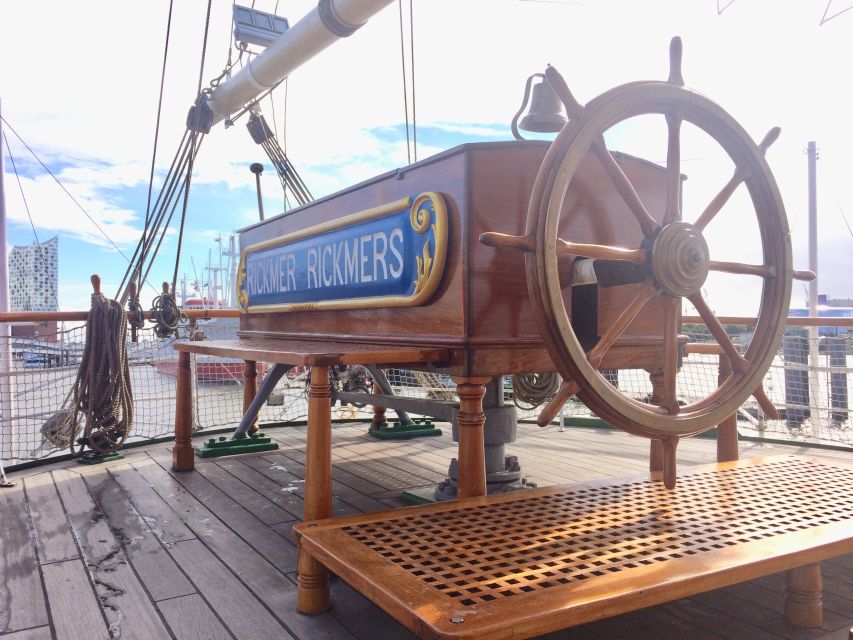
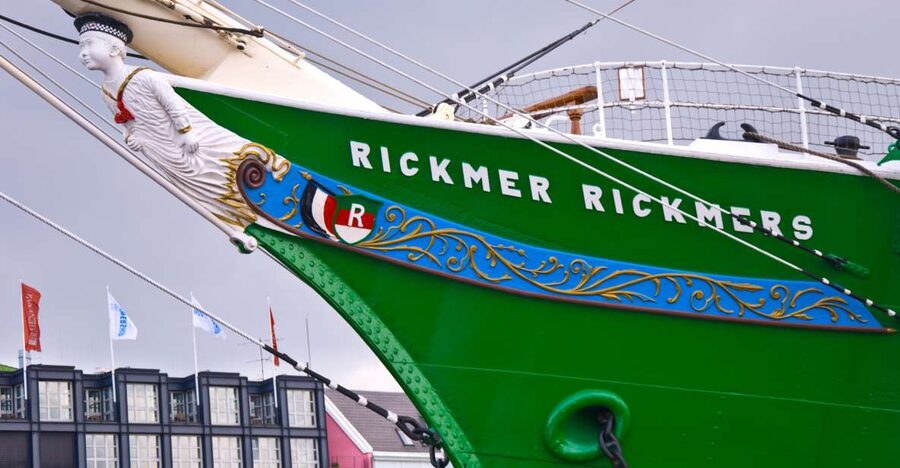
A giant ship in the middle of Hamburg. It is a three-master windjammer turned interactive museum, and you walk straight into windjammer life. I love the carefully restored crew and officers’ quarters, because the ship feels lived-in rather than staged. I also like how the maritime exhibitions plus changing art and photo displays keep the visit moving. One consideration: this is not an easy stop if you have mobility limits, and baby strollers are not allowed.
Plan on about a day, not a quick photo break. Your entrance ticket gives you full access to the museum and exhibition areas, plus an information booklet to help you connect what you see to how the ship actually worked. If you want tall views, indoor-only comfort, and easy accessibility, you may need to adjust expectations.
In This Review
- Key Things That Make This Museum Ship Worth Your Time
- Entering RICKMER RICKMERS at Landing Bridge 1
- Three Parts of the Ship: Museum, Exhibitions, and Life Onboard
- The museum area: ship history and onboard basics
- The exhibition area: restored objects plus changing displays
- The ship experience: quarters and the feel of onboard life
- Crew and Officers’ Quarters: Where Detail Does the Teaching
- Maritime Exhibitions That Connect the Dots
- Panoramic Deck Views Over the Hamburg Port
- Honorary Captains of RICKMER RICKMERS: The Human Side
- What You Actually Get With the $8 Ticket
- Food and drinks: plan around it
- Making a 1-Day Visit Feel Effortless
- Comfortable shoes are non-negotiable
- Baby strollers are not allowed
- Mobility limitations are an important constraint
- Who Should Book This and Who Might Skip It
- Should You Book the RICKMER RICKMERS Museum Entry Ticket?
- FAQ
- Where is RICKMER RICKMERS located, and how do I find the entrance?
- What does the entrance ticket include?
- How long should I plan for the visit?
- Is food included in the ticket price?
- Are baby strollers allowed on the ship?
- Is this experience suitable for wheelchair users or people with mobility impairments?
- Can I cancel for a refund or pay later?
Key Things That Make This Museum Ship Worth Your Time
- Restored crew and officers’ quarters that show daily life onboard a merchant sailing ship
- Special maritime exhibitions built around real seafaring details
- A clear ship layout with three main areas, so you always know where you are in the story
- Temporary art and photography displays that change the feel of the museum
- Panoramic skyline views from the ship, perfect when you want a break from exhibits
- Honorary captains of RICKMER RICKMERS, adding human names to the maritime legend
More collections to walk through in Hamburg
- Hamburg: Entrance to the Museum Ship Cap San Diego★ 4.7 · 467 reviews
- Hamburg: RICKMER RICKMERS Museum Entry Ticket★ 4.6 · 269 reviews
- Hamburg: Museum of Illusions Ticket★ 4.2 · 122 reviews
- Hamburg: Emigration Museum BallinStadt Entry Ticket★ 4.4 · 63 reviews
Entering RICKMER RICKMERS at Landing Bridge 1
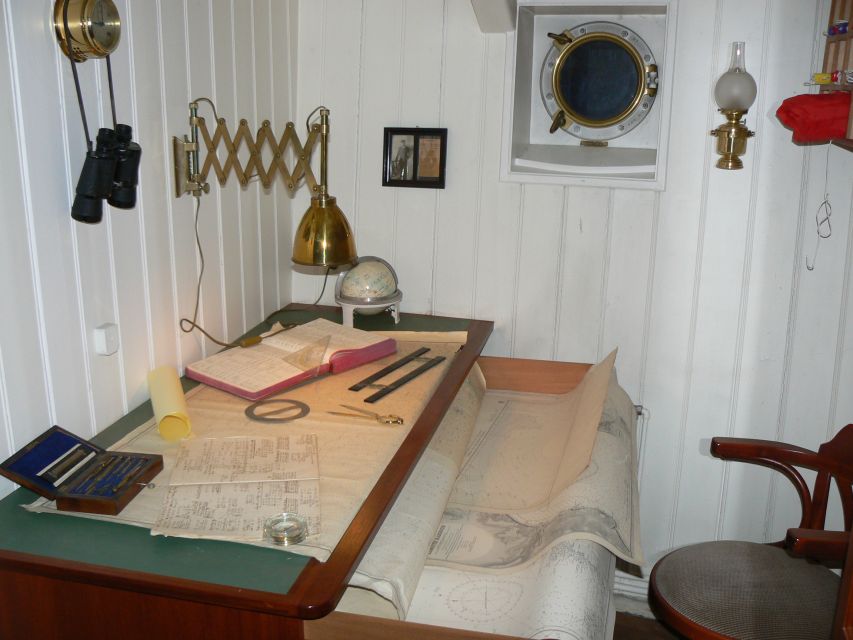
Start at Landing Bridge 1 in the Hamburg port area. Follow the signs to the entrance area, then use your ticket to get into the ship with access to the full museum and exhibition spaces.
This is a museum ship in a working port setting, so you will feel the “real place” energy right away. Also, it is not a guided tour with set checkpoints, so the pacing is on you. If you like to slow down and read, you will. If you like quick scans and photos, you can still cover a lot in one visit.
One practical bonus: you can book with flexibility, since you can cancel up to 24 hours in advance for a full refund, and there is also a reserve now pay later option. That helps if your Hamburg day is still a bit fluid.
Three Parts of the Ship: Museum, Exhibitions, and Life Onboard
The ship is divided into three sections, and that structure is what makes it easy to understand. You are not bouncing randomly between rooms. Each area has a purpose, and you gradually build a picture of what it meant to sail as a merchant ship crew.
The museum area: ship history and onboard basics
The first section is the core museum area, focused on the ship’s background and how onboard life is supposed to work. Here you see detailed restoration work, with an emphasis on accuracy and how the ship functioned as a sailing merchant vessel.
If you like context, this is where you get it. If you are more of a “show me the rooms” person, you’ll still benefit from spending time here because it turns the rest of the visit from scenery into a system.
The exhibition area: restored objects plus changing displays
Next is the exhibition area, where you will find a mix of restored nautical objects and rotating temporary art and photography displays. The temporary stuff matters more than you might think. It breaks up the static museum feel and gives the ship a fresh angle, even for people who are coming back.
This section also helps you shift from “history facts” to “maritime mood.” You can spend extra time here if photography or maritime themed art is your thing.





The ship experience: quarters and the feel of onboard life
Finally, the ship opens into spaces that let you picture daily life. The museum highlights the life of a sailor through the restored spaces, including the quarters of both crew and officers.
That layout is a big part of the value. You do not just read about life at sea. You walk through the spaces where life would have happened, including the places that show hierarchy and routine.
Crew and Officers’ Quarters: Where Detail Does the Teaching
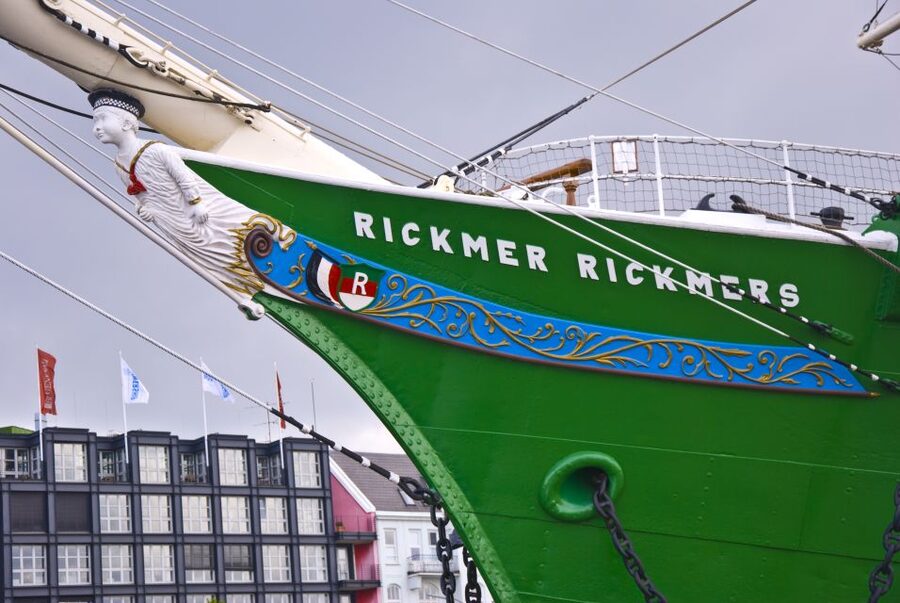
The most praised part of this museum ship is the restored living areas. I love the way the crew and officers’ quarters make rank and routine feel real. You can see how space was divided, and you start to understand why even small differences in layout mattered on a sailing ship.
These quarters are carefully restored, which means you are not looking at generic displays. You are looking at the ship’s compartments as a designed environment. That is also why it can feel more worthwhile than other museum ships you might compare it to. When a museum ship gets the details right, your brain stops treating it like a prop and starts treating it like a workplace.
If you want a smart strategy, spend your first half of the visit reading and exploring the sections that explain onboard life, then return to the quarters for a second pass. The second walk tends to feel faster, because you already understand what you are seeing.
Maritime Exhibitions That Connect the Dots
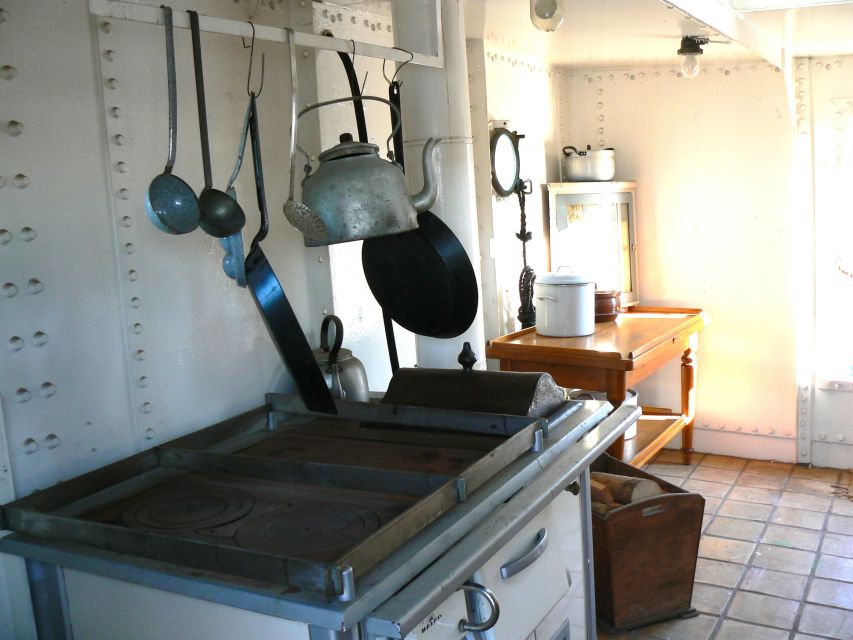
The maritime exhibitions are not just decorative. They are built to help you connect ship design, sailing life, and the objects used on board. That is what makes them useful for people who do not know a lot about windjammers to start.
You also get a mix of themes inside the ship. There are special maritime exhibitions, plus the restored nautical objects in the exhibition area. Then the temporary art and photo displays add a different way of looking at seafaring, including how people interpret ships and maritime culture beyond the technical side.
For me, that balance is the sweet spot. You get structure, and you still get human interpretation through the rotating displays.
Panoramic Deck Views Over the Hamburg Port
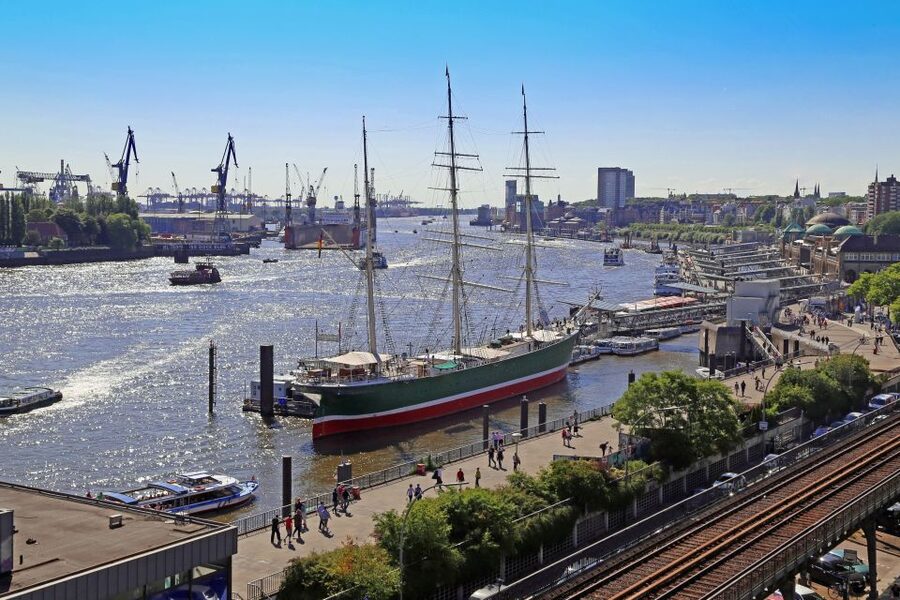
One of the easiest reasons to love this ship is the chance to step back and take in the surroundings. You can enjoy panoramic skyline views from onboard the ship.
This is where you will likely slow down without realizing it. After time spent with exhibits, it is a relief to look outward and make the port setting click. You also get a better sense of what it means for the ship to be moored in the heart of the Hamburg port.
If the day is clear, prioritize the view time. Even if you are not a photo person, the skyline break helps you reset your attention and makes the museum feel less like a checklist.
Honorary Captains of RICKMER RICKMERS: The Human Side
Not all museum ships stay focused on objects. This one adds a human layer through the honorary captains of RICKMER RICKMERS. It is a small piece of the overall story, but it helps turn the ship into something with names attached to it.
That matters when you are learning about maritime culture. Ships last. People do the work. By connecting the vessel to honorary captains, the museum gives you a way to remember the story beyond a nameplate and dates.
If you like character-driven details, pause when you see those sections. Quick glances miss the point.
What You Actually Get With the $8 Ticket
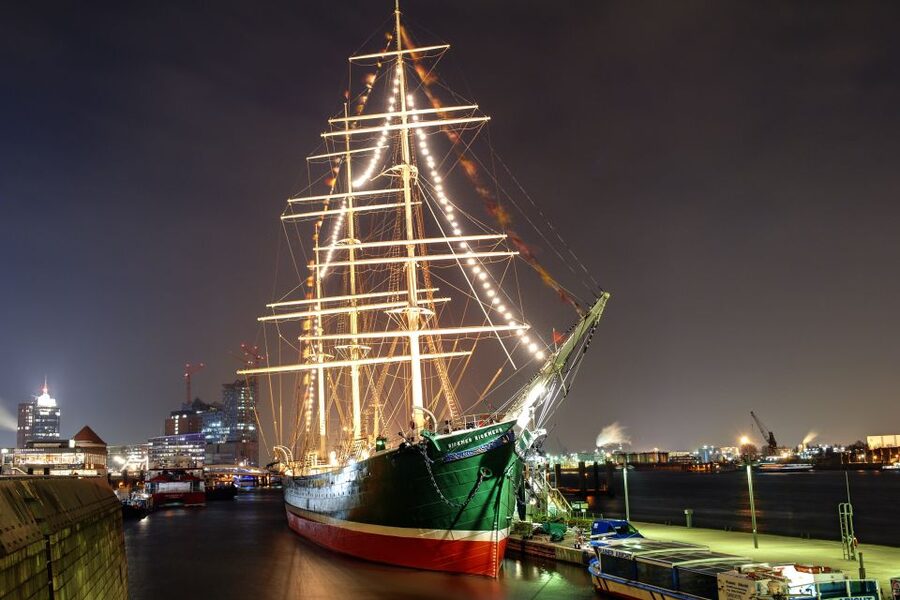
Price is where this museum ship becomes very tempting. At $8 per person, you are paying for full ship access, not a short glance. Your ticket includes entry to the ship with access to the museum and exhibition areas, plus an information booklet.
That is the core value: you can control your pace and actually see the restored quarters and exhibition layout. If you were paying more, you might feel pressured to rush. At this price, it is easier to take your time in the spaces that click for you.
Food and drinks: plan around it
Food and drinks are not included. Still, there is an onboard restaurant, and it is a good place to sit down with authentic Hamburg dishes and typical nautical food.
My practical advice is to decide how you want to handle meals before you arrive. If you snack lightly and use the restaurant as a sit-down break, that works well. If you prefer a full meal elsewhere, factor in time so you do not feel squeezed.
Making a 1-Day Visit Feel Effortless
This is a 1-day valid ticket, and start times depend on availability. Translation: you should check the schedule options that fit your Hamburg day, then plan your day around the time window you choose.
Comfortable shoes are non-negotiable
Bring comfortable shoes. You will be moving around the ship’s interior spaces and walking for views and transitions. The ship is also a port-side setting, so you may encounter uneven areas or different surfaces than you expect from a standard museum building.
Baby strollers are not allowed
Baby strollers are not allowed. If you are visiting with a young child, you will need to plan alternative carry options that fit within the ship’s rules.
Mobility limitations are an important constraint
This museum ship is not suitable for people with mobility impairments or wheelchair users. That is not something to treat lightly. The environment is part of the experience, but it comes with limitations that can make access hard.
If you are traveling with someone who has mobility needs, I would treat this as a “check first” decision rather than assuming a museum ship is like a regular museum.
Who Should Book This and Who Might Skip It
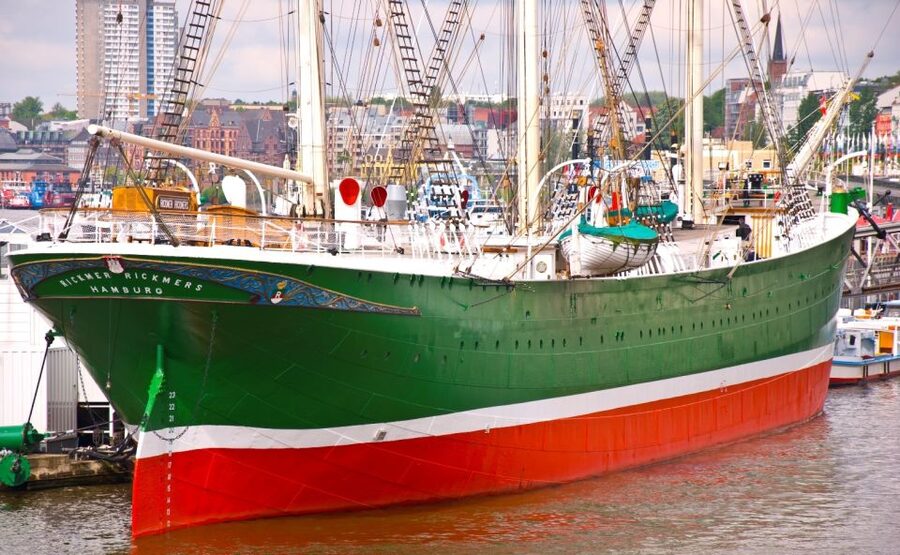
I think the RICKMER RICKMERS museum ticket is a great match if you want:
- A hands-on feel for windjammer life without needing specialized maritime knowledge
- Restored interiors that help you picture daily routines onboard
- Mix-and-match interest, from history-like museum areas to exhibitions with changing art and photos
- A solid reason to enjoy Hamburg port views from the waterline and skyline angles
It might be less ideal if you need step-free access, stroller access, or you prefer strictly indoor attractions. Also, if you only want quick pictures and zero reading or room-to-room exploration, you may find it takes more time than you expected because it is built to be walked.
Should You Book the RICKMER RICKMERS Museum Entry Ticket?
If you are in Hamburg and you like authentic, hands-on places, I would book it. For $8, you get full ship access, restored quarters, maritime exhibitions, rotating displays, and the option of scenic skyline time. The visit also has real value because the restoration work is detailed, and it tends to make the ship feel more convincing than other museum ships people may compare it to.
My final tip is simple: give it time for both the indoor sections and the deck views. When you do, the ship stops being a single attraction and becomes a full day experience in one compact place.
FAQ
Where is RICKMER RICKMERS located, and how do I find the entrance?
The ship is located at Landing Bridge 1 in Hamburg. Follow the signs to the entrance area.
What does the entrance ticket include?
Your ticket includes entrance to the ship with full access to the museum and exhibition areas, plus an information booklet.
How long should I plan for the visit?
The ticket is valid for 1 day, and you can explore the ship during the available time window. Start times depend on availability.
Is food included in the ticket price?
No. Food and drinks are not included. The ship has an onboard restaurant where you can sit down for Hamburg dishes and nautical food.
Are baby strollers allowed on the ship?
No. Baby strollers are not allowed.
Is this experience suitable for wheelchair users or people with mobility impairments?
No. It is not suitable for people with mobility impairments or wheelchair users.
Can I cancel for a refund or pay later?
Yes. You can cancel up to 24 hours in advance for a full refund, and there is also a reserve now pay later option.
Museums Worth the Queue in Hamburg
Everything else we filed on Hamburg
- Hamburg: Safari tour in St. Pauli
★ 4.9 · 11 reviews - Hamburg: Party Bingo with the Bingo Gringos
★ 4.8 · 11 reviews - Hamburg Harbor: 3.5-Hour Guided Tour by Bike
★ 4.7 · 11 reviews - Hamburg: 2-Hour St. Georg Walking Tour
★ 4.8 · 11 reviews - Hamburg: Guided Walking Tour in Danish
★ 5.0 · 11 reviews - Discover Hamburg in a retro Bulli
★ 3.0 · 12 reviews
Museums, side by side.
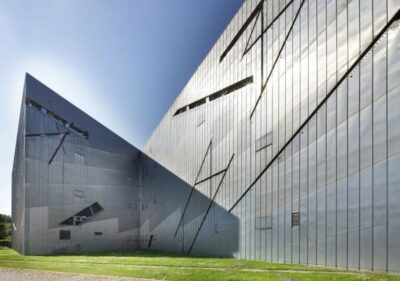 ★ 4.5Berlin: Jewish Museum Berlin Entrance TicketFrom $08,393 reviews
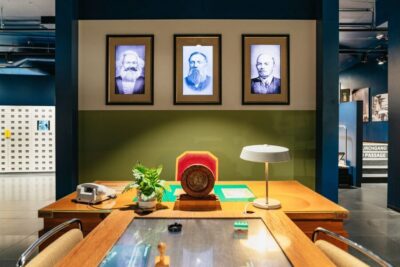 ★ 4.3Berlin: DDR Museum TicketsFrom $153,443 reviews
 ★ 4.6Berlin: Natural History Museum Entrance TicketFrom $123,382 reviews
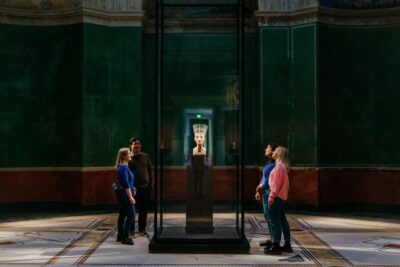 ★ 4.6Berlin: Neues Museum Entry TicketFrom $163,261 reviews
 ★ 4.4Cologne: Chocolate Museum Entrance TicketFrom $192,790 reviews
 ★ 4.7Dresden: Church of Our Lady Guided Tour of GalleryFrom $152,421 reviews
 ★ 4.1Skip-the-Line: Berlin Wall Museum at Checkpoint CharlieFrom $212,041 reviews
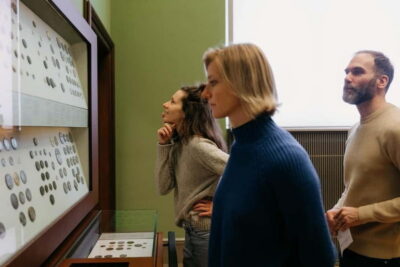 ★ 4.4Berlin: Museum Island Multiple Museum Entry TicketFrom $272,007 reviews
Other lists this tour is on