
REVIEW · WALKING TOURS
Queer Berlin Walking Tour
Berlin has one of the most layered queer histories in Europe. This tour uses that story to help you see Schöneberg and the Tiergarten with new eyes, from old bar culture to painful Nazi persecution.
I especially like how the route centers Schöneberg and its iconic queer meeting places, so the walk feels grounded, not abstract. I also like the way the guide connects big-history moments to real names and places, including Magnus Hirschfeld and the former Eldorado.
One thing to consider is that it is a 3.5-hour walking tour, so if you get tired quickly, plan for a slower pace and bring water.
In This Review
- Key things I’d circle before you go
- Schöneberg and the Tiergarten: Why this walk hits harder than sightseeing
- Getting oriented with a Schöneberg-first route
- The Eldorado stop and why old bars are more than nightlife
- Law, fear, and an openly queer story in Nazi Germany
- Magnus Hirschfeld and the Institute for Sexual Science
- Tiergarten under the Berlin Wall, then and now
- Marlene Dietrich to cabaret streets: Culture as a form of survival
- Price and value: What $23 gets you in 3.5 hours
- The guide experience, from Tobi to Tom to Kyle
- Who should take this Queer Berlin walking tour
- Should you book this 3.5-hour Queer Berlin walk?
- FAQ
- FAQ
- How long is the Queer Berlin Walking Tour?
- What is the price per person?
- What languages are the guides?
- Where do I meet the guide?
- Does the tour run in bad weather?
- Is public transport included?
- Are entrance fees included?
- Is there a free cancellation window?
Key things I’d circle before you go
- Schöneberg focus: You spend real time in Berlin’s historic gay neighborhood, not just a drive-by stop.
- Eldorado site: A look at one of the oldest queer and trans bar spaces in the city.
- Hirschfeld’s impact: You learn how the Institute for Sexual Science tried to change lives, and what the Nazis did to it.
- Nazi persecution memorial: A stop that centers the harm done to homosexual people under Nazi rule.
- Tiergarten context: The walk ties today’s meeting spots to the Berlin Wall era.
- Funny, question-friendly guides: Guides like Tobi and Tom are described as patient, helpful, and ready to answer what you ask.
Other walking routes through Berlin
- Berlin: Third Reich and Cold War 2 Hour Walking Tour★ 4.9 · 6,830 reviews
- Berlin: Discover Berlin Walking Tour★ 4.9 · 5,998 reviews
- Berlin’s Best: 2 Hour Walking Tour Third Reich and the Cold War★ 5.0 · 5,486 reviews
- Berlin: Hidden Backyards Guided Walking Tour★ 4.8 · 5,360 reviews
Schöneberg and the Tiergarten: Why this walk hits harder than sightseeing
If you think Berlin is just about monuments, nightlife, and big museums, this tour nudges you toward the human scale of history. You start in Schöneberg, Berlin’s classic gay neighborhood. Then you continue toward the Tiergarten, long known as a meeting place for queer people. The point is not to memorize dates. It is to understand how public space, safety, and community changed over time.
The story line is also smart. Berlin’s queer history is tied directly to politics, law, and the risks people faced. You hear about the German penal code’s Section 175, which criminalized male homosexuality for decades. And you do not just hear it as trivia. The walk frames why that law shaped daily life, who felt safe, and how people formed networks anyway.
And yes, there is fun here, not only tragedy. You’ll hear entertaining anecdotes, and you’ll also see how art and nightlife helped define queer Berlin. Think: the cabaret and culture scene associated with people like Christopher Isherwood and Otto Dix. It is a mixed story, like real life.
Getting oriented with a Schöneberg-first route
The tour is designed around walking you into the neighborhood first, so you can picture queer Berlin as a map you can actually navigate. In Schöneberg, you’re in the area often linked to lesbian, gay, and trans history across many eras. It makes sense that the tour starts here, because so much of Berlin’s queer identity is tied to particular blocks, bars, and public hangouts.
You will also hear about famous cultural figures who connected to the area. The tour includes the place where Marlene Dietrich lived and worked. It also ties in the writers and artists who recorded Berlin’s nightlife. That matters because queer history is not only about activism and persecution. It is also about creativity, performance, and the everyday art of finding each other.
Practical note: because this is a walking route through parts of central Berlin, I’d wear comfortable shoes and keep your layers flexible. The tour runs in all weathers, so you’ll want to be ready for rain or cool wind, especially as you move through parks.
The Eldorado stop and why old bars are more than nightlife
One of the most memorable parts of the tour is the stop connected to the former Eldorado, one of Berlin’s oldest queer and transvestite bars. Even if the building is not what it once was, the site gives you a real anchor point. It turns the abstract idea of queer community into something you can point at.
Old bars were never only parties. They were safety nets, social hubs, and informal information centers. When rights are limited or policing is real, community spaces matter even more. That is why this stop works: it connects the legal and political risks you hear about elsewhere on the walk to a human response, people making a place to exist.
This is also where the tour’s tone often feels most alive. Instead of turning your attention only toward grim history, it shows how queer and trans people carved out visibility through culture and nightlife.
Law, fear, and an openly queer story in Nazi Germany
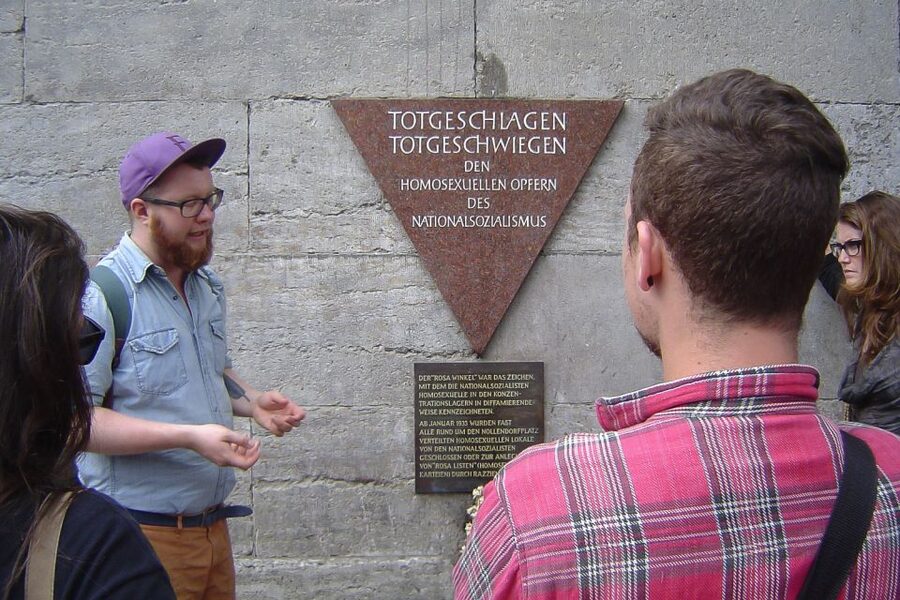
This walk does not shy away from the darkest chapters. You get direct context around Section 175 and the wider social climate that followed World War 2, including long-running criminalization of male homosexuality. That legal pressure is a key reason why so many queer lives were forced into secrecy, coded language, and underground meeting spots.
Then the tour moves into even heavier ground with the Nazi era. You’ll hear about an openly gay Nazi leader, which is a complicated detail and not a casual one. The point is to show that history is not a clean moral diagram. People can hold power for reasons that do not match modern expectations.
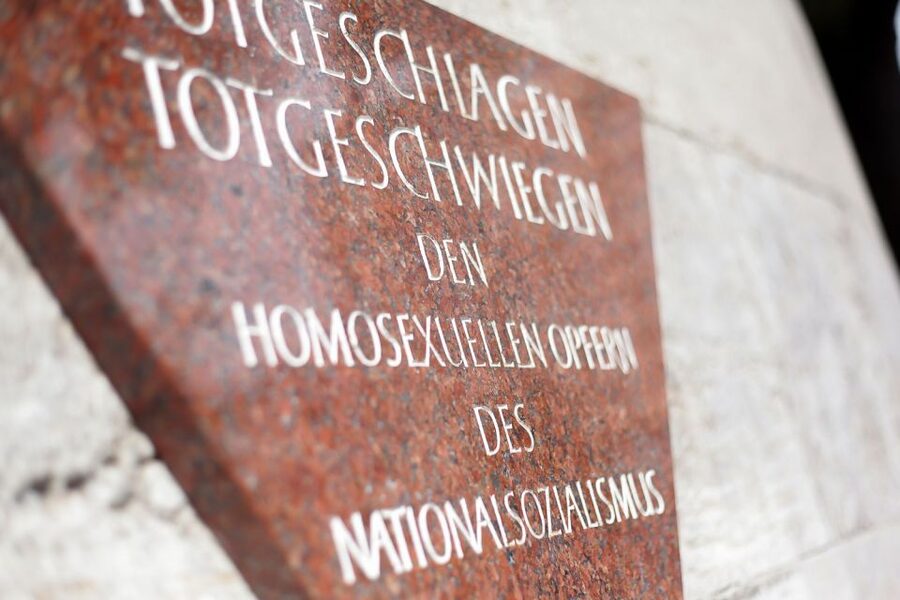
You also stop at a poignant memorial to homosexuals persecuted by the Nazis and sent to concentration camps. For me, this is where the tour earns its weight. It keeps the focus on victims rather than trying to turn suffering into a dramatic story beat.
If you are the type who gets emotionally drained on history walks, you can pace yourself here. Take a moment. Look around. Let the setting do its job. This stop deserves attention, not rushing.

Magnus Hirschfeld and the Institute for Sexual Science
Another highlight is learning about the work of Magnus Hirschfeld and the Institute for Sexual Science. This is one of those sections where the tour makes history feel practical. You see how science, medicine, activism, and public advocacy can overlap. And you learn why that mattered.
Hirschfeld’s institute was shut down in 1933, and the library was destroyed during the Nazi book burnings. That is the kind of detail that changes how you think about archives. When a regime burns books and dismantles institutions, it is not only attacking ideas. It is erasing tools people might have used to argue for safety, dignity, and rights.
This part of the tour also helps you connect different eras. You hear how support networks and assistance existed for openly queer and transgender people. Then you see how those efforts were crushed. The contrast is painful, but it is also clarifying. It explains why later activism and modern queer rights struggles did not come from nowhere.
Tiergarten under the Berlin Wall, then and now
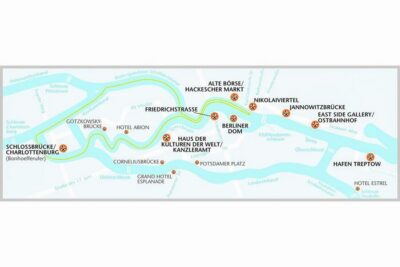
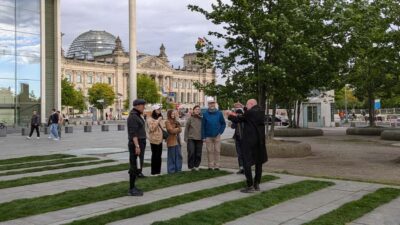
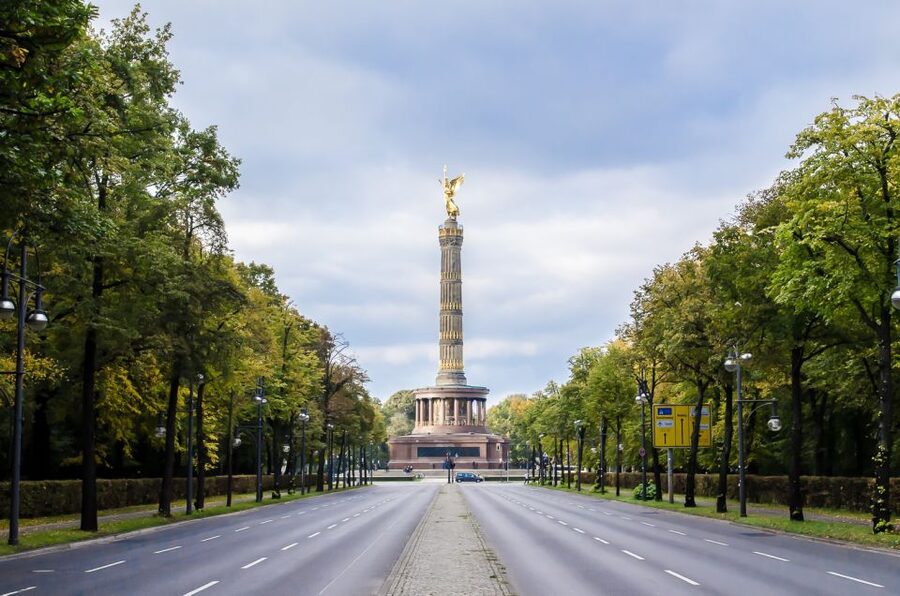
After Schöneberg, the route shifts toward the Tiergarten, described as Berlin’s best-known gay meeting spot. The setting helps you understand why public space was so central. In many cities, queer life can be scattered. In Berlin, these meeting grounds became recognizable points on the map.
The tour also ties the Tiergarten to the shadow of the Berlin Wall, which gives the walk extra political context. You’re not just learning about queer culture as an independent story. You’re learning how divided Berlin shaped movement, visibility, and daily freedom.
You’ll hear about queer figures who influenced Berlin from early Prussian times to modern politics. The tour includes mentions of Friedrich the Great and also Klaus Wowereit, Berlin’s openly gay mayor. That time range matters because it prevents the story from sounding like a single-era flash. It shows continuity, plus change.
In practical terms, this is also where the group may stretch out a bit. Parks create space, and people move at different speeds. If you like asking questions, this is a good zone to do it, since there’s less crowd pressure than on tighter streets.
Marlene Dietrich to cabaret streets: Culture as a form of survival
One of the most underrated parts of the tour is how it uses culture to explain community. You are not only walking through history. You’re walking through the parts of Berlin that supported nightlife, performance, and storytelling, including cabaret and the scene chronicled by Christopher Isherwood and Otto Dix.
That cultural thread helps you make sense of why queer Berlin could be both famous and vulnerable. Berlin’s nightlife offered identity, belonging, and a stage. At the same time, laws like Section 175 and Nazi persecution proved that tolerance could disappear fast.
So, when you hear entertaining anecdotes alongside memorial moments, it is not random. The tour is showing you how queer life often includes both humor and fear, love and risk. That mix is what makes it feel real instead of textbook.
Price and value: What $23 gets you in 3.5 hours
At $23 per person for a 3.5-hour guided walk, this tour is priced like a serious local history experience rather than a premium museum day. You pay for one key thing: an English-speaking guide who connects names, places, and political context into a route you can remember.
The math works best when you are in Berlin for a short window. In one walk, you get:
- Schöneberg as a geographic anchor for queer Berlin
- A stop connected to the Eldorado
- Context about Section 175
- A memorial to Nazi persecution
- Hirschfeld and the Institute for Sexual Science
- Tiergarten meeting-spot context with Berlin Wall era framing
Add in the rating, reported as 4.7 out of 5 from 64 bookings, and it suggests consistent guide quality and a good balance of story and pace.
A practical caution: you will walk. If you want to snack and keep energy up, plan on bringing a small water bottle and something simple to eat. One guide day can feel long when the story includes heavy topics.
The guide experience, from Tobi to Tom to Kyle
The guides seem to make a real difference on this tour. People highlight guides like Tobi and Tom for being patient, helpful, and ready with answers. Others mention Kyle, Finn, and Beth, plus guides who integrate both historical research and lived understanding.
What you’re looking for in a tour like this is not only facts. It is tone. This is a subject where the wrong tone can feel insensitive. Here, the guides are described as supportive and open to questions, including questions about current queer culture and practical tips for nightlife.
A helpful mindset to bring: think of this as a guided conversation with a route. If something confuses you, ask. If you want more context, ask. The best moments usually happen when the guide connects your question to a site.
Who should take this Queer Berlin walking tour
I’d put this tour on your short list if any of these are true:
- You want queer Berlin history with named places, not only museum-style information
- You like stories that combine culture, activism, and political change
- You are okay with a tour that includes both joyful queer community and Nazi persecution memorial context
- You prefer walking to help your brain hold onto a city map
It also fits well for first-time Berlin visitors who want the city’s queer identity as a core theme. If you already know the basics and want an advanced academic lecture, you might want to pair it with a museum visit. But as a single experience, this walk is a strong starting point.
Should you book this 3.5-hour Queer Berlin walk?
Yes, if you want a meaningful, route-based introduction to queer Berlin that does not treat the topic as a side quest. The Schöneberg focus plus the Tiergarten meeting-spot context gives you a usable mental map. And the inclusion of Hirschfeld, the Institute for Sexual Science, and the memorial to Nazi persecution keeps the tour grounded in real consequences.
Book it especially if you value a guide who answers questions and keeps the story moving. Just go in knowing it is a walking tour with at least a few heavy moments, so pace yourself.
FAQ
FAQ
How long is the Queer Berlin Walking Tour?
It lasts 3.5 hours.
What is the price per person?
The price is $23 per person.
What languages are the guides?
The tour offers live guides in English and German.
Where do I meet the guide?
The meeting point may vary depending on the option booked.
Does the tour run in bad weather?
Yes, it runs in all weathers.
Is public transport included?
No, public transport is not included if you need it.
Are entrance fees included?
No, entrance fees are not included.
Is there a free cancellation window?
Yes, you can cancel up to 24 hours in advance for a full refund.
Pavements of Berlin
Everything else we filed on Berlin
- East Berlin: City of Shadows Walking Tour
★ 5.0 · 11 reviews - Berlin: Die Stachelschweine – Frank Lüdecke – Träumt Weiter
★ 4.7 · 11 reviews - Potsdam Day Trip from Berlin with a Local: Private & Personalized
★ 4.0 · 11 reviews - An Introduction to Berlin Walking Tour
★ 5.0 · 11 reviews - DJ for a Day: Learn to Mix Like a Pro in Berlin
★ 5.0 · 11 reviews - 2-H Segway Sightseeing Tour Berlin
★ 4.5 · 11 reviews
Walking Tours, side by side.
 ★ 5.0Discover Berlin Half-Day Walking TourFrom $249,624 reviews
 ★ 4.9Berlin: Third Reich and Cold War 2 Hour Walking TourFrom $236,830 reviews
 ★ 4.6Munich: Third Reich & WWII Walking TourFrom $316,181 reviews
 ★ 4.9Berlin: Discover Berlin Walking TourFrom $235,998 reviews
 ★ 5.0Berlin’s Best: 2 Hour Walking Tour Third Reich and the Cold WarFrom $245,486 reviews
 ★ 4.8Berlin: Hidden Backyards Guided Walking TourFrom $235,360 reviews
 ★ 4.5Third Reich Walking Tour MunichFrom $454,291 reviews
 ★ 5.0Third Reich Berlin: Hitler and WWII Walking TourFrom $243,301 reviews