
REVIEW · HISTORICAL TOURS
Berlin: Charité Hospital History Walking Tour
Charité walks you through 300 years of medicine. The tour is interesting because it links today’s medical research to the very first hospital walls, starting with a 1710 plague-house origin story, and then tracing how Berlin medicine changed with every regime. I love the way the route lets you read the neo-gothic Charité campus up close, where the buildings look almost dramatic enough to match the big historical names tied to them.
What I like even more is how the guide turns medical history into real people stories. You’ll hear about the Veterinary Anatomy Theatre and what students learned there about livestock and cavalry horses in the 18th century, and you’ll also get clear context on figures behind the Charité TV series, including Rachel Hirsch, the first woman to hold a medical professorship in Prussia.
One possible drawback: it’s mostly an outdoor walking loop, so plan for cold weather and comfortable shoes, and note that the Veterinary Theatre can occasionally be closed for internal events or public holidays.
In This Review
- Key highlights to look for
- Why Charité matters in Berlin, not just as a name
- Robert-Koch-Platz start, and how to get oriented fast
- The Veterinary Anatomy Theatre: a classroom from the 18th century
- The campus loop: neo-gothic buildings and big medical names
- From plague house to medical practice: what early treatment looked like
- Rachel Hirsch and women in Prussia medicine
- Charité under the Nazis: where ethics broke
- East Germany, divided Berlin, and the habit of rewriting space
- What the guide style does for you in just two hours
- Practical tips so the walking feels easy
- Who should book this Charité tour
- Should you book it or skip it?
- FAQ
- How long is the Berlin Charité Hospital History Walking Tour?
- How much does it cost?
- Where do I meet my guide?
- Where does the tour end?
- What’s included in the ticket?
- Are hospital or university buildings included?
- What should I bring and wear?
- Is the tour suitable for children?
- What if the Veterinary Anatomy Theatre is closed?
Key highlights to look for

- Neo-gothic Charité architecture you can actually walk around and study at street level
- Veterinary Anatomy Theatre, Berlin’s oldest academic building still standing
- Pioneers of medical science like Robert Koch and Rudolf Virchow, shown in context
- Rachel Hirsch’s milestone in 1913, set against resistance within the institution
- The Nazi and later East Germany chapters, including how ethics were handled or ignored
Other walking routes through Berlin
- Berlin: Third Reich and Cold War 2 Hour Walking Tour★ 4.9 · 6,830 reviews
- Berlin: Discover Berlin Walking Tour★ 4.9 · 5,998 reviews
- Berlin’s Best: 2 Hour Walking Tour Third Reich and the Cold War★ 5.0 · 5,486 reviews
- Berlin: Hidden Backyards Guided Walking Tour★ 4.8 · 5,360 reviews
Why Charité matters in Berlin, not just as a name

Charité is Berlin’s oldest hospital, and that alone makes it a strong stop for anyone who likes history that feels connected to the present. This is a place where medical breakthroughs happened, but it’s also a place where changing politics shaped what doctors believed was acceptable.
Even if you know Berlin medicine mostly from television, the tour is designed to help you sort fact from drama. You’ll get names, timelines, and the kind of cause-and-effect background that makes later events make sense, especially when you reach the darker chapters.
Robert-Koch-Platz start, and how to get oriented fast
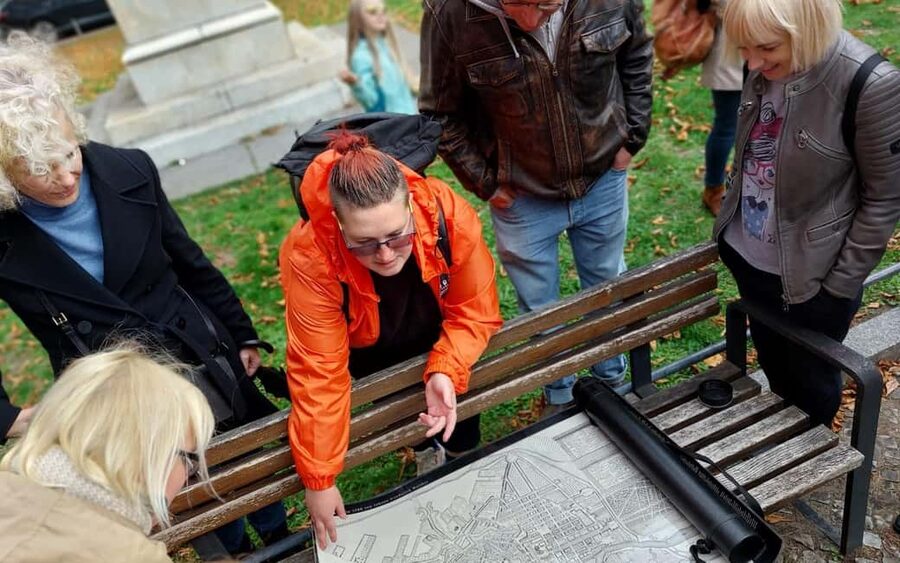
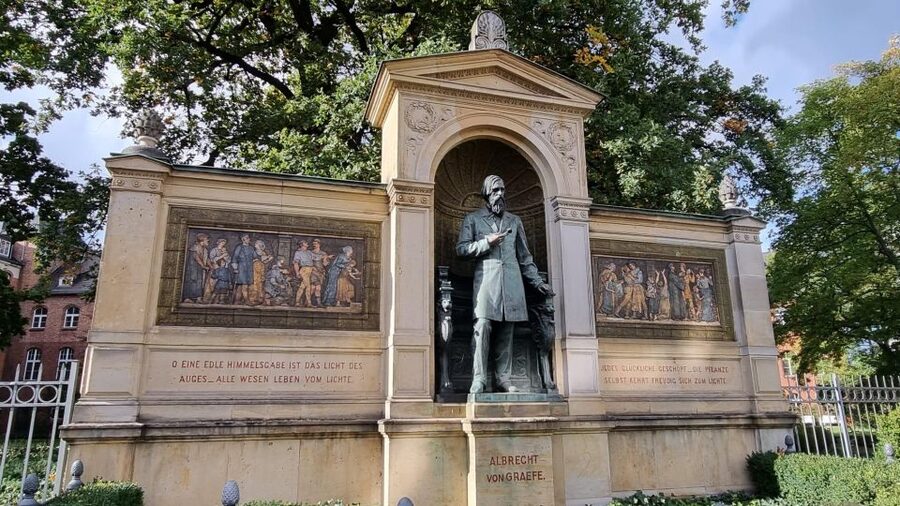
You begin at Robert-Koch-Platz, meeting by the Robert Koch statue. The practical tip is simple: look for your guide holding an orange umbrella, so you can spot the group quickly and avoid wandering around in circles.
Since this is a walking tour with a total duration of about two hours, the start matters. The pace is steady, and the guide uses the first minutes to set the story so you aren’t just collecting facts. If you’ve ever felt lost on “architecture plus history” tours, this one is built to keep you oriented.
The Veterinary Anatomy Theatre: a classroom from the 18th century

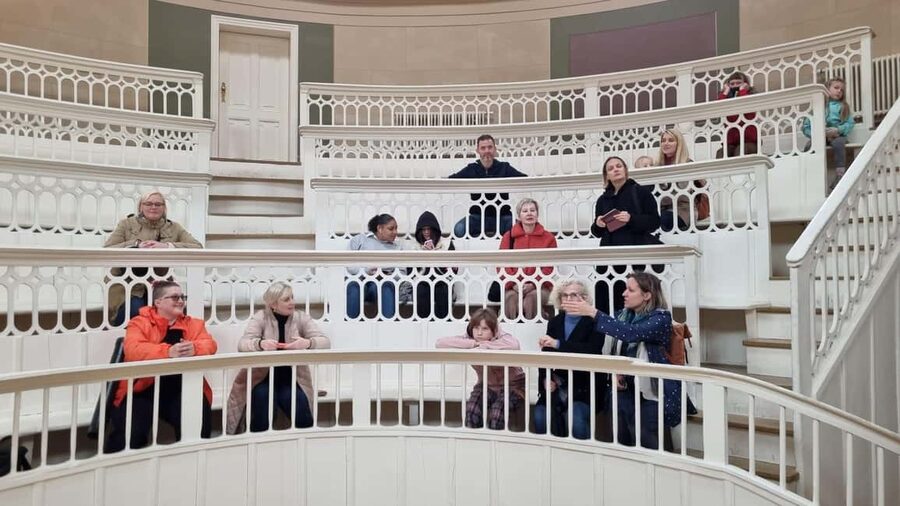
The first major stop is the Veterinary Anatomy Theatre, where you’ll spend about 15 minutes. This is not just a photo stop. The guide explains how 18th-century teaching focused on ailments of city livestock and cavalry horses, which were essential to daily life and transportation.
That detail helps the theatre click. You’re not only seeing an old room. You’re seeing why medicine mattered to ordinary people and practical work back then, from food supply to movement around the city. It also creates a neat bridge from the hospital’s plague-house beginnings into the broader idea of how institutions shaped health knowledge.
One watch-out: the theatre is included with free admission, but on occasion it can close due to internal events or public holidays. If your schedule is tight and you absolutely need that stop, it’s worth checking availability before locking in other plans.
The campus loop: neo-gothic buildings and big medical names
After the theatre, the tour continues through the historical neo-gothic Charité campus. The route is designed as a loop, so you’re constantly moving between story points rather than stuck listening in one spot.
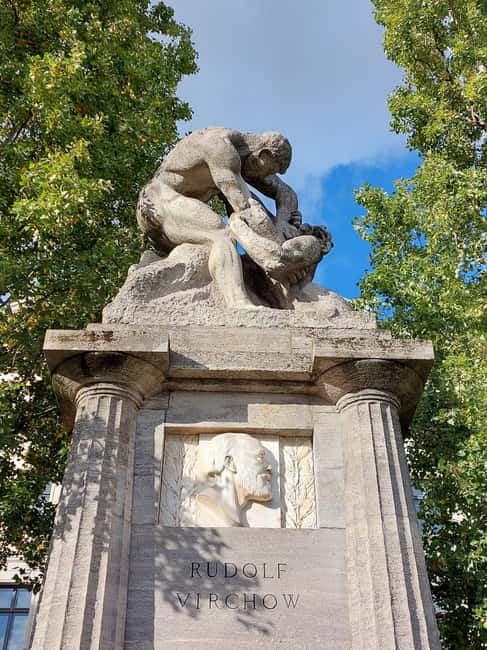
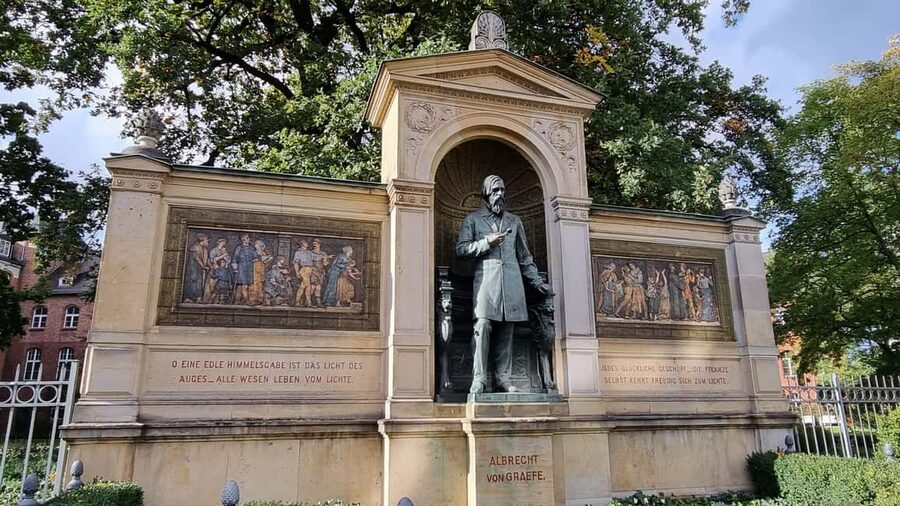
This is where names like Robert Koch and Rudolf Virchow come into focus. The guide connects them to the campus setting, so you’re not just hearing “they did science here.” You understand why those breakthroughs mattered, and how the hospital’s role shifted over time as medical thinking evolved.
The architecture does part of the work too. Neo-gothic buildings have a way of making institutional history feel weighty, and the tour uses that effect without turning it into pure aesthetics. You’ll be looking at real exterior details while learning why the place became so influential.
More history walks in Berlin



From plague house to medical practice: what early treatment looked like

A key early story is the hospital’s foundation in 1710, when it began as a simple plague house meant to protect against an approaching epidemic. That sets a clear baseline: this wasn’t a grand start, it was a response to urgent public danger.
The guide also explains some of the methods that were common in those early days, including bloodletting, mercury doses, and amputations. It’s not taught in a preachy way, but it is taught with enough context that you see how limited the medical toolbox was at the time.
For me, this part is valuable because it helps you interpret the later breakthroughs fairly. You get why people kept searching, and why medical ethics and practices didn’t change overnight.
Rachel Hirsch and women in Prussia medicine
One of the strongest “human progress” threads on the tour is Rachel Hirsch. You’ll learn about her appointment in 1913, when she became the first woman to hold a medical professorship in Prussia.
This section matters because it shows progress inside an institution, not just laws or headlines. The guide frames Hirsch’s appointment as a genuine step forward, while also describing the resistance she faced within the institution. That combination gives you a fuller picture of what change cost, even when it succeeded.
If you’re watching for inclusive history in your trip, this stop will feel purposeful. It adds nuance to the big-name science and balances the story with the social realities of who got to teach and shape medical knowledge.
Charité under the Nazis: where ethics broke
The tour doesn’t skip the darkest chapter. Under the Nazi regime, medical ethics were disregarded, and ideas of racial hygiene were ruthlessly imposed. The guide explains that while some doctors kept quiet, others actively organized the extermination of psychiatric patients.
This section is heavy, but it’s handled with the kind of straightforward explanation that helps you follow the logic of what happened and why it was so dangerous. You don’t need to be a specialist in ethics to understand the core message: medicine is not neutral when a political system decides some lives have less value.
If you prefer tours that acknowledge difficult history without sensationalism, you’ll likely appreciate this approach. Just be mentally prepared for the subject matter.
East Germany, divided Berlin, and the habit of rewriting space
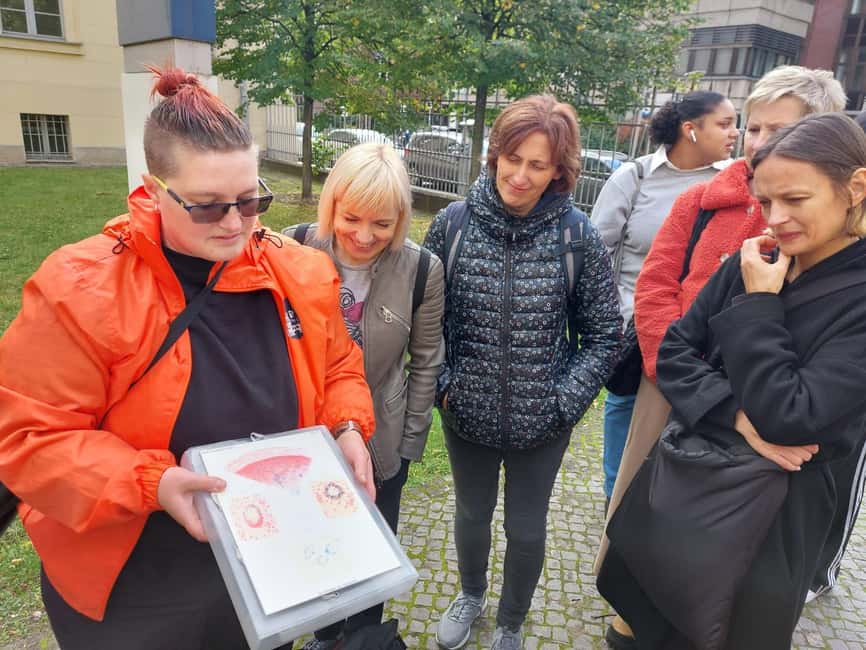
In later decades, the tour explains how East Germany took pride in Charité’s achievements while also changing the visible reminders that faced the capitalist West. One of the details you’ll hear is about windows that were bricked up on the sides facing West.
That moment is a clever way to make “history as memory” tangible. You can see how physical spaces can be altered, not because the past vanished, but because it became inconvenient. It turns Berlin’s architecture into evidence, not just scenery.
What the guide style does for you in just two hours
This tour is priced at $28 per person for about two hours, and it feels fair when you look at what you actually get: an expert local guide, a guided walk through the campus story points, and a stop inside the Veterinary Anatomy Theatre with free admission. You’re not paying for a long bus ride or a buffet of optional extras.
It’s also the kind of experience that benefits from good narration. In the guide lineup, Martina from BB tours is specifically mentioned in feedback as enthusiastic and thorough, with added material used to clarify parts of the stories. That matters because Charité’s timeline can jump from plague-era basics to 20th-century politics fast.
If you like history that is organized and explained clearly, this format should work well. Two hours is long enough to get real context, but short enough that you likely won’t feel mentally fried.
Practical tips so the walking feels easy
Most of the tour takes place outside, so dress warmly for cold weather. Comfortable shoes matter because you’re walking and standing for around two hours.
Bring water. Even on chilly days, your pace will build up, and you’ll be happier if you don’t have to guess when you’ll get a break.
The tour runs in English and German, and it’s wheelchair accessible. Since it is still a walking tour, I’d plan for the reality that accessible routing can vary, and you’ll want to check what the guide can accommodate on the day.
Who should book this Charité tour
I think this is a great pick if you:
- like Berlin history that connects science, politics, and social change
- want a break from pure museums and prefer a walking format
- are curious about Charité as more than a TV show setting
It’s also a smart choice if you enjoy guides who bring structure. The format is built to explain origins, name the major figures, and then connect the institution to what was happening in society.
Should you book it or skip it?
Book this tour if you want an informed, story-driven walk through one of Berlin’s most important institutions, with a real stop in the Veterinary Anatomy Theatre included. The architecture plus people stories combination is the reason it works, and the two-hour length is ideal if you want depth without turning your day into a marathon.
Skip it only if you strongly dislike outdoor walking, or if you are expecting to enter hospital or university working spaces. The tour includes the theatre, but it does not include entry to all hospital buildings or restricted areas of the campus, so some interiors are off limits.
FAQ
How long is the Berlin Charité Hospital History Walking Tour?
The tour lasts about 2 hours.
How much does it cost?
It costs $28 per person.
Where do I meet my guide?
Meet at Robert-Koch-Platz by the Robert Koch statue. Look for your guide holding an orange umbrella.
Where does the tour end?
The tour ends at Alexanderufer, 10117 Berlin, Germany, near Central Station.
What’s included in the ticket?
You get an expert local guide and a visit to the Veterinary Anatomy Theatre with free admission.
Are hospital or university buildings included?
Entry to buildings where hospital or university activities take place is not included, and access to some restricted campus areas is not guaranteed.
What should I bring and wear?
Wear comfortable shoes and bring water. Dress warmly, since most of the tour is outdoors.
Is the tour suitable for children?
It is not suitable for children under 14. There is a general recommendation for ages 14 and up, and minors must be accompanied by an adult.
What if the Veterinary Anatomy Theatre is closed?
On occasion, the theatre can be closed due to internal events or public holidays.
The Longer History of Berlin
Pavements of Berlin
Everything else we filed on Berlin
- East Berlin: City of Shadows Walking Tour
★ 5.0 · 11 reviews - Berlin: Die Stachelschweine – Frank Lüdecke – Träumt Weiter
★ 4.7 · 11 reviews - Potsdam Day Trip from Berlin with a Local: Private & Personalized
★ 4.0 · 11 reviews - An Introduction to Berlin Walking Tour
★ 5.0 · 11 reviews - DJ for a Day: Learn to Mix Like a Pro in Berlin
★ 5.0 · 11 reviews - 2-H Segway Sightseeing Tour Berlin
★ 4.5 · 11 reviews
Historical Tours, side by side.
 ★ 4.7Leipzig: City History Canal Sightseeing Tour on a MotorboatFrom $186,232 reviews
 ★ 4.6Berlin: Natural History Museum Entrance TicketFrom $123,382 reviews
 ★ 4.7Leipzig: 1.5-Hour Historical Walking Tour in GermanFrom $172,217 reviews
 ★ 4.5Berlin: World Heritage Cruise to PotsdamFrom $251,435 reviews
 ★ 4.7Heidelberg: Night Watchman Historic Adventure TourFrom $3051,186 reviews
 ★ 5.0The Local Tour of Hamburg Historic CentreFrom $31,058 reviews
 ★ 4.8Elbfloren: Historical city tourFrom $15819 reviews
 ★ 4.6Bamberg: Guided Beer History Tour with Optional TastingFrom $21772 reviews
Other lists this tour is on