
REVIEW · HISTORICAL TOURS
Berlin: Historic Center Walking Tour with a Real Berliner
Berlin can feel like a museum, but Mitte makes it understandable fast. This 2-hour walking tour gives you the city’s timeline in a way you can actually follow on your feet, from Nikolaikirche area to Brandenburg Gate. I especially like the way a real Berlin guide turns landmarks into stories, and I like that you hit the big sights without the stress of planning. One thing to consider: it is a walking tour, so you’ll want solid shoes and stamina for all-weather conditions.
The second thing I like is the stop-by-stop flow. You start near Nikolaikirche, cross into the Museum Island zone, then move into Unter den Linden and the royal-era core, with the guide keeping the “why this matters” thread going the whole time.
My only caution is timing. Two hours sounds short, and for good reason, so if you want long museum breaks or lots of inside time, you’ll need a separate plan, because this tour is built for walking and seeing.
In This Review
- Key highlights to pay attention to
- Where this Berlin walk makes sense: Mitte as your orientation tool
- Starting at Nikolaikirche Museum: the easiest first step in Berlin
- Nikolaiviertel and the Spree: seeing Berlin’s beginning without a lecture
- Museum Island and Humboldt Forum: where Berlin’s past gets rebuilt
- Humboldt University and the State Opera: power, education, and display
- Unter den Linden: the old boulevard that still organizes the city
- Berlin Cathedral and the royal-era core: why these buildings feel so serious
- Berlin’s highest building moment: the Television Tower reference point
- Brandenburg Gate: the finale that explains reunification, not just photos
- Price and time: is $44 worth a 2-hour walking tour?
- What to bring, and how to plan your walking day
- Who this tour fits best, and who might want something else
- Should you book this Berlin Mitte walking tour?
- FAQ
- Where do I meet the guide?
- How long is the Berlin Historic Center walking tour?
- What language is the tour guide?
- Is the tour wheelchair accessible?
- What should I bring for the walk?
- What happens if the weather is bad?
- What is included in the ticket price?
Key highlights to pay attention to
- St. Nicholas Church Museum start puts you right in the historic center’s story zone
- Museum Island plus the Humboldt Forum helps you connect art, empire, and modern Berlin
- Unter den Linden walking stretch lines up the big power symbols in the right order
- Berlin Cathedral and Berlin State Opera give you quick context for why they matter
- Brandenburg Gate guided finale explains reunification in plain terms
- Guides like Carlo are praised for friendly delivery and answering questions
Other walking routes through Berlin
- Berlin: Third Reich and Cold War 2 Hour Walking Tour★ 4.9 · 6,830 reviews
- Berlin: Discover Berlin Walking Tour★ 4.9 · 5,998 reviews
- Berlin’s Best: 2 Hour Walking Tour Third Reich and the Cold War★ 5.0 · 5,486 reviews
- Berlin: Hidden Backyards Guided Walking Tour★ 4.8 · 5,360 reviews
Where this Berlin walk makes sense: Mitte as your orientation tool
If you’re arriving in Berlin and thinking, Where do I even begin, this tour is a strong answer. Mitte is the central chapter of the city, and most of the most recognizable landmarks sit relatively close together. Walking them as a set helps your brain build a map, not just a list.
What makes this one especially practical is that it is not only about World War II headlines. You get a longer arc: Berlin grows from a small trading settlement on the Spree, becomes tied to Prussia’s royal residence power, and later shifts into the capital role for a reunited Germany. That timeline matters because it changes how you interpret the buildings you see today.
Also, you have an English-language live guide, so you’re not stuck doing guesswork at every stop. And because it is wheelchair accessible, it is designed to be workable for more visitors than the typical “just walk forever” city tour.
Starting at Nikolaikirche Museum: the easiest first step in Berlin
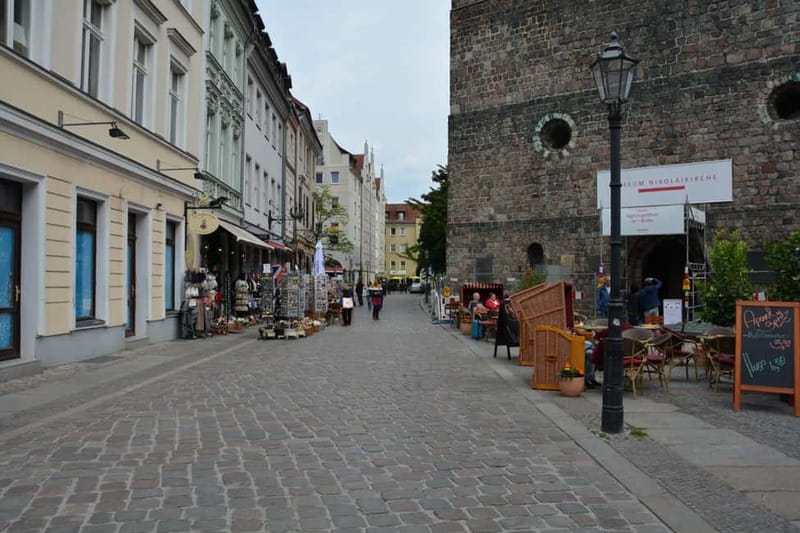
You meet outside the main entrance of the Nikolaikirche Museum, St. Nicholas Church Museum. It’s a helpful starting point because the area immediately signals old Berlin. From there, the tour stays in the historic center zone and builds toward the city’s most famous landmarks.
I like that the meeting point is clear and fixed, with signage to look for. When I travel, I hate standing around with my phone out, trying to figure out which group is mine. Here, you start with a straightforward “in front of the museum entrance” plan.
From the very beginning, your guide frames the big picture. You’re not just walking from photo stop to photo stop. The stories you hear give the next building a job, and that makes the whole walk feel less random and more like learning a route.
Nikolaiviertel and the Spree: seeing Berlin’s beginning without a lecture
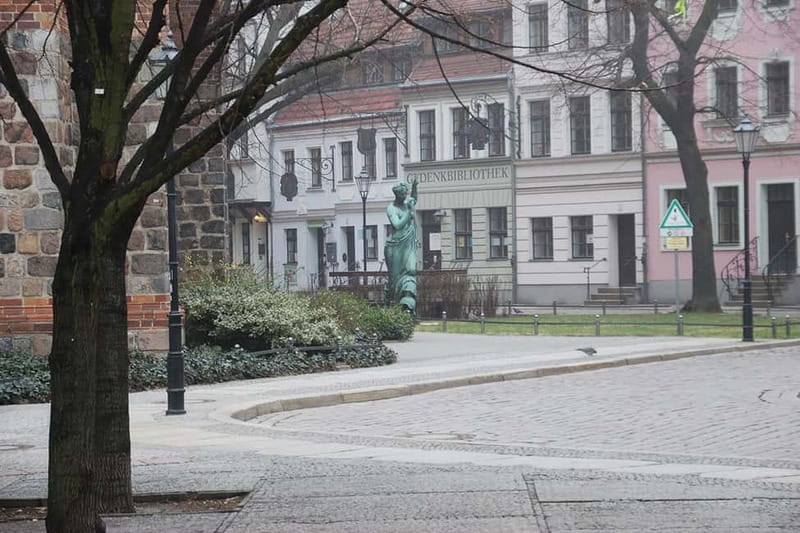
As you head into Nikolaiviertel, the tour shifts into origins. Berlin wasn’t always the capital-sized powerhouse you see today. The guide explains how the city developed from a small trading village on the river Spree. That detail sounds basic, but it changes your perspective fast.
The Spree is more than scenery. It’s part of how Berlin grew, and once you understand that, you start noticing water as a reason, not just a view. As you move along the river, you’ll see how the city’s identity is tied to movement, trade, and later political influence.
A nice bonus here is pacing. This is not a speed-walk tour. It’s designed for real conversations and questions, and the guide’s style shows in the many positive comments about friendliness and helpful answers. Guides like Carlo have been singled out for being warm and for making the time fly with good explanations.
Museum Island and Humboldt Forum: where Berlin’s past gets rebuilt
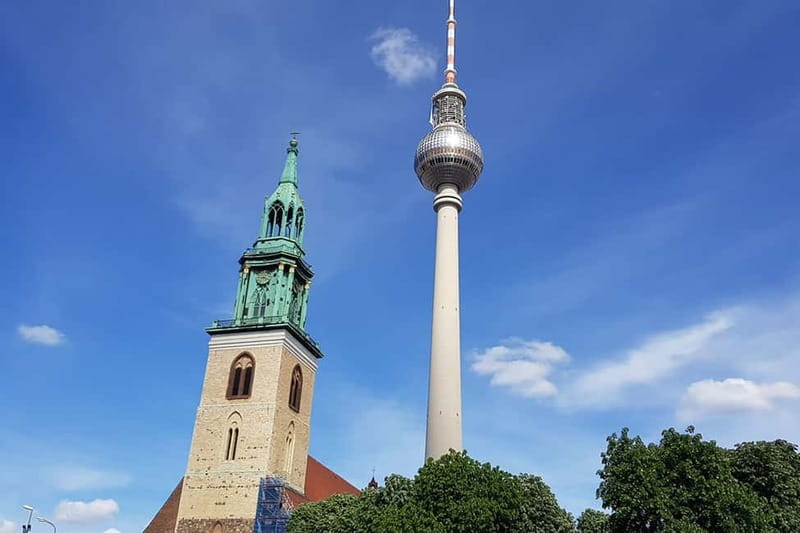
One of the best stretches on this tour is the Museum Island area. You walk along the Spree to reach this cluster, and the guide helps you connect the dots between major institutions and what Berlin tried to be at different points in time.
Expect to see:
- Berlin Cathedral (you’ll stop to look and understand what it represents)
- The Old Museum area (as part of the Museum Island ensemble)
- Humboldt Forum (a major cultural anchor today)
What I find useful is how the tour handles reconstruction and memory. The Berlin City Palace is mentioned as reconstructed near the Forum zone. That is more than an architectural detail. It’s a clue about how Germany has shaped and reshaped public spaces as meanings changed across time.
You’ll also get to learn the “why now” angle. Berlin is full of places where different eras overlap, and this section teaches you how to read those overlaps instead of just snapping a few photos and moving on.
More history walks in Berlin

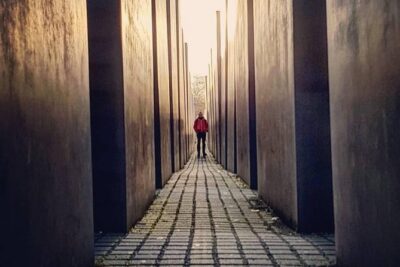

Humboldt University and the State Opera: power, education, and display
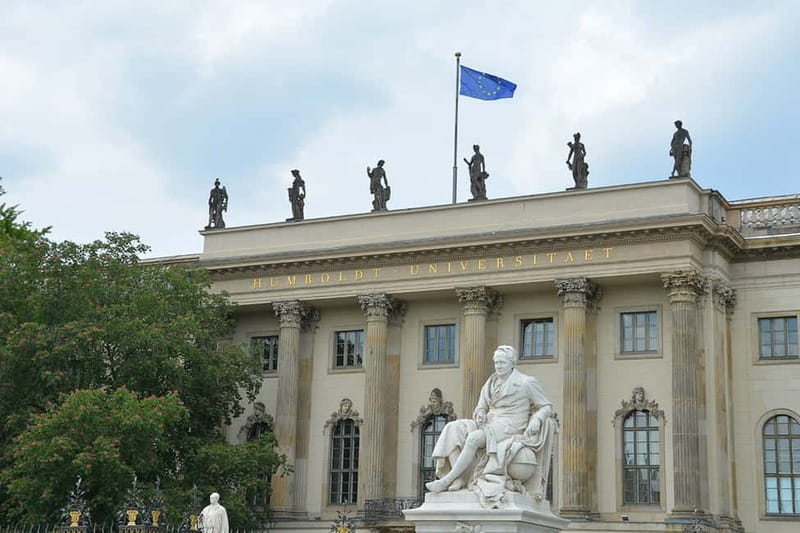
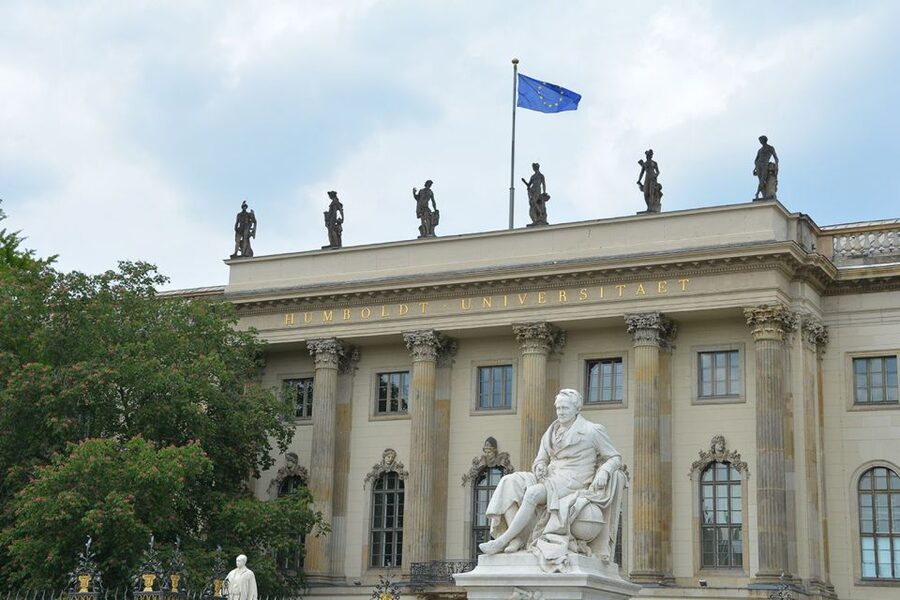
After the Museum Island zone, the walk continues through areas tied to German cultural and civic status. Humboldt University is a stop, and even if you don’t go inside, you get context for why the name and location matter.
Then the route points you toward the Berlin State Opera. This is one of those landmarks where the building alone can feel impressive, but the guide’s job is to make that impression meaningful. You learn how these institutions sit inside a larger story about court power and public cultural identity.
If you care about architecture and symbolism, this is where the tour starts to feel more than convenient. You’re watching how a city displays authority: through education, through performance halls, through monumental civic projects.
And if you don’t care about the details, that’s okay too. The guide is set up to keep explanations clear and connected to what you’re actually seeing, so you don’t get lost in jargon.
Unter den Linden: the old boulevard that still organizes the city
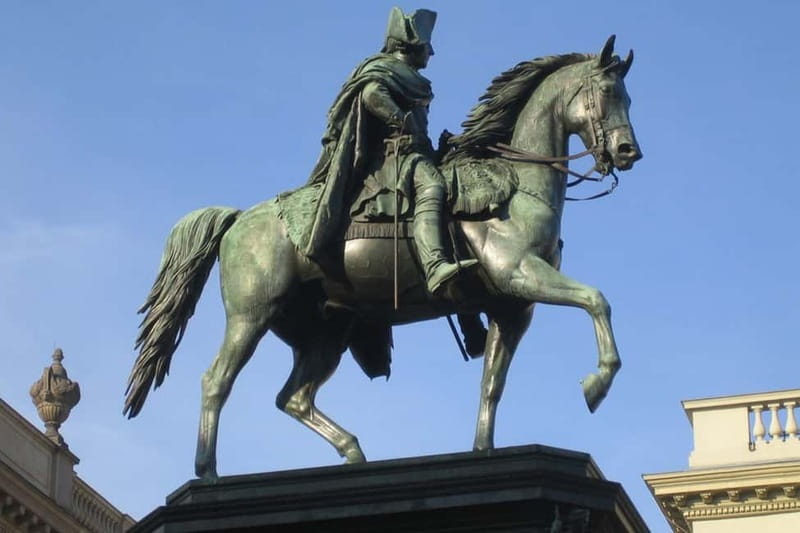
Unter den Linden is one of the best-known walking corridors in Berlin, and you get a proper look at it here. This section is a highlight because it links multiple landmarks that otherwise might feel separate in your mind.
You’ll see major reference points like:
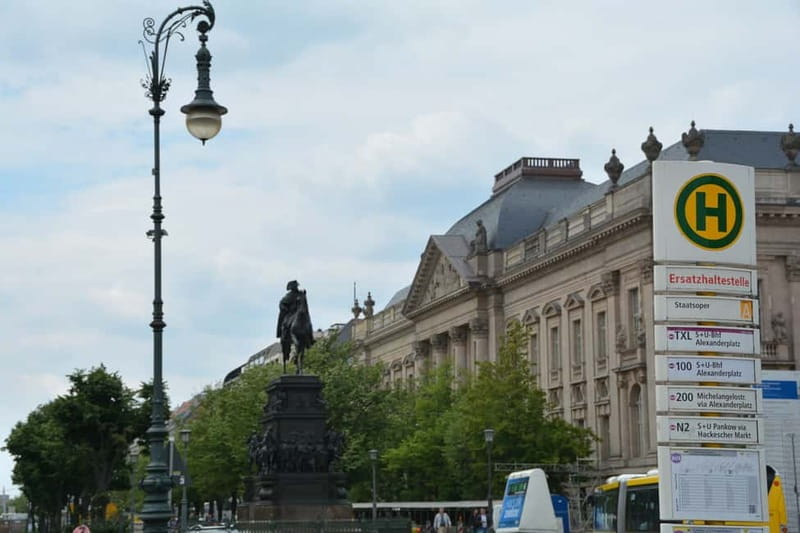
- The Equestrian Statue of Frederick the Great
- St. Hedwig’s Cathedral
- Humboldt University area views again as the boulevard frames it
- The State Opera as part of the boulevard’s identity
What I like about this stretch is that it shows Berlin as an ordered city. Even if you’re not an architecture nerd, you’ll feel the structure: boulevard lines, civic buildings, and “this is where influence shows itself” design choices.
It also helps your navigation later. After you walk Unter den Linden with a guide, you’re less likely to feel turned around when you start exploring on your own. You’ll recognize the city’s backbone.
Berlin Cathedral and the royal-era core: why these buildings feel so serious
The tour includes a stop at Berlin Cathedral. Even from outside, this is one of the most striking church-and-state visual statements in central Berlin. A quick pause with a guide makes a huge difference because you’re not just admiring stone. You’re learning the role such places played in shaping identity.
The route then continues across the Schlossbrücke area into the historical center of Berlin, connected with the times of kings and emperors. This is a practical stop for first-timers. You learn what to look for, like how grandeur gets built into urban planning.
One detail that makes the entire walk feel grounded is that it’s guided with a timeline mindset. You’re not only seeing “what” is there, but also “when” and “why it mattered.” That’s the difference between a sightseeing stroll and a tour that gives you lasting context.
Berlin’s highest building moment: the Television Tower reference point
The tour also includes a moment that points you to Berlin’s Television Tower. It’s mentioned as part of what you’ll see, and it’s a smart addition because it reminds you that Berlin is not only historical. The city’s skyline has modern markers too.
Even if you only get views from certain angles, this kind of stop works well in a short walking tour. It gives you a visual anchor that you can remember for later days when you’re trying to judge distance and direction.
Brandenburg Gate: the finale that explains reunification, not just photos
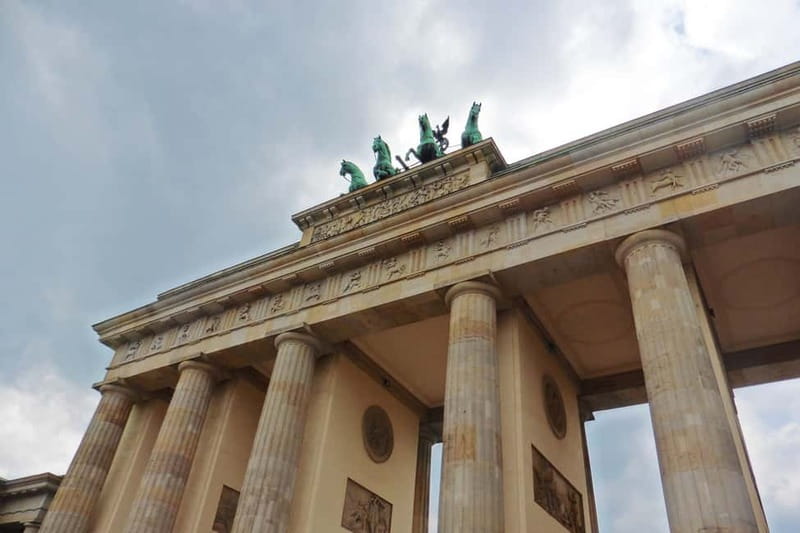
The walk ends at Brandenburg Gate, one of Berlin’s best-known symbols. This final portion is guided, so you don’t just stand there reading signs. You get the moving story behind why it became the focal point for reunification in 1990.
This matters because Brandenburg Gate is often treated like a postcard. Here, you get the political and emotional weight, including how the site fits before, during, and after Berlin’s division. When you understand that, the landmark stops being a single image and becomes a chapter in a larger national story.
You’ll also feel the payoff of the earlier stops. After walking from the Spree origins, through Prussia-linked power zones, and into the boulevard and civic core, Brandenburg Gate lands in your mind as the logical endpoint of the walk’s storyline.
Price and time: is $44 worth a 2-hour walking tour?
At $44 per person for about two hours, you’re paying primarily for guide time and a curated walking route. You’re not paying for tickets to museums or long indoor time, since food and drinks are not included and the focus is on seeing and learning on foot.
So what’s the value? This tour is most worth it if you want the shortcuts that locals take. Instead of spending your first day trying to figure out how Prussia ties into the present city, or which landmarks represent which era, you get that structure from the start.
Also, the tour has a strong reputation for friendly, engaging guides who handle questions well. That matters because the best “value” in a walking tour is not the number of sites, it’s how well you understand what you’re seeing while you’re there.
If you’re the type who enjoys asking random questions like why a building was rebuilt or what that statue signals, this is the kind of tour that pays you back fast.
What to bring, and how to plan your walking day
Wear comfortable clothes and shoes that can handle city sidewalks. This is a real walk, and you’ll be on your feet through multiple historic zones.
Two more planning points matter:
- The tour runs in all weather conditions, including public holidays. Berlin weather can change quickly, so dress like it might rain, even if the forecast looks fine.
- It’s a two-hour format, so it’s better as an orientation stop early in your trip. That way, you can use the map in your head later when you explore independently.
If you’re traveling with limited mobility, note that the tour is marked wheelchair accessible. Still, bring this information to your decision-making realistically, and you might want to check with the provider if you have very specific mobility needs.
Who this tour fits best, and who might want something else
This tour fits best if:
- You’re visiting Berlin for the first time and you want an easy way to build direction fast
- You want the big monuments explained in a connected story, not in isolated facts
- You prefer walking and learning together rather than taking the city by car
It might be less ideal if:
- You want deep museum time inside multiple venues, because this is primarily a guided walking experience
- You get restless in structured tours and prefer a free-form itinerary
If your goal is to get your bearings and understand the city’s political and cultural timeline, you’ll likely enjoy this format a lot. And if you like conversational guiding, the positive mentions of Carlo’s friendliness and his willingness to answer questions make this especially appealing.
Should you book this Berlin Mitte walking tour?
Yes, if you’re starting your Berlin trip and you want a guided route that explains why the landmarks exist and what changed over time. The combination of Spree origins, Museum Island institutions, Unter den Linden’s royal-era feel, and a guided Brandenburg Gate finale gives you a strong narrative spine in just two hours.
I’d book it if you care about history beyond the usual headlines, because the tour is framed from Berlin’s early development through Prussia and into reunification. I’d also book it if you like the human side of touring. When guides like Carlo are praised for being warm, clear, and question-friendly, that usually means you’ll have a better time than simply following instructions.
If your ideal day is mostly quiet and free, skip it and build your own route. But if you want a smart start that helps the rest of your Berlin trip click into place, this is a very solid choice.
FAQ
Where do I meet the guide?
You meet in front of the main entrance of the Nikolaikirche Museum (St. Nicholas’ Church Museum). Look for the tour guide with the Get Your Guide – You in Berlin flag.
How long is the Berlin Historic Center walking tour?
The tour lasts about 2 hours.
What language is the tour guide?
The live tour guide speaks English.
Is the tour wheelchair accessible?
Yes, the activity is listed as wheelchair accessible.
What should I bring for the walk?
Bring comfortable shoes and comfortable clothes.
What happens if the weather is bad?
The tour takes place in all weather conditions and on public holidays.
What is included in the ticket price?
You get a professional city tour guide and a walking tour. Food and drinks are not included.
The Longer History of Berlin
Pavements of Berlin
Everything else we filed on Berlin
- East Berlin: City of Shadows Walking Tour
★ 5.0 · 11 reviews - Berlin: Die Stachelschweine – Frank Lüdecke – Träumt Weiter
★ 4.7 · 11 reviews - Potsdam Day Trip from Berlin with a Local: Private & Personalized
★ 4.0 · 11 reviews - An Introduction to Berlin Walking Tour
★ 5.0 · 11 reviews - DJ for a Day: Learn to Mix Like a Pro in Berlin
★ 5.0 · 11 reviews - 2-H Segway Sightseeing Tour Berlin
★ 4.5 · 11 reviews
Historical Tours, side by side.
 ★ 4.7Leipzig: City History Canal Sightseeing Tour on a MotorboatFrom $186,232 reviews
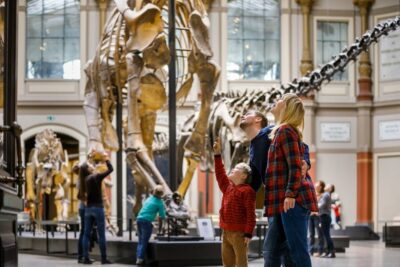 ★ 4.6Berlin: Natural History Museum Entrance TicketFrom $123,382 reviews
 ★ 4.7Leipzig: 1.5-Hour Historical Walking Tour in GermanFrom $172,217 reviews
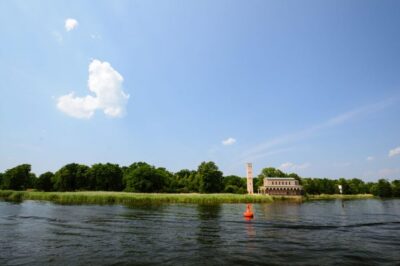 ★ 4.5Berlin: World Heritage Cruise to PotsdamFrom $251,435 reviews
 ★ 4.7Heidelberg: Night Watchman Historic Adventure TourFrom $3051,186 reviews
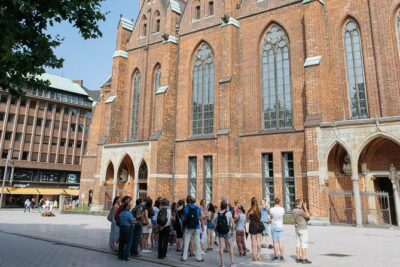 ★ 5.0The Local Tour of Hamburg Historic CentreFrom $31,058 reviews
 ★ 4.8Elbfloren: Historical city tourFrom $15819 reviews
 ★ 4.6Bamberg: Guided Beer History Tour with Optional TastingFrom $21772 reviews
Other lists this tour is on