
REVIEW · HISTORICAL TOURS
Berlin History Walking Tour with a French-Speaking Guide
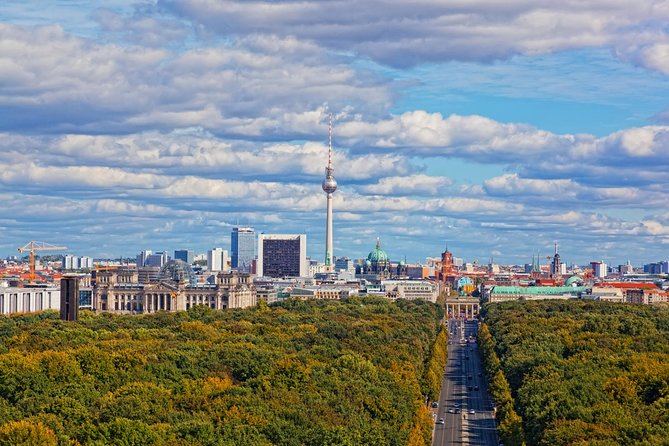
Berlin history hits hard in small steps. This walking tour strings together the places that shaped 20th-century Berlin, from WWII aftermath to Cold War theater, with a French-speaking guide keeping you oriented. You get the big landmarks too, like Brandenburger Tor, but with context so photos feel meaningful, not random.
I especially like two things: first, the way the guide answers questions and keeps the pacing smooth for first-timers, with praised hosts like Anouk, Arthur, and Martin. Second, the tour includes key admissions, including Hitler’s Bunker and the Holocaust Memorial, so you are not hunting tickets or missing the most important stops.
One consideration: parts of this walk are intentionally somber, and you should be ready for emotionally heavy ground. Also, there is no mention of audiophones, so if you struggle to hear in outdoor groups, plan to stand closer to the guide.
In This Review
- Key points worth knowing before you go
- Getting your bearings at Potsdamer Platz (and why it matters)
- Checkpoint Charlie: Cold War tension, explained in plain terms
- Fuhrerbunker: understanding the site without sensationalism
- Holocaust Memorial: why timing and attention matter
- Unter Den Linden and Bebelplatz: war scars, emperors, and burned books
- Museum Island and the closing stretch toward Brandenburger Tor
- French guidance that actually keeps you engaged
- Price and tickets: what you get for about $27.81
- Who this Berlin History Walking Tour suits best
- Should you book this Berlin history walk?
- FAQ
- What is the duration of the Berlin History Walking Tour?
- Where does the tour start and end?
- What time does the tour depart?
- Is the tour guided in French?
- Are tickets included for the main attractions?
- What is the price per person?
- What does the ticket include?
- Is transportation or food included?
- Does the tour run in bad weather?
Key points worth knowing before you go
- A first-timer route that actually connects the dots, not just a grab bag of sights
- Admissions are included for major sites like Hitler’s Bunker and the Holocaust Memorial
- French-only guiding, led by experienced co-op guides such as Anouk, Arthur, Martin, Paul, and Céline
- 3 hours that end in time for lunch, so you can keep your day moving
- Small group size (max 25), which usually makes Q&A easier
Other walking routes through Berlin
- Berlin: Third Reich and Cold War 2 Hour Walking Tour★ 4.9 · 6,830 reviews
- Berlin: Discover Berlin Walking Tour★ 4.9 · 5,998 reviews
- Berlin’s Best: 2 Hour Walking Tour Third Reich and the Cold War★ 5.0 · 5,486 reviews
- Berlin: Hidden Backyards Guided Walking Tour★ 4.8 · 5,360 reviews
Getting your bearings at Potsdamer Platz (and why it matters)
The tour starts at Potsdamer Platz, right at Potsdamer Platz 10, so you begin in a modern Berlin hub instead of wandering in circles. This is a smart move because Potsdamer Platz sits at the crossroads of old and new Berlin. In just the first stop, you get a sense of how much the city has been rebuilt, and why the WWII and Cold War story is not just in museums.
At this stage, you are also getting your rhythm. The walk format means you cover ground on foot, not by bus. That matters because Berlin can feel huge if you only visit by taxi and hit a list of monuments. Here, you get a guided line through the city, and the guide can point out how different eras overlap.
If you like structure, this beginning helps a lot. One of the most common benefits in the feedback is that guides stay organized and keep a steady pace, so you do not feel like you are being dragged from one stop to the next.
Practical tip: wear shoes you can stand in for a bit, because the first stretch is all about getting your head around the city’s timeline.
Checkpoint Charlie: Cold War tension, explained in plain terms
Next up is Checkpoint Charlie, the Cold War site that became shorthand for East vs West confrontation. Even if you already know the basic story from books, this kind of walking stop works because the guide can explain what made this place symbolic for four decades.
This is the kind of stop where it is easy to overfocus on a single photo. But the guide’s job is to help you see it as a whole system, a reminder that borders were not just lines on a map. You get a quick, focused visit that keeps moving, without turning it into a long history lecture you cannot keep up with.
The tour includes a ticket here, which is a good sign for value. It also means you are not waiting around for people to catch up. If you want your Berlin day to run smoothly, those small time-savers add up.
If you have questions, this is also a good moment to ask. Guides in this co-op are repeatedly praised for answering thoughtfully, and Checkpoint Charlie is exactly the sort of place where one detail can unlock the whole story.
Fuhrerbunker: understanding the site without sensationalism
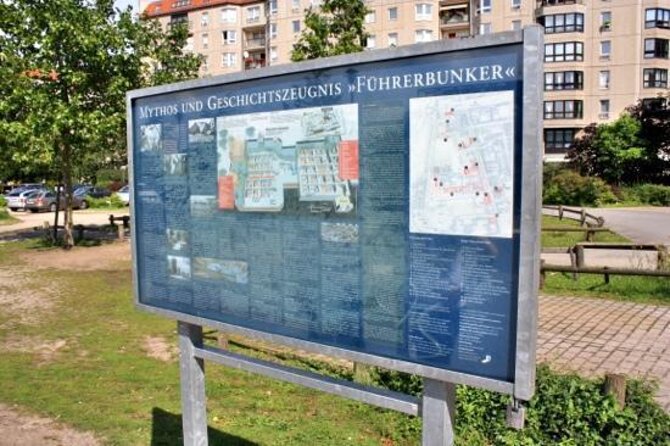
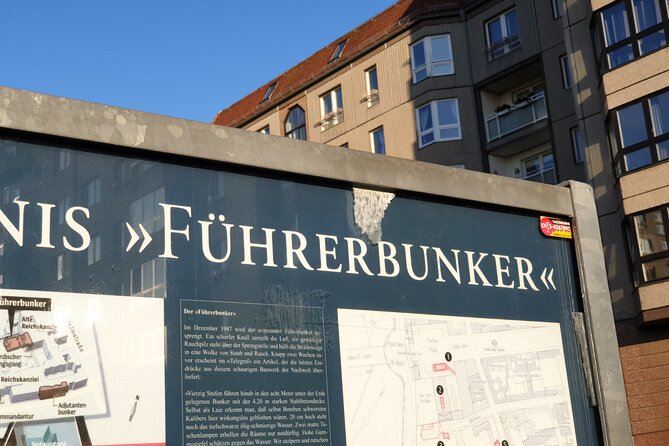
Then comes Fuhrerbunker, the place where Hitler spent his last days. This is a heavy stop. The difference between a good visit and a bad one is how you are guided through it. Here, the emphasis is on meaning, why the place is what it is today, and what it represents now.
You are not just looking at a grim reference point. The guide helps connect it back to the larger WWII collapse and the way Berlin’s physical landscape reflects what came after.
This stop includes admission, which is important. Sites tied to WWII are often easy to misunderstand without context. Being able to enter as part of the tour keeps your visit grounded and saves time.
A balanced expectation: the guide should give you context, but you should still be prepared to pause and take it in. If you are easily overwhelmed by war-related subject matter, it helps to know this is part of the route before you commit.
Holocaust Memorial: why timing and attention matter
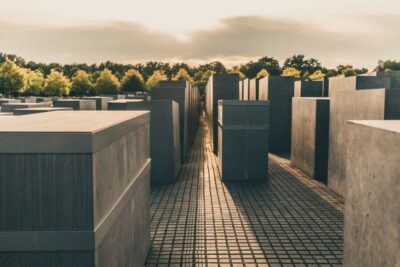
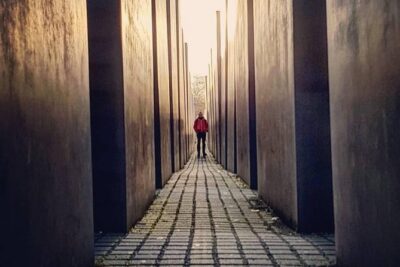
After Fuhrerbunker, you reach the Holocaust Memorial, the Memorial to the Murdered Jews of Europe. This is the emotional centerpiece of the whole walk. It is not a place you rush. The tour gives it enough time to let the guide’s storytelling land, and it includes admission so you are fully set up for the experience.
What I value about this stop is that it is framed as remembrance, not sightseeing. The guide shares stories and explanations meant to help you hold the scale and intent of the memorial, and the atmosphere does the rest.
This is one of the places where a French-speaking guide is more than a language perk. When the details are explained clearly, you are less likely to treat the visit like a photo break. Instead, you understand what you are looking at and why it is designed the way it is.
Tip for your own experience: keep your phone put away for the first few minutes. Let your eyes adjust, then you can take photos if you still want them.
More history walks in Berlin
Unter Den Linden and Bebelplatz: war scars, emperors, and burned books
From the Holocaust Memorial, the tour shifts into a different kind of Berlin education: how architecture shows time. Unter Den Linden is a grand avenue, once connected to imperial access, and the guide walks you through how you can recognize different construction periods and the wounds left by the war.
This stop is where the tour becomes useful even if you have already read about Berlin. The guide’s job is to point out the physical clues so the city starts telling its own story. Instead of you guessing which buildings are older or newer, you learn what to look for.
Then comes Bebelplatz. This square is tied to two different memories: the burning of books during the Nazi dictatorship and the presence of Humboldt University, plus the nearby Catholic Cathedral. It is a strong example of how one location can carry layers, even when the message is ugly.
You get a short visit here, with admission included. That short time can work well because the guide is not trying to turn the square into a full lecture. It is more like a sharp, well-timed lesson that sets up what you will see next.
Museum Island and the closing stretch toward Brandenburger Tor
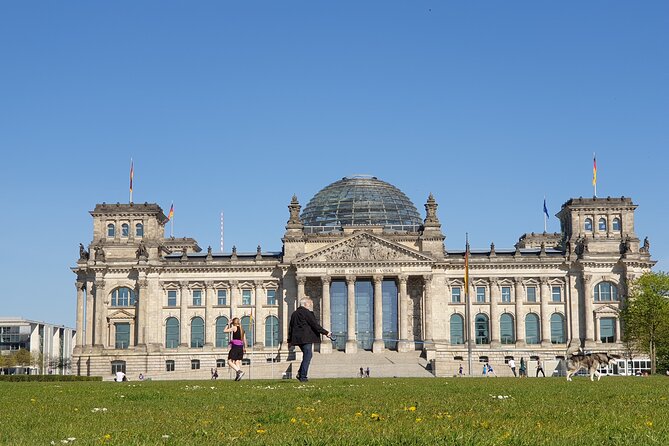
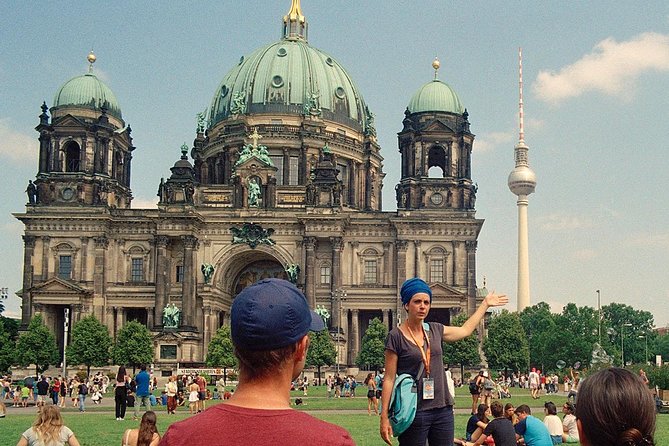
The tour continues toward Museum Island, near Alexanderplatz, and wraps up in the Museum Island area. The goal here is to finish in a part of the city that feels central and easy to navigate after the tour. You get access to meaningful architecture and context, including the Berliner Dom and the rebuilt Humboldt Forum area.
This segment also helps if you want your remaining afternoon to be flexible. After three hours on foot, you do not want to be stranded far from transport. Ending in this area gives you choices for lunch, museums, or just wandering.
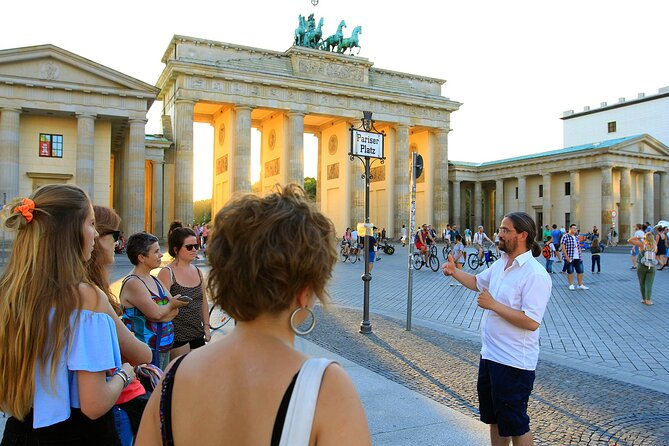
Brandenburger Tor is included as the iconic photo moment at the later stage of the route. The guide ties its meaning from a symbol of kingly strength to a Cold War icon and then into reunification symbolism. That “story arc” is what makes this stop work. Without it, the gate is just another landmark. With it, you see why Berlin keeps returning to this spot again and again.
Practical tip: if your goal is photos, plan to step a half-pace away from the flow so the group can pass, then grab your shot without blocking others.
French guidance that actually keeps you engaged
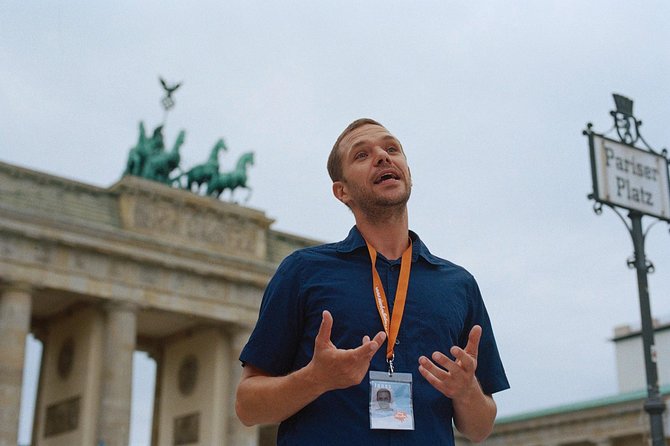
The headline feature here is that the guide is professional and speaks French. But the bigger win is how the guidance tends to work in real life: clear explanations, good pacing, and a real willingness to answer questions.
In the feedback, guides like Anouk, Martin, Arthur, Paul, and Céline show up again and again as strong communicators. People also note that the tours run close to the promised length and leave enough time to grab lunch afterward. One review even mentioned the walk lasting a bit longer than the stated time, but still starting and ending as expected, which suggests the operation stays organized.
One small caution to keep in mind: there is a request in the feedback for audiophones. Since you are outdoors and in a group, your hearing will depend on where you stand. If you know you struggle to hear guides in open air, try to get near the front early and be ready to focus.
Price and tickets: what you get for about $27.81
At around $27.81 per person for a roughly 3-hour guided walk, this tour can feel like a bargain if you compare it to piecing together your own day. The reason is simple: admissions matter here.
The tour includes tickets for key stops, including Hitler’s Bunker and the Holocaust Memorial. It also includes admissions for other listed stops and ticket coverage is noted as included or free depending on the site. Even if you never plan to “collect admissions,” bundled access is how you save time and reduce stress.
You also get local taxes and a professional guide. And you are walking a route that includes major Berlin highlights, Cold War markers, and modern city landmarks. For first-time visitors, that combination is often worth more than you expect, because it prevents wasted hours.
My value take: if you want the serious sites covered properly, this format is efficient. If you already know Berlin deeply and prefer self-guided wandering, you might not need a guided route. But for most people, the guide plus included admissions is a strong deal.
Who this Berlin History Walking Tour suits best
This walk is ideal for:
- First-time visitors who want the story behind the landmarks
- Anyone who prefers walking routes over museum-only sightseeing
- People who want a French-speaking guide and enjoy asking questions
- Travelers who want a clear end point in the Museum Island area, close to more plans
It is less ideal for:
- Anyone who needs a quiet, low-emotion experience, because the Holocaust Memorial and WWII sites are part of the route
- People with hearing challenges in outdoor group settings, since there is no mention of audiophones
- Visitors who want minimal walking, because this is a full-on walking tour with multiple stops
One more note: you get a small group cap (max 25). That usually makes the experience feel more human, not like a cattle call. It also improves your odds of getting your questions answered.
Should you book this Berlin history walk?
I think you should book it if you want a practical, high-impact introduction to Berlin that goes beyond surface photos. The mix of Potsdamer Platz, Checkpoint Charlie, Fuhrerbunker, the Holocaust Memorial, Unter Den Linden, Bebelplatz, Museum Island, and Brandenburger Tor is a very efficient way to cover the WWI I and Cold War backbone of the city, then end where you can keep exploring.
Skip it only if you already have a strong grasp of Berlin’s timeline and you prefer independent pacing, or if you know the WWII and Holocaust-related stops will be too heavy for your day.
FAQ
What is the duration of the Berlin History Walking Tour?
The tour lasts about 3 hours.
Where does the tour start and end?
It starts at Potsdamer Platz 10, 10785 Berlin, Germany. It ends next to Museum Island (Museumsinsel, 10178 Berlin, Germany).
What time does the tour depart?
The start time is 10:00 am (morning departure).
Is the tour guided in French?
Yes, the tour operates in French.
Are tickets included for the main attractions?
Admission tickets are included for sites listed as included, including Hitler’s Bunker and the Holocaust Memorial. Some stops are listed as free, such as Checkpoint Charlie and Museum Island.
What is the price per person?
The price is $27.81 per person.
What does the ticket include?
It includes the local taxes, the local guide, and a professional French-speaking guide. Admissions are included where specified.
Is transportation or food included?
No. Transportation to and from attractions and food and drinks are not included. Tips are also optional.
Does the tour run in bad weather?
Yes, it operates in all weather conditions, so you should dress appropriately.
The Longer History of Berlin
Pavements of Berlin
Everything else we filed on Berlin
- East Berlin: City of Shadows Walking Tour
★ 5.0 · 11 reviews - Berlin: Die Stachelschweine – Frank Lüdecke – Träumt Weiter
★ 4.7 · 11 reviews - Potsdam Day Trip from Berlin with a Local: Private & Personalized
★ 4.0 · 11 reviews - An Introduction to Berlin Walking Tour
★ 5.0 · 11 reviews - DJ for a Day: Learn to Mix Like a Pro in Berlin
★ 5.0 · 11 reviews - 2-H Segway Sightseeing Tour Berlin
★ 4.5 · 11 reviews
Historical Tours, side by side.
 ★ 4.7Leipzig: City History Canal Sightseeing Tour on a MotorboatFrom $186,232 reviews
 ★ 4.6Berlin: Natural History Museum Entrance TicketFrom $123,382 reviews
 ★ 4.7Leipzig: 1.5-Hour Historical Walking Tour in GermanFrom $172,217 reviews
 ★ 4.5Berlin: World Heritage Cruise to PotsdamFrom $251,435 reviews
 ★ 4.7Heidelberg: Night Watchman Historic Adventure TourFrom $3051,186 reviews
 ★ 5.0The Local Tour of Hamburg Historic CentreFrom $31,058 reviews
 ★ 4.8Elbfloren: Historical city tourFrom $15819 reviews
 ★ 4.6Bamberg: Guided Beer History Tour with Optional TastingFrom $21772 reviews
Other lists this tour is on