
REVIEW · HISTORICAL TOURS
Berlin Sightseeing Musical-Historical Walking Tour
Berlin has a soundtrack. This walk strings together music and major landmarks across centuries and political turning points.
I like that you get both the big-picture sites and a music-driven way to “hear” them, from older styles to modern beats. The main caveat is that the experience is audio-first, so the human guide mainly helps with direction, and a technical hiccup with the headphones can throw off the rhythm of the group.
In This Review
- Key highlights at a glance
- Entering Berlin through music, starting at Alte Nationalgalerie
- Museum Island: the cultural stage where Berlin learns to perform
- Humboldt University of Berlin: where ideas and songs meet
- Gendarmenmarkt: elegance outside, political edge underneath
- Trabi Museum: when Berlin’s sound turns into street-level memory
- Potsdamer Platz: a historical hinge you can feel
- Holocaust Memorial: listening, then actually taking in the place
- Brandenburg Gate and Reichstag: Berlin’s chorus at the political center
- White Crosses finish: ending with Berlin’s last spoken beat
- Price and value for a headphone-led 3-hour walk
- Who this tour is best for
- A quick heads-up about the audio-first format
- Should you book this Berlin musical-historical walking tour?
- FAQ
- How long is the Berlin Sightseeing Musical-Historical Walking Tour?
- Where does the tour start?
- What should I bring?
- Are headphones included?
- What languages are available?
- Does the tour run in bad weather?
- Is the tour wheelchair accessible?
- Where does the tour end?
Key highlights at a glance
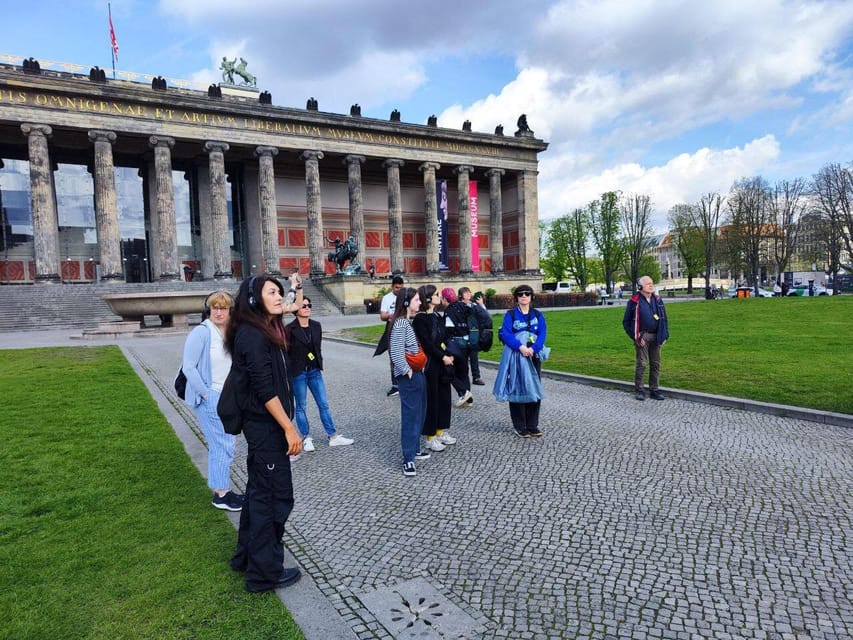
- Headphones + music-mixed audio guide in English, German, and Russian for the full story
- A focused 3-hour route hitting Museum Island, Humboldt University, Gendarmenmarkt, Potsdamer Platz, and more
- A tour concept that connects historical events to changing musical styles
- Plenty of landmarks that shaped Berlin’s public life, from learning and culture to politics and remembrance
- A finish at White Crosses, so you end with the story still in your head
Other walking routes through Berlin
- Discover Berlin Half-Day Walking Tour★ 5.0 · 9,624 reviews
- Berlin: Third Reich and Cold War 2 Hour Walking Tour★ 4.9 · 6,830 reviews
- Berlin: Discover Berlin Walking Tour★ 4.9 · 5,998 reviews
- Berlin’s Best: 2 Hour Walking Tour Third Reich and the Cold War★ 5.0 · 5,486 reviews
Entering Berlin through music, starting at Alte Nationalgalerie
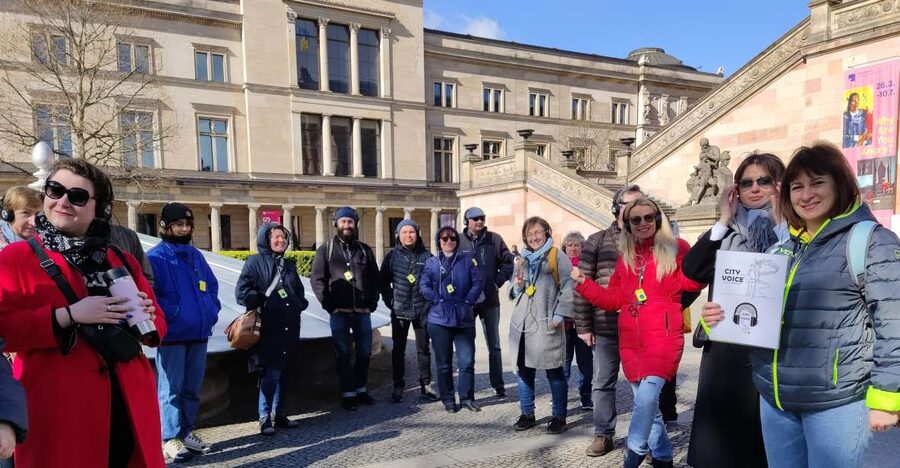
You meet at the entrance to Alte Nationalgalerie. Arrive about 10 to 15 minutes early and look for the guide holding a headphone sign, so you can lock in your starting point fast.
The tour’s format is built around sound. Your headphones play an audio guide mixed with music, and the landmarks act like chapters you move through at walking pace. Since the tour runs rain or shine, wear shoes that handle wet pavement and bring clothes you can stand in for a while.
This is also the part where you should set expectations. The most reliable way to get the value is to treat this as a guided walk with audio storytelling, not a lecture where you debate details with a professor. If you like being guided by sound and atmosphere, you’ll probably enjoy how the city sounds change as you pass each landmark.
Museum Island: the cultural stage where Berlin learns to perform
The first major stop is Museum Island, with about 20 minutes of guided time plus walking. Even if you already know the site name, it’s hard not to feel the institutional weight here. Museums are not just buildings. They are a statement about what a society wants to preserve and show.
This stop sets the tone for the whole tour: history is told as a chain of public voices. You’ll connect architecture and civic intent to the way music was shaped by educated audiences, patronage, and the culture of performance.
One practical tip: Museum Island areas can feel open and exposed, depending on weather. If it’s cold or wet, plan for a quick layer adjustment as you move between listening moments.
Humboldt University of Berlin: where ideas and songs meet
Next you walk to Humboldt University of Berlin for another 20 minutes. This is a smart move in the tour’s logic, because a university doesn’t just teach facts. It helps create the thinking and the audiences that music needs to matter.
In a sound-based tour, universities also work well because they bring an “ear for context.” You can understand why certain musical styles flourished when education, publishing, and public events supported them. The tour’s theme, changing from classical oratorios to hip-hop, becomes easier to track when you see the educational roots behind the modern city.
If you want to get extra value, slow down for a minute before your next audio segment. Read the surroundings with your eyes while the audio speaks. That small pause helps the stories stick.
Gendarmenmarkt: elegance outside, political edge underneath
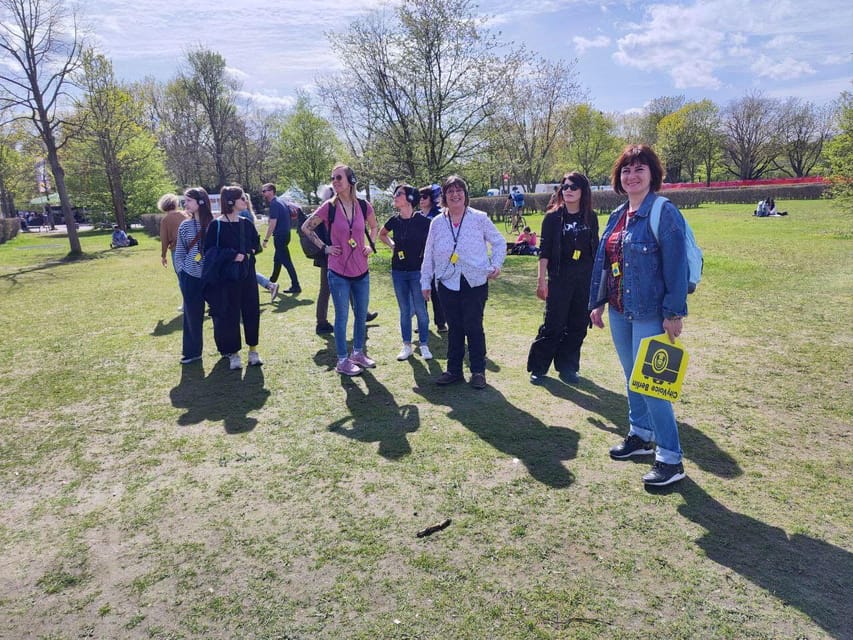
You spend about 30 minutes at Gendarmenmarkt. This is one of those Berlin squares where beauty and order feel intentional, like the city designed the space for public gathering. In a tour that connects music to history, squares like this matter because they host the social parts of music: announcements, ceremonies, and public life.
The payoff here is perspective. You start realizing that Berlin’s “voice” is not only in theaters and concert halls. It’s also in how people gather and how power projects itself in architecture and ceremony.
The drawback is simple: squares mean more open sight lines, which also means more wind. If you’re sensitive to cold, bring a hat or something light you can pull on without slowing the group.
More history walks in Berlin


Trabi Museum: when Berlin’s sound turns into street-level memory
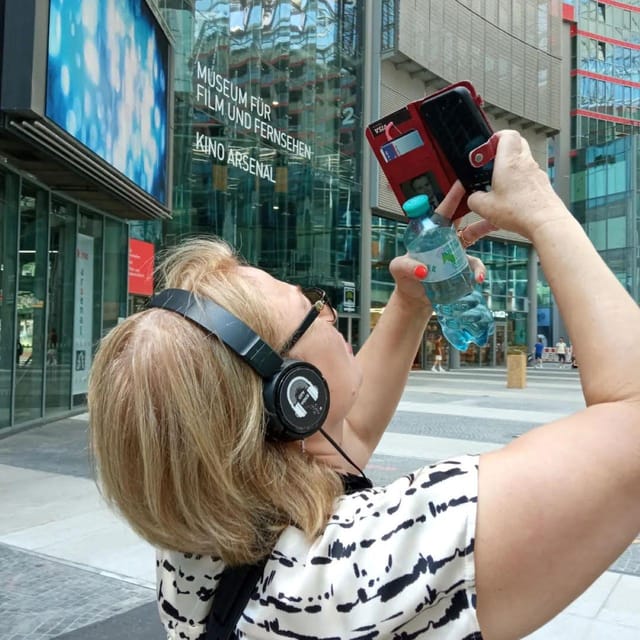
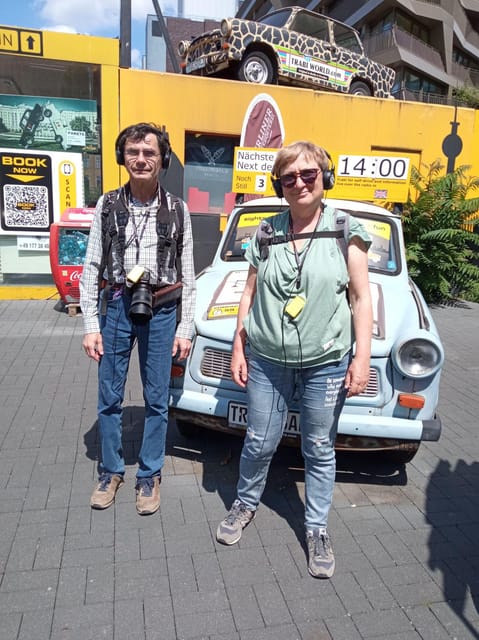
At the Trabi Museum, you get about 20 minutes. This stop is important because it drops the story out of pure official culture and into daily life. Vehicles, everyday technology, and pop culture all shape what a city “sounds like” over time.
This is also where the tour’s music idea becomes less abstract. The audio concept moves across decades, and the Trabi Museum stop gives you a concrete anchor: Berlin’s modern identity includes quirky, mass-market icons as much as it does monumental institutions.
If you care about photography, you’ll likely find plenty of angles here because the subject matter feels more colorful and human-scale than the grand facades of other stops. Still, keep an eye on the walking flow, because the tour moves from stop to stop without long gaps.
Potsdamer Platz: a historical hinge you can feel

Next comes Potsdamer Platz for about 20 minutes. This area is a perfect match for a music-and-history tour because it represents turning points in how Berlin moves forward, how it rebuilds, and how public life gets reorganized.
As you listen through your headphones, you can make the story practical. Instead of asking only what happened, you can ask how the city’s public rhythm changed: who had access, which stories became visible, and how new audiences formed.
A small consideration: this area can feel like it has a lot happening at once, even while you’re listening. Keep your focus on the audio cues. If you try to watch everything at once, you’ll miss the sequencing the tour is built on.
Holocaust Memorial: listening, then actually taking in the place
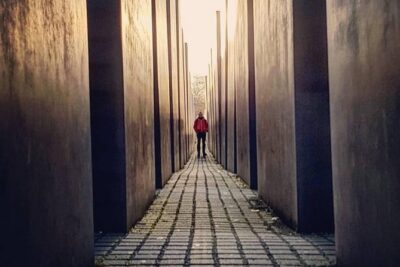
The Holocaust Memorial stop runs about 20 minutes. This is the kind of location where you’ll want your attention settled. Even if the audio is playing, let the physical space do some work. The audio can guide meaning, but the memorial also asks for quiet respect.
This is also where the tour’s theme gets heavy in a good way. The idea that music became an engine of history does not mean music fixes everything. It means art and voice become survival tools, propaganda instruments, and cultural records. You’ll likely feel the contrast between earlier “public life” stops and remembrance.
I’d treat this stop as a chance to slow down your walking mind. Stand, listen, and absorb the memorial layout for a full segment, not just the first minute.
Brandenburg Gate and Reichstag: Berlin’s chorus at the political center
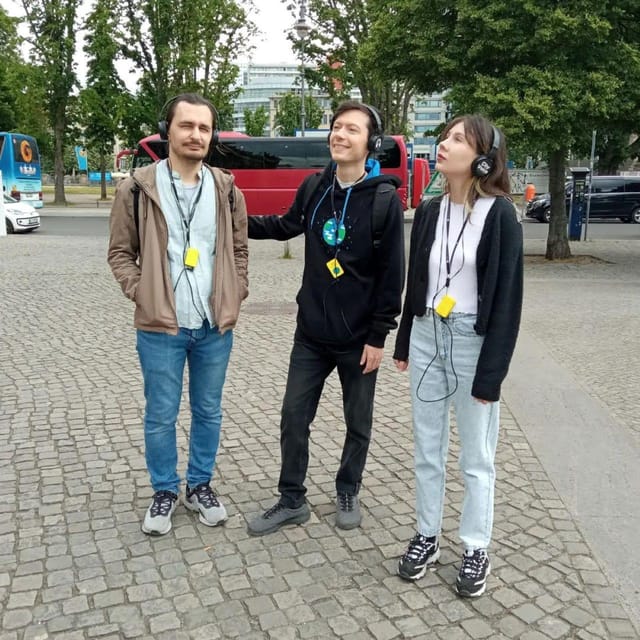
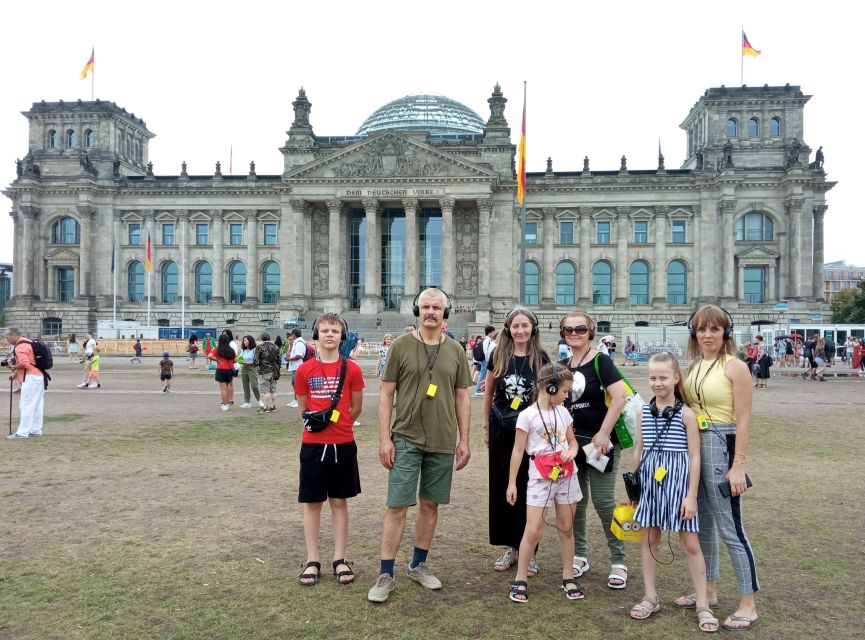
You then head to Brandenburg Gate for about 20 minutes, followed by the Reichstag for another guided segment of about 20 minutes.
These stops are classic, but the tour’s angle is what makes them more than checklist sightseeing. When you connect them to changing musical styles across decades, the gate and the parliament start to feel like stages for collective emotion. Music is often how societies process slogans, fear, pride, hope, and grief.
Brandenburg Gate works well for audio listening because it’s a landmark people recognize from photos. That familiarity reduces the mental load and lets you focus on the sound narrative. At Reichstag, the story shifts toward political identity and how public speech becomes institutional, then symbolic.
Practical note: these are popular landmarks. If you notice groups clustering, don’t fight for a perfect view at every second. Keep moving, let the audio keep time, and you’ll still collect the key moments.
White Crosses finish: ending with Berlin’s last spoken beat
The tour ends at White Crosses, back at the meeting point area. The “finish where the story lands” approach matters. When you stop at a final landmark after the biggest political and remembrance stops, the audio theme can feel like a wrap, not a random loop.
I like that the tour is structured as a complete arc. You are not only moving between sights, you are moving through a concept. By the end, you should have a stronger sense of how Berlin’s music changes with its social and political weather.
Price and value for a headphone-led 3-hour walk
At $40 per person for a 3-hour walking tour, the value depends on one thing: do you like learning by sound?
If you enjoy audio storytelling, the included headphones and the music-mixed guide are doing real work here. You are paying for interpretation, not just walking. The route hits major landmarks like Museum Island, Humboldt University, Gendarmenmarkt, Potsdamer Platz, Brandenburg Gate, and Reichstag, which are not cheap or convenient to piece together on your own without planning.
On the other hand, the format isn’t built for people who want heavy live commentary. One past participant described the human guide as more of a signpost, and that aligns with how the tour is set up. If you’re hoping for constant back-and-forth with the guide, you might find the experience more self-directed than expected.
The good news: because you’re wearing headphones, you control a lot of your listening pace. If you arrive ready and comfortable in your shoes, you can get a lot out of those 3 hours.
Who this tour is best for
This works especially well if you want an easier way to understand Berlin without cramming museum tickets into a single day. It’s also a strong pick if you like the idea of hearing a city’s changing voice through time, from older classical references to modern sounds like hip-hop.
It may not be the best fit if you need step-free access, because it is not suitable for wheelchair users. The tour is also noted as not suitable for people over 70, and since it’s a walking route, comfortable mobility matters.
If you’re traveling with mixed interests, the route can satisfy both sides. Music lovers get the audio concept, and history-lovers still get the high-profile landmarks and the big turning points.
A quick heads-up about the audio-first format
Because your headphones play the audio guide mixed with music, the experience depends on the audio working smoothly. One review mentioned a technical problem that caused frustration, so it’s smart to plan for the possibility that the day could be imperfect.
My practical advice is simple: treat the first few minutes as setup time. Make sure your audio is playing clearly right away, and when a segment ends, don’t get anxious. Just let the guide signal the next move and keep your attention on the sound and the landmark in front of you.
Should you book this Berlin musical-historical walking tour?
Book it if you want a 3-hour, audio-driven way to connect Berlin’s landmarks to music across centuries. The route is built around famous places, and the concept makes you pay attention to how public life changes over time.
Skip it if you mainly want lots of live guiding and continuous conversation with the guide, or if you dislike walking with headphones and following a set listening track. Also, if mobility is an issue for you, pay close attention to the stated limitations.
If you like the idea of hearing Berlin as a story in sound, this tour is a practical, well-paced way to get your bearings and leave with a more personal sense of the city’s voice.
FAQ
How long is the Berlin Sightseeing Musical-Historical Walking Tour?
It lasts 3 hours.
Where does the tour start?
The tour starts at the entrance to Alte Nationalgalerie.
What should I bring?
Wear comfortable shoes and comfortable clothes.
Are headphones included?
Yes. Headphones are included, along with a walking guide.
What languages are available?
The live guide and audio guide are available in English, German, and Russian.
Does the tour run in bad weather?
Yes, it takes place rain or shine.
Is the tour wheelchair accessible?
No, it is not suitable for wheelchair users.
Where does the tour end?
The tour ends back at the meeting point, at White Crosses.
The Longer History of Berlin
Pavements of Berlin
Everything else we filed on Berlin
- Private Photo Tour in Kreuzberg
★ 5.0 · 3 reviews - Kreuzberg Private Walking Tour: Immigrants, Artists & Hipsters
★ 5.0 · 3 reviews - Berlin’s Jewish Heritage: Private Tour of the Vibrant Jewish District
★ 5.0 · 3 reviews - Individual city tour Berlin for max. 8 persons
★ 5.0 · 3 reviews - Berlin & The Third Reich Private Guided Tour
★ 5.0 · 3 reviews - Private Analogue Photography Experience in Berlin
★ 5.0 · 3 reviews
Historical Tours, side by side.
 ★ 4.7Leipzig: City History Canal Sightseeing Tour on a MotorboatFrom $186,232 reviews
 ★ 4.6Berlin: Natural History Museum Entrance TicketFrom $123,382 reviews
 ★ 4.7Leipzig: 1.5-Hour Historical Walking Tour in GermanFrom $172,217 reviews
 ★ 4.5Berlin: World Heritage Cruise to PotsdamFrom $251,435 reviews
 ★ 4.7Heidelberg: Night Watchman Historic Adventure TourFrom $3051,186 reviews
 ★ 5.0The Local Tour of Hamburg Historic CentreFrom $31,058 reviews
 ★ 4.8Elbfloren: Historical city tourFrom $15819 reviews
 ★ 4.6Bamberg: Guided Beer History Tour with Optional TastingFrom $21772 reviews
Other lists this tour is on