
REVIEW · HISTORICAL TOURS
Charité Hospital Walking Tour: Exploring Berlin’s Medical History
Berlin’s medicine had a face, and you can walk to it. This 2-hour Charité Hospital walking tour strings together major names in medical science with the darker ethical turns that happened in Germany too. You’ll move from monuments to historic academic spaces around Charité, with a guide who makes what you see feel connected to real breakthroughs and real consequences.
What I love most is how the stops are specific, like you’re learning from the building itself, not just a slideshow. I also like that it stays small-group and story-driven, so you get context for Robert Koch, Rudolf Virchow, and Albrecht von Graefe without feeling rushed or lost in facts. The main drawback to plan around is that this is a walking experience focused on outdoor sights, and it does not include visits inside active clinical or university operations.
In This Review
- Key Highlights You Should Know Before You Go
- Start Smart at Robert-Koch-Platz, Then Let the Names Lead
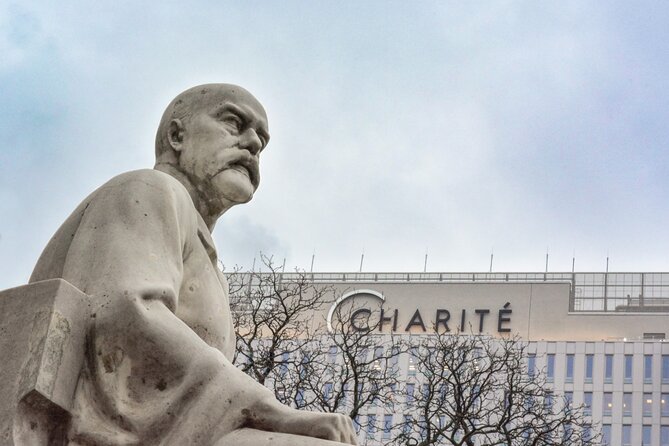
- Stop 1: The Robert-Koch Denkmal and Why It Matters Beyond One Man
- Stop 2: Tieranatomisches Theater, Berlin’s Old Academic Lab for Animal Disease
- Stop 3: Rudolf Virchow’s Denkmal and the Birth of Modern Pathology
- Stop 4: Albrecht von Graefe and the Scientist-First Monuments
- Stop 5: Charité Campus Mitte, Red-Brick Neogothic Buildings and WWII Choices
- Stop 6: Humboldthafen Canal, Escape Attempts, and Life After the Wall
- Price and Value: Is $30.12 a Fair Deal for 2 Hours?
- Logistics That Actually Help: Timing, Weather, and Transit
- Who Should Book This Charité Medical History Tour?
- Should You Book the Charité Medical History Walk?
- FAQ
- How long is the Charité Hospital walking tour?
- How much does the tour cost?
- Is the tour offered in English?
- What is the group size?
- Where does the tour start and end?
- What kind of ticket do I receive?
- Are building interiors included?
- Is separate admission needed for the stops?
- What if the weather is bad?
- What is the cancellation policy?
Key Highlights You Should Know Before You Go
- Robert-Koch-Platz to Charité Campus Mitte, a tight loop that covers both science milestones and moral lessons
- Small-group feel with a maximum of 15 people, which helps questions and slower pacing when needed
- Real monument stories, including Robert Koch’s discoveries and the first pharmaceutical scandal in medical history
- Tieranatomisches Theater, Berlin’s oldest surviving academic building tied to early veterinary disease study
- Humboldthafen escape history, including East Berliners attempting to swim to freedom near Charité
- Short timing, ideal when you have limited hours in Berlin but still want something meaningful
Other walking routes through Berlin
- Berlin: Third Reich and Cold War 2 Hour Walking Tour★ 4.9 · 6,830 reviews
- Berlin: Discover Berlin Walking Tour★ 4.9 · 5,998 reviews
- Berlin’s Best: 2 Hour Walking Tour Third Reich and the Cold War★ 5.0 · 5,486 reviews
- Berlin: Hidden Backyards Guided Walking Tour★ 4.8 · 5,360 reviews
Start Smart at Robert-Koch-Platz, Then Let the Names Lead
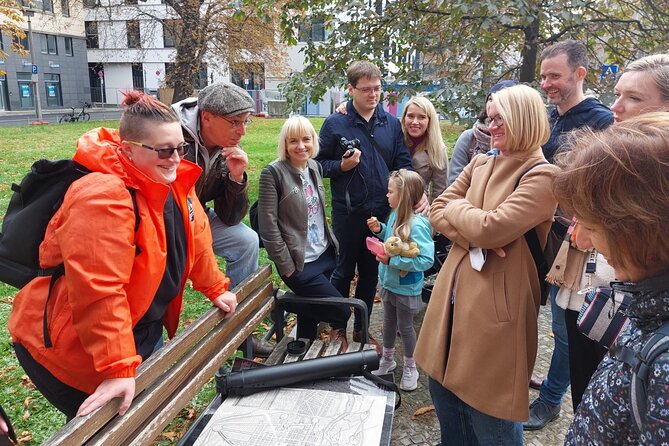
The tour begins at Robert-Koch-Platz (10115 Berlin). If you are coming from Berlin Central Station, you’re looking at about a 10-minute walk along the Humboldthafen canal, which is a handy landmark route for getting oriented.
From the first stop, the whole experience makes sense: you follow a chain of famous figures tied to Charité, then you learn why those people and that institution mattered. That is the key value here. You are not just collecting names, you are picking up a timeline of how medicine grew, how it was misused, and how public health became tied to society.
Plan for a steady walk, because you will be out for around 2 hours. Wear shoes you can trust. Even in good weather, you will be on pavement and you do not want stiff soles making the historical stops feel like a chore.
Stop 1: The Robert-Koch Denkmal and Why It Matters Beyond One Man
At Robert-Koch Denkmal, you learn how the Charité hospital, Berlin’s oldest hospital, was established in the 18th century. Then the guide shifts to Robert Koch, the Nobel-prize winning scientist credited with discovering the causes of diseases including tuberculosis, anthrax, and cholera.
Here’s the extra layer I appreciated: the story does not treat Koch like a statue without consequences. You also hear how he was tied to what is described as the first pharmaceutical scandal in medical history. That turns “medical hero” into something more honest. Science can change lives, and science can also be twisted or mishandled.
What to watch for: give the monument a minute. Stand there long enough to absorb the context the guide gives you, because you’ll be thinking about it later when you hear about other medical pioneers and the ethics of practice.
Possible drawback: if you already know Koch’s main breakthroughs, you may still enjoy the scandal context, but the monument itself is short. This is one of those stops where listening is the main activity.
Stop 2: Tieranatomisches Theater, Berlin’s Old Academic Lab for Animal Disease
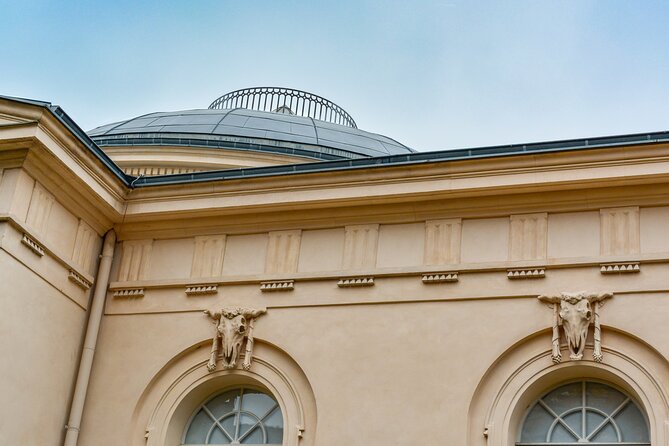
Next is Tieranatomisches Theater, described as the oldest surviving academic building in Berlin. It has an 18th-century neoclassical look, and you learn how veterinarians studied animal diseases there.
This stop is a smart change of pace because it reminds you that public health is not only human hospitals. Before the advent of modern science, disease understanding was limited, and treatment was guesswork guided by observation and tradition. The guide’s job here is to help you see that limit, so the later breakthroughs feel earned rather than magical.
What to watch for: look at the building’s academic vibe. It feels like a place designed for instruction, not treatment. That matters, because it frames medicine as something taught, argued, and refined.
Possible drawback: if you are mainly interested in human hospitals and famous doctors, this animal-disease angle can feel slightly sideways. I liked it, though, because it makes the whole Charité story bigger than one department.
Stop 3: Rudolf Virchow’s Denkmal and the Birth of Modern Pathology
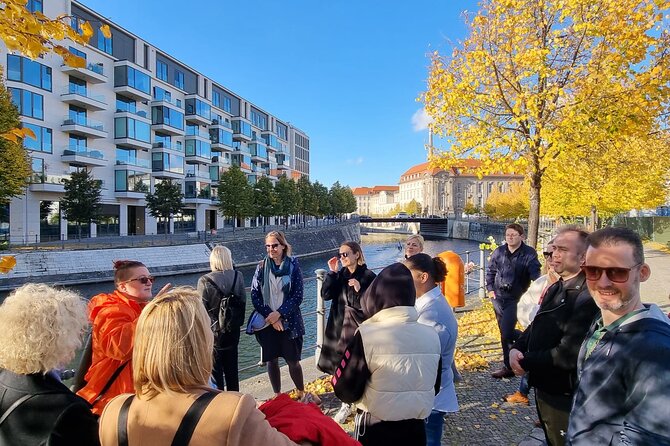
At Denkmal Rudolf Virchow, you hear why Rudolf Virchow gets called the father of modern pathology. He’s also described as the founder of social medicine, which is the part you should focus on.
Pathology is about what’s happening inside the body. Social medicine is about what’s happening outside the body, like working conditions, inequality, and access to care. That pairing is one reason Virchow’s impact doesn’t feel dated. It also explains why medicine in cities like Berlin can become a political story, not just a biological one.
What to watch for: when the guide connects his work to social medicine, take a moment to think about modern public health. You’ll see how today’s debates about sanitation, prevention, and healthcare access echo that earlier mindset.
Possible drawback: if you prefer a strictly technical story, this stop is more conceptual. Still, it’s the stop that helps you understand why Charité could become central to society, not only to doctors.
More history walks in Berlin



Stop 4: Albrecht von Graefe and the Scientist-First Monuments
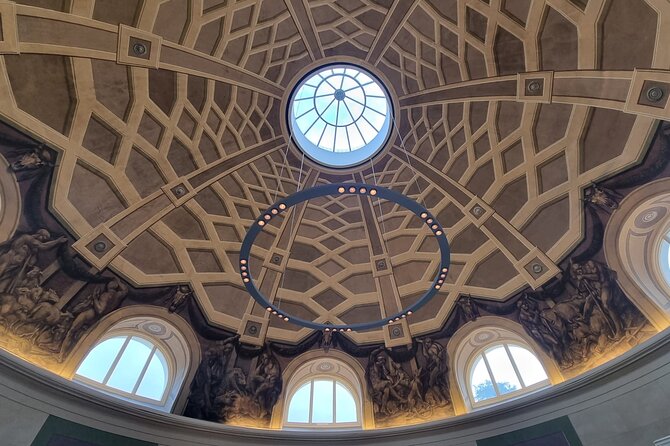
Then you reach Denkmal Albrecht von Graefe. This is described as the first monument in Berlin dedicated to a scientist, and the guide ties it to von Graefe’s work as a groundbreaking ophthalmologist.
Eye medicine can sound narrow, but it’s actually a great lens on medical progress. Vision is central to daily life, and improvements in treatment have huge personal impact. By using a scientist-focused monument, you also see a shift in Berlin’s public memory. The city chooses to honor research itself, not only famous leaders.
What to watch for: notice how the guide frames von Graefe’s role as part of a broader medical identity that Charité helped build. This stop makes the earlier ones feel like one connected story.
Possible drawback: it’s a quick hit, like the other monument stops. Plan to listen closely rather than expecting a long explanation at one place.
Stop 5: Charité Campus Mitte, Red-Brick Neogothic Buildings and WWII Choices
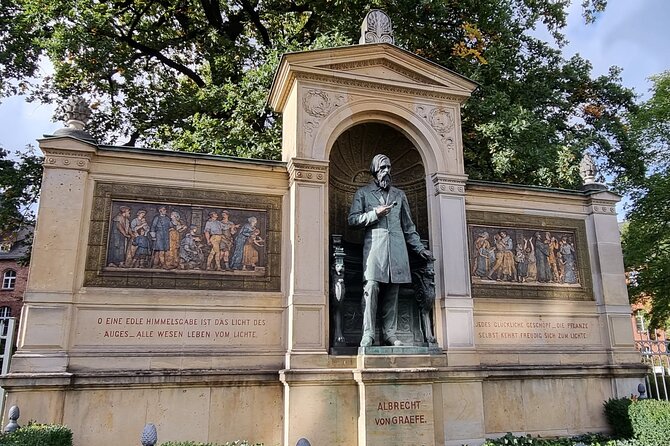
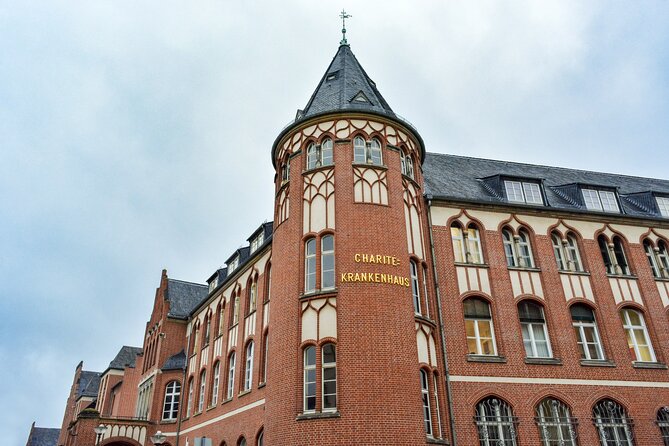
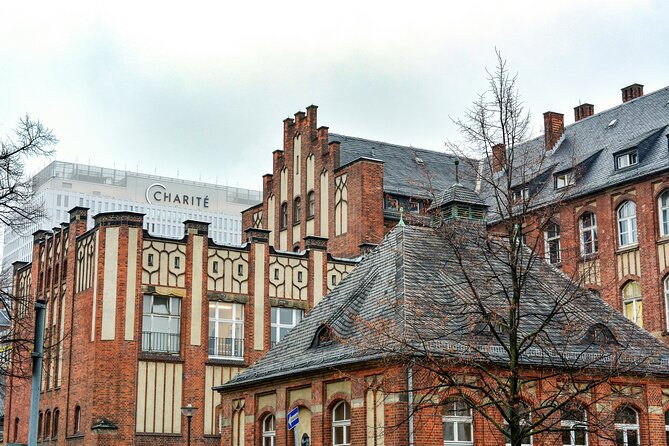
The tour continues to Charité Campus Mitte, where you see a beautiful neogothic red-brick campus. This is one of the most visually impressive parts of the route, and it is also where the tone shifts heavier.
You’ll hear that some doctors abused medicine during the Third Reich. At the same time, you also hear that other doctors helped everyone indiscriminately until the last days of WWII. That contrast is important. It keeps the story from becoming propaganda and it keeps the lesson from becoming one-note.
Why this stop is valuable: medicine is not only experiments and breakthroughs. It’s also institutions, policies, and choices made under pressure. I think that is why this part lingers. Even if you have visited other historic sites in Berlin, this one hits the idea of ethics in a very direct way.
What to watch for: take a slower look around the campus exterior. While the tour does not include visits inside clinical or university operations, the guide uses what you can see outside to help you imagine how the campus functioned during different eras.
Possible drawback: it can feel emotionally heavy, especially if you are not expecting WWII medical ethics to be part of a “history walk.” If that topic will wear you out, take a water break and give yourself space to process after the stop.
Stop 6: Humboldthafen Canal, Escape Attempts, and Life After the Wall
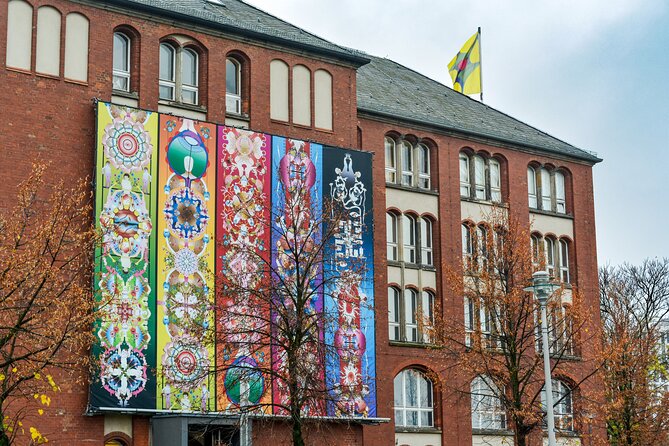
The final stop is Design Offices Berlin Humboldthafen. This is where the story connects the hospital setting to East-West escape attempts. You hear about several East Berliners who tried to escape to the West by swimming across the city canal just outside the Charité campus.
Then the guide brings you through what hospital life was like during the socialist era and after the fall of the Berlin Wall. This is one of the more moving parts of the walk because the canal is a real place you can stand near, and the story makes it feel close.
Why this stop is valuable: it shows how healthcare institutions exist inside political boundaries, even when the intention is care. The same physical setting can carry completely different meanings depending on the era.
What to watch for: pause near the canal area for a minute. Let the geography do some work in your understanding, because the escape story depends on that simple physical reality: a stretch of water, a decision, a risk.
Possible drawback: this part is very narrative. If you prefer more architecture commentary and less story, you may want to ask your guide about the specific time periods as the tour moves along.
Price and Value: Is $30.12 a Fair Deal for 2 Hours?
At $30.12 per person, this is priced like a solid guided experience for Berlin. You get a guide, all fees and taxes, and a small-group format capped at 15 people. Duration is about 2 hours, which matters because the tour is efficient. You get multiple named stops in one outing instead of spending your day piecing together monuments on your own.
You also get a mobile ticket, which is practical in a city where you will probably already be using your phone for maps and transit. And because most travelers can participate and the tour operates in English, it’s an easy fit for many visitors.
The value equation improves if you care about context. The tour’s biggest selling point is not that you can physically see Charité buildings. It’s that you learn why they matter and you hear stories that connect science, ethics, and society.
Logistics That Actually Help: Timing, Weather, and Transit
This is a good-weather experience, and that’s not a small point. Your stops are outdoors and timed at roughly 20 minutes each. If Berlin gives you rain, expect the tour to be rescheduled or refunded if canceled for poor weather.
Plan to arrive a few minutes early at Robert-Koch-Platz. The route ends at Alexanderufer (10117 Berlin), which keeps you near central transit routes. Ending near the canal is also convenient if you want to keep your day moving without a long detour.
Also, bring the right mindset. This is not a museum with a clockwork script. You will get the best experience when you stay attentive and ready for the guide to connect each monument to a broader medical story.
Who Should Book This Charité Medical History Tour?
This tour is a great match if you:
- want a short but meaningful Berlin activity
- enjoy medical history, public health, and major scientific figures
- like tours where a guide tells stories that connect past and present issues
- prefer small groups that make it easier to ask questions
It may not be the best fit if you:
- need lots of interior access and museum-style exhibits
- hate walking or cannot handle outdoor time
- want only lighter, purely inspirational medical history
Because the topic includes unethical medical abuses during the Third Reich, consider whether you want that weight on a day trip. I found the balanced tone helpful, but it is still serious material.
Should You Book the Charité Medical History Walk?
Yes, I think you should book it if you want a focused Berlin outing with real names and real context in a short window. The itinerary moves smoothly between monuments and campus exteriors, and the guide approach makes the story feel connected instead of random.
If you only have a couple hours to spare, this is one of those “worth it because it saves time” activities. And if you care about the human side of medicine, including how society shapes healthcare, you’ll likely appreciate the way this tour ties Charité to both breakthrough science and ethical choices.
FAQ
How long is the Charité Hospital walking tour?
The tour lasts about 2 hours.
How much does the tour cost?
The price is $30.12 per person.
Is the tour offered in English?
Yes, it is offered in English.
What is the group size?
This tour has a maximum of 15 travelers.
Where does the tour start and end?
It starts at Robert-Koch-Platz, 10115 Berlin and ends at Alexanderufer, 10117 Berlin.
What kind of ticket do I receive?
You get a mobile ticket.
Are building interiors included?
No. The tour does not include visiting buildings in which clinical or university operations take place.
Is separate admission needed for the stops?
The stops listed in the itinerary are marked as free, and the tour includes the guide and all fees and taxes.
What if the weather is bad?
The experience requires good weather. If it is canceled due to poor weather, you are offered a different date or a full refund.
What is the cancellation policy?
You can cancel for free up to 24 hours in advance for a full refund. Canceling less than 24 hours before the start time does not get a refund.
The Longer History of Berlin
Pavements of Berlin
Everything else we filed on Berlin
- East Berlin: City of Shadows Walking Tour
★ 5.0 · 11 reviews - Berlin: Die Stachelschweine – Frank Lüdecke – Träumt Weiter
★ 4.7 · 11 reviews - Potsdam Day Trip from Berlin with a Local: Private & Personalized
★ 4.0 · 11 reviews - An Introduction to Berlin Walking Tour
★ 5.0 · 11 reviews - DJ for a Day: Learn to Mix Like a Pro in Berlin
★ 5.0 · 11 reviews - 2-H Segway Sightseeing Tour Berlin
★ 4.5 · 11 reviews
Historical Tours, side by side.
 ★ 4.7Leipzig: City History Canal Sightseeing Tour on a MotorboatFrom $186,232 reviews
 ★ 4.6Berlin: Natural History Museum Entrance TicketFrom $123,382 reviews
 ★ 4.7Leipzig: 1.5-Hour Historical Walking Tour in GermanFrom $172,217 reviews
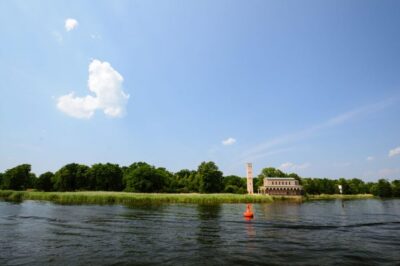 ★ 4.5Berlin: World Heritage Cruise to PotsdamFrom $251,435 reviews
 ★ 4.7Heidelberg: Night Watchman Historic Adventure TourFrom $3051,186 reviews
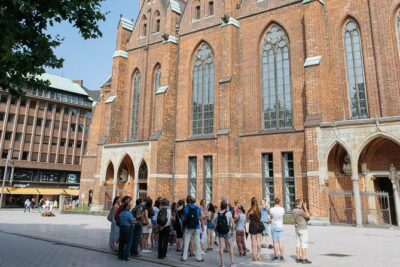 ★ 5.0The Local Tour of Hamburg Historic CentreFrom $31,058 reviews
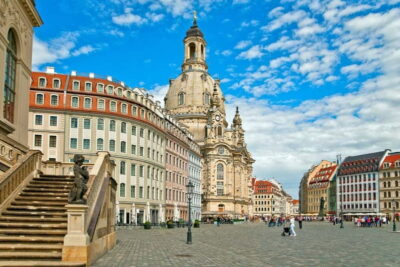 ★ 4.8Elbfloren: Historical city tourFrom $15819 reviews
 ★ 4.6Bamberg: Guided Beer History Tour with Optional TastingFrom $21772 reviews
Other lists this tour is on