
REVIEW · BERLIN WALL
East Berlin and the Wall: Walking Tour
The Wall still has a pulse. This small-group walk through East Berlin is built around Bernauer Strasse and the sites that explain how daily life worked under the GDR system. I like how the tour turns famous landmarks into real stories, including the way separation shaped ordinary choices for families and neighborhoods.
I also love the pace and format. You get a guided route plus short transit hops between areas, so you spend time seeing the Wall rather than standing around. If you get a guide such as Paul, Elisa, Paolo, Claudia, or Catherine, you’re likely to hear clear, personal-style explanations that keep the facts human.
The main thing to plan for is logistics. You need a valid public transport ticket for zones AB during the tour, so don’t assume entry includes day travel costs.
In This Review
- Key highlights at a glance
- Why East Berlin’s Wall story hits harder on foot
- From Potsdamer Platz to Nordbahnhof, the “ghost station” setup
- Bernauer Strasse Memorial, the death strip, and escape attempts
- Alexanderplatz, socialist architecture, and protest pressure that changed everything
- The TV Tower stop, Berlin scale, and why big landmarks matter
- East Side Gallery murals, including the famous kiss
- Tour pace, timing, and how much walking you should expect
- What you learn from the guides, and why personal storytelling helps
- Price and value for a group up to 6
- Who this walking tour is best for
- FAQ
- How long is the East Berlin and the Wall walking tour?
- Where does the tour start?
- Is public transportation included?
- What stops are included on the route?
- What languages are the guides available in?
- Is a private group available?
- What should I bring?
- Should you book this East Berlin and the Wall tour?
Key highlights at a glance
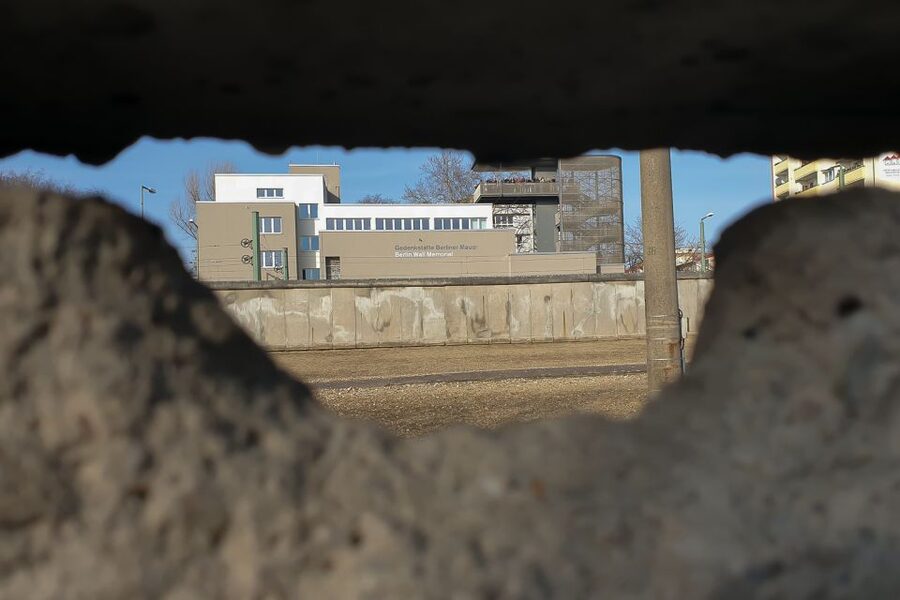
- Memorial Bernauer Strasse: original traces tied to escape attempts and the tragedy of separation
- Nordbahnhof ghost station context: you’ll pass through the story of a station shut down for decades
- Alexanderplatz demonstrations: socialist-era architecture paired with political pressure and protest
- TV Tower stop: a quick look at how Berlin’s East used big landmarks for visibility and symbolism
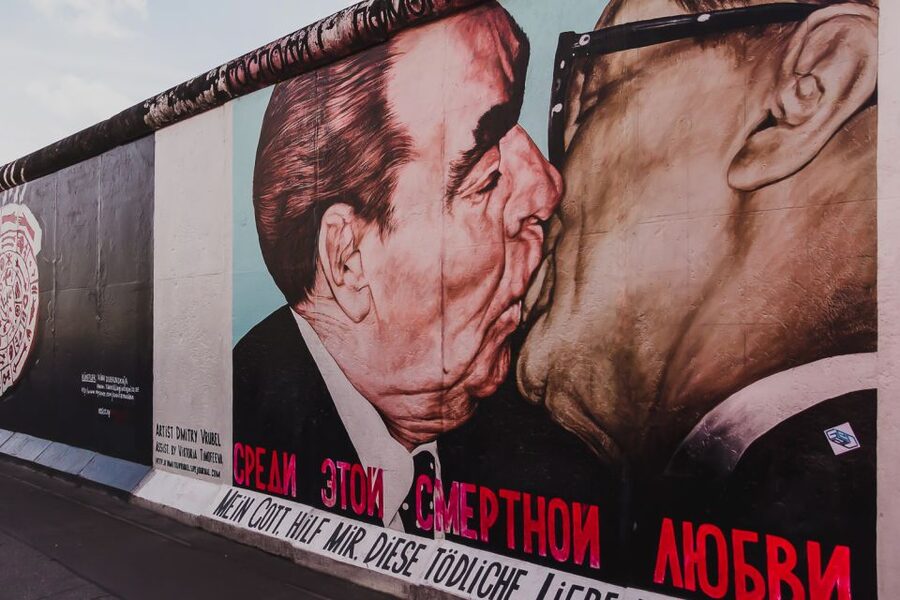
- East Side Gallery murals: 104 artworks, including the famous Brezhnev-Honecker kiss
- Small group walking focus: more questions, tighter explanations, less crowd shuffle
Other walks along the Wall we have reviewed
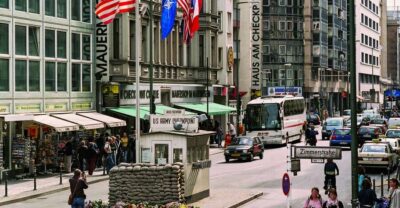
- Skip-the-Line: Berlin Wall Museum at Checkpoint Charlie★ 4.1 · 2,041 reviews
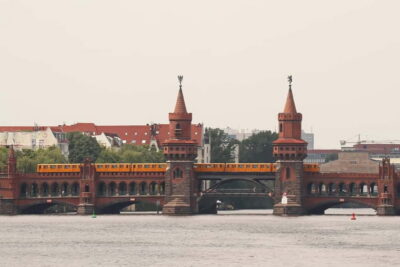
- Berlin: East Side Gallery Spree Cruise in a Solar Catamaran★ 4.0 · 1,039 reviews
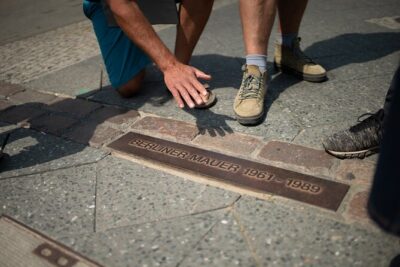
- Cold War, Berlin Wall, Spies and the East Side Gallery★ 5.0 · 1,024 reviews
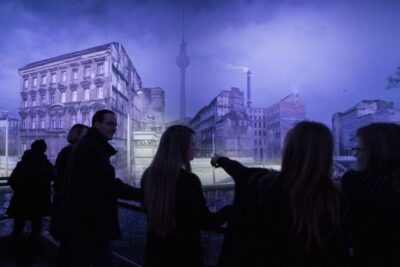
- THE WALL: asisi Panorama Berlin Ticket★ 4.5 · 580 reviews
Why East Berlin’s Wall story hits harder on foot
East Berlin can feel like two cities in one: the grand socialist geometry of the streets and the quiet reminders that people were kept apart. This walking tour works because it doesn’t treat the Berlin Wall like a single attraction. Instead, you move through areas where the Wall system shaped movement, work, and even the way families thought about the future.
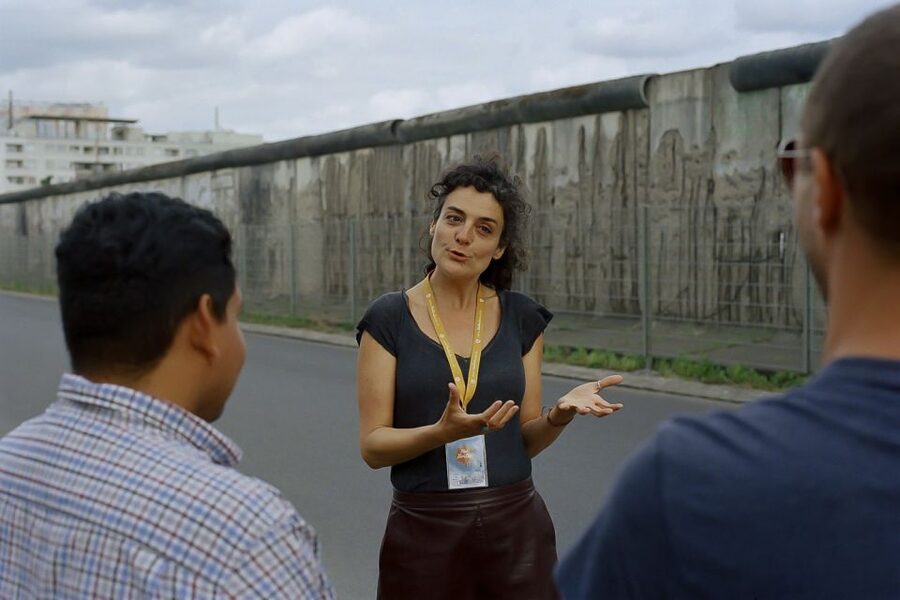
The guide-led storytelling is the point. You’re not just looking at plaques. You’re learning how the Wall line created a daily map of limits, fear, and consequences. And because you’re walking, you can actually feel the scale, like how certain views and street angles made separation more than a line on a map.
This tour is also built for clarity. It’s around 3 to 3.5 hours, which is long enough to build context and still short enough to keep energy up. Wear comfortable shoes, because you’ll be on your feet for most of it.
From Potsdamer Platz to Nordbahnhof, the “ghost station” setup
You start at Potsdamer Platz, then take a short S-Bahn ride toward the Wall zones. That brief ride matters. It cues you to the fact that this story is not only about what you see above ground, but also about what was shut down, repurposed, or removed from public life.
Then you head toward Nordbahnhof, a former ghost station. The tour explains that after construction of the Wall, this kind of station became a problem, and for nearly three decades it sat closed. The effect is eerie even before you reach the main memorial. You’re looking at how the transportation system itself got reorganized around control.
If you like understanding how policy shows up in daily infrastructure, this part is a nice warm-up. It also helps you understand later stops, because the Wall was not just concrete and barbed wire. It was planning, monitoring, and rerouting.
Bernauer Strasse Memorial, the death strip, and escape attempts
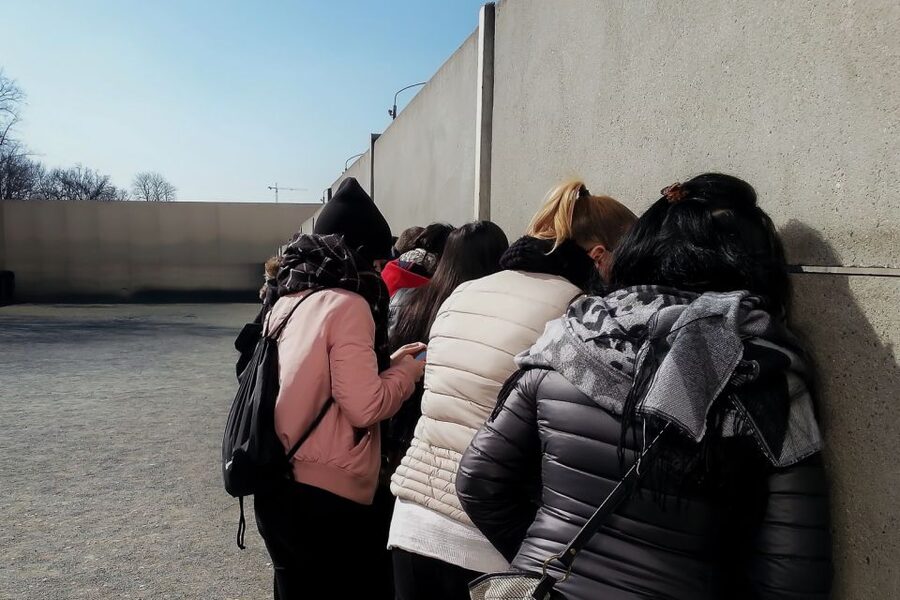
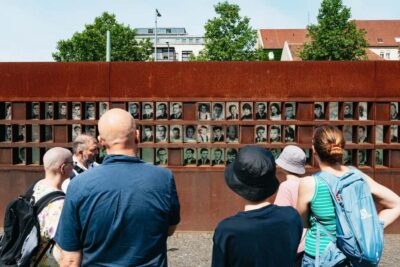
The emotional center of the tour is Memorial Bernauer Strasse. This is where the Wall narrative becomes personal in a way that photos can’t replicate. You visit the memorial area and learn about the separation trauma, including what the so-called death strip meant in practice.
What I like here is that you see original portions of the Wall area and then connect them to human stories: escape attempts, and the tragic outcomes that followed. The guide’s job is to keep it factual without turning it into a cold lecture. You end up with a mental picture of how quickly a situation could become life-or-death once someone tried to cross.
This is also a strong stop for understanding geography. The Wall didn’t sit conveniently for postcards. It cut into neighborhoods and altered sightlines. That’s why standing in the memorial area is so effective. You begin to see how the system worked spatially, not just politically.
Practical tip: take a moment to slow down and look around before you listen. The guide will point out things you might miss at walking speed, but your own noticing helps you absorb the story.
Alexanderplatz, socialist architecture, and protest pressure that changed everything
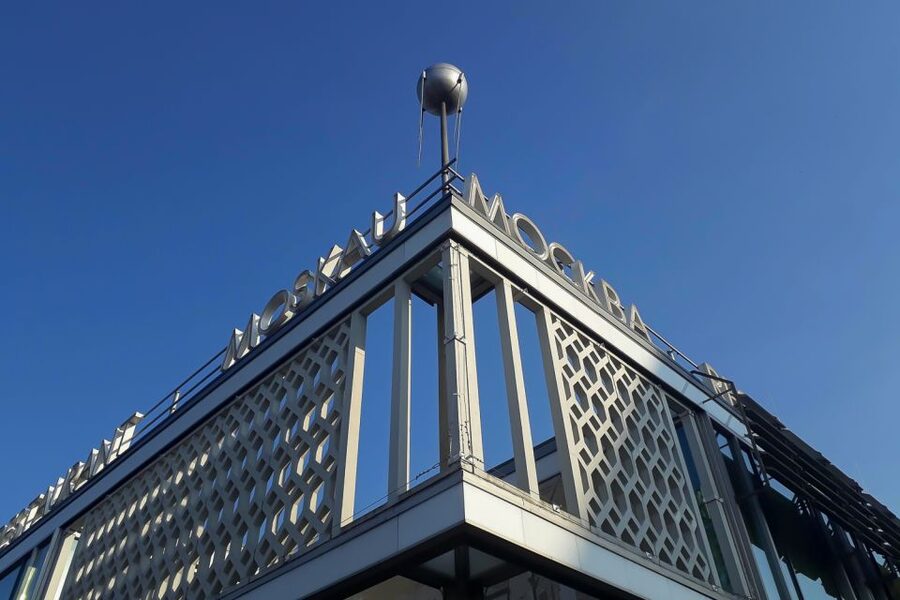
After the memorial, the tour shifts to Alexanderplatz, one of the most recognizable squares in Berlin. Here, the guide ties together architecture and politics in a way that makes sense.
East Berlin’s socialist-era buildings can look impressive from a distance. But the explanation helps you see how those forms related to ideology, public life, and control. This part also connects to demonstrations and resistance against STASI repression, showing how pressure built over time until the Wall’s collapse became possible.
The tone here is less about shock and more about turning points. You learn how people used public space, and how political repression did not eliminate activism. As the story moves toward 1989, the tour links peaceful demonstrations to the weakening of the broader Soviet bloc, which helped speed up events in East Germany and Berlin.
You’ll also get a short, guided walk through the area. It’s enough time to orient yourself, without pretending you can master Alexanderplatz in 10 minutes. The value is in the explanation that makes the big square feel like a stage where history played out.
More of the divided city, written up in full

The TV Tower stop, Berlin scale, and why big landmarks matter
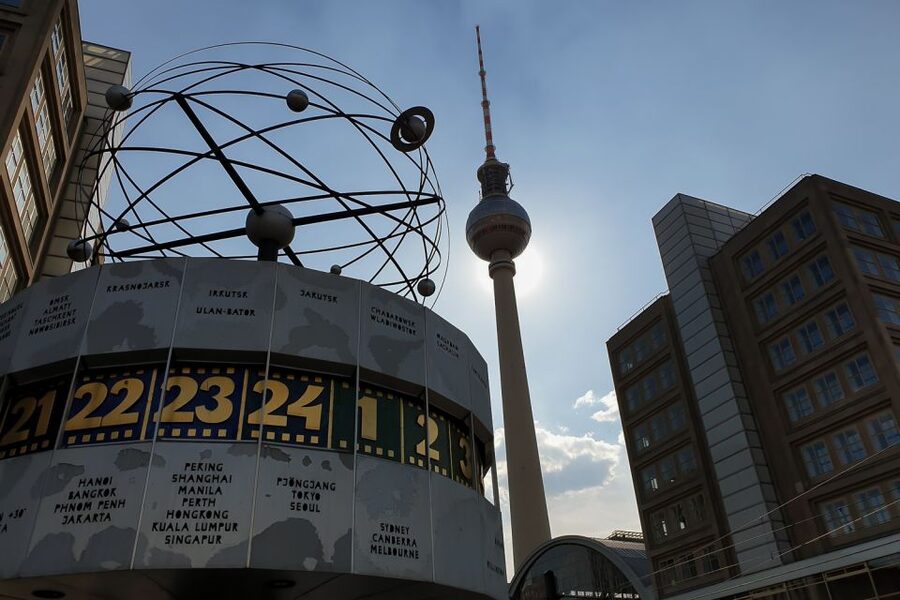
There’s a brief stop around the TV Tower area. It’s not long, but it serves a purpose. Berlin’s East leaned into visible symbols: structures that announce power, modernity, and collective identity.
Even if you don’t go up the tower, the stop helps you connect what you’ve been learning to the city’s scale. You can see how a major landmark shapes how people orient themselves. It’s also a useful reminder that the East did not only rely on restrictions, it also relied on imagery and public messaging.
Think of this segment as a “glue stop.” After the heavy emotions of the memorial, it gives you a chance to process, look outward, and then re-enter the story with a wider city view.
East Side Gallery murals, including the famous kiss
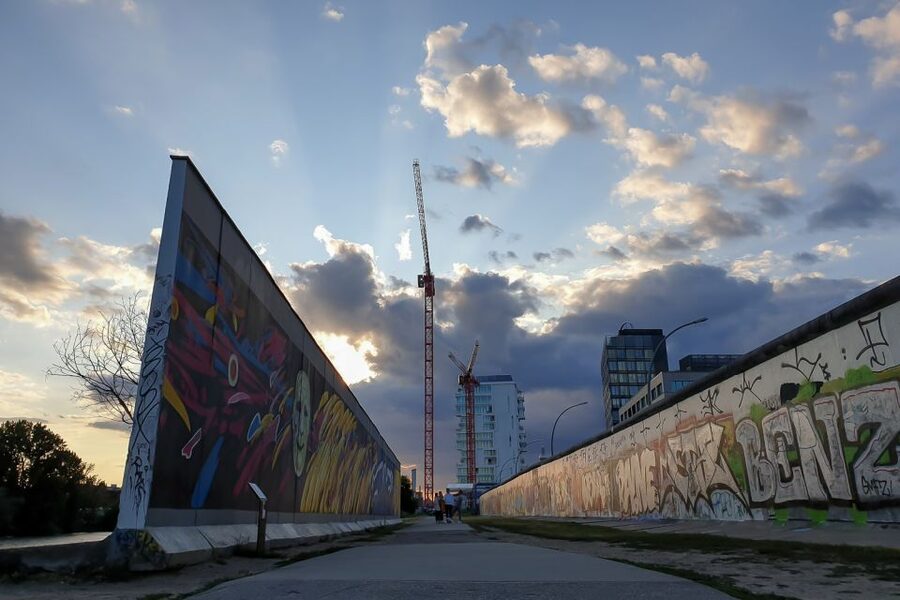
The final major stop is the East Side Gallery, one of the most famous Wall stretches to be repurposed as art. Here, you’ll see a collection of 104 murals, and the guide points out key pieces and themes.
This part is often fun in the best way. You move from structural history to cultural memory. The murals turn a former barrier into a canvas, and the conversation shifts from escape attempts and surveillance to how artists and communities reinterpret the past after change.
You’ll also hear about the iconic Brezhnev-Honecker kiss. It’s hard to overstate how many people recognize that image instantly, yet the tour’s framing helps you understand it as part of Cold War symbolism, not just a clever photo opportunity.
Keep in mind: this stop can be visually busy. Bring your focus back to what the guide emphasizes, like recurring motifs and the way different murals reflect shifting attitudes over time. If you like street-level storytelling, this is the moment where the tour feels most immediate.
Tour pace, timing, and how much walking you should expect
The tour is about 3 to 3.5 hours total, with a mix of guided walking and short public-transport hops. You’ll start at Potsdamer Platz, take a short ride, then spend most of the key time with a guide at Bernauer Strasse, Alexanderplatz, and the East Side Gallery.
Transit segments are brief, but they matter because they keep the route efficient and thematically connected. You’ll go from one Wall-relevant area to another without losing most of your time to transfers and wandering.
For your comfort:
- Wear shoes that handle cobblestones and longer stretches
- Bring a water bottle if you tend to get thirsty quickly, since food and drink aren’t included
- Plan for a winter-coat or layered clothing if you’re going in cooler months, since the Wall memorial areas can feel exposed
Group size is small. That usually means your guide can tailor explanations, answer questions, and keep the pace from getting bogged down.
What you learn from the guides, and why personal storytelling helps
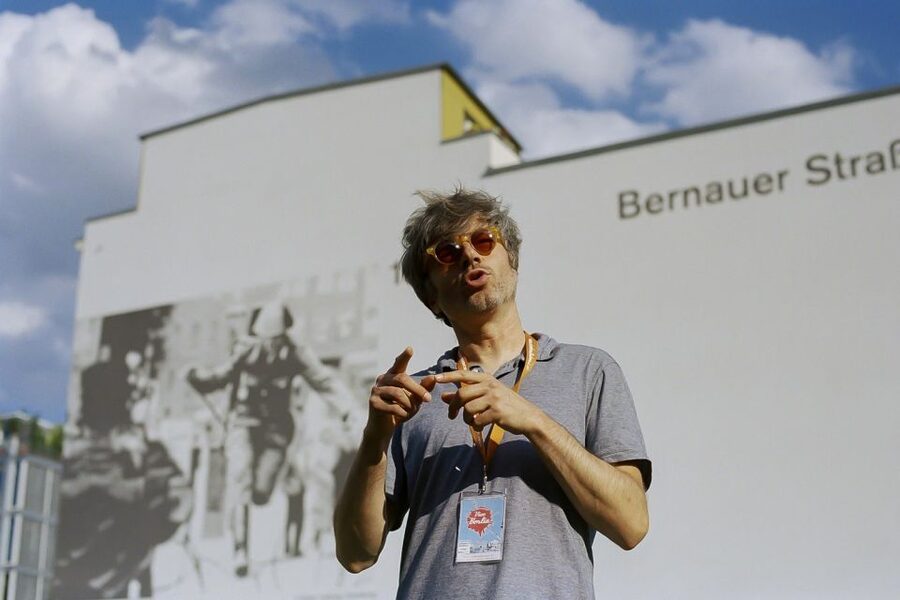
One of the strongest reasons to book this tour is guide quality. Multiple guides have been praised for staying engaged and making the route intelligible, even when the topic is heavy. You may meet guides like Paul, Elisa, Paolo, Claudia, and Catherine, who are often described as prepared, friendly, and good at keeping attention with strong explanations.
You’ll also notice that the tour uses different approaches depending on language and guide style. The experience is designed for French, Italian, Spanish, English, and German speaking participants, with live guiding. So if you’re choosing based on comfort with language, prioritize the option that lets you follow every detail. Cold War history gets easier when you catch the nuance.
This is one of those topics where a “just read the sign” approach can feel flat. A good guide turns facts into cause and effect, like how infrastructure shutdowns connect to Wall control, and how public protest connects to political change.
Price and value for a group up to 6
The price is $351 per group, up to 6 people, for 3 to 3.5 hours. That structure can be surprisingly good value if you’re traveling with a small group of friends or family.
Here’s the practical way to think about it:
- If you’re one or two people, you’re paying for the convenience of a guided route plus transport hops rather than piecing together the sites on your own.
- If you’re closer to the 6-person end, the per-person cost usually looks much more reasonable, especially when you want a knowledgeable guide to connect the stops.
Also note what’s not included. You need a valid AB transport ticket during the tour, and food and drink are not part of the price. But compared with the cost of admissions, this is more about planning for a day ticket and a comfortable walking setup.
If you hate figuring out transit routes while also trying to read Cold War context, this tour is a straightforward way to spend your time.
Who this walking tour is best for
This tour is a good fit if you want:
- A structured East Berlin route that connects the major Wall sites
- Clear explanations of life under the GDR, not just dates and names
- A mix of heavy memorial content and later, more reflective art at the East Side Gallery
It’s also a strong choice for first-time visitors. Berlin is huge, and East Berlin sites are spread out. A route like this helps you see the “through-line” without feeling like you’re cramming.
If you’re traveling with kids, it could work depending on their interest, but you’ll likely want to judge whether they’ll handle serious topics like separation and escape attempts. For adults, it’s easier to appreciate the emotional weight and the political context.
For language comfort: since the guide is live and offered in multiple languages, choose the language option that you can listen to effortlessly.
FAQ
How long is the East Berlin and the Wall walking tour?
The tour lasts about 3 to 3.5 hours.
Where does the tour start?
The starting point varies by option, but the journey begins at Potsdamer Platz.
Is public transportation included?
No. You need a valid public transport ticket for zones AB during the tour.
What stops are included on the route?
You’ll visit the Berlin Wall Memorial at Bernauer Strasse, explore Alexanderplatz and the TV Tower area, and end at the East Side Gallery. The route also includes transit stops like Nordbahnhof.
What languages are the guides available in?
The guide is available in French, Italian, Spanish, English, and German.
Is a private group available?
Yes. Private group options are available.
What should I bring?
Bring comfortable shoes for walking.
Should you book this East Berlin and the Wall tour?
If you want an organized East Berlin route with strong guide storytelling, yes, this is a smart booking. It’s short enough to stay comfortable, and it connects major places like Bernauer Strasse and the East Side Gallery into one coherent Wall-era story. Just plan ahead for the AB day ticket and wear good shoes, and you’ll get a meaningful, easy-to-follow experience without the stress of building the route yourself.
Pavements of Berlin
The Divided Years, Reviewed
Following the Wall a Little Further
Everything else we filed on Berlin
- East Berlin: City of Shadows Walking Tour
★ 5.0 · 11 reviews - Berlin: Die Stachelschweine – Frank Lüdecke – Träumt Weiter
★ 4.7 · 11 reviews - Potsdam Day Trip from Berlin with a Local: Private & Personalized
★ 4.0 · 11 reviews - An Introduction to Berlin Walking Tour
★ 5.0 · 11 reviews - DJ for a Day: Learn to Mix Like a Pro in Berlin
★ 5.0 · 11 reviews - 2-H Segway Sightseeing Tour Berlin
★ 4.5 · 11 reviews
Berlin Wall and Divided City Tours, side by side.
 ★ 4.8Nuremberg: Tunnels and Secret Passages in the City Wall TourFrom $142,334 reviews
 ★ 4.1Skip-the-Line: Berlin Wall Museum at Checkpoint CharlieFrom $212,041 reviews
 ★ 4.0Berlin: East Side Gallery Spree Cruise in a Solar CatamaranFrom $271,039 reviews
 ★ 5.0Cold War, Berlin Wall, Spies and the East Side GalleryFrom $181,024 reviews
 ★ 4.5THE WALL: asisi Panorama Berlin TicketFrom $16580 reviews
 ★ 4.7Berlin: Guided Bike Tour of the Berlin Wall and Third ReichFrom $40499 reviews
 ★ 4.8Berlin: Cold War Walking Tour on Berlin Wall RouteFrom $26437 reviews
 ★ 4.1Berlin: The Wall Museum East Side Gallery TicketFrom $14292 reviews
Other lists this tour is on