
REVIEW · DACHAU
Munich World War II Sites Including Dachau Concentration Camp
Dachau is heavy, but it is also teachable. This combo tour stacks a guided visit to the Dachau Concentration Camp Memorial Site with a focused walk through key Nazi-era sights in Munich, so you leave with more than photos and captions.
I especially love how the day is structured. You get a real on-site guide for Dachau, covering photographs, documents, reconstructed cell blocks, the crematorium, and administration buildings, then you shift gears to Munich’s old streets and landmarks tied to the rise of the Third Reich.
One real drawback to plan for: it is a long, standing-and-walking day with a lot of information. Some people feel the pace is intense, and sound can be tricky in busy areas or where echoes take over, so come ready to stay with the group.
In This Review
- Key highlights worth your attention
- How this 8.5-hour combo actually feels
- Getting going: Radius Tours and the ride north
- Dachau Concentration Camp Memorial Site, what you will see
- What to consider at Dachau
- Munich Third Reich walking tour, tracing power through streets
- A quick reality check on city tours
- Konigsplatz, Marienplatz, and the flow of your day
- Transport and pacing: what to expect, and how to handle it
- Price and value: why $105.21 can make sense here
- Who should book this tour, and who might not
- Should you book the Munich WWII and Dachau combo tour?
- FAQ
- Is this tour open to younger teens?
- What time does the tour start and how long is it?
- Where do I meet, and where does it end?
- What language is the tour in?
- What is included in the tour price?
- How do you get to Dachau?
- Can I cancel and get a refund?
Key highlights worth your attention
- Dachau Memorial Site, guided end to end, including the museum materials plus cell block, crematorium, and administration areas
- A Munich Third Reich walk inside the city center, linking key locations to how the Nazi regime gained power
- Two parts separated by a break, giving you a chance to reset before the second half
- Small group size (max 25), which helps with questions and staying together
- Public transport to Dachau handled by the operator, so you do not have to figure it out
Further wartime history walks we have written up
- Munich: Third Reich & WWII Walking Tour★ 4.6 · 6,181 reviews
- Third Reich Walking Tour Munich★ 4.5 · 4,291 reviews
- Munich: Birthplace of the Third Reich Guided Walking Tour★ 4.6 · 771 reviews
- Munich World War II Sites Including Dachau Concentration Camp★ 4.5 · 570 reviews
How this 8.5-hour combo actually feels
This is not a “grab a coffee and stroll” Munich day. It is a full 8 hours 30 minutes (approx.) built around two different kinds of learning: one deeply serious and place-based at Dachau, then one historical and urban at Munich’s Nazi-era sites. The tour starts at 9:00am at Radius Tours, so plan for an early start and a late finish, often running close to the late afternoon based on what other schedules feel like.
The value comes from pairing the two halves. Dachau gives you the machinery of oppression, documented and explained. Munich gives you the political story that led to that machinery, with locations that connect ideology to real streets, buildings, and moments. If you like history that has physical weight, this layout makes sense.
The guides matter here. Names that show up in the experience reports include Jake, Emmett, Ian, Scott, Achim, Josh, Connie, Nick, and others, and the common thread is keeping the tone respectful while still making sure people can follow what they are seeing.
Getting going: Radius Tours and the ride north
You meet at Radius Tours, Dachauer Str. 4, 80335 München, and the first stretch is brief. From there, you take public transport north to the Dachau Concentration Camp Memorial Site. After the Dachau portion, you return to Munich via train, then you regroup for the walking tour in central areas.
A few practical points help. Since this involves a mix of rail and local transit, keep your phone charged and have your mobile ticket ready. The group stays organized, but you should still expect typical public-transport crowding, especially on bus segments that can get tight.
Also, this is a walking-focused Munich part, not a drive-and-stop sightseeing day. That is great for seeing real street scale and context, but it means comfortable shoes are not optional. Bring water if you can, and keep an eye on the weather, because you will be outside for long stretches.
Dachau Concentration Camp Memorial Site, what you will see
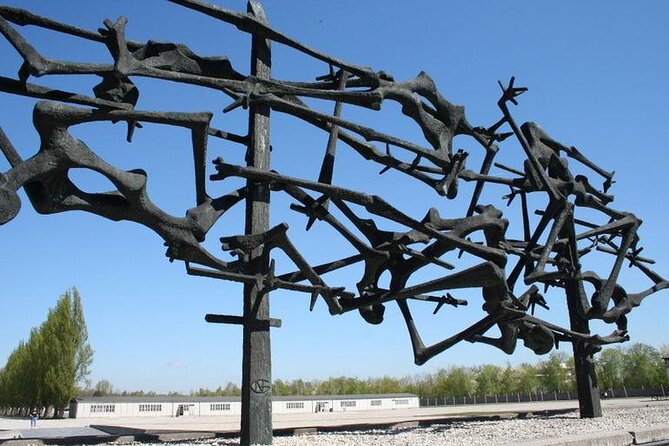
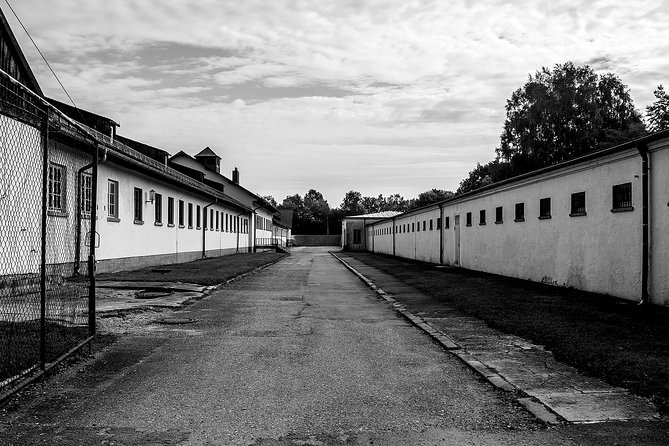
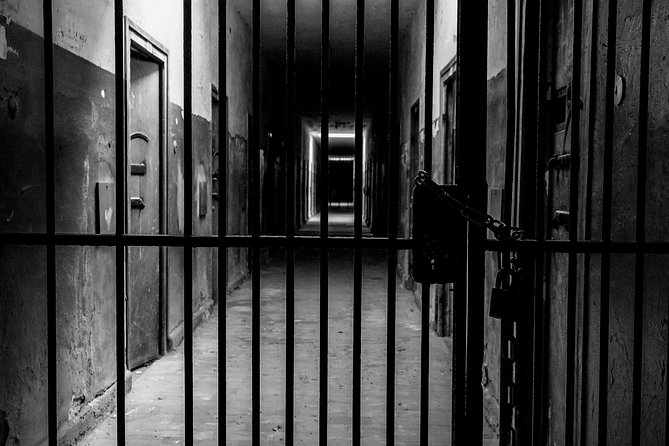
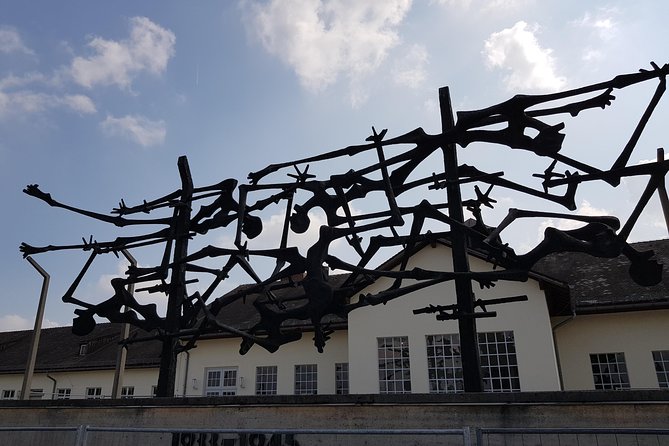
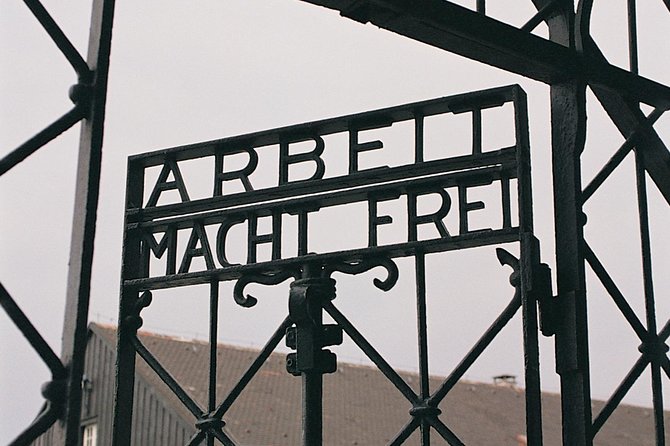
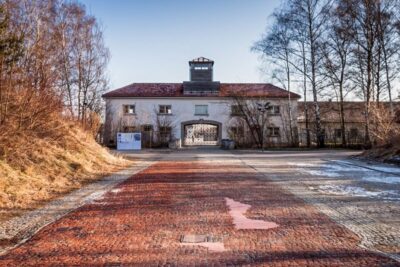
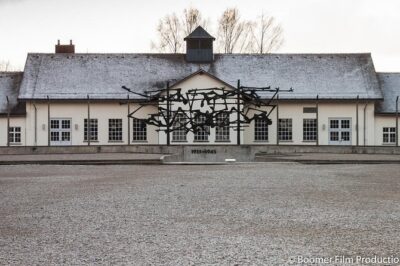
Dachau is the centerpiece. The Dachau segment runs about 2.5 to 3 hours, and it covers the memorial and museum areas in a guided format. You will see photographs and documents, reconstructed cell blocks, the crematorium, and the administration headquarters.
This matters because Dachau is not just a monument you look at from the outside. You are moving through the site while a guide explains what you are seeing and where it fits into the broader story of Nazi camps. Many people find it easier to grasp the scale and purpose of the camp when you can connect the exhibits and building areas, rather than wandering alone and guessing what is most important to focus on first.
Heinrich Himmler is one of the named figures linked to the camp in the guided coverage you get, including context around a guard associated with founding the camp. The goal is to keep facts clear and respectful, not to turn the visit into shock tourism. Guides like Ian and Emmett have been praised for making the material approachable while staying serious about the subject matter.
What to consider at Dachau
Some people feel there is a lot to take in during the allotted time, and that not every structure you see is the original fabric of the camp. The tour includes reconstructed cell blocks, and some elements may not be what you imagine from memory alone. If you prefer to read every label slowly and sit with each exhibit longer, you may wish you had more time. In this combo, Dachau gets the guided treatment, but you still have a schedule to keep.
The other Dachau Memorial visits we reviewed
Munich Third Reich walking tour, tracing power through streets
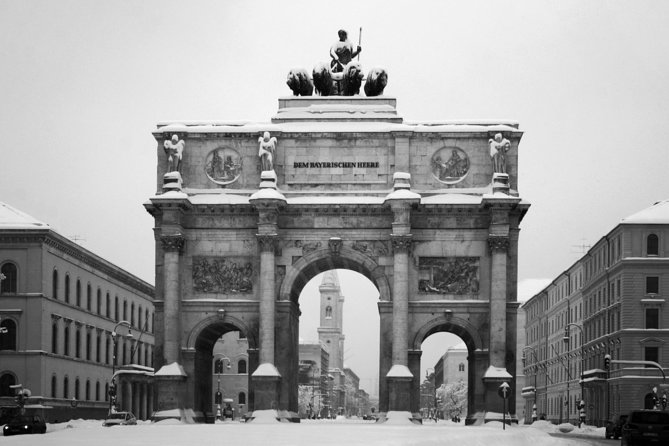
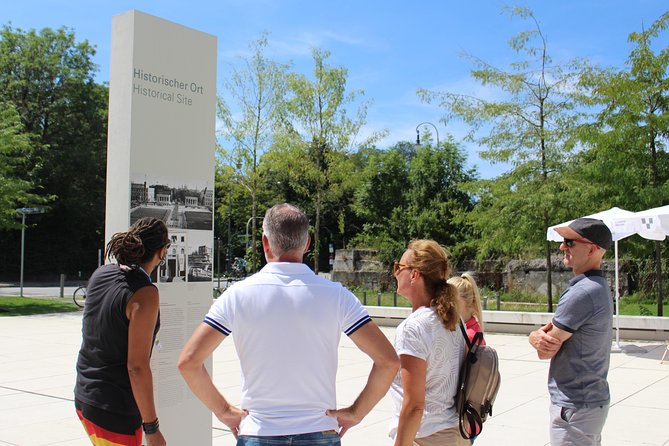
After you return to Munich, you get a break, then you meet up again for the Munich Third Reich walking tour in the old town area. The walking portion is about 2.5 hours inside the city center, and it is designed to connect the rise and fall of Adolf Hitler and Nazi Germany’s Third Reich to places you can still see.
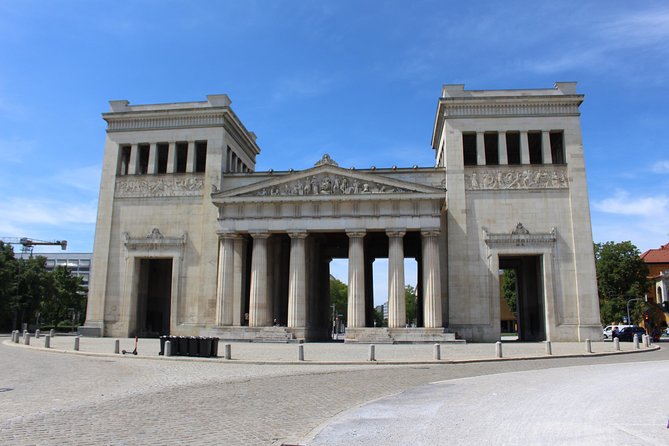
You will walk to and around key sites tied to the Nazi period, including the building where Hitler first joined the Nazi party, the former headquarters of the Gestapo (secret police), and the location where the Beer Hall Putsch took place in 1923. The tour also works in the big visual anchor at Königsplatz, which is the famous marching grounds of the Nazi Party.
I like this approach because it gives you a map of meaning. You are not just staring at a building façade. A good guide helps you place what happened there, what it meant politically, and why it mattered historically. In the experiences shared, guides such as Jake, Josh, and others have been praised for balancing accuracy with a tone that stays respectful even when the stories are brutal.
A quick reality check on city tours
Munich’s Nazi-era sites have gaps. Some places were bombed or changed over time, and some buildings are reconstructed or no longer exist in the same way they did. That can feel like less than you expected if you came looking for preserved buildings from the 1930s. Still, the walking tour helps you understand how power played out in real geography, which is what you actually get from a city-based route.
Konigsplatz, Marienplatz, and the flow of your day
Your day has a clear rhythm: short introductions, a city anchor, a long on-foot historical thread, then the Dachau visit, then the return for the Munich walking tour again. The schedule highlights include time at Königsplatz (often around 20 minutes) and a longer old-town stretch centered on Marienplatz and central Munich landmarks.
The order is intentional. Starting with Munich basics helps you recognize the symbolism and political stage that leaders built. Then Dachau gives the consequences in physical form. When you put them together, you get a more complete picture of the story: ideology, organization, then violence.
One logistics detail you should respect: you need to be ready for lots of standing and walking. If you are sensitive to long stretches outdoors, build in your own comfort plan. Wear layers, especially because Munich weather can swing even when it looks mild early in the day.
Transport and pacing: what to expect, and how to handle it
This tour uses public transport to reach Dachau, with the operator handling the transit. A recurring practical note is that the bus leg can be crowded. Nothing is guaranteed to feel luxurious in public transit, but the group does get managed, and the timing is built around getting you on site for your guided portion.
In Munich, you are mainly on foot, which is both good and tiring. Good, because you get street context around landmarks like the Gestapo headquarters area and the Beer Hall Putsch location. Tiring, because you will likely do more walking than you think, and you get limited chances to sit.
Pacing is where expectations matter most. Some guides and groups have been praised for keeping heavy material engaging, even with somber content. At the same time, a few people have said there is a lot of information packed into limited time, so if you are the type who likes to absorb slowly, you may feel you are moving too quickly through certain stops.
My suggestion is simple: go in with a mindset of getting the big connections, not collecting every single detail. If something grabs you, note it, and then do your own follow-up reading later.
Price and value: why $105.21 can make sense here
The price is $105.21 per person, and it may look steep until you break down what is actually being handled. You are paying for two guided experiences in two major places, plus coordination of the train and bus transport to Dachau, plus a guided walking route through central Munich tied to Nazi-era locations. You also get a mobile ticket and an English-language guide.
What you are not paying for is also important. Food and drinks are not included, and there is no hotel pickup or drop-off. That means you should budget for at least one meal on your own during the break.
For value, I look at time and effort saved. Doing Dachau and a Third Reich walk separately can be done, but it takes planning, tickets, timing, and a lot of decision fatigue. This combo gives you a ready-made structure, including a break between the two segments, so you can focus on learning rather than logistics.
At the same time, the long day is part of the cost you pay. If you hate packed schedules, you may decide Dachau alone and a separate Munich walk are a better match. But if you want the highest learning density per day, the combo is a strong fit.
Who should book this tour, and who might not
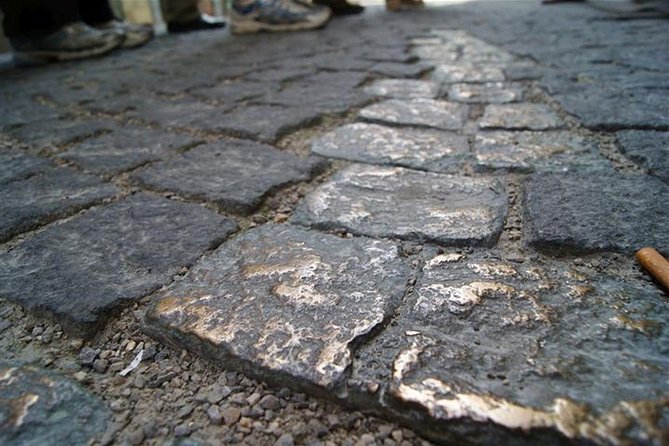
This is a good match if you want a serious educational day with clear guidance. If you like history that connects events to places, the pairing of Dachau’s memorial visit with Munich’s Nazi-era walking route is exactly the point. The tour is also open to visitors aged 13 and older, with proof required.
It also suits you if you like asking questions and staying in a small group. With a maximum group size of 25, it is easier for the guide to keep track of people and respond during pauses.
Who might reconsider? If you prefer quiet self-guided time at Dachau, or you want more time for reading without the pressure of a scheduled route, you could feel rushed. If walking for hours in the open is a problem for you, think about whether an 8.5-hour day with long standing is worth it.
If your goal is to get a strong first pass through the story, guided and organized, this combo can be a really effective use of your Munich time.
Should you book the Munich WWII and Dachau combo tour?
Yes, if you want one day in Munich that ties Nazi-era politics to Nazi-era crimes in a way that feels grounded. You’ll get guided coverage at Dachau, with specifics such as reconstructed cell blocks, the crematorium, and the administration areas, and then you’ll walk Munich’s old streets tied to the Nazi rise, including locations like the Beer Hall Putsch site and the Gestapo headquarters area.
Book it if you are comfortable with a long day, some crowds on transport, and a lot of information. Bring water, dress for outdoor time, and be ready to stand.
Consider booking Dachau separately and doing a shorter Munich walk if you want slower pacing or you know you do better with fewer scheduled stops. But for most history-minded travelers, this combo is a solid value because it handles the hardest logistics and keeps you focused on what matters most.
FAQ
Is this tour open to younger teens?
The tour is open to visitors aged 13 and older, and proof is required.
What time does the tour start and how long is it?
It starts at 9:00am and runs about 8 hours 30 minutes.
Where do I meet, and where does it end?
You meet at Radius Tours, Dachauer Str. 4, 80335 München, Germany. The tour ends back at the meeting point.
What language is the tour in?
The tour is offered in English.
What is included in the tour price?
You get a full guided visit of the Dachau memorial site and a guided Third Reich walking tour in Munich, plus a local guide.
How do you get to Dachau?
The tour uses public transportation, including a public train and then a city bus, with transport arranged for the group.
Can I cancel and get a refund?
Yes. You can cancel for a full refund if you cancel at least 24 hours before the experience’s start time.
Visiting Dachau Memorial Site
Wartime History Walks We Have Reviewed
Everything else we filed on Munich
- Munich Beer and Bavarian Bites Private Tour
★ 5.0 · 11 reviews - Private Day Trip from Munich to Neuschwanstein and Linderhof
★ 4.0 · 11 reviews - Private Munich Old Town Walking Tour – with optional Breakfast
★ 5.0 · 11 reviews - Festive Concert in the All-Saints Court Church
★ 4.6 · 11 reviews - Private Castle Tour from Munich: Neuschwanstein, Hohenschwangau, and Linderhof
★ 4.5 · 12 reviews - Munich: Oktoberfest Big Beer Tent Evening including table reservation
★ 4.8 · 12 reviews
Dachau Memorial Site Tours, side by side.
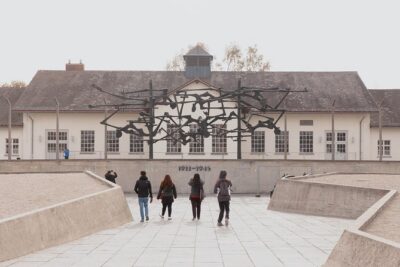 ★ 4.5Dachau Concentration Camp Memorial Site Tour from Munich by TrainFrom $645,637 reviews
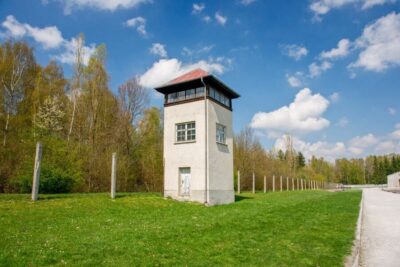 ★ 4.8From Munich: Dachau Memorial Site Day TourFrom $492,723 reviews
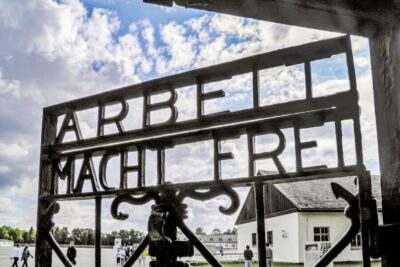 ★ 4.7From Munich: Dachau Memorial Site Half-Day TripFrom $622,526 reviews
 ★ 4.9From Munich: Dachau Memorial Site Full-Day TourFrom $511,406 reviews
 ★ 4.5Dachau Concentration Camp Memorial Tour with Train from MunichFrom $56955 reviews
 ★ 5.0Early-Start Dachau Memorial Half-Day Tour from MunichFrom $62942 reviews
 ★ 5.0Guided Dachau Concentration Camp Memorial Site Tour with Train from MunichFrom $90920 reviews
 ★ 5.0Full-Day Dachau Concentration Camp Memorial Site Tour from MunichFrom $48897 reviews
Other lists this tour is on