
REVIEW · WARTIME HISTORY
Third Reich & WWII Walking Tour
One city, one ugly timeline. This Third Reich & WWII walking tour traces how Munich fed the Nazi rise, from early rallies to later power attempts, using major landmarks you can still see today. I like how the tour makes the connections clear, and how guides such as Michael, Alex, Josh, Ulrich, and Danielle lead with calm, factual storytelling.
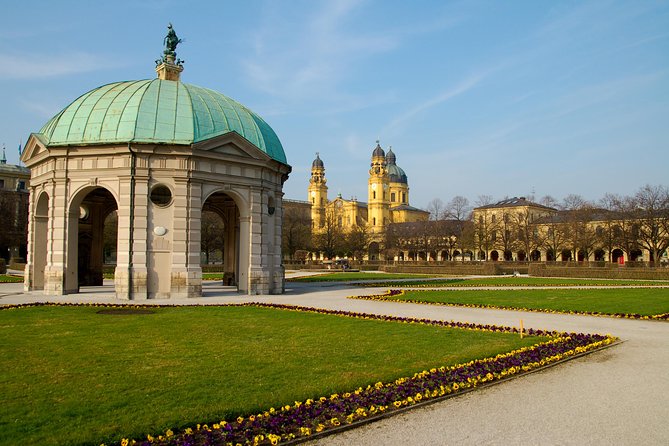
I also love the mix of places. You hit Königsplatz, Feldherrnhalle, and Hofbräuhaus, then you slow down for the White Rose resistance story in the Hofgarten area. It is not just plaques and dates, it is why these locations mattered in real life, when Germany was cracking under economic and political stress.
One possible drawback: it is a long standing and walking stretch with limited downtime. On cold days, bring layers and plan for a serious topic that asks for focus, not a casual stroll.
In This Review
- Quick hits before you go
- Where the story starts, and why the route makes sense
- Marienplatz to the Nazi rise: getting your bearings fast
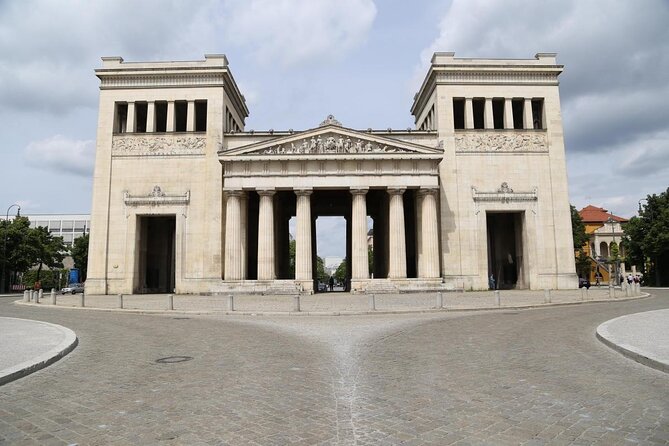
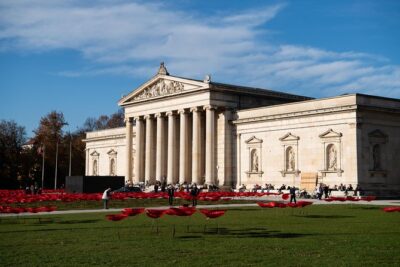
- Königsplatz: where mass politics took physical form
- Feldherrnhalle: the attempted seizure of power, explained on the ground
- Hofbräuhaus: the first mass meeting and the power of publicity
- Hofgarten and the White Rose: resistance where the story gets harder
- How much walking you will do, and what to bring
- Price and value for a 2.5-hour Nazi history walk
- Who this tour is for, and who should skip it
- Should you book this Third Reich & WWII walking tour in Munich?
- FAQ
- How long is the Third Reich & WWII walking tour?
- What is the tour price?
- Is the tour offered in English?
- Where does the tour start and where does it end?
- Do I need to buy an admission ticket?
- Is food or drink included?
- How big is the group?
- Is the tour appropriate for children?
- Are service animals allowed?
- Is free cancellation available?
- Is hotel pickup included?
Quick hits before you go
- Stops you can name: Marienplatz to Königsplatz area, with major sites like Feldherrnhalle and Hofbräuhaus along the way
- Small-group feel: capped around 10 people in many runs, with a stated overall maximum of 30
- Respectful tone: guides handle the heavy material with sensitivity and room to reflect
- Good for first-timers: it works even if you do not know the background, since the guide explains the buildup
- Carry snacks: there is not much time for breaks, so plan for quick stops
- Extra local context: guides often add how Munich remembers and copes with this past
Further wartime history walks we have written up
- Munich: Third Reich & WWII Walking Tour★ 4.6 · 6,181 reviews
- Third Reich Walking Tour Munich★ 4.5 · 4,291 reviews
- Munich: Birthplace of the Third Reich Guided Walking Tour★ 4.6 · 771 reviews
- Munich World War II Sites Including Dachau Concentration Camp★ 4.5 · 570 reviews
Where the story starts, and why the route makes sense
This is a walking tour that moves through central Munich like a timeline. The start is Marienplatz (80331), and the end is at the Königsplatz 1 area (80333), finishing at what is described as Hitler’s former headquarters. The point of the route is simple: you do not just see Nazi-era sites, you see how they fit together, geographically and politically.
In the early part of the story, Munich sits in a mess. After World War I, Germany is humiliated, and the economy is unstable. Munich adds gasoline to that chaos with political violence and revolution. That is the setting your guide uses to explain how the Nazi movement gained traction, not as a magic trick, but as a result of real conditions and real choices.
You should also know the tour’s tone is serious and focused. It is designed for adults and older teens, and it explicitly is not recommended for children under 12. If you are the type who likes hard topics handled with respect, this is a strong fit. If you want entertainment, this is the wrong sort of stroll.
Marienplatz to the Nazi rise: getting your bearings fast
Marienplatz is a smart place to start because it is where most people already land. From there, you walk into the parts of the city that shaped the Nazi movement’s early public face. Guides often keep you oriented with quick explanations of what you are looking at and what happened there, so you can follow without needing a textbook.
A good sign: many guides on this tour are described as interactive and built for questions. Alex and Michael, for example, are praised for keeping the pace lively while still covering a lot. Josh is repeatedly mentioned for handling the material in a way that stays honest and grounded, even when the topic gets tragic.
The tour also connects sites to everyday history. You are not only learning about speeches and marches. You are hearing about how the Nazi movement tried to shape life in the city during WWII, and how people later faced the consequences. That framing helps the landmarks stop being background scenery.
Königsplatz: where mass politics took physical form
Königsplatz is one of the most important stops because it shows how Nazi power needed space. Your guide explains it in the context of Germany moving from postwar defeat into political obsession, with Munich playing a key role. The Nazi movement used public gatherings to project strength, and Königsplatz became part of that stage.
This stop usually sets up several themes you will carry for the rest of the tour. The big one is that propaganda was not only words. It was organization, spectacle, and control of public emotion. Standing in the area and listening to the timeline makes the logic click: people were pulled into an illusion of order, even as the country was being pulled toward catastrophe.
You will also hear about resistance, not just perpetrators. The tour mentions the White Rose resistance movement connection in the Hofgarten area, which complements what you learn here at Königsplatz. It is a useful balance, because it keeps the story from becoming only a grim list of events.
Feldherrnhalle: the attempted seizure of power, explained on the ground
Next comes the era when the Nazi movement tried to turn street power into national power. Feldherrnhalle is tied to a failed attempt to seize control, and your guide uses it to explain what did not work and why.
This stop matters because it shows a turning point. It was not inevitable. The movement had to fight for attention and legitimacy, and it had to prove it could command public space. Your guide’s job here is to connect the moment to the later rise, so the story does not feel like disconnected incidents.
If you like context, you will probably enjoy how guides pace this section. The most praised guides are described as able to answer follow-up questions and keep the group engaged, even with dense subject matter. The goal is for you to leave understanding the mechanics of how a political movement grows, not just memorizing locations.
Other walking routes through Munich
Hofbräuhaus: the first mass meeting and the power of publicity
Hofbräuhaus shows up early in the story. The tour points to the start of the Nazi movement’s wider public momentum, including the first mass meetings there. This is where you start to see how the Nazis built their presence in the city, using places where people already gathered.
I like this stop because it makes the rise feel human in a grounded way. You are not picturing history from a distance. You are seeing how ordinary public venues can be used as launchpads when a movement learns how to capture attention.
The guide often ties this back to the emotional climate of the time: humiliation, economic stress, and political violence all creating openings for extreme answers. That is the thread that ties Hofbräuhaus to Feldherrnhalle and onward.
Hofgarten and the White Rose: resistance where the story gets harder
One of the best parts of the tour is where it leaves the Nazi spotlight and gives you the resistance story. The itinerary includes a stop in the Hofgarten area to talk about the White Rose. This is crucial, because it reminds you there were people who refused to go along, even when the risks were enormous.
Guides are praised for handling tragic events with sensitivity and for creating moments where the group can process quietly. If you have ever done a tour on a heavy topic, you know this is not automatic. Here, it sounds like the guides are trained to slow down when the story deserves it.
If you want a practical reason to care about this part: it changes how you remember the earlier locations. You do not only think about how the Nazi movement gained power. You also think about what it took to oppose it, and how courage looked in real time.
How much walking you will do, and what to bring
Plan on a lot of walking and standing. Multiple comments describe the tour as tiring, with limited rest. One person noted only a short sit-down break mid-tour, and another mentioned an indoor stop for about 15 minutes around the middle. That is helpful, but do not plan your whole day around a long café break.
So bring what keeps you steady: water, and I strongly suggest a snack. People specifically recommend taking food because there is little time to rest. Also bring layers. Cold weather comes up often, and guides do their best, but you will still be outside most of the time.
Comfort matters because this is also a listening tour. One caution from the experience: hearing can be tough. If you want the best audio, position yourself where the guide is easiest to hear, especially during crowded stretches near central sights.
Price and value for a 2.5-hour Nazi history walk
At $35.09 per person, you are paying for a professional guide and a route through multiple major sites. For Munich, that is a fair price for a focused, guided walk of roughly 2 hours 45 minutes. The value comes from coverage and explanation, not from tickets or extra activities, since admission ticket is not included.
Small group size is part of the value equation. The tour is described as limited to 10 people, and it also lists a maximum of 30 travelers overall. Either way, you should expect a format where the guide can keep an eye on the group and answer questions.
One more value point: the tour ends at a powerful historical location, not at some random street corner. Ending at Hitler’s former headquarters gives you a logical finish and makes it easier to extend your learning if you want to.
Who this tour is for, and who should skip it
This is a strong choice if you want an organized overview of Munich’s role in the Nazi rise, with key stops you can later connect on your own. If you have interest in modern German history, this tour is built for you, and it can work even if you start with little background because the guide provides context.
It also fits if you like Q and A. Many guides get praise for welcoming dialogue while still keeping control of the pace. Some guides even add helpful directions and suggestions afterward, which is a nice bonus when you are new to the area.
You should consider skipping if you need lots of breaks, or if you are not up for a serious, emotionally heavy topic. The tour also notes it is not recommended for children under 12, and the walking effort can be a factor for anyone with mobility limits.
Should you book this Third Reich & WWII walking tour in Munich?
Yes, if you want a guided route that turns famous buildings into a clear story of how the Nazi movement gained power, then lets you process that story with the resistance angle from the White Rose.
Book it if:
- You want a 2.5-hour walk that covers several major sites in one go
- You appreciate guides who treat the subject with respect and sensitivity
- You like asking questions and getting local context from someone running the route every day
Skip it if:
- You hate standing and walking with limited breaks
- You are looking for a light, casual tour
- You need guaranteed long rest stops or lots of indoor time
If you do book, do the simple prep that makes the tour feel smoother: dress warm, bring water, and keep your focus on the guide’s explanation of why each place mattered.
FAQ
How long is the Third Reich & WWII walking tour?
It lasts about 2 hours 45 minutes.
What is the tour price?
The price is $35.09 per person.
Is the tour offered in English?
Yes, it is offered in English.
Where does the tour start and where does it end?
It starts at Marienplatz, 80331 München, Germany and ends at Königsplatz 1, 80333 München, Germany at Hitler’s former headquarters.
Do I need to buy an admission ticket?
Admission ticket is not included.
Is food or drink included?
No, food and drinks are not included.
How big is the group?
The tour is limited to 10 people, and it also lists a maximum of 30 travelers.
Is the tour appropriate for children?
It is not recommended for children under 12.
Are service animals allowed?
Yes, service animals are allowed.
Is free cancellation available?
Free cancellation is available up to 24 hours in advance for a full refund.
Is hotel pickup included?
No, hotel pickup and drop-off are not included.
If you want, tell me what time of year you are going and your comfort with walking, and I can help you plan a smooth half-day around it.
Pavements of Munich
Wartime History Walks We Have Reviewed
Everything else we filed on Munich
- Munich Beer and Bavarian Bites Private Tour
★ 5.0 · 11 reviews - Private Day Trip from Munich to Neuschwanstein and Linderhof
★ 4.0 · 11 reviews - Private Munich Old Town Walking Tour – with optional Breakfast
★ 5.0 · 11 reviews - Festive Concert in the All-Saints Court Church
★ 4.6 · 11 reviews - Private Castle Tour from Munich: Neuschwanstein, Hohenschwangau, and Linderhof
★ 4.5 · 12 reviews - Munich: Oktoberfest Big Beer Tent Evening including table reservation
★ 4.8 · 12 reviews
Third Reich and Wartime History Tours, side by side.
 ★ 4.9Berlin: Third Reich and Cold War 2 Hour Walking TourFrom $236,830 reviews
 ★ 4.6Munich: Third Reich & WWII Walking TourFrom $316,181 reviews
 ★ 5.0Berlin’s Best: 2 Hour Walking Tour Third Reich and the Cold WarFrom $245,486 reviews
 ★ 4.5Third Reich Walking Tour MunichFrom $454,291 reviews
 ★ 5.0Third Reich Berlin: Hitler and WWII Walking TourFrom $243,301 reviews
 ★ 4.7Nuremberg: Walking Tour of Former Nazi Party Rally GroundsFrom $151,665 reviews
 ★ 4.9Berlin: Third Reich, Hitler, and WWII Walking TourFrom $201,133 reviews
 ★ 4.8Nuremberg: Historischer Kunstbunker WWII Art Bunker TourFrom $14921 reviews
Other lists this tour is on