
REVIEW · WARTIME HISTORY
National Socialism WWII with licensed guide – private tour
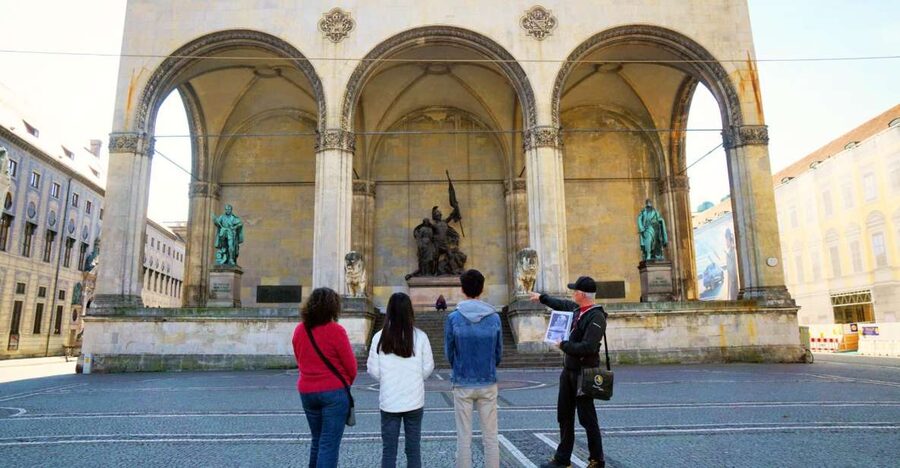
Munich keeps receipts. This private, licensed walking tour follows the Third Reich’s key sites while explaining how National Socialism took hold. You start at Odeonsplatz near Feldherrnhalle, then work your way toward Königsplatz and the NS Documentation Centre with a guide who uses clear visuals and photo material.
I love two things most: the way the guide connects buildings to real decisions and propaganda, and the focus on resistance, not just the Nazis’ power. A possible drawback is that this is a heavy subject, and the tour is explicitly not for Nazi fans or right-wing extremists.
One more consideration: the walk is only about two hours, so you get strong highlights and context, but not unlimited time at each location. You’ll do best if you come with curiosity and a willingness to face uncomfortable history directly.
In This Review
- Key takeaways before you go
- Munich’s Nazi past, told with focus and restraint
- Meeting at Feldherrnhalle, and why Odeonsplatz sets the tone
- Feldherrnhalle twice, because symbolism works in layers
- Court garden resistance monument, and the idea of opposing power
- LMU stop and the White Rose: resistance as words on paper
- The Square for Victims of National Socialism: names behind the symbols
- House of German Art and control of culture
- Galeriestraße and the Degenerate Art exhibition location
- Munich Residenz stop, and the city context behind the politics
- Karolinenplatz: the main sponsors behind the movement
- Königsplatz finale: Brown House, Führerbau, and the NS Documentation Centre
- Price and what $259 per group buys you
- Who this tour suits best
- Should you book this private Nazi Munich walking tour?
- FAQ
- Where is the meeting point, and where does the tour end?
- How long is the private tour?
- Is this tour truly private, and how big can the group be?
- What sites and themes will I see during the walk?
- Does the tour include admission to the NS Documentation Centre?
- What languages are offered for the live guided tour?
- Is the tour wheelchair accessible?
- Who leads the tour, and what experience do they have?
- Can I cancel, and is pay later available?
Key takeaways before you go
- Licensed guide Wolfgang Brehm leads the tour, with more than 10 years of experience and professional, certified instruction.
- A tight two-hour route hits the major Nazi landmarks, so you do not waste time guessing what matters.
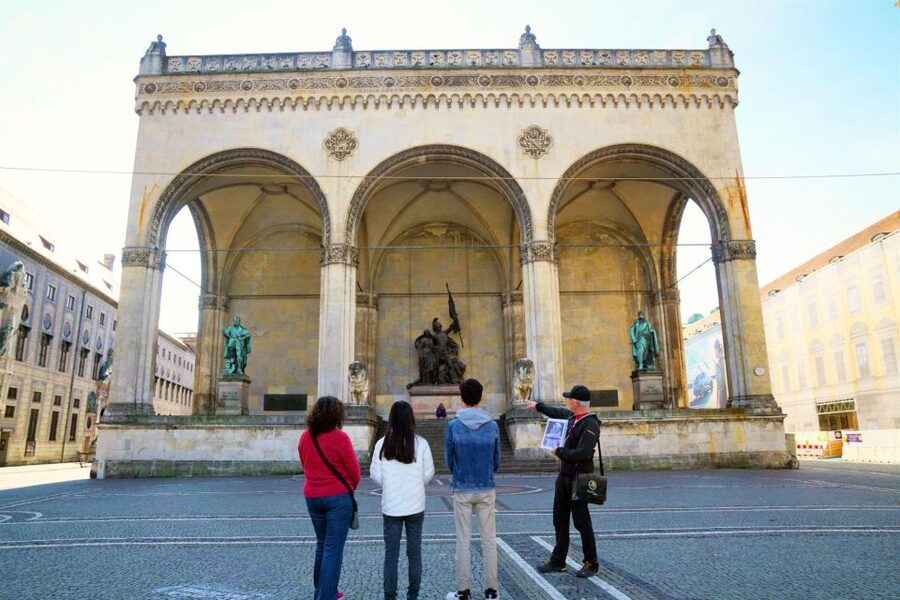
- You see and discuss Feldherrnhalle and the Hitler coup story, including monuments tied to the deceased putschists.
- Resistance gets real coverage, including a stop connected to the White Rose at LMU and a resistance monument in the court garden.
- Third Reich control over culture is central, with Haus der Kunst and the location tied to the Degenerate Art exhibition.
- NS Documentation Centre is the finale, with guided orientation and an optional visit afterward (admission not included).
Further wartime history walks we have written up
- Munich: Third Reich & WWII Walking Tour★ 4.6 · 6,181 reviews
- Third Reich Walking Tour Munich★ 4.5 · 4,291 reviews
- Munich: Birthplace of the Third Reich Guided Walking Tour★ 4.6 · 771 reviews
- Munich World War II Sites Including Dachau Concentration Camp★ 4.5 · 570 reviews
Munich’s Nazi past, told with focus and restraint
National Socialism did not start in a vacuum, and Munich is where it learned to walk. This tour is designed to help you understand the origins, where Hitler came into the city’s orbit, how the NSDAP gained momentum, and how that momentum showed up in bricks, symbols, and public space. If you like your history grounded in real places you can stand on, this is the kind of tour that clicks.
I also like the tone. The tour is built for education, and the provider specifically notes it is not for right-wing radical or Nazi fans. That matters, because when the subject is this dark, you want a guide who can keep the focus on facts, victims, and resistance.
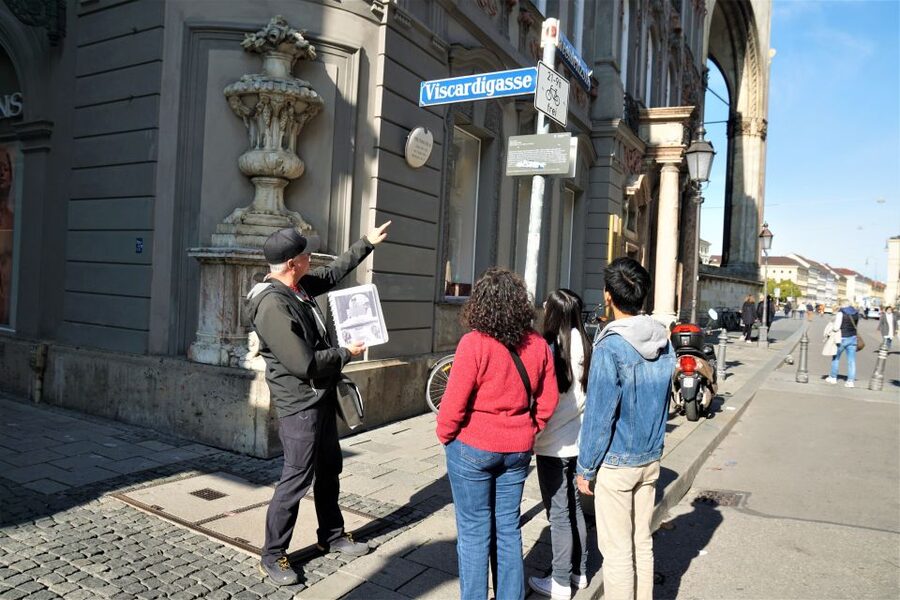
The guided format is practical. You are not just looking at plaques; you are getting explanations that connect what you see to the broader story, and you get help with context when things feel confusing. The guide also brings extensive photo material to support what you are hearing, which helps your brain turn landmarks into meaning instead of just screenshots.
Meeting at Feldherrnhalle, and why Odeonsplatz sets the tone
You meet at the steps at Feldherrnhalle at Odeonsplatz. That is not a random choice. This area is one of the most recognizable stages tied to Nazi symbolism, and starting here gives you a framework right away.
From the first moments, the guide lays out why Hitler came to Munich, where he lived, and how he made a living. You also get the early movement story, including how the NSDAP started. This is the sort of introduction that makes later stops easier, because you understand the “who, when, and why” before the tour throws monuments at you.
Then you begin tracing the Hitler coup story. At Feldherrnhalle, you see exactly where the coup ended and you learn about the former monument erected for the deceased putschists. The point is not just to memorize a location. The point is to see how power uses architecture and public space to declare legitimacy and control the narrative.
Feldherrnhalle twice, because symbolism works in layers
The tour gives you more than one guided look around Feldherrnhalle. That might sound like repetition, but it usually means the guide is pulling out different layers of meaning as you walk. You are learning how the Nazi movement framed itself, how it tried to turn a failed moment into a myth, and how that myth still shows up in what you see today.
One way this helps you is by slowing down your reading of the site. Without guidance, a large building and a dramatic setting can feel like just a photo op. With a guide, you start noticing the intent behind what is presented, and you learn what details matter.
The route also uses photo material to connect the past to the present view. That is especially useful here, because the site’s visual impact can overwhelm your ability to interpret it. Photos let you compare what propaganda tried to show with what is actually still visible now.
Court garden resistance monument, and the idea of opposing power
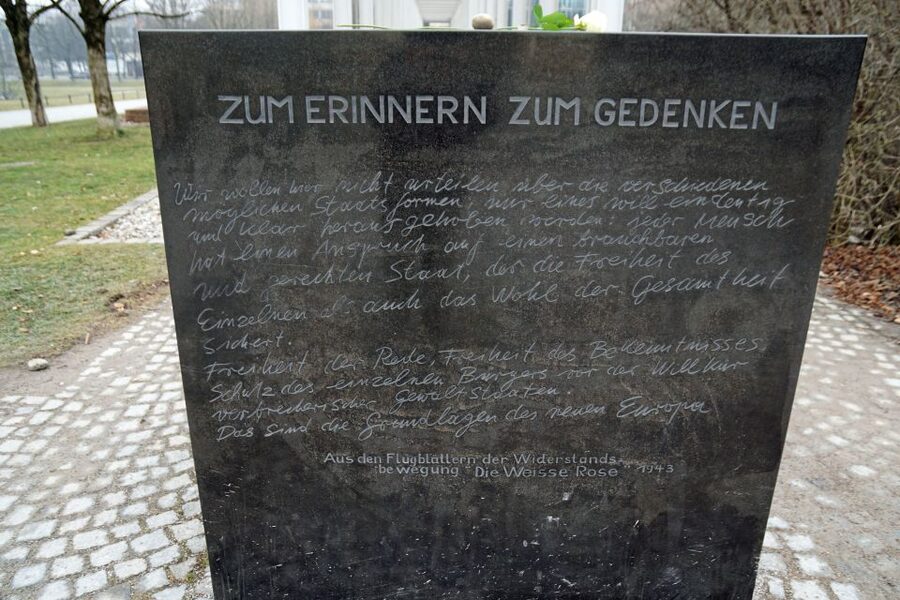
After the Feldherrnhalle focus, you move toward the court garden. This is where the tour deliberately changes your angle. Instead of staying trapped in Nazi staging, you get introduced to a monument erected for resistance fighters.
That shift is important for your understanding. If you only study the Nazi system, you end up with a one-sided picture. By inserting a resistance stop early, the guide pushes you to think about how opposition formed and how the regime met resistance.
The guide ties this back to the broader Munich story, including how opposition groups and individuals worked under extreme risk. Even if you already know the big events, this stop helps you see resistance as something grounded in real people and real choices, not just a footnote.

LMU stop and the White Rose: resistance as words on paper
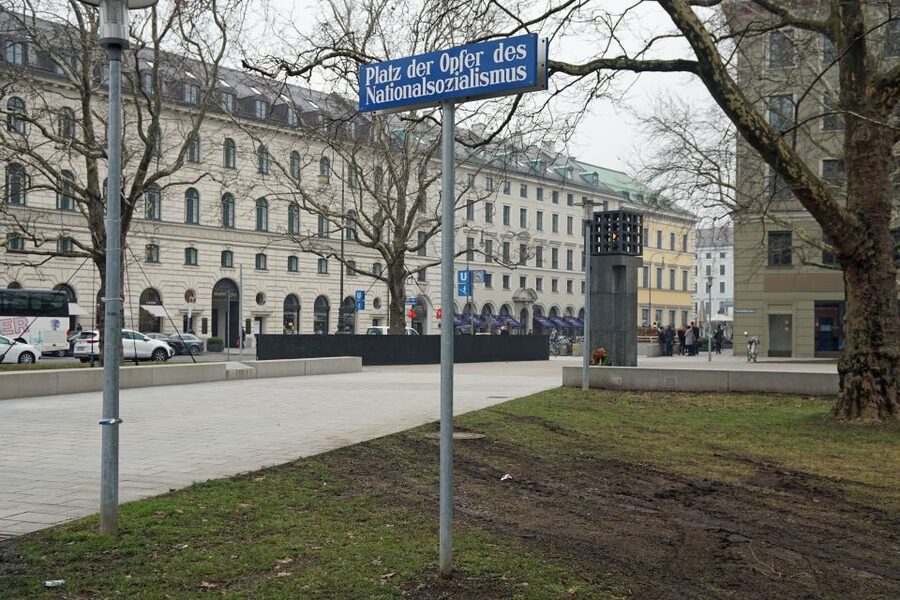
One of my favorite parts of the walk is the moment you get to the largest university in Germany, LMU. Here, the tour focuses on a well-known resistance group called the White Rose, including how they created flyers and how the leaders were ultimately beheaded at the end.
This is where the tour becomes very human. Flyers sound abstract until a guide helps you picture what the regime was trying to shut down and what courage looked like in practice. You also get a sense of how resistance could use communication as a weapon, even when the state had guns, prisons, and propaganda.
If you have students in your group, this section is especially useful. One of the practical strengths of the tour is that it translates complex ideas into something you can use for school learning. I like that it gives you concrete examples you can connect to themes like censorship, conformity, and civic responsibility.
The Square for Victims of National Socialism: names behind the symbols
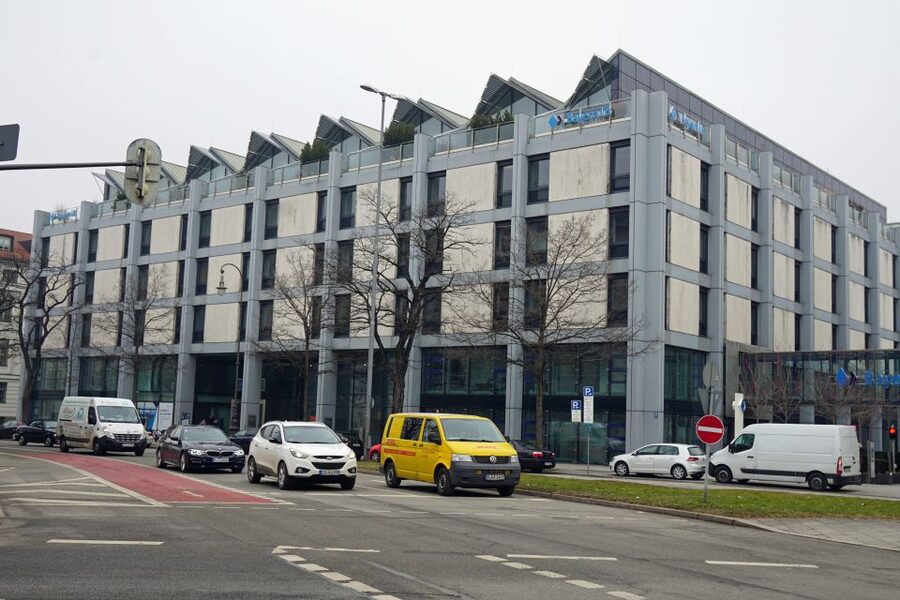
From LMU, you continue to the Square for the Victims of National Socialism. This stop is guided for about 10 minutes, and it is structured to answer a core question: who the victims were.
You can think of this as the tour’s moral center. Nazi sites are full of grand design and aggressive messaging, but this square forces the story back onto suffering and loss. The guide helps you understand that the regime’s “success” came with systematic harm.
A quick note on how to prepare yourself: this part can feel emotionally direct. If you know you want to manage your energy, pace your expectations and give yourself a minute before you take photos. The setting is designed for remembrance, not casual sightseeing.
House of German Art and control of culture
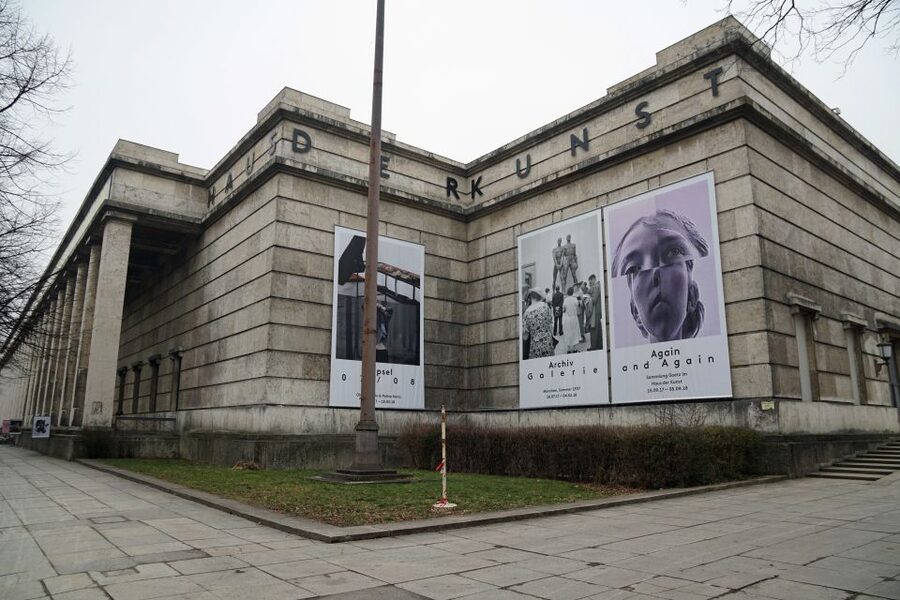
Next you reach Haus der Kunst, described in English as the House of German Art. This is one of the clearest places to understand how the Nazis shaped culture. The tour explains how the Nazis influenced art, turning artistic choices into political choices.
In practical terms, this matters because art is often treated like a side topic in history. Here, you see how the regime treated culture as a tool for identity, ideology, and social pressure. Even if you are not a museum person, you will still understand why the building fits the story.
The guide connects the themes with other nearby locations as well, so the learning does not get trapped inside one doorway. You come away understanding that this was not just about personal taste. It was about what a regime wanted society to accept as normal.
Galeriestraße and the Degenerate Art exhibition location
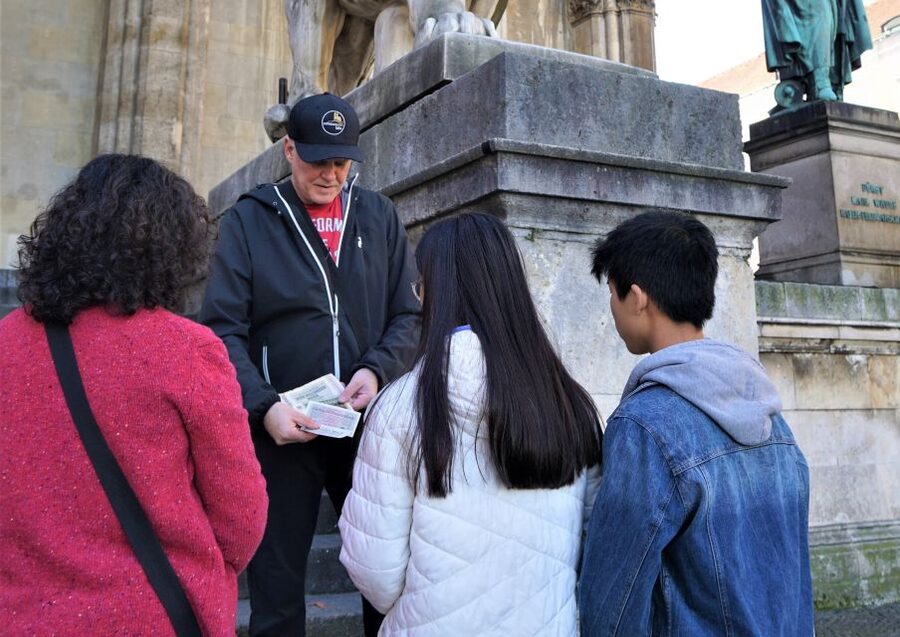
You also stop in the area of Galeriestraße, where you can still see the exact place tied to the exhibition called Degenerate Art. The value here is location-based learning. Instead of treating the phrase as a vague concept, you see how public messaging was stitched into the city.
This part works well if you like “show me” history. You are being pointed to where propaganda and cultural labeling happened in public view. The guide’s photo material helps too, since it gives you a sense of what those messages looked like and how they were presented.
One drawback of this style of tour is pacing. Degenerate Art is a subject that could easily fill a full museum visit on its own. In a two-hour format, you are getting guidance and direction, not a complete art history lecture. If you want more, treat this as your starter map, then consider following up on your own.
Munich Residenz stop, and the city context behind the politics
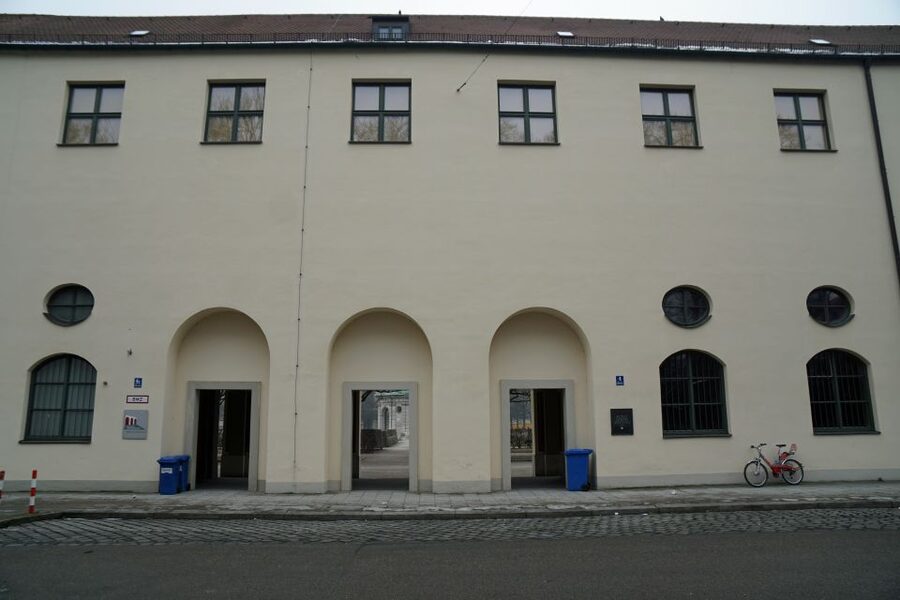
At Munich Residenz, the guide spends time connecting the Nazi story to the wider city. The Residenz area helps you remember that Munich was not an isolated stage where one ideology acted alone. It was a living city where power moved through institutions, symbolism, and prominent spaces.
This stop gives you breathing room from the most emotionally intense scenes, while still keeping the story grounded. You are learning how the regime used visibility, access, and high-status settings to build legitimacy.
If you enjoy urban history, this is a useful hinge point. It reminds you that politics does not float above daily life. It plugs into buildings and routines, into where leaders appear and where messages can be staged.
Karolinenplatz: the main sponsors behind the movement
At Karolinenplatz, the tour focuses on the main sponsors of the Nazis. This is an underrated part of the story, because people often imagine ideology spreading only through speeches and street marches. The guide brings in how key supporters helped the system grow and endure.
For you, this section can change how you think about “who made it happen.” It pushes beyond the famous names and points to the network around the movement. That network angle tends to make the history feel more realistic and less like myth.
The stop also fits the walking structure well. It keeps the route moving while still broadening the narrative. You are not just collecting Nazi buildings like stamps. You are building a map of influence.
Königsplatz finale: Brown House, Führerbau, and the NS Documentation Centre
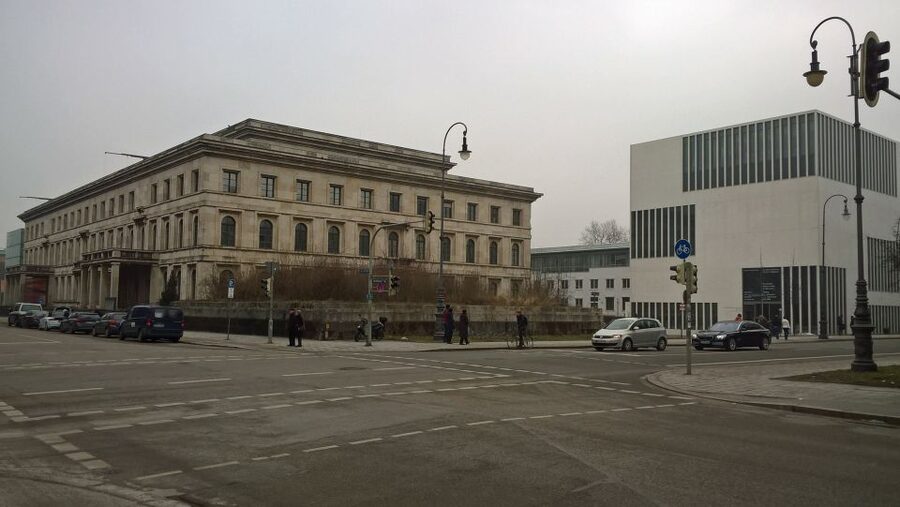
The tour ends at Königsplatz, at Königsplatz 1. This is where the architecture starts to feel like a strategy. The guide walks you through the Nazi party center in Munich, including the Nazi headquarters known as the Brown House, the Führer building, and the NSDAP administration.
You hear about Hitler’s office and how the party’s power structure translated into physical space. The idea is not only what these buildings were. It is how they were used to project order, permanence, and authority.
Then comes the NS Documentation Centre. The tour includes a guided stop there, with the centre opened in 2015. The guide also makes it easy to decide what to do next, because you have the opportunity to visit the NS Documentation Centre after the tour. Admission is not included, so it is worth planning a little extra time and budget if you want the deeper museum-style experience.
This finale is the best place to pause and take everything in. You start at the dramatic stage of Feldherrnhalle and end where modern documentation invites you to confront the facts directly. For me, that contrast is the whole point.
Price and what $259 per group buys you
The price is $259 per group up to 30 people, and the tour lasts about two hours. In other words, you are paying for a guide and a structured learning walk, not a per-person museum ticket. That can be good value if you are traveling as a small group and you want your own pacing and questions answered.
If you are solo, it can still be worth it when you want an expert guide who knows how to connect symbols to story fast. The tour is built for momentum. You get a focused run through multiple key sites, plus extensive photo material, which is hard to replicate on your own without turning into a self-guided scavenger hunt.
You do not get NS Documentation Centre admission included. That is the main “extra” expense to think about. If you plan to go inside after the walk, budget for that separately and you will feel fully satisfied at the end.
Who this tour suits best
This tour fits best if you want your Munich history grounded in place. I think it is a strong choice for anyone studying WWII and the origins of National Socialism, because the walk connects the story to the exact locations where the movement built credibility.
It is also a good option for people who like resistance stories with specifics, not just a general vibe. The focus on the White Rose at LMU and the resistance monument in the court garden gives you an important counterweight.
If you are uncomfortable with serious topics, bring your own pace and expectations. This is not light entertainment. It is a guided educational walk through some of the darkest public history Europe has in living memory.
Should you book this private Nazi Munich walking tour?
Book it if you want a guided, place-based understanding of how National Socialism took hold in Munich, including resistance and victims, not only the Nazi iconography. I also recommend it if you like learning with visuals, since the guide uses extensive photo material to make the story click.
Skip it if you are looking for a casual sightseeing stroll or if you prefer history that stays safely abstract. This walk is direct, structured, and built to face facts. If you want a thoughtful orientation that ends at the NS Documentation Centre, this private format is a solid way to do it in two hours.
FAQ
Where is the meeting point, and where does the tour end?
You meet at the steps at Feldherrnhalle at Odeonsplatz. The tour finishes at Königsplatz 1, 80333 München, Germany.
How long is the private tour?
The duration is two hours.
Is this tour truly private, and how big can the group be?
It is a private group. The pricing is listed per group up to 30.
What sites and themes will I see during the walk?
You will cover key Nazi-related locations around Munich, learn about the origins of National Socialism and the NSDAP, and explore resistance in Munich, including the White Rose. The tour also addresses Nazi influence on art and includes stops connected to public victims memorials.
Does the tour include admission to the NS Documentation Centre?
No. Admission to the NS Documentation Centre is not included, though you will have the chance to visit after the tour.
What languages are offered for the live guided tour?
The live tour is available in English and German.
Is the tour wheelchair accessible?
Yes, the tour is wheelchair accessible.
Who leads the tour, and what experience do they have?
The tour uses a professional and certified guide with more than 10 years of experience. The experience provider is schwarzgold.info, led by Wolfgang Brehm.
Can I cancel, and is pay later available?
Free cancellation is available up to 24 hours in advance for a full refund. Reserve now & pay later is also offered.
Wartime History Walks We Have Reviewed
Everything else we filed on Munich
- Munich Beer and Bavarian Bites Private Tour
★ 5.0 · 11 reviews - Private Day Trip from Munich to Neuschwanstein and Linderhof
★ 4.0 · 11 reviews - Private Munich Old Town Walking Tour – with optional Breakfast
★ 5.0 · 11 reviews - Festive Concert in the All-Saints Court Church
★ 4.6 · 11 reviews - Private Castle Tour from Munich: Neuschwanstein, Hohenschwangau, and Linderhof
★ 4.5 · 12 reviews - Munich: Oktoberfest Big Beer Tent Evening including table reservation
★ 4.8 · 12 reviews
Third Reich and Wartime History Tours, side by side.
 ★ 4.9Berlin: Third Reich and Cold War 2 Hour Walking TourFrom $236,830 reviews
 ★ 4.6Munich: Third Reich & WWII Walking TourFrom $316,181 reviews
 ★ 5.0Berlin’s Best: 2 Hour Walking Tour Third Reich and the Cold WarFrom $245,486 reviews
 ★ 4.5Third Reich Walking Tour MunichFrom $454,291 reviews
 ★ 5.0Third Reich Berlin: Hitler and WWII Walking TourFrom $243,301 reviews
 ★ 4.7Nuremberg: Walking Tour of Former Nazi Party Rally GroundsFrom $151,665 reviews
 ★ 4.9Berlin: Third Reich, Hitler, and WWII Walking TourFrom $201,133 reviews
 ★ 4.8Nuremberg: Historischer Kunstbunker WWII Art Bunker TourFrom $14921 reviews
Other lists this tour is on