
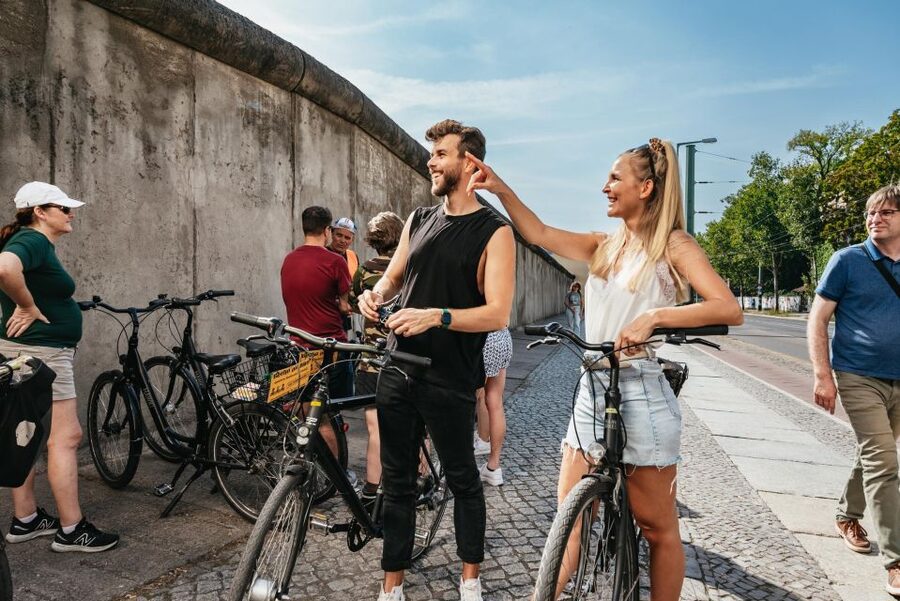
REVIEW · COLD WAR BERLIN
Berlin: Cold War Era History Guided Bike Tour
Pedal past the Cold War’s scars. This guided bike tour stitches together street-level scenes of division and freedom, with Berlin Wall remnants and major landmarks you can actually reach by bicycle.
I like how the tour turns landmarks like the Brandenburg Gate into stories about everyday lives, escape attempts, and the Wall’s legacy. I also love that it stays practical, covering about 15 kilometers at a relaxed pace.
One consideration: it’s not suitable for children under 8, and you’ll need to be comfortable riding through busy parts of the city at times.
In This Review
- Key highlights at a glance
- Why a Cold War bike tour works in Berlin
- Getting started at the Berlin on Bike depot near Kulturbrauerei
- Before you ride, it’s all about the small comfort details
- Riding the former border corridor, with Mauerpark and Bernauerstraße in your path
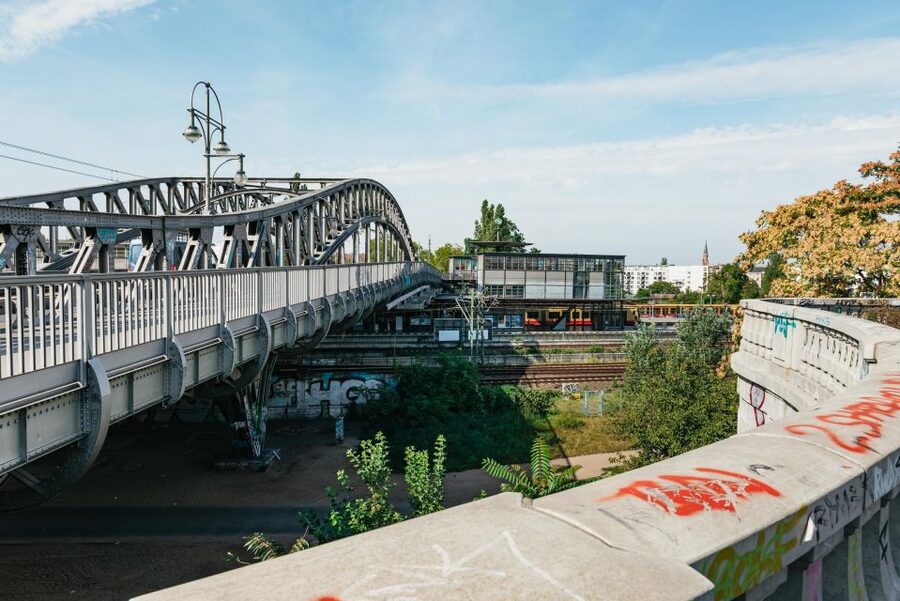
- Bornholmerstraße, the escape attempts, and the last watchtower
- Checkpoint Charlie: Cold War symbols you can see, not just read about
- Brandenburg Gate and Wall fragments: a meaningful finish to the ride
- Pace, distance, and how to make the day feel easy
- Guides make the difference: storytelling, humor, and clear answers
- Price and value: how $35 turns into a half-day you’ll remember
- Who should book this bike tour, and who might not
- Should you book Berlin: Cold War Era History Guided Bike Tour?
- FAQ
- How long is the Berlin Cold War bike tour?
- How far do we ride?
- Where does the tour start?
- What Cold War sites are included?
- Is a bicycle included, and can I choose one?
- What’s included besides the bike and guide?
- What languages is the live guide available in?
- What should I bring, and is it suitable for kids?
Key highlights at a glance
- Kulturbrauerei start in Prenzlauer Berg sets a charming tone before you hit the Wall corridor
- Wall-line routing includes big names like Mauerpark and Bernauerstraße
- Checkpoint Charlie and Bornholmerstraße bring Cold War symbols to life at street level
- Last watchtower and escape stories give the history a human scale, not just facts
- Smart add-ons like trouser clips, sunscreen, and rain ponchos make the bike ride easier
More of the divided city, written up in full
- Berlin: Third Reich and Cold War 2 Hour Walking Tour★ 4.9 · 6,830 reviews
- Berlin: Berlin Story Bunker Entry Ticket★ 4.6 · 6,759 reviews
- Berlin’s Best: 2 Hour Walking Tour Third Reich and the Cold War★ 5.0 · 5,486 reviews
- Berlin: 75-minute Trabi Safari★ 4.8 · 2,854 reviews
Why a Cold War bike tour works in Berlin
Berlin is the kind of city where history is not locked behind glass. It sits in the street grid, along former borders, and around landmarks you see on postcards. A bike tour helps you cover distance without turning the day into a sprint.
This one does a great job focusing on Cold War-era chapters you can connect as you ride. You’re not just looking at plaques. You’re moving along the routes where people lived, planned escapes, and watched the border change.
Best of all, the tour aims for balance. You’ll hear about both the dramatic and the tragic sides of the Wall period, and the guide’s tone matters here. Some guides on this route also use photos and diagrams to keep the story clear while you’re still rolling.
Getting started at the Berlin on Bike depot near Kulturbrauerei
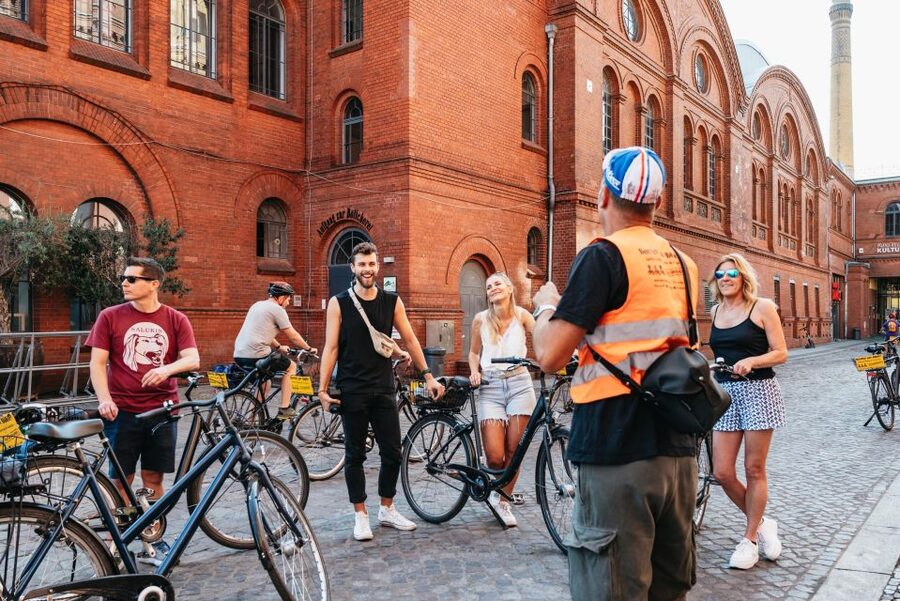
The tour starts at the Berlin on Bike depot inside the Kulturbrauerei complex in Prenzlauer Berg. It’s a nice way to begin because you’re in a lively, historic setting before the day gets heavy with border stories.
If you’re coming from Alexanderplatz, the nearest metro stop is Eberswalder Straße. Take the U2 (red line) toward Pankow for three stops. Exit the station on the side opposite your direction of travel, follow signs for Kulturbrauerei, then walk along Danziger Straße for about 150 meters. Turn right onto Knaackstraße, continue about 50 meters, then enter through the large doorway into the Kulturbrauerei complex, and follow the yellow signs to the bike depot.
You choose a bicycle from a large fleet, so you can match the bike to your comfort level. The day runs with a practical mindset: you’ll be given essentials designed for an actual ride, not just a casual sightseeing loop.
Before you ride, it’s all about the small comfort details

This tour takes “show up comfortable” seriously. You’re covering around 15 kilometers, and you’ll ride a relaxed pace, but you’ll still feel it if you start the day in the wrong shoes or with stiff clothes.
Included gear helps a lot:
- Bicycle plus a live guide
- Helmet and gloves available upon request
- Sunscreen
- Trouser clips (a very Berlin solution for keeping pant legs tidy near the bike)
- Rain ponchos if weather turns
A smart tip from past riders: if you’re picky about bike mechanics, pay attention to the brake type when you select your bike. One caution I’d take seriously is avoiding a coaster-brake bike unless you already know how it feels.
Also note the rules are straightforward: alcohol and drugs are not allowed. That keeps the vibe safe and focused, especially when you’re talking about sensitive history.
Riding the former border corridor, with Mauerpark and Bernauerstraße in your path
After you’re set with your bike, you head out from Prenzlauer Berg and into the border story. The route follows the former line that split East and West Berlin, and you’ll see remains and markers as you go.
Two stops stand out in the flow: Mauerpark and Bernauerstraße. Mauerpark is one of those places where Berlin’s present energy shows up in the middle of a past you can’t ignore. Bernauerstraße helps you understand why this area mattered so much. This is where physical remnants and memory sit close together, so the guide can explain how the Wall shaped daily movement and the stakes of trying to cross.
The biking part is key for the experience. Berlin can feel big on foot, and cycling keeps you from losing time between sites. It also gives you steady sightlines, so you can absorb the “where” of each story, not just hear it.
More history walks in Berlin
Bornholmerstraße, the escape attempts, and the last watchtower
Cold War history gets real when it turns into specific attempts and choices. This tour does that by focusing on border crossings and the people who tried to leave.
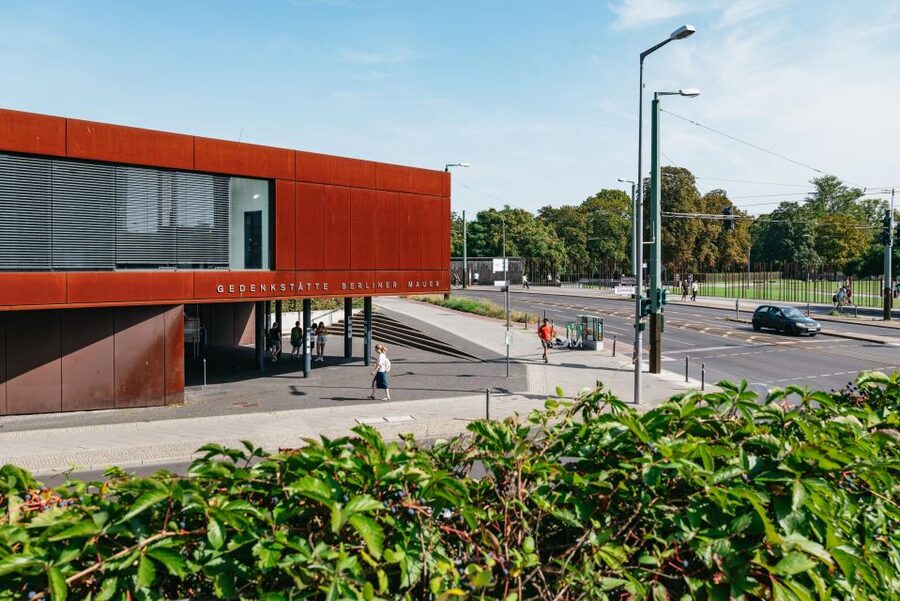
You’ll visit former crossing points, including Bornholmerstraße, and you’ll hear stories about both successful and tragic escape attempts. The point is not shock value. It’s context, why routes mattered, and what the Wall’s presence changed in people’s lives.
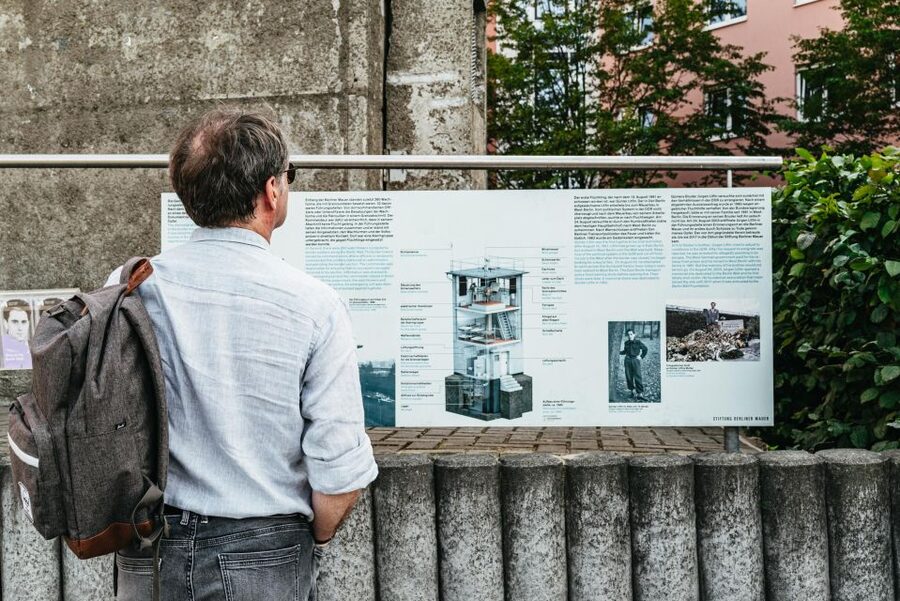
One highlight is a stop connected to one of the last watchtowers. Watchtowers are easy to misunderstand if you treat them like scenery. With a guide, you get the job they played, and how surveillance shaped behavior on both sides of the border.
If you care about human-scale history, this portion is often the reason people recommend the tour. The best guides slow down at the right moments and answer questions without rushing you back onto the bike.
Checkpoint Charlie: Cold War symbols you can see, not just read about
If you’ve seen photos of Berlin’s division, you’ve probably seen Checkpoint Charlie. On this tour, it’s not just a “famous spot.” You’ll get the meaning behind why symbols like this one mattered so much to the Cold War public story.
This is where the tour shines at connecting the big narrative to the street reality. You’ll ride up to the area, pause, and learn how checkpoints and border control became visible signs of power.
One of the useful things about having a live guide here is that you can ask follow-up questions on the spot. If something feels confusing, you’re not stuck reading a wall of text while your feet wander. You can ask, then move on and test your new understanding against what you see around you.
Also, the tone can help. Some guides have been praised for explaining the Cold War from a more neutral perspective, which is a good fit for visitors who want clarity without propaganda-level messaging.
Brandenburg Gate and Wall fragments: a meaningful finish to the ride
The tour ends in a classic Berlin viewpoint: you pedal from the Wall area through the route toward the Brandenburg Gate. Your guide explains the gate’s 18th-century origins, which matters because it anchors the Cold War story in a longer timeline of Berlin itself.
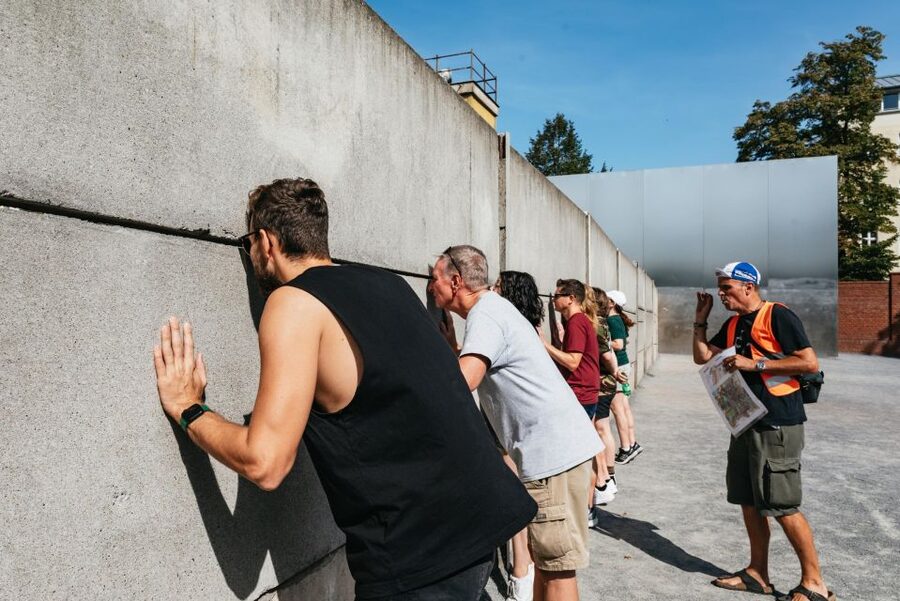
Along the way, you’ll also see fragments of the Berlin Wall. That’s one of the most powerful parts of cycling this route. A fragment on its own can feel like a museum object. Seen in motion, with the guide connecting it to where the border ran and how people reacted, it hits differently.
When you reach the Brandenburg Gate area, you get the payoff: a wide, iconic view that you can finally connect to everything you learned earlier. Then you return back to the bike shop to drop off your bicycle, keeping the day’s arc clean and simple.
Pace, distance, and how to make the day feel easy
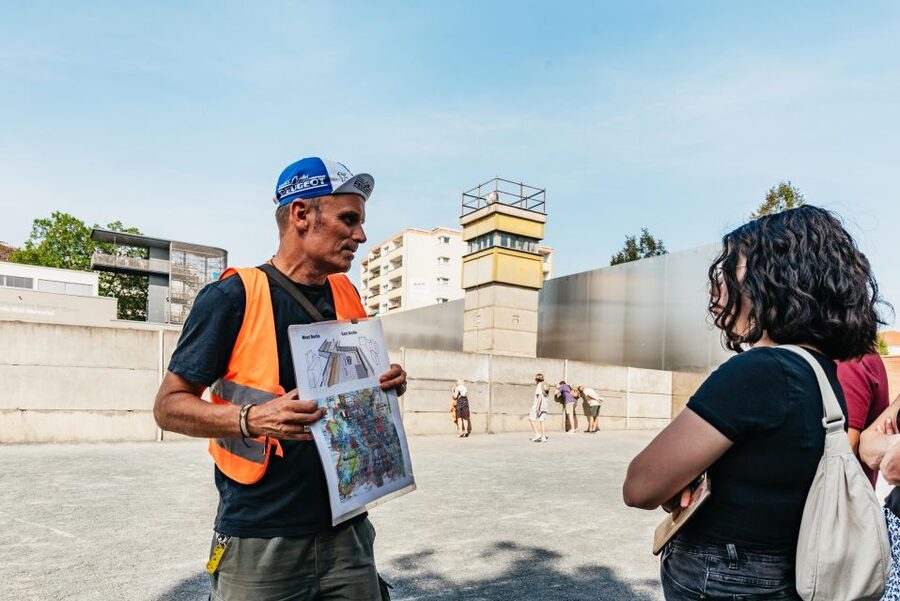
This tour is designed as a 3 to 3.5 hour experience at a relaxed pace, covering about 15 kilometers. That’s a sweet spot for most visitors: long enough to feel like you covered real ground, short enough that you’re not wiped out by evening plans.
The roads are part of the reason biking works so well in Berlin. Even with city traffic, the route is built for a guided group ride, so you’re not constantly second-guessing directions or bike safety.
That said, Berlin has events. One past experience noted that the Berlin Half Marathon can interfere with the route timing and flow. The practical takeaway: build a little flexibility into your schedule. If the city is busy, your guide may adjust the route to keep the group moving safely.
Guides make the difference: storytelling, humor, and clear answers
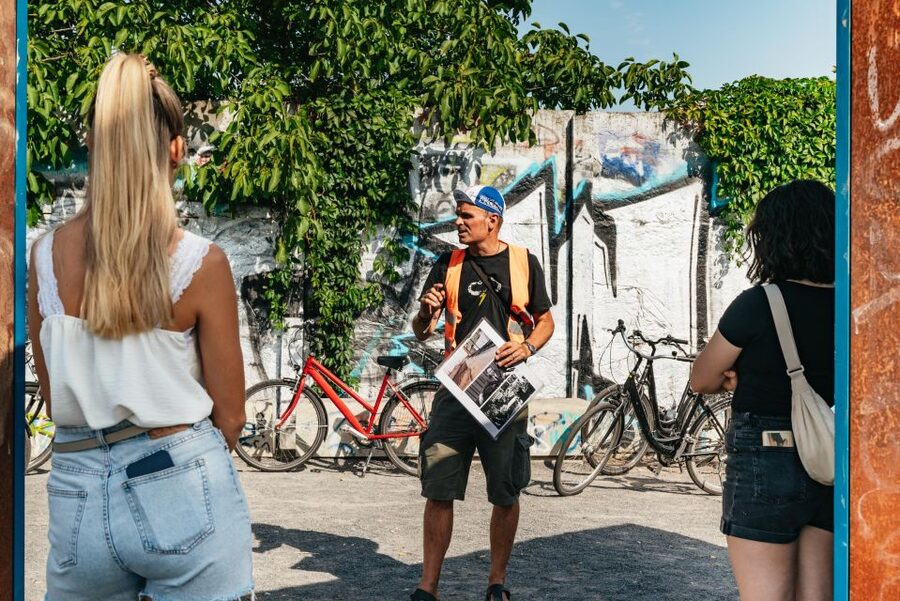
The guide experience is a standout theme in the feedback for this tour. You’ll see a pattern: guides who can explain the Cold War story clearly, then keep it engaging with humor and patience.
Names that have come up include Paul, Paul T, Oleg, Geoff, Lauren, Anha, Anna, Almar, and Andy, plus James. While each guide brings their own style, the consistent thread is that they handle questions well and focus on the right details as you ride.
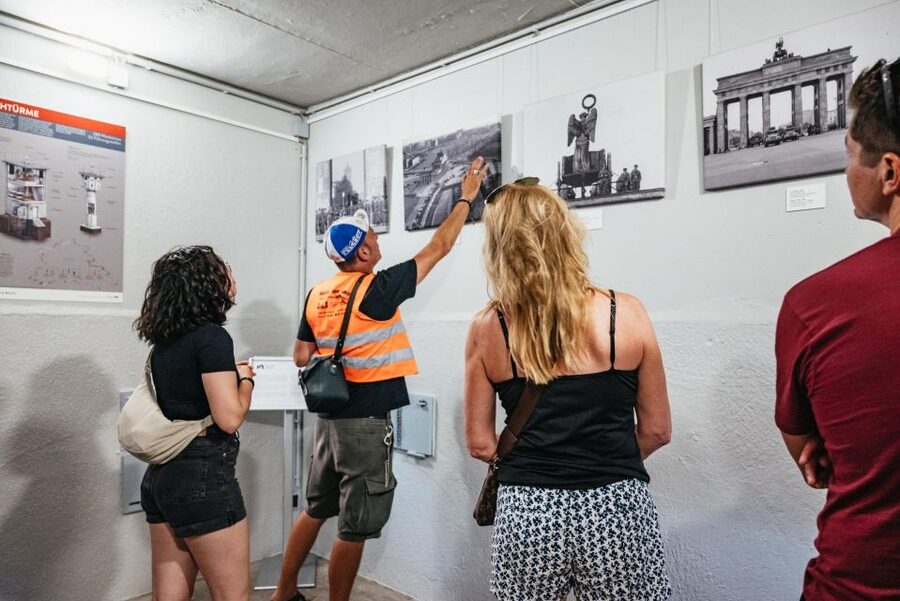
Some guides also add visual support. One rider mentioned photos and diagrams used to enhance the tour. That’s genuinely useful because you’re learning while moving through real space, so pictures help you map the story faster.
If you want a tour that feels like a conversation rather than a lecture, this setup fits well.
Price and value: how $35 turns into a half-day you’ll remember
At $35 per person, this tour is priced like a solid value for what you’re getting. You’re buying three things at once: transportation around multiple key sites, a live guide to explain the Cold War story at street level, and included ride comfort items like trouser clips and rain ponchos when needed.
If you tried to do this route on your own, you’d likely spend time figuring out where Wall remnants are, where checkpoint history happened, and how to connect those pieces into one coherent narrative. Here, the guide does that linking work as you ride.
It’s also good value compared with paying for multiple separate stops. You get a chain of related locations in one day, with a natural rhythm: ride, pause, learn, ride again.
Who should book this bike tour, and who might not
I’d book this if you want Cold War history you can feel in your legs and see through your eyes. It’s a strong choice if you enjoy learning as you move and you’re comfortable riding about 15 kilometers.
This is also a good fit if you want famous landmarks like Checkpoint Charlie and the Brandenburg Gate, but you’d rather understand them than just photograph them.
Skip it or consider an alternate option if you:
- aren’t comfortable biking for several hours
- are traveling with children under 8 (this tour is not suitable for them)
- want a history experience that is strictly museum-based, with no on-bike time
Should you book Berlin: Cold War Era History Guided Bike Tour?
Yes, if your goal is a practical, high-impact Cold War overview that combines iconic sights with the real border context. The included ride gear and the relaxed pace make it approachable, and the guide-led storytelling at places like Bornholmerstraße, Checkpoint Charlie, and the last watchtower is the kind of history that sticks.
Book it especially if you like two things: cycling through Berlin’s neighborhoods and learning how big political events shaped ordinary lives. This tour is built for exactly that sweet spot.
FAQ
How long is the Berlin Cold War bike tour?
The tour lasts about 3 to 3.5 hours.
How far do we ride?
The route covers approximately 15 kilometers at a relaxed pace.
Where does the tour start?
It starts at the Berlin on Bike depot inside the Kulturbrauerei complex in Prenzlauer Berg. The nearest metro station is Eberswalder Straße.
What Cold War sites are included?
You’ll see highlights such as the Brandenburg Gate, Mauerpark, Checkpoint Charlie, Berlin Wall fragments, former border crossings like Bornholmerstraße, and a stop connected to one of the last watchtowers. The tour also begins at Kulturbrauerei.
Is a bicycle included, and can I choose one?
Yes, a bicycle is included, and you can select a bike that suits you from a large fleet.
What’s included besides the bike and guide?
You get bicycle support plus a guide, and you can have a helmet and gloves upon request. The tour also includes sunscreen and trouser clips, and rain ponchos are available if the weather is bad.
What languages is the live guide available in?
The live guide is offered in French, German, English, and Dutch.
What should I bring, and is it suitable for kids?
Bring comfortable shoes and comfortable clothes. It is not suitable for children under 8 years, and alcohol and drugs are not allowed.
The Berlin Bike Lanes
The Longer History of Berlin
The Divided Years, Reviewed
Everything else we filed on Berlin
- East Berlin: City of Shadows Walking Tour
★ 5.0 · 11 reviews - Berlin: Die Stachelschweine – Frank Lüdecke – Träumt Weiter
★ 4.7 · 11 reviews - Potsdam Day Trip from Berlin with a Local: Private & Personalized
★ 4.0 · 11 reviews - An Introduction to Berlin Walking Tour
★ 5.0 · 11 reviews - DJ for a Day: Learn to Mix Like a Pro in Berlin
★ 5.0 · 11 reviews - 2-H Segway Sightseeing Tour Berlin
★ 4.5 · 11 reviews
Cold War and Stasi History Tours, side by side.
 ★ 4.9Berlin: Third Reich and Cold War 2 Hour Walking TourFrom $236,830 reviews
 ★ 4.6Berlin: Berlin Story Bunker Entry TicketFrom $216,759 reviews
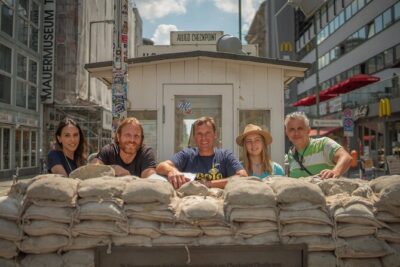 ★ 5.0Berlin’s Best: 2 Hour Walking Tour Third Reich and the Cold WarFrom $245,486 reviews
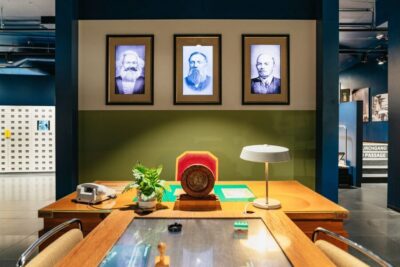 ★ 4.3Berlin: DDR Museum TicketsFrom $153,443 reviews
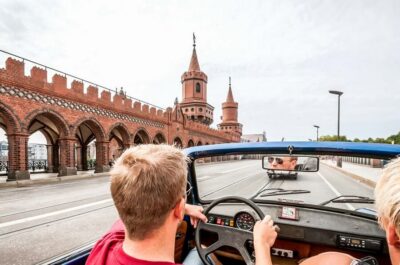 ★ 4.8Berlin: 75-minute Trabi SafariFrom $932,854 reviews
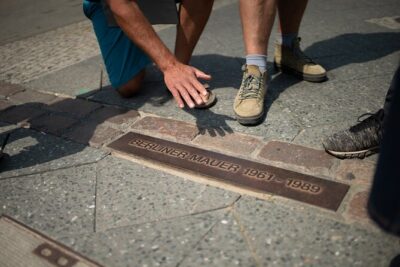 ★ 5.0Cold War, Berlin Wall, Spies and the East Side GalleryFrom $181,024 reviews
 ★ 4.8Nuremberg: Historischer Kunstbunker WWII Art Bunker TourFrom $14921 reviews
 ★ 4.9Leipzig: 90-Minute Trabi City TourFrom $81728 reviews
Other lists this tour is on