
REVIEW · WARTIME HISTORY
Berlin: Third Reich and World War II Private Guided Tour
History hits harder when you see it in Berlin. This private guided tour follows the arc of the Third Reich through key sites, with a real guide translating the politics and violence into something you can actually understand on foot. I like the way the stops are linked into one story, and I also appreciate the care shown at the Holocaust Memorial, where the tone stays human. The main drawback is simple: major entrances and any tickets are not included, and you will walk a lot for three hours.
Because it is a private group, you can ask questions in the moment and keep the pace comfortable. In the feedback, a guide named Sven got called out as punctual and professional, and that matters for a topic that already feels heavy enough. Also, the exact landmarks can vary with season, weather, and preferences, so think of it as a focused WWII route, not a rigid checklist.
In This Review
- Key things to know before your Berlin WWII private tour
- Starting near Berlin’s Brandenburg Gate, then getting your bearings
- The Reichstag stop: where German power was debated, then fractured
- Soviet War Memorial in Tiergarten: remembering WWII beyond one side
- The Holocaust Memorial: a respectful, guided way to face the facts
- Hitler’s Bunker: where the last chapter of the regime took shape
- Topography of Terror: the paperwork and the mechanisms behind the violence
- Finishing at Wall Museum, Checkpoint Charlie: how Berlin split and stayed split
- Price and value: what 224 per person actually buys you
- What is included, and the stuff you must plan for
- Comfort notes: walking time, what to pack, and flash rules
- Languages and the quality of the explanation you can expect
- Who this tour is best for, and who should think twice
- Should you book the Berlin Third Reich and WWII private tour?
- FAQ
- How long is the Berlin Third Reich and World War II private guided tour?
- Where does the tour start?
- Is this a private tour or a group tour?
- What is included in the price?
- Are entrance fees included for the sights?
- Can I take photos during the tour?
- What languages are available for the guide?
- Is the tour suitable for children or wheelchair users?
- What are the cancellation terms?
Key things to know before your Berlin WWII private tour
- Three-hour private format: you get a guided storyline without the usual crowd friction.
- Reichstag to Checkpoint Charlie flow: you connect Nazi-era power, war, and the postwar divide.
- Guides in six languages: English, German, Russian, French, Spanish, and Italian are offered.
- Real memorial stops: you visit the Holocaust Memorial and other WWII-related sites designed for remembrance.
- Photo rules are straightforward: bring a camera, but keep flash off inside certain landmarks.
- Good for serious history lovers, not quick snackers: no meals and drinks during the tour, so eat first.
Further wartime history walks we have written up
- Berlin: Third Reich and Cold War 2 Hour Walking Tour★ 4.9 · 6,830 reviews
- Berlin’s Best: 2 Hour Walking Tour Third Reich and the Cold War★ 5.0 · 5,486 reviews
- Third Reich Berlin: Hitler and WWII Walking Tour★ 5.0 · 3,301 reviews
- Berlin: Third Reich, Hitler, and WWII Walking Tour★ 4.9 · 1,133 reviews
Starting near Berlin’s Brandenburg Gate, then getting your bearings
The tour begins near the Brandenburg Gate area, with the meeting point listed next to Hotel Adlon Kempinski Berlin. That’s a smart starting zone, because it gives you an easy visual anchor for Berlin’s modern city layout before you step into the WWII-era layers underneath.
Right away, you should expect the guide to set expectations for what you are about to see. This is not a “look at buildings” walk. The focus is on what happened, who made decisions, how the war reshaped Berlin, and how the city remembers today.
Wear shoes you can trust, because you will be moving from stop to stop for three hours. Bring water, and dress for the weather. Berlin can change its mind fast, and you do not want your history tour cut short by cold legs.
The Reichstag stop: where German power was debated, then fractured
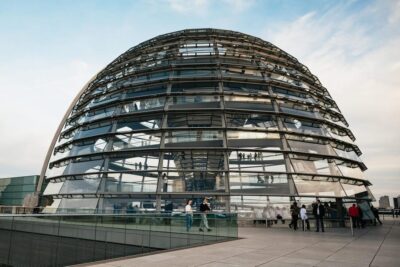
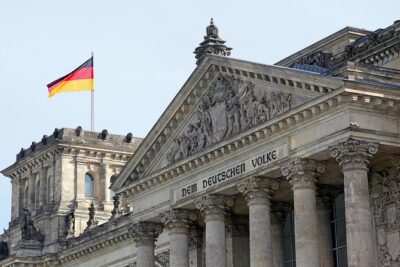
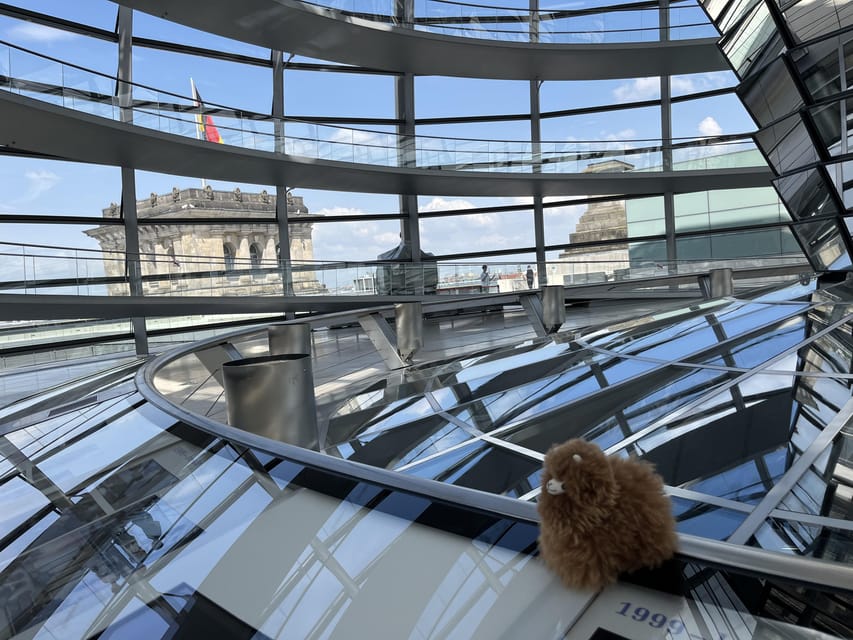
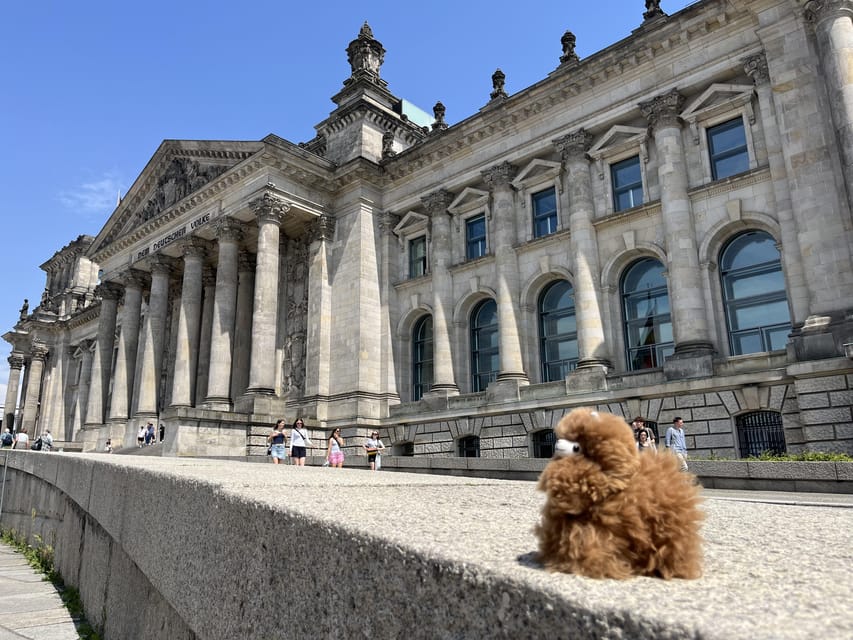
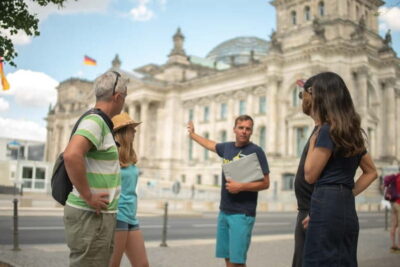
You visit the Reichstag with a guided tour, and this is one of the best places in Berlin for understanding how political legitimacy and violence can collide. The Reichstag is tied to the idea of parliamentary government, which makes it a powerful contrast to the dictatorship that followed.
Your guide should help you connect what the building represents to what the Third Reich did with institutions during the Nazi rise. Even if you have read the textbooks, a guided walk here helps you see the physical geography of power, and it makes later stops feel more coherent.
Photo time usually fits in naturally, since the Reichstag area is visually iconic. Just remember flash is restricted inside certain landmarks, so shoot with ambient light when you can.
Soviet War Memorial in Tiergarten: remembering WWII beyond one side
The route then includes the Soviet War Memorial in Tiergarten. This is an important pivot in the story, because WWII in Berlin was not only about the Nazi regime and its downfall. It was also about the people who suffered and died as the war shifted and closed in.
What I like about this stop is the balance it can add to your understanding. Many visitors think of Berlin as a single narrative. A guide who frames the Soviet memorial in context gives you a wider view of what liberation and occupation meant on the ground.
If you take it seriously, slow down a bit here. This is a place where you should let the moment land, and then let your guide explain how this part of Berlin fits into the end stages of the conflict.
The Holocaust Memorial: a respectful, guided way to face the facts
Next is the Holocaust Memorial, and it is one of the most emotionally intense stops on the whole route. The guide’s job here is crucial. You want someone who can explain what you are seeing and why it is designed the way it is, without turning it into theater.
I appreciate that the tour keeps the focus on understanding rather than shock value. This is where Berlin’s WWII story becomes not abstract, but personal and moral. The guide should help you connect the site to the reality of persecution and mass murder, and how Berlin’s remembrance landscape works today.
Photos are allowed, but flash photography is not permitted inside certain landmarks. So use your camera thoughtfully. If you are the type who likes to take lots of images, set a plan: a few meaningful shots, then time to just stand and listen.
Hitler’s Bunker: where the last chapter of the regime took shape
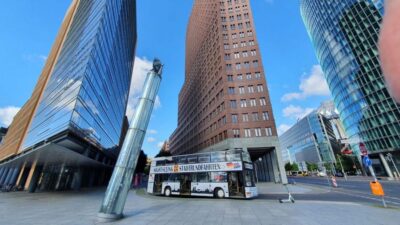
You then reach Hitler’s Bunker area, guided. Even when you know the broad timeline, this stop can feel different because it compresses the idea of power into the physical reality of its final days.
Your guide should frame it carefully, because this is the kind of place where visitors sometimes rush through to confirm what they already know. Don’t. Sit with the questions your guide raises, like why the regime chose certain strategies, how Berlin’s defenses and destruction progressed, and how people ended up trapped in the war’s closing grip.
Also note the tour is walking-heavy, so be ready for a bit of time on your feet even after a heavy mental stop. Take short breaks when you can, and keep water handy.
Topography of Terror: the paperwork and the mechanisms behind the violence
After the bunker stop, the tour visits Topography of Terror with a guided explanation. This is the part where history becomes procedural, not just dramatic. Instead of only dates and speeches, you start to see how the Nazi system functioned, how decisions were made, and how enforcement worked in the everyday machinery of terror.
If you are a history buff, this stop often feels like the payoff. The story shifts from individual leaders to structures, institutions, and outcomes. You should come out of it with a clearer picture of how the regime used power to control, intimidate, and annihilate.
Photography is usually possible outside and around open areas, but flash restrictions can apply inside certain sections. Go easy on flash and let the guide point out what to look for. The best photos come when you actually understand what you are photographing.
Finishing at Wall Museum, Checkpoint Charlie: how Berlin split and stayed split
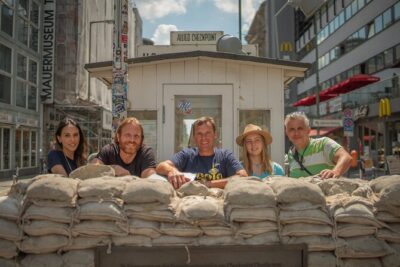
The tour ends at Wall Museum, Checkpoint Charlie. This ending matters. It pulls you out of the Third Reich timeline and into the postwar reality of Berlin, where divisions became physical and daily life changed along a border you could see.
Checkpoint Charlie is not just a historical marker. It is a reminder that the end of WWII did not mean peace everywhere. Instead, Berlin became a focal point for Cold War pressure, negotiation, and tension.
If you want to keep your momentum, this is a good place to look around afterwards and connect what you just learned to Berlin’s later layers. You might find yourself seeing the city as stacked eras rather than one museum-like stop after another.
Price and value: what 224 per person actually buys you
The price is listed at $224 per person for a three-hour private tour. That sounds like a lot until you compare what you get: a professional multilingual guide, a private group experience, and a structured path through multiple major WWII landmarks.
Here is where the value equation gets real:
- You are paying for guidance, not just access. The key benefit is how the guide links the sites into one narrative.
- You still need to budget for entrance fees, since attraction tickets are not included.
- Transport to and from the activity is not included, so factor that into your overall cost.
If you are traveling as two, private tours can be a strong deal compared with doing everything yourself with separate audio guides, tickets, and timing stress. If you are traveling solo, it is still worth it if you care about clarity and context, because Berlin’s WWII sites are meaningful even when you are not sure where to start.
What is included, and the stuff you must plan for
Included in the tour:
- A professional multilingual guide
- Historical insights and stories
- A private group format for a more personalized experience
Not included:
- Entrance fees to attractions
- Meals and drinks
- Transportation to and from the activity
That last one matters. Since you are on foot for a big chunk of the time, the easiest plan is to eat before you start. The tour also says food and drinks are not allowed during the walk, even though you are advised to bring water. Keep your expectations simple: you will be focused on the story, not on snacking.
Comfort notes: walking time, what to pack, and flash rules
You should plan for significant walking over three hours, so comfortable shoes are not optional. Bring a camera if you want photos, and bring water. Also dress for the weather, because Berlin conditions can swing quickly.
A practical detail that helps: large bags or luggage may not be suitable for this type of tour. If you are coming straight from a train station with a suitcase, think about leaving it at your hotel or using a smaller day bag.
Photo rules:
- Photography is allowed.
- Flash photography is not permitted inside certain landmarks.
If you love low-light photos, test your camera settings before you get into the restricted areas. When flash is off-limits, your photos depend more on steady hands and available light.
Languages and the quality of the explanation you can expect
The live tour guide is offered in English, German, Russian, French, Spanish, and Italian. That wide language choice is a big deal on serious subject matter. When the words are in your language, you can ask the kinds of follow-up questions that make the tour feel personal instead of scripted.
One theme from feedback is that the guide explanations land well. A Spanish-language guide was praised as pleasant and knowledgeable, and another guide named Sven was noted as punctual and professional. You should still treat any guide as human, but those details signal you are likely to get clear, structured commentary rather than a rushed list.
Who this tour is best for, and who should think twice
This tour is best for adults and older kids, not for small children. It is listed as not suitable for children under 10.
It also has a tricky accessibility note. The tour is labeled wheelchair accessible, but it separately says it is not suitable for people with mobility impairments and wheelchair users. That contradiction matters. Before booking, I would check with the provider about the exact walking route and any step-free options.
If you love WWII history and want a guided Berlin route that connects the Nazi rise, the war’s impact, and the postwar divide, this fits well. If you want a casual photo stroll, you might find it too serious and too structured.
Should you book the Berlin Third Reich and WWII private tour?
Yes, if you want a guided, respectful walkthrough of the sites that shape Berlin’s WWII story. For $224 per person, you are mainly buying clarity, not just landmarks, and three hours is a good window for getting oriented without burning a whole day.
I would book it with extra care if you have tight timing or travel uncertainty. One recent experience in the feedback described a guide not showing up, which is rare but serious. If you book, make sure you have the correct start location details and keep your contact info for the provider, so you can act fast if anything goes wrong.
FAQ
How long is the Berlin Third Reich and World War II private guided tour?
The tour lasts 3 hours.
Where does the tour start?
You meet next to the Hotel Adlon Kempinski Berlin.
Is this a private tour or a group tour?
It is a private group experience.
What is included in the price?
The tour includes a professional multilingual guide, historical insights and stories, and the private group format.
Are entrance fees included for the sights?
No, entrance fees to attractions are not included.
Can I take photos during the tour?
Yes, photography is allowed, but flash photography is not permitted inside certain landmarks.
What languages are available for the guide?
The guide is available in English, German, Russian, French, Spanish, and Italian.
Is the tour suitable for children or wheelchair users?
Children under 10 are not suitable. The information also lists wheelchair accessible, but it separately says the tour is not suitable for people with mobility impairments and wheelchair users, so you should verify the route details before booking.
What are the cancellation terms?
Free cancellation is available up to 24 hours in advance for a full refund. There is also a reserve now and pay later option.
Wartime History Walks We Have Reviewed
Everything else we filed on Berlin
- Private Photo Tour in Kreuzberg
★ 5.0 · 3 reviews - Kreuzberg Private Walking Tour: Immigrants, Artists & Hipsters
★ 5.0 · 3 reviews - Berlin’s Jewish Heritage: Private Tour of the Vibrant Jewish District
★ 5.0 · 3 reviews - Individual city tour Berlin for max. 8 persons
★ 5.0 · 3 reviews - Berlin & The Third Reich Private Guided Tour
★ 5.0 · 3 reviews - Private Analogue Photography Experience in Berlin
★ 5.0 · 3 reviews
Third Reich and Wartime History Tours, side by side.
 ★ 4.9Berlin: Third Reich and Cold War 2 Hour Walking TourFrom $236,830 reviews
 ★ 4.6Munich: Third Reich & WWII Walking TourFrom $316,181 reviews
 ★ 5.0Berlin’s Best: 2 Hour Walking Tour Third Reich and the Cold WarFrom $245,486 reviews
 ★ 4.5Third Reich Walking Tour MunichFrom $454,291 reviews
 ★ 5.0Third Reich Berlin: Hitler and WWII Walking TourFrom $243,301 reviews
 ★ 4.7Nuremberg: Walking Tour of Former Nazi Party Rally GroundsFrom $151,665 reviews
 ★ 4.9Berlin: Third Reich, Hitler, and WWII Walking TourFrom $201,133 reviews
 ★ 4.8Nuremberg: Historischer Kunstbunker WWII Art Bunker TourFrom $14921 reviews
Other lists this tour is on