
REVIEW · BERLIN WALL
East Berlin and the Berlin Wall 2-Hour Walking Tour
You can touch the Berlin Wall remnants. This 2-hour East Berlin walk turns the Cold War into scenes you can see. You will visit the Berlin Wall Memorial with a preserved section you can touch, and you will also stop at the Stasi headquarters area to understand how control worked in everyday life. One heads up: the route is fast paced, so if you want museums and long indoor time, this tour will feel brief.
I love that the guide explains not just dates, but the human mechanics of division, from the wall system to escape attempts and the fear built into daily routines. I also like the strong “big picture plus real people” style, and English guides such as Anastasia and Dylan are singled out for making the story clear and emotional without getting preachy.
A small drawback to plan around: you are mostly outside on a walking tour, and the group size tops out at 20. If the weather is rough or you dislike walking between several historic stops, you may want a slower option instead.
In This Review
- Key highlights you will remember
- Start at Hackescher Markt: East Berlin’s timeline begins on foot
- Friedrichstraße and the Palace of Tears: where families said goodbye
- Berlin Wall Memorial: touching the preserved section changes everything
- Death Strip viewpoint and the Chapel of Reconciliation
- Bornholmer Straße on November 9, 1989: the Wall falls because of one mistake
- Stasi headquarters and the daily-life truth of surveillance
- GDR watch tower, Ackerstraße, and other border relics
- Alexanderplatz and the Berlin TV Tower: finishing with a modern skyline
- Price and logistics: what $21.78 really buys you
- Who this tour fits best, and who should consider something else
- Should you book the East Berlin and Berlin Wall 2-hour walking tour?
Key highlights you will remember
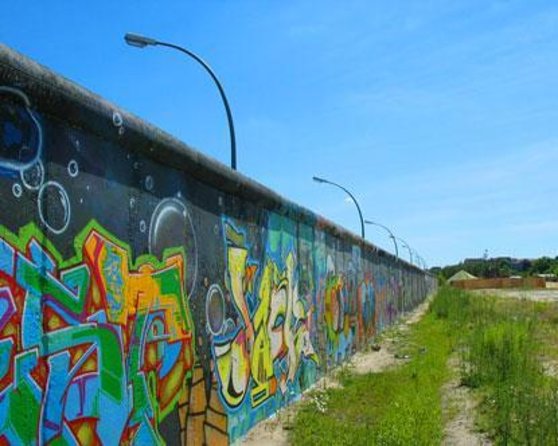
- Touching the Wall at the memorial, with a preserved section in its original state
- Death Strip perspective where escapees faced shoot-to-kill orders
- Bornholmer Straße and November 9, 1989 explained as a turning point you can picture
- Stasi spying brought down to street level, not just slogans
- Small-group feel with a maximum of 20 people, typically easier to ask questions
- Finish near major transit so you can keep exploring without a hassle
Other walks along the Wall we have reviewed
- Skip-the-Line: Berlin Wall Museum at Checkpoint Charlie★ 4.1 · 2,041 reviews
- Berlin: East Side Gallery Spree Cruise in a Solar Catamaran★ 4.0 · 1,039 reviews
- Cold War, Berlin Wall, Spies and the East Side Gallery★ 5.0 · 1,024 reviews
- THE WALL: asisi Panorama Berlin Ticket★ 4.5 · 580 reviews
Start at Hackescher Markt: East Berlin’s timeline begins on foot
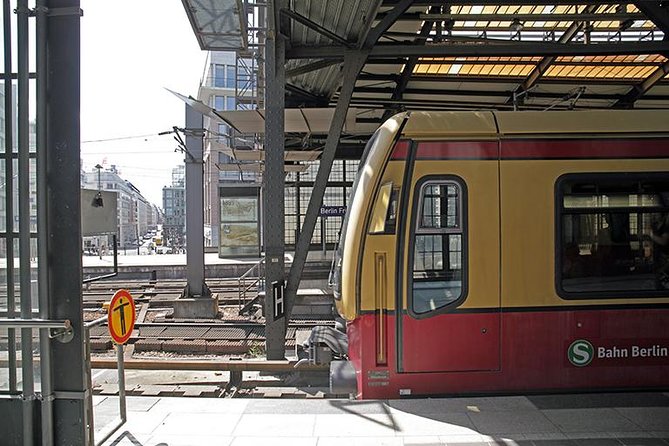
Your tour kicks off near Hackescher Markt train station, in the East Berlin side of the city. The meeting address is Neue Promenade 3, which puts you close to where trains and trams make the neighborhood feel lively even today. That matters, because you start with the modern city, then you watch how the Cold War reshaped it.
A good guide sets the scene right away. Expect a quick but clear setup of how the US and USSR rivalry turned into a Cold War, and how Berlin became the pressure cooker. The key is that the tour does not treat the wall as an isolated monument. It treats it as a machine, built from policy, policing, and fear.
This is also where you get your first sense of pace. It is not a sit-and-listen lecture. You are on your feet early, and your guide expects you to look around while they talk. That is a plus for most people, especially if you like learning while you move.
Friedrichstraße and the Palace of Tears: where families said goodbye
Next you head into the Friedrichstraße area, a central street that has long blended shopping and culture. In Cold War Berlin, that same area became a bottleneck for movement, paperwork, and heartbreak. Your guide points out the role of the border zones and how complicated travel felt when your choices were controlled.
You will also learn about the Palace of Tears, the Berlin nickname for the former border crossing station at Berlin Friedrichstraße railway station. The name tells you what mattered most to East Berlin families and visitors: leaving could mean tears, and returning could mean risk. Even without reading a big display, standing near a former crossing point helps the story stick.
Practical tip: dress for walking here. This part can include a few short transfers and tight spacing depending on the group. If you have any mobility limits, it is smart to pace yourself and keep an eye on how the guide leads the group.
Berlin Wall Memorial: touching the preserved section changes everything
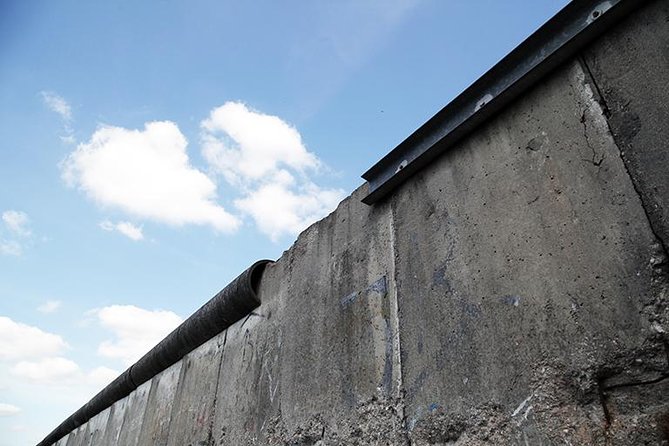
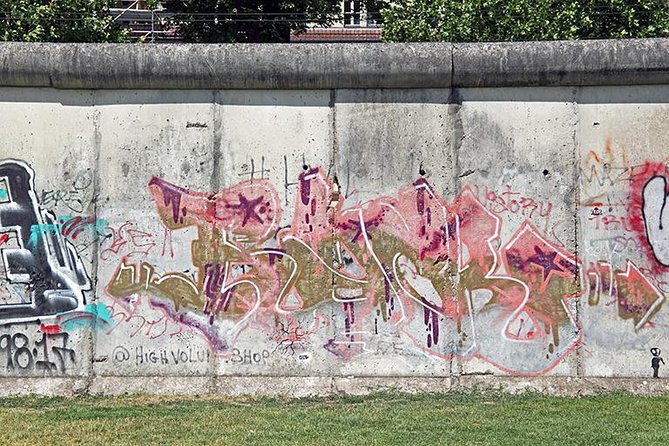
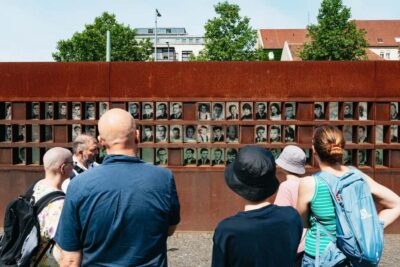
The emotional core of the walk is the Gedenkstätte Berliner Mauer (Berlin Wall Memorial). This is where you see a section of the wall preserved in its original state, and where you have the unique chance to touch the remains.
That touch is more than a photo moment. When you feel the cold texture and the weight of the barrier materials, the wall stops being an idea. It becomes physical evidence of how the border tried to control bodies, not just borders on a map.
Your guide also helps you read what you are seeing. You get the sense that the memorial is not only about tragedy. It is also about evidence and documentation, including how the wall changed over time and how its presence shaped streets and neighborhoods.
A drawback worth noting: this stop can be the most emotionally intense. If you are traveling with kids or someone who dislikes heavy history, let your guide know. They can often steer the pace and focus to keep it understandable without sanding off the facts.
Death Strip viewpoint and the Chapel of Reconciliation
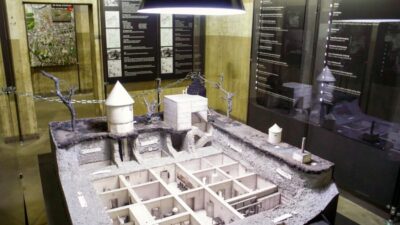
After the memorial, you move toward a perspective of the Death Strip, where East Germany’s shoot-to-kill orders were carried out on people attempting escape. The tour includes a birds-eye view angle, which is important. From street level, you might not fully grasp the geometry of control. From a higher viewpoint, you can picture how guards, sight lines, and the corridor of danger worked together.
This is where the story becomes tactical. You start connecting the dots between policy and layout. The point is not graphic sensationalism. It is the logic of a surveillance-and-force system that treated escape attempts like a punishable act, not a human urge to live freely.
Then you visit the Chapel of Reconciliation (Kapelle der Versöhnung). It is a place of worship, but on this walk it also works as a counterpoint. The wall represented division and coercion. The chapel represents reconciliation and memory. If your brain tends to stay in facts only, this stop helps bring back the emotional texture, including the way people resisted in moral and personal ways.
Small watch-out: you will likely stand still for a few moments at several stops. Wear shoes with good grip and bring a light layer. Weather shifts can make waiting in place feel colder or hotter than you expect.
More of the divided city, written up in full


Bornholmer Straße on November 9, 1989: the Wall falls because of one mistake
One of the most gripping segments is the drive-like jump you make by foot and transit context to the north of Berlin: Bornholmer Straße. This is where the wall came down on November 9, 1989, and your guide explains the unlikely tale behind that turning point.
What stands out on this part is the focus on cause and timing. Instead of treating the fall as fate or a sudden miracle, the guide emphasizes how events, statements, and missteps can trigger massive consequences. It helps you understand why the fall felt both sudden and deeply rooted at the same time.
If you want a way to remember the story, focus on the idea that people were watching for signs and acting on information. When the message changed, the system cracked. And once people could move, the wall’s power collapsed.
In practical terms, this is also a great stop for questions. Ask your guide how East Berlin citizens understood the risk, how rumors spread, or what daily life looked like under the GDR system. The best guides on this tour often handle those questions with clear context.
Stasi headquarters and the daily-life truth of surveillance
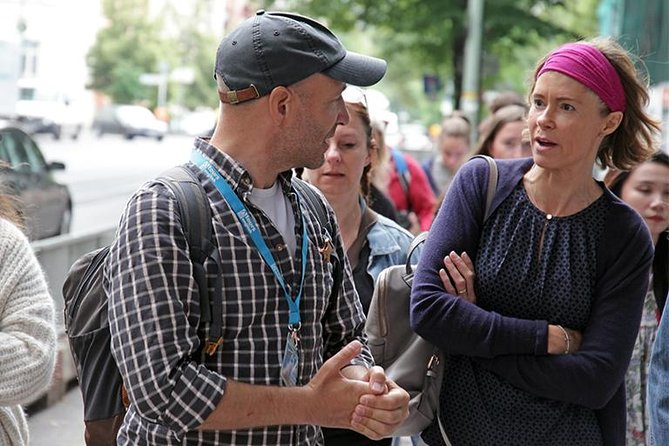
Next comes one of the biggest themes: the Stasi. You will visit the headquarters of East Germany’s secret police and learn how the state increasingly spied on its own people. This is the part of the walk that explains the Cold War in a way that feels personal and local.
The Stasi story often gets summarized as one big villain. Here, it gets explained as a system that created fear through control and monitoring. That changes how you read the era. You stop thinking only about border guards and start thinking about daily life, jobs, relationships, and information.
Your guide ties this into the idea of complete government control over citizens, and you learn what that pressure could feel like. It is not just history as abstract politics. It is history as how a society trained itself to watch itself.
Balanced note: if you already know the general outline of the Stasi, you may still appreciate the on-foot approach. Seeing how Berlin neighborhoods and institutions shaped people’s options helps the story settle into your memory.
GDR watch tower, Ackerstraße, and other border relics
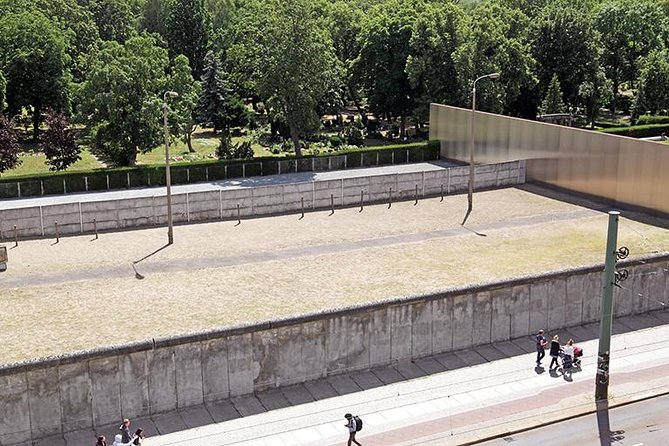
The walk includes smaller but powerful stops that fill in the wall system at street level. One standout is the GDR Watch Tower, described as the oldest relic of the Berlin Wall. Even when you do not have a long time here, it gives you a physical anchor for the idea of constant observation.
You will also pass Ackerstraße, with your guide explaining its history. The tour uses these stops like support notes for the main chapters. You do not need to memorize every detail. What you want is the sense that the Berlin Wall was a network. Towers, corridors, buildings, and access points all worked together.
One extra bonus you might encounter depending on your guide and the day: some guides add in nearby references to the so-called ghost station concept, as a way to show how transit spaces became part of the border story. If your guide offers a quick explanation, it can be a great mental link between daily commuting and Cold War control.
Alexanderplatz and the Berlin TV Tower: finishing with a modern skyline
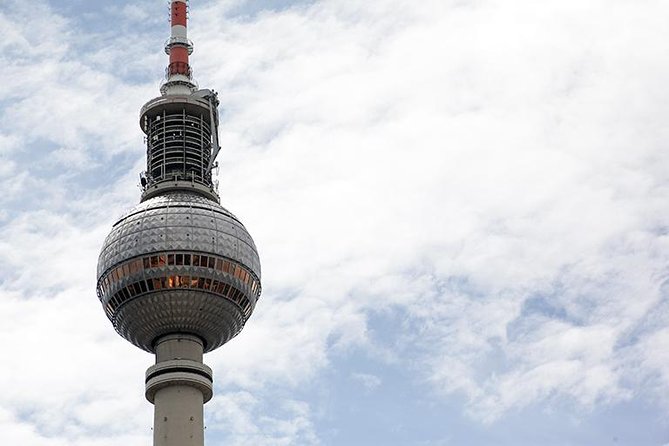
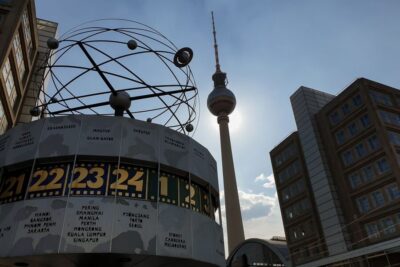
The tour ends in the former East German center, around Alexanderplatz, where the iconic TV tower dominates the skyline. This is a smart finishing move because it forces you to look at the city after the wall story.
Standing near a major landmark helps you see Berlin as it is now, not only as it was. You get that brief, useful jolt of perspective: the skyline changed, the rules changed, and yet the memory remains in the streets.
This also makes the tour easy to chain into other sightseeing. You can grab something to eat nearby, or take a tram or train onward without needing a long return trip.
Price and logistics: what $21.78 really buys you
At $21.78 per person for about 2 hours, this tour is trying to do something specific: pack the most important East Berlin wall story into a short, guided walk that still covers multiple landmark areas.
Here is the practical value math. The walking tour includes a professional guide and covers major sites along the East Berlin wall corridor. Several stops have admission ticket free included, like the Berlin Wall memorial and the chapel area stops. You do not need to budget for entry fees at every stop.
What you do need to plan for is transit. A Berlin Transport AB Zone pass is not included, and it is listed at about 10.60 Euros. Also, the Berlin TV Tower ticket is not included. That means your money is mainly paying for the guide and the on-foot context that makes the wall story make sense.
Group size is capped at 20, which usually keeps things from turning into a rushed herd. In some groups, it can even feel smaller in practice, which makes it easier to ask your questions.
A final logistics point: the tour provides a mobile ticket, runs in all weather conditions, and you will be walking outdoors most of the time. Bring weather protection and good shoes.
Who this tour fits best, and who should consider something else
This tour is a great match if you want Cold War context that feels grounded. You are getting the full story arc in a manageable time window, including the wall memorial, the Death Strip concept, Bornholmer Straße, and the Stasi headquarters theme. That combination is exactly what helps many first-time visitors understand Berlin beyond a few iconic photos.
It is also a good option for international groups because the tour is offered in English, and the pacing works well for most travelers. The tour is described as suitable for most participants, and service animals are allowed.
Consider a different option if you want a slower museum-style experience. The walk is only about two hours, and the emotional sites are delivered in a condensed format. You can still learn a lot, but you will not get hours of museum galleries or long unhurried time at every indoor display.
If you have mobility concerns, plan carefully. The tour is a walking tour, and while the stops are near public transportation, you will still need to handle uneven city sidewalks and short stretches where the group stays together.
Should you book the East Berlin and Berlin Wall 2-hour walking tour?
I think this is an easy yes if Berlin Wall history is on your must-do list and you want it explained clearly, with strong emotional context and street-level details. The chance to touch preserved wall remains, the guided framing of the Death Strip, and the Stasi section are exactly the kind of combination that turns a famous landmark into a real understanding.
Book it if you are short on time and you still want the big story. Skip it or pair it with a longer option if you prefer longer indoor stops, or if two hours feels too short for the intensity of what you will see.
If you do book, show up ready to walk, bring weather protection, and come with at least one question you actually care about. The best part of this tour is not memorizing dates. It is learning how the wall worked, how people lived with it, and why its end still shapes Berlin today.
Pavements of Berlin
The Divided Years, Reviewed
Following the Wall a Little Further
Everything else we filed on Berlin
- East Berlin: City of Shadows Walking Tour
★ 5.0 · 11 reviews - Berlin: Die Stachelschweine – Frank Lüdecke – Träumt Weiter
★ 4.7 · 11 reviews - Potsdam Day Trip from Berlin with a Local: Private & Personalized
★ 4.0 · 11 reviews - An Introduction to Berlin Walking Tour
★ 5.0 · 11 reviews - DJ for a Day: Learn to Mix Like a Pro in Berlin
★ 5.0 · 11 reviews - 2-H Segway Sightseeing Tour Berlin
★ 4.5 · 11 reviews
Berlin Wall and Divided City Tours, side by side.
 ★ 4.8Nuremberg: Tunnels and Secret Passages in the City Wall TourFrom $142,334 reviews
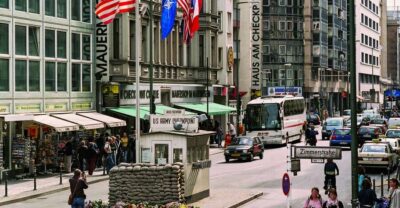 ★ 4.1Skip-the-Line: Berlin Wall Museum at Checkpoint CharlieFrom $212,041 reviews
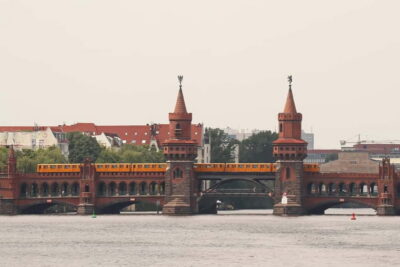 ★ 4.0Berlin: East Side Gallery Spree Cruise in a Solar CatamaranFrom $271,039 reviews
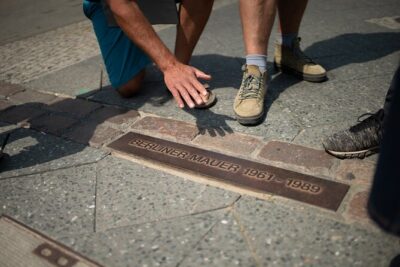 ★ 5.0Cold War, Berlin Wall, Spies and the East Side GalleryFrom $181,024 reviews
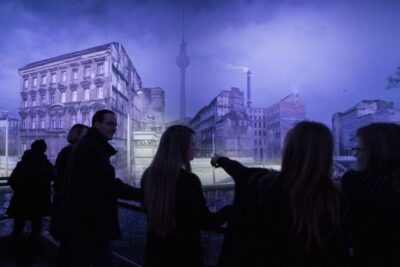 ★ 4.5THE WALL: asisi Panorama Berlin TicketFrom $16580 reviews
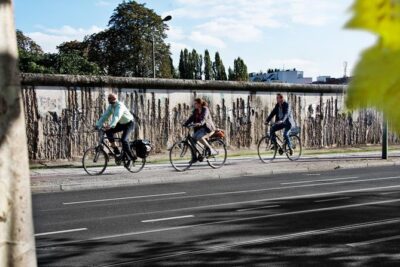 ★ 4.7Berlin: Guided Bike Tour of the Berlin Wall and Third ReichFrom $40499 reviews
 ★ 4.8Berlin: Cold War Walking Tour on Berlin Wall RouteFrom $26437 reviews
 ★ 4.9East Berlin and the Wall: Walking TourFrom $351407 reviews
Other lists this tour is on