
REVIEW · WARTIME HISTORY
Hitler’s Germany: Berlin During the Third Reich & WWII
Berlin under the Third Reich still feels close.
This is a 4-hour walk that connects Hitler’s power in the city to the people Nazis hunted, then ends at the Reichstag with the WWII story still hanging in the air. You’ll see the Holocaust Memorial, the former Nazi government zone, and major remnants of Nazi rule without turning the day into a museum marathon.
Two things I really like: you move street by street through places like the former Luftwaffe headquarters and the Gestapo and SS area, and you get a clear guide-led storyline of propaganda, persecution, and genocide. Guides like Rebecca and Glen show how to read the buildings and spaces, not just memorize dates. One drawback to keep in mind is that it’s a heavy topic and the tour does not involve going inside buildings, so if you want indoor exhibits the format may feel limiting.
In This Review
- Key highlights worth your time
- A half-day route through Third Reich power and WWII damage
- Meeting up in central Berlin, then getting around by metro
- From Berlin’s Jewish Quarter to Anhalter Bahnhof’s WWII aftermath
- The Nazi government district walk and Göring’s Luftwaffe headquarters
- Gestapo and SS headquarters area, plus the Topography of Terror break
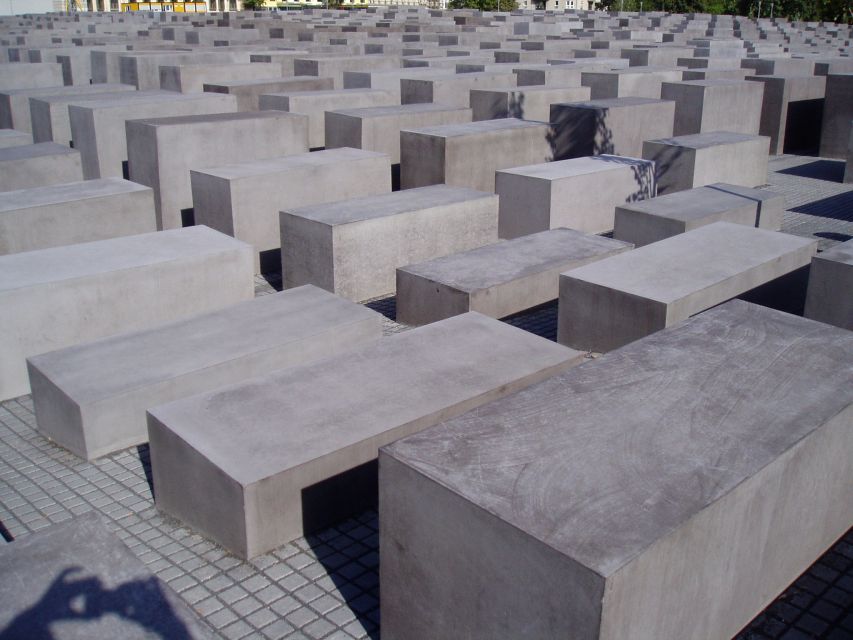
- Propaganda, T4 euthanasia, and the Holocaust Memorial stop
- Tiergarten edge memorials: Sinti and Roma, plus 1933 political arrests
- Finishing at the Reichstag: Germania dreams and the Battle of Berlin
- Price and value: what $23 buys you in Berlin
- What I’d watch out for before booking
- Who this tour suits best
- Should you book Hitler’s Germany in Berlin?
- FAQ
- How long is the tour?
- What does the tour cost?
- What sites will I see during the walk?
- Is it a walking tour only, or are any buildings entered?
- Do I need a public transport ticket?
- What languages are offered?
- Are private tours available?
- Does it run in bad weather and on public holidays?
- Is free cancellation available?
Key highlights worth your time
- Reichstag finale plus the Battle of Berlin: you finish where the Soviet assault story comes to life
- Topography of Terror museum break: a focused pause at the Gestapo and SS headquarters area
- Jewish Quarter history and memory: you walk the route and learn how life, persecution, and remembrance connect
- Nazi power sites on foot: you pass former air- and police-related power structures tied to Hermann Göring and the Nazi security system
- Memorials that broaden the story: Sinti and Roma victims memorial and the 1933 arrests memorial are part of the walk
Further wartime history walks we have written up
- Berlin: Third Reich and Cold War 2 Hour Walking Tour★ 4.9 · 6,830 reviews
- Berlin’s Best: 2 Hour Walking Tour Third Reich and the Cold War★ 5.0 · 5,486 reviews
- Third Reich Berlin: Hitler and WWII Walking Tour★ 5.0 · 3,301 reviews
- Berlin: Third Reich, Hitler, and WWII Walking Tour★ 4.9 · 1,133 reviews
A half-day route through Third Reich power and WWII damage
Berlin makes it easy to build a mental picture fast. This tour does that job for you, linking politics, propaganda, and violence to specific locations across central Berlin.
You start with context in central Berlin, then head to key WWII and Nazi-era sites, finishing at the Reichstag. The pacing is designed for walking plus a few “stop-and-think” breaks, so you’re not just moving from one photo spot to the next.
You should know the emotional tone is intense. The tour covers the Holocaust and related Nazi programs, including the T4 euthanasia program. It’s not graphic in the way some history media can be, but it is still confronting, because it’s about real victims and real systems built to destroy human life.
Meeting up in central Berlin, then getting around by metro
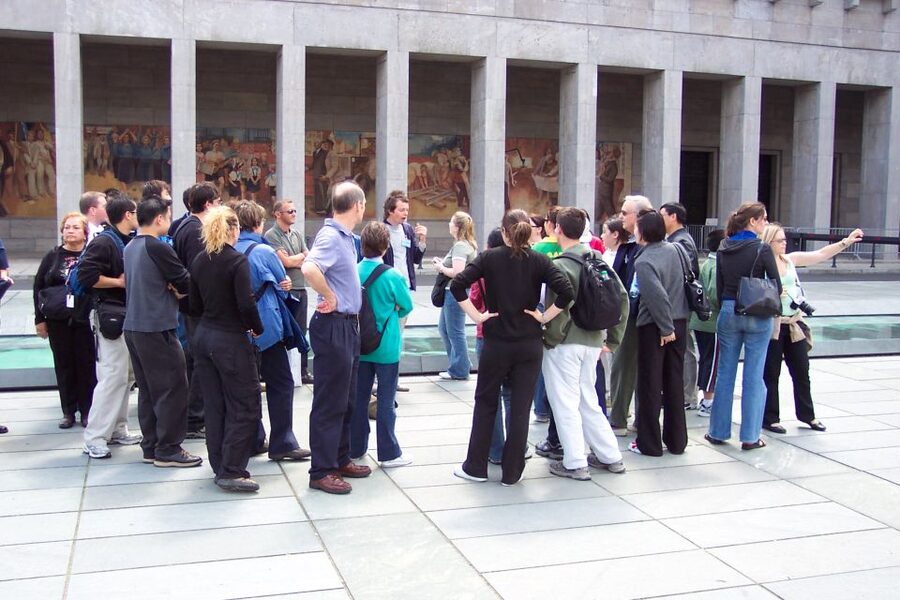
You meet your expert guide in central Berlin, and the exact meeting point can vary by booking option. After that, the day starts with an overview of how the Nazis decimated Berlin’s nearby Jewish district, which sets up why the rest of the route matters.
One practical advantage is the short metro ride. You’re not forced to walk every step, which helps when you’re combining memory sites, memorial spaces, and longer history stops into a single 4-hour block. You may need a public transport ticket on this tour, and the description explicitly calls out an AB ticket.
If you’re doing the tour in a shared group, you’ll follow your guide at a walking pace that stays manageable for most people. If you choose private, you can usually ask more questions and keep the group even more flexible.
From Berlin’s Jewish Quarter to Anhalter Bahnhof’s WWII aftermath
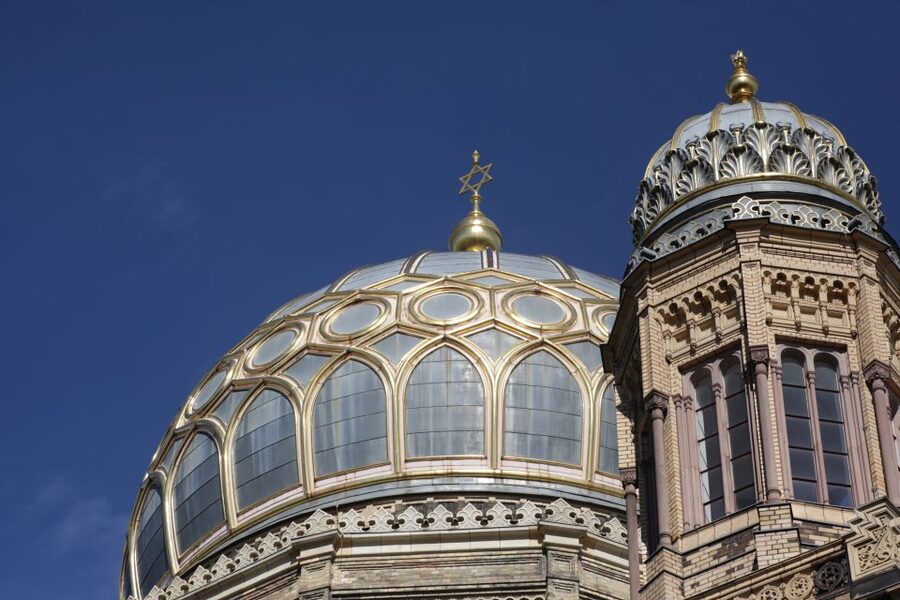
A smart part of this tour is the way it begins with the Jewish story before it moves into the Nazi government landscape. You get that opening overview of how Nazis attacked and dismantled community life, then the tour immediately ties that story to the city’s wartime destruction.
Next comes the short metro ride to the site of Anhalter Bahnhof, the huge station destroyed during WWII. Stations matter here because they were part of a transportation and logistics world where people moved, were displaced, and later were subjected to Nazi brutality. Even though you’re seeing a site rather than a fully operating station, you’re still reading Berlin’s war scars.
This leg sets expectations well. You’re not just looking at “Nazi architecture” or “major landmarks.” You’re learning how the city’s infrastructure and power hubs played a role in what came next.
The Nazi government district walk and Göring’s Luftwaffe headquarters
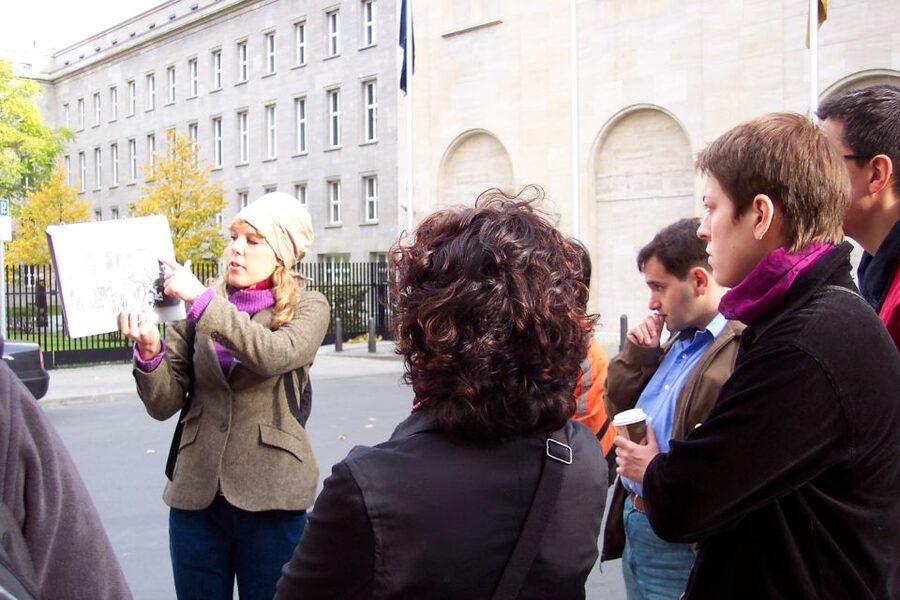
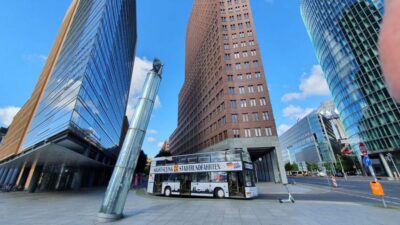
Once you’re in the former Nazi government district, the tour shifts into the mechanics of power. You’ll walk past former Nazi ministries and key administrative areas, including the former Nazi Air Ministry and the Propaganda Ministry.
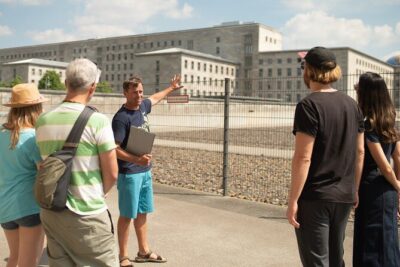
Then you reach the colossal former Luftwaffe headquarters, Hermann Göring’s former air force HQ. The description is clear that this building is one of the best surviving examples of Nazi architecture, and that matters for your understanding. It helps you connect ideology to scale. This is not “a few bad officials in a small office.” It’s state power with huge physical ambition.
As you move through the district, the guide keeps the story connected. Some guides, like Glen, bring in a Berlin point of view, while others, like Jonathan N, focus on how the Nazi high command’s decisions shaped the city. Either way, the walking route makes the power geography obvious.
Gestapo and SS headquarters area, plus the Topography of Terror break
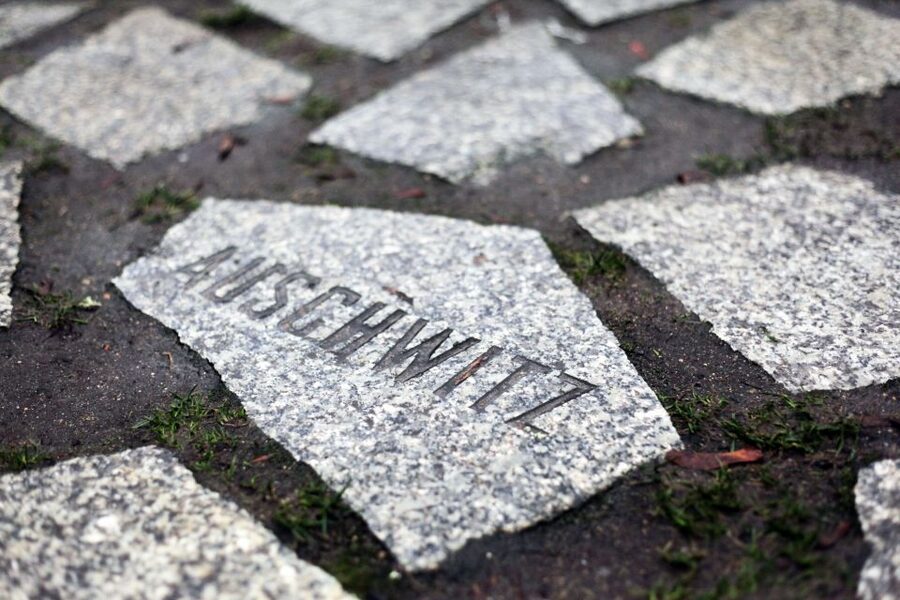
The tour then heads toward the Gestapo and SS headquarters area, which is now home to the Topography of Terror Museum. You’ll take a break here as part of the tour flow.
There’s one important format note: the tour description states that no buildings are entered during the tour. Still, there is a museum break in the itinerary, so plan your expectations accordingly. You’re likely using the time to process what you’re seeing and hear the guide’s explanation in the museum-area setting rather than a long indoor visit.
Either way, this stop is the hinge point where the Nazi state stops being abstract. Gestapo and SS are the systems of surveillance, terror, and enforcement. When you’re standing in the area, it’s easier to understand why later Nazi actions carried such momentum.
Propaganda, T4 euthanasia, and the Holocaust Memorial stop
From the museum break, the tour moves through some of the darkest parts of Nazi policy and messaging. You’ll learn about Joseph Goebbels’ use of propaganda, then the ‘T4’ euthanasia program, and then the Holocaust.
This sequence is deliberate. Propaganda wasn’t just posters and speeches. It shaped how people could be targeted, justified, and dehumanized. The T4 program then shows how Nazi ideology translated into state-run killing programs before mass genocide escalated to its worst form.
At the same time, you’ll also walk through the Jewish Quarter area and learn about life, persecution, and memory. That “memory” piece matters. It’s not only about what was done, it’s about how Berlin records the truth in public space now.
The Holocaust Memorial is one of those places where the guide’s job is not to sensationalize, but to help you understand why this memorial exists and how to treat it with the seriousness it deserves.
Tiergarten edge memorials: Sinti and Roma, plus 1933 political arrests
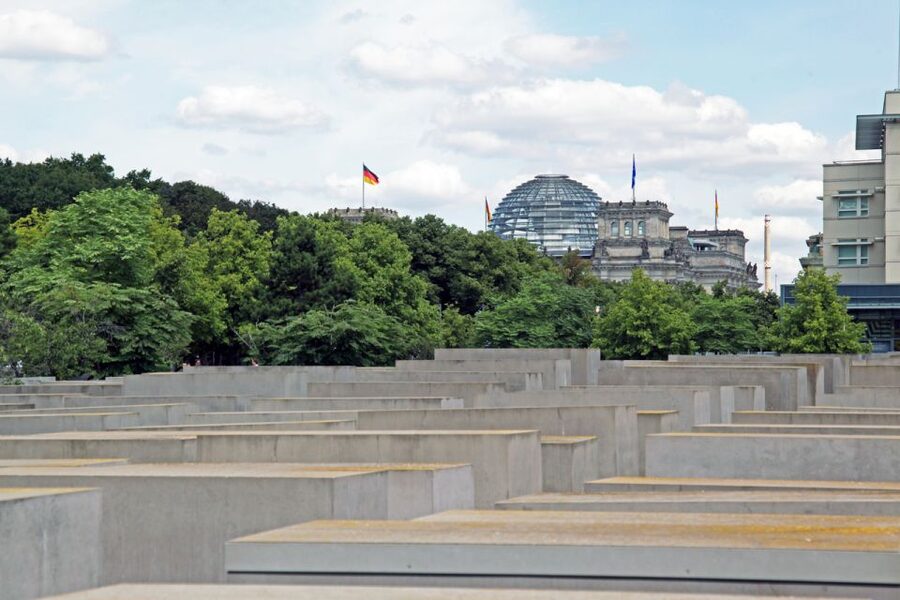
As the tour heads toward Berlin’s largest park, the Tiergarten, it includes two memorial stops that expand the story beyond the usual headlines.
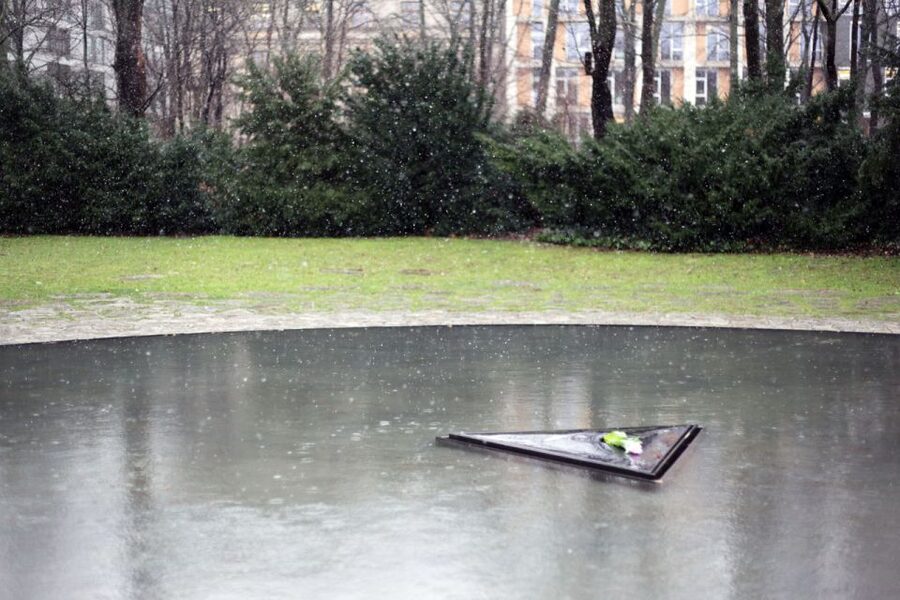
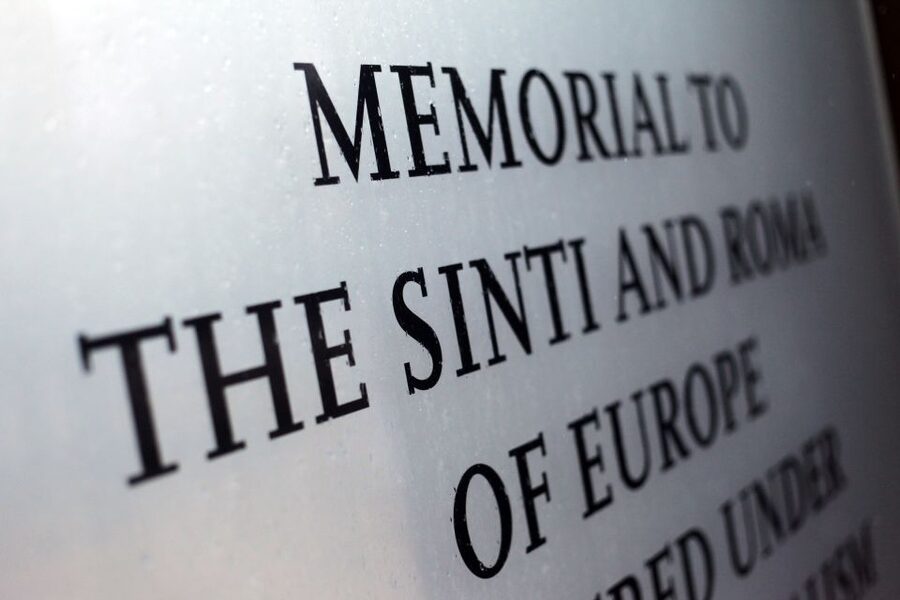
First is the Memorial to the Sinti and Roma Victims of National Socialism. This is important because Nazi persecution targeted more than one group, and Sinti and Roma victims were part of the genocide. Seeing this memorial within the overall route helps you track that broader scope.
Next you’ll visit a memorial for 96 politicians arrested by the Nazis as they seized power in 1933. This gives you a reminder that political repression started early, not after the war was underway. It also underlines how the Nazi rise to power relied on intimidation and arrests, not just elections and speeches.
These memorial stops add emotional breathing room. You’re still learning heavy truth, but the guide helps you read the meaning in the spaces, not just the names and numbers.
Finishing at the Reichstag: Germania dreams and the Battle of Berlin
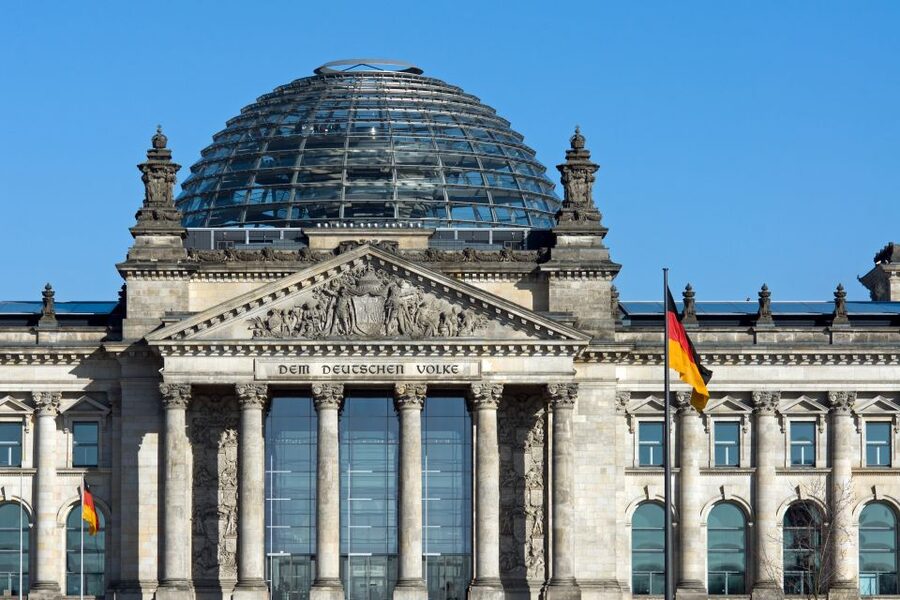
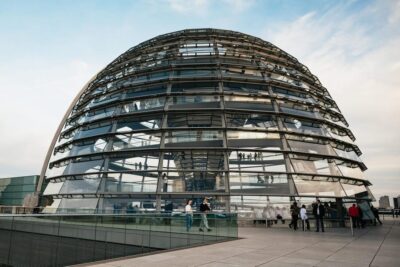
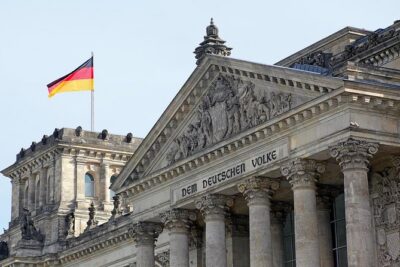
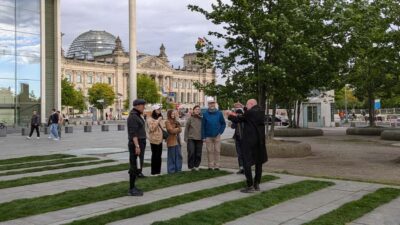
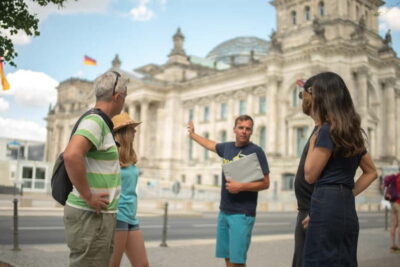
The tour ends in front of the Reichstag, Berlin’s impressive German parliament building. This is where the story’s arc completes: Hitler’s and Albert Speer’s plan to redesign Berlin as ‘Germania,’ capital of the empire of the world, meets the reality of WWII.
You also hear the culmination of the Battle of Berlin. The description is specific: Soviet soldiers assaulted the Reichstag under anti-aircraft fire, while Hitler was committing suicide not even a mile away. That distance detail helps you feel the closeness of the collapse.
It’s also a great way to learn a more complex takeaway. Nazi planning tried to freeze power into grand architecture and grand symbolism, and then the war broke that plan into rubble and blood. Standing at the Reichstag, it’s easier to understand how propaganda and ambition can turn into a fatal script.
Price and value: what $23 buys you in Berlin
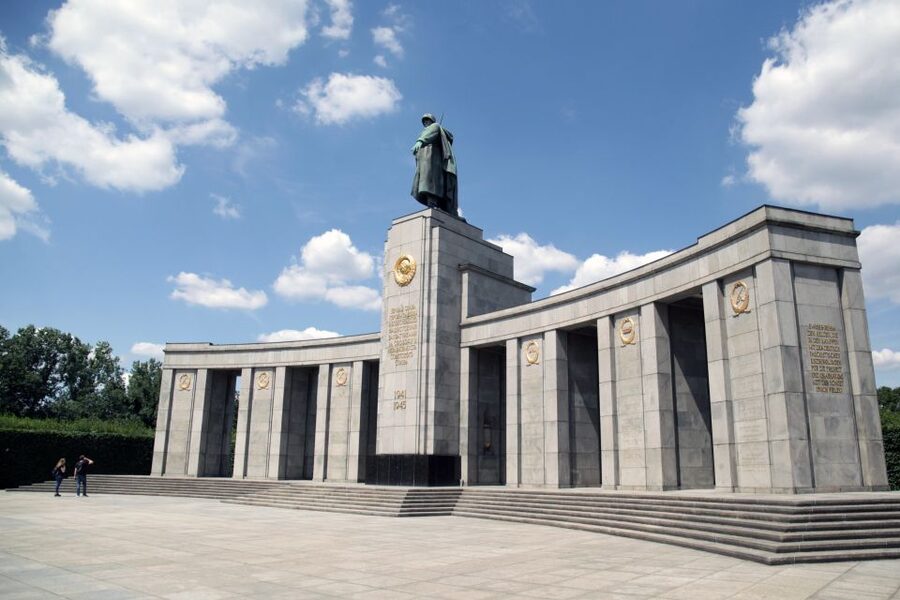
At about $23 per person for a 4-hour guided tour, the value is mainly about one thing: the guide. The included expert guide with native-level English is not a throwaway bonus. On this kind of tour, a good guide is what keeps it from becoming a list of locations.
You’re also getting a route that covers multiple high-impact sites in one session: the Anhalter Bahnhof site, former Nazi ministry areas, the Luftwaffe HQ area, Gestapo and SS headquarters area, memorials including the Holocaust Memorial, and the Reichstag finale. You’re not expected to figure out the story yourself between stops.
Add in that it’s run by Original Berlin Walks GmbH, a long-standing provider with excellent reviews and a strong rating of 4.8 from 476 reviews. The guide track record shows up in the small choices too, like clear explanations, engaging delivery, and the ability to keep a tough day moving.
What I’d watch out for before booking
This is not an “easy sightseeing” tour. You’ll hear about the Holocaust and Nazi programs like T4 euthanasia, plus propaganda and political repression. If you get overwhelmed by heavy history, you may want to mentally pace yourself.
Also, remember the format note that the tour does not enter buildings. If you’re hoping to do lots of indoor museum wandering, this tour is more about guided walking, exterior context, memorial spaces, and a museum-area break.
Lastly, plan for weather. The tour runs in all weather and on public holidays. You will be outside, so pack rain protection even if the forecast looks calm.
Who this tour suits best
This works especially well if you want one coherent route across the Third Reich and WWII, without scattering your time across multiple unconnected tickets and stops. You’ll also like it if you enjoy learning how to read a city, not just checking boxes.
It can be a great fit for history-minded adults, and it’s been described as engaging even for teenagers, as long as your group is ready to handle the subject matter. If you want a calmer, purely reflective pace, a private group option may make it easier to ask questions when you need them.
Guides vary in style, and that’s a good thing. You’ll get different flavors of teaching, from Rebecca’s engaging storytelling to Amelie’s use of maps, photographs, and documents, to Jimmy’s humor that helped keep attention during a heavy route.
Should you book Hitler’s Germany in Berlin?
Book it if you want a tight, guided thread through Nazi power sites, Jewish life and persecution, major memorials, and the Reichstag ending. The route is efficient, the guide-led storytelling is clearly a highlight, and the combination of Holocaust Memorial plus the Reichstag WWII conclusion gives you a satisfying sense of historical cause and effect.
Skip it if you need a lighter tone, or if you want mostly indoor museum time. Also consider not booking if you’re uncomfortable walking outdoors for four hours in all weather.
If you do book, come with the right mindset. Treat it like a serious history walk, not a casual sightseeing loop. Then you’ll get much more from each stop, including the places that look ordinary from a distance but carry enormous meaning up close.
FAQ
How long is the tour?
It lasts 4 hours.
What does the tour cost?
The price is listed as $23 per person.
What sites will I see during the walk?
You’ll see the site of Hitler’s bunker, the Reichstag, the Holocaust Memorial, and you’ll walk past former Nazi government areas including the Nazi Air Ministry, Gestapo HQ, and the Propaganda Ministry. The route also includes Anhalter Bahnhof, the Luftwaffe headquarters area, and memorials such as those for Sinti and Roma victims and 96 politicians arrested in 1933.
Is it a walking tour only, or are any buildings entered?
The information provided says the tour does not enter any buildings during the tour, even though there is a museum break at the Topography of Terror area.
Do I need a public transport ticket?
Yes. A public transport ticket is needed on this tour.
What languages are offered?
The tour is available in English and German.
Are private tours available?
Yes, a private group option is available.
Does it run in bad weather and on public holidays?
It runs in all weather on all public holidays.
Is free cancellation available?
Yes, you can cancel up to 24 hours in advance for a full refund.
Wartime History Walks We Have Reviewed
Everything else we filed on Berlin
- East Berlin: City of Shadows Walking Tour
★ 5.0 · 11 reviews - Berlin: Die Stachelschweine – Frank Lüdecke – Träumt Weiter
★ 4.7 · 11 reviews - Potsdam Day Trip from Berlin with a Local: Private & Personalized
★ 4.0 · 11 reviews - An Introduction to Berlin Walking Tour
★ 5.0 · 11 reviews - DJ for a Day: Learn to Mix Like a Pro in Berlin
★ 5.0 · 11 reviews - 2-H Segway Sightseeing Tour Berlin
★ 4.5 · 11 reviews
Third Reich and Wartime History Tours, side by side.
 ★ 4.9Berlin: Third Reich and Cold War 2 Hour Walking TourFrom $236,830 reviews
 ★ 4.6Munich: Third Reich & WWII Walking TourFrom $316,181 reviews
 ★ 5.0Berlin’s Best: 2 Hour Walking Tour Third Reich and the Cold WarFrom $245,486 reviews
 ★ 4.5Third Reich Walking Tour MunichFrom $454,291 reviews
 ★ 5.0Third Reich Berlin: Hitler and WWII Walking TourFrom $243,301 reviews
 ★ 4.7Nuremberg: Walking Tour of Former Nazi Party Rally GroundsFrom $151,665 reviews
 ★ 4.9Berlin: Third Reich, Hitler, and WWII Walking TourFrom $201,133 reviews
 ★ 4.8Nuremberg: Historischer Kunstbunker WWII Art Bunker TourFrom $14921 reviews
Other lists this tour is on