
REVIEW · WARTIME HISTORY
Munich: Private or Group Third Reich and WWII Walking Tour
Munich’s dark side is right in front of you. This is a 2-hour Third Reich and WWII walking tour that links the rise of National Socialism to real buildings and squares you can still see today, with a certified guide using documents and photos to make the timeline click. You are walking through the streets where the NSDAP took shape, where Hitler staged his early public campaigns, and where the city was later labeled the Capital of the Movement.
My favorite part is how the guide doesn’t treat this like a scary museum lesson. Instead, you get clear context at each stop, plus the human side of what happened, including stories of resistance and remembrance. I also like that guides such as Karl and Ina are described as engaging and interactive, with Ina especially noted for sharing a heartfelt, personal way of thinking, not just rehearsed facts. The main drawback is the topic is heavy, so it is not a good fit for kids under 10, and you should be ready for an emotionally serious walk.
In This Review
- Key things you will notice on this Munich tour
- Why Munich mattered more than you think
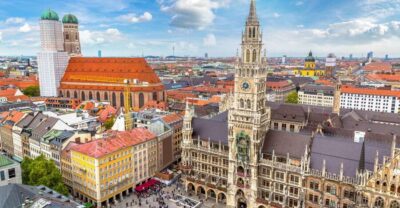
- Starting at Marienplatz: the Mariensäule meeting point
- Marienplatz to Königsplatz: walking the Nazi street story
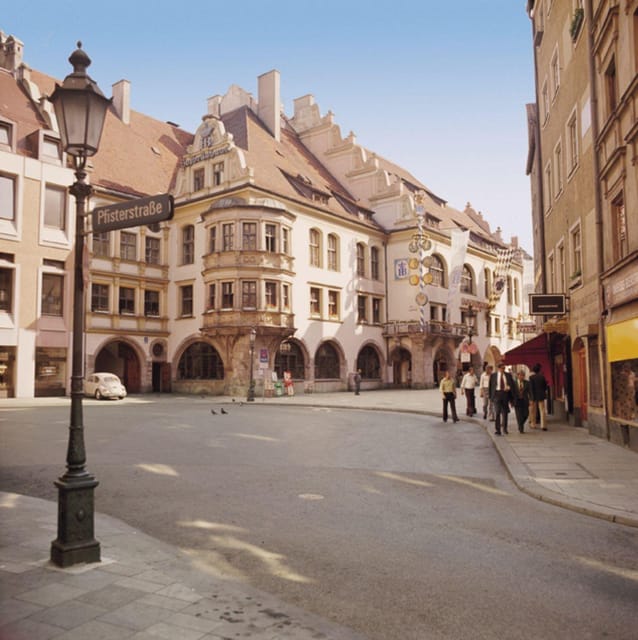
- Beer halls, propaganda buildings, and the power of surviving walls
- Königsplatz and the remaining monuments of the regime
- What the best guides do: documents, interaction, and respect
- Price and value: $259 per group, up to 25
- Practical tips before you go (and what to wear)
- Should you book this Munich Third Reich and WWII walking tour?
- FAQ
- Where is the meeting point for the tour?
- How long is the walking tour?
- Is this tour private or group-based?
- What languages are offered?
- How much does the tour cost?
- What’s included in the price?
- Is transportation included?
- Is the tour wheelchair accessible?
- What should I bring?
- Is video recording allowed, and is it suitable for kids?
Key things you will notice on this Munich tour
- Original locations tied to the NSDAP, Hitler’s early notoriety, and later propaganda power centers
- Documents and period photos shown at each site so you can picture what changed over time
- A focused Old Town route from Marienplatz toward Königsplatz, where war scars and monuments sit side by side
- Resistance and victim remembrance included, not only the Nazi storyline
- Guides with strong people skills, with Karl and Ina specifically noted for approach and engagement
Further wartime history walks we have written up
- Munich: Third Reich & WWII Walking Tour★ 4.6 · 6,181 reviews
- Third Reich Walking Tour Munich★ 4.5 · 4,291 reviews
- Munich: Birthplace of the Third Reich Guided Walking Tour★ 4.6 · 771 reviews
- Munich World War II Sites Including Dachau Concentration Camp★ 4.5 · 570 reviews
Why Munich mattered more than you think
Munich was not just the backdrop for Hitler’s rise. It is tied to the moment the Nazi movement went from fringe agitation to a political threat with momentum. The NSDAP was founded here, Hitler’s Beer Hall Putsch failed here, and by 1935 Munich was officially called the Capital of the Movement. In other words, the city becomes part stage, part megaphone, part command center.
Allied Supreme Commander Dwight D. Eisenhower even referred to Munich as the cradle of the Nazi beast. That line lands because this tour focuses on why the Nazis found such fertile ground in this Bavarian city: public rallies, political theater, and the steady use of intimidation that turned street life into something darker.
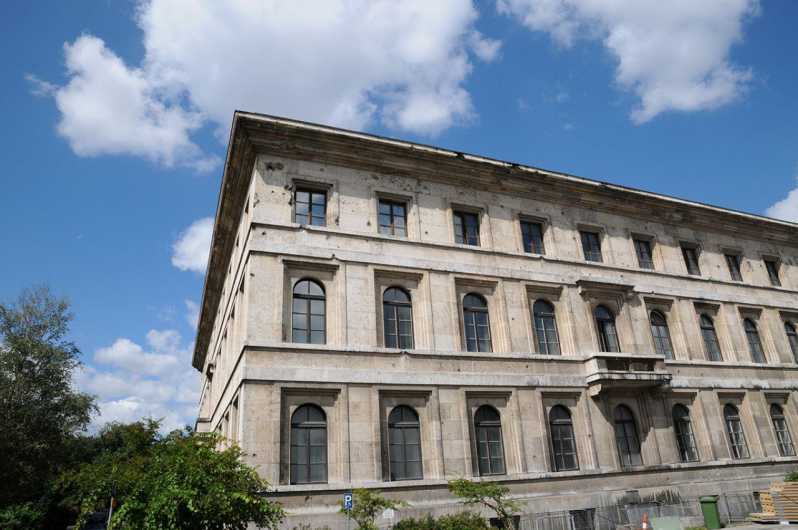
You will also see the contrast that makes Munich so instructive. Much of central Munich was destroyed by Allied bombing during World War II, yet many grand structures built under Nazi direction still remain. Your guide helps you read that contradiction: what survived was not random. It was tied to power, planning, and the messages the regime wanted to imprint on daily life.
Starting at Marienplatz: the Mariensäule meeting point
You kick things off in the heart of town at Marienplatz, meeting at the Mariensäule. The instructions are simple: go to the golden statue on top of a tall red marble column at the center of the square. Then look for your guide with a blue bag that has Weis(s)er Stadtvogel written on it.
This matters because Munich is easy to navigate on a good day, but tours like this run on a tight two-hour window. You want to arrive early enough to find the meeting spot without stressing. Also, since transportation is not included, you are on your own to get to Marienplatz.
The tour runs in German or English with a live guide. It is a private group format, which usually means a little more room for questions. And since it is listed as wheelchair accessible, you can plan around a more supportive route than you would on a typical cobblestone-only “meet and figure it out” walk.
Marienplatz to Königsplatz: walking the Nazi street story
The route you follow is built around key centers of attention and influence, starting near Marienplatz and moving toward Königsplatz. Even in just two hours, the walking path helps you understand how the Nazis used public space like a tool. Squares and streets were not neutral. They were where ideas were performed, repeated, and enforced.
At stops along the way, your guide explains the timeline behind the headlines you might already know. You will connect the early Nazi rise to the post-World War I climate in Germany, then trace how Hitler became a recognizable public figure in Munich. The tour description highlights his beer hall orator reputation, meaning you will hear about the role of speeches and crowds, not just politics written in books.
You will also encounter the darker events tied to the Nazi program, including anti-Semitic pogroms, the destruction of synagogues, and public burning of books. These are not presented as generic “atrocity summaries.” The value here is that your guide connects the actions to place, showing you where the movement gained visibility and where terror was carried out in the streets.
Beer halls, propaganda buildings, and the power of surviving walls
One reason this tour works well is that it treats architecture like evidence. In many cities, you can read about WWII, but you cannot always see what was still standing. Here, Munich gives you that eerie gift. Your guide points out original buildings and specific locations from the era, where surviving structures let you see how close the Nazi story sits to modern daily life.
A key feature is the way the guide uses documents and pictures to show you what buildings looked like during the Nazi regime. That technique helps your brain do something important: compare the past and present in real time. You are not just listening to facts. You are building a mental overlay of the time period.
The tour also highlights that some of the biggest Nazi-era structures survived even when much of central Munich was hit hard by bombing. Your guide explains the irony: war erased many ordinary parts of the city, but the propaganda imprint survived in more impressive, more visible forms. That juxtaposition tends to stick with people because it feels so immediate.
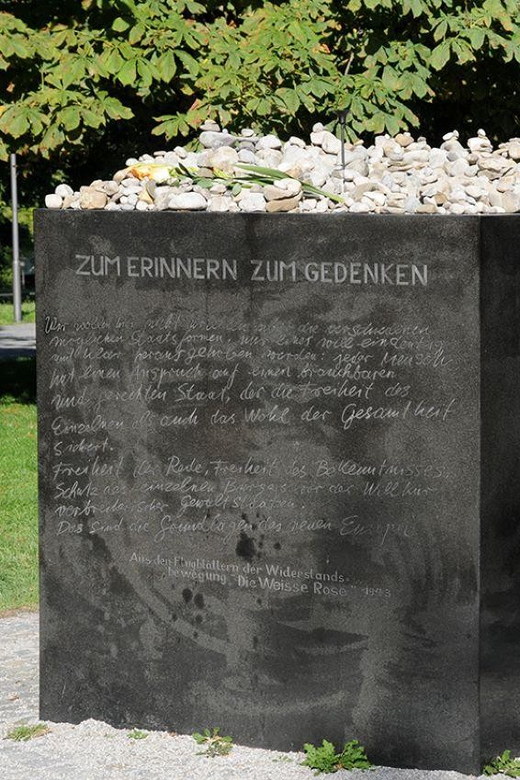
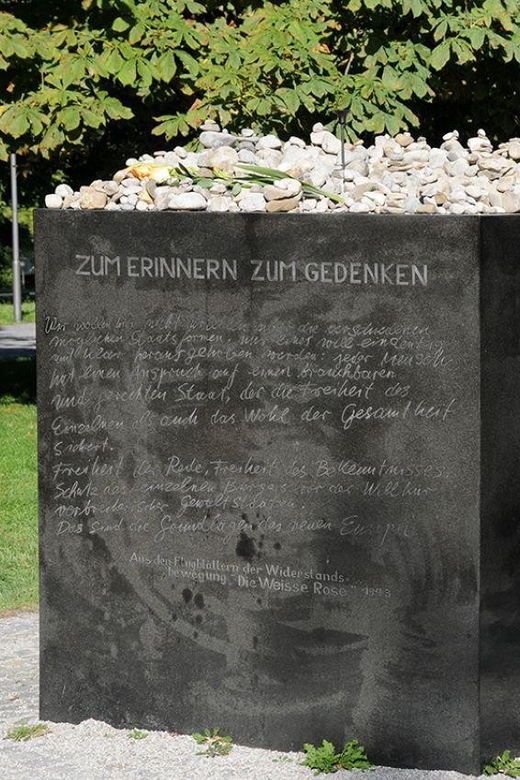
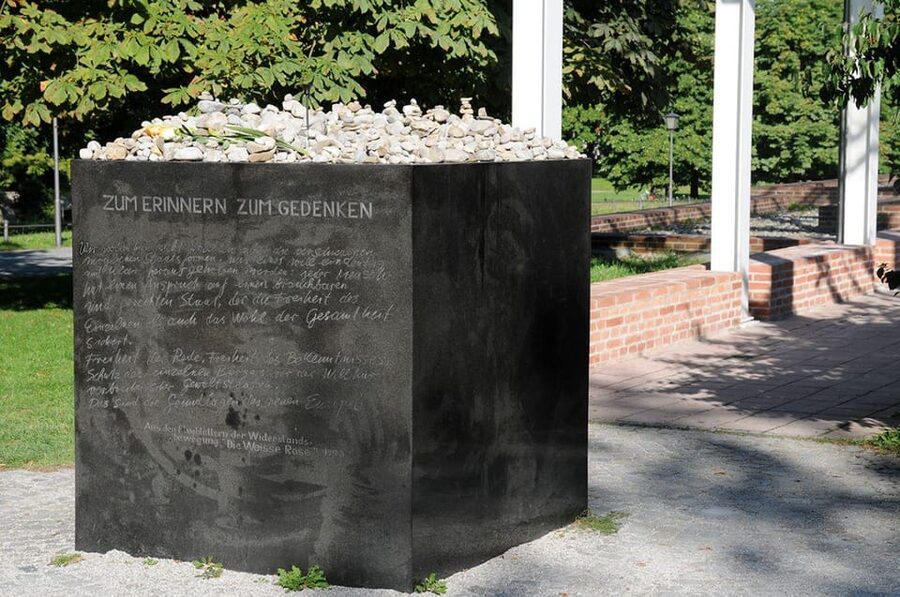
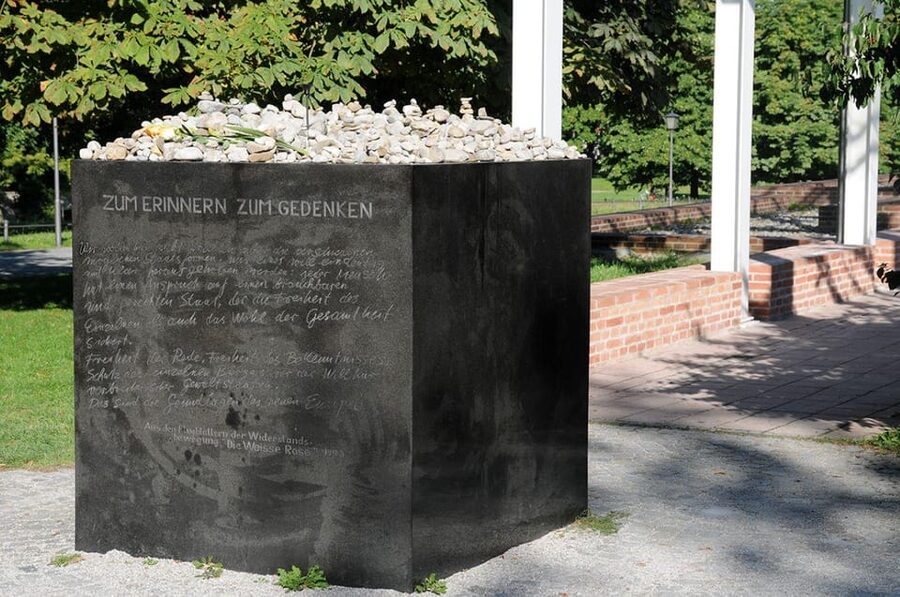
And it is not only about the Nazi side. Your guide brings in remembrance too, pointing you toward memorials dedicated to victims of Nazism and including stories of resistance. That helps keep the walk from becoming a one-note history lesson.
Other walking routes through Munich
Königsplatz and the remaining monuments of the regime
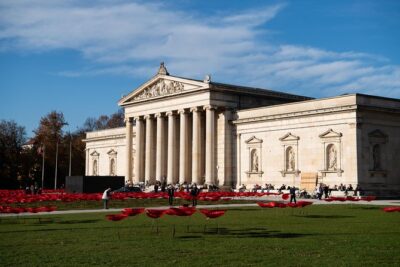
As you move closer to Königsplatz, the tone shifts from early movement energy to the later idea of authority and permanence. This is where grander messaging becomes more visible in the urban layout. The Nazi leadership wanted the regime to look unstoppable, and the city planning and buildings reflected that goal.
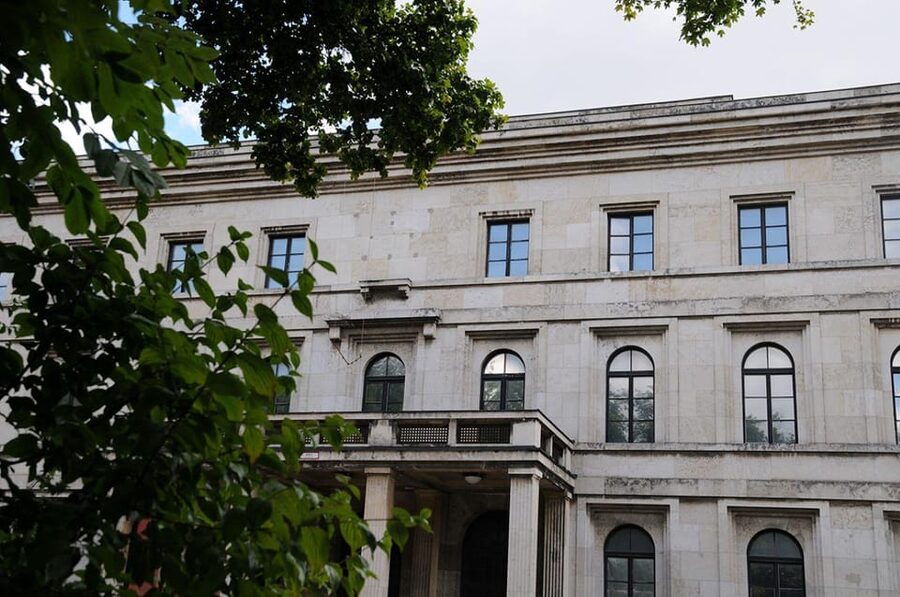
Your guide explains why this era mattered and how the Nazi system functioned beyond individual speeches. You hear about power being centralized and formalized, not only in ideology but also in institutions and headquarters. The tour description specifically includes time at the former Nazi headquarters, where Hitler once wielded influence.
This is also where many visitors slow down, because buildings can feel like history you can touch. You get a mix of surviving structures associated with the Third Reich alongside memorials honoring those who were targeted, harmed, or killed. That balance is important. Without it, you might only come away with the chilling power of propaganda. With it, you get context for what was done to people and what it meant for democracy and human rights.
What the best guides do: documents, interaction, and respect
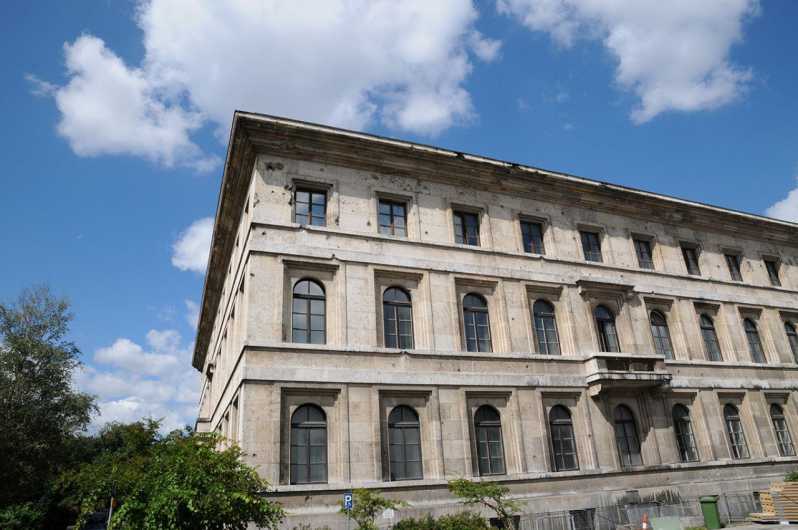
The tour’s big strength is the guide experience. The tour is led by a certified guide, and the focus is not just on reading dates off a wall. The guide presents documents and photos at each spot, helping you understand the meaning of what you are seeing. That turns a walk into a guided act of interpretation.
You can expect the guide to be enthusiastic and interactive, with attention to explaining what happened at relevant locations. If you are traveling solo, this format can be especially helpful because you are not guessing which direction to take or which places deserve the extra time. One guide named Karl is highlighted as welcoming and especially good for solo travelers who want history in context. Another guide named Ina is noted for being kind and patient, and for speaking in a more heartfelt, personal way rather than sticking to a script.
A practical tip here is simple. Bring questions. This is one of those topics where your curiosity is welcome. If you want to know how early rallies turned into state policy, ask. If you want help connecting the dots between propaganda and violence, ask. A good guide can connect the dots in plain language.
One more important note: video recording is not allowed. If you like to film, plan to take notes or photos where permitted, and treat the walk like a live classroom.
Price and value: $259 per group, up to 25
The price is $259 per group up to 25 for a 2-hour walking tour. That sounds simple, but the value depends on how you travel.
If you are a small group of friends, splitting the cost makes this feel like a solid deal for a guided, interpretation-heavy experience. You are not just getting a checklist of sites. You are paying for a certified guide who can explain the connections between the Nazi movement, specific locations, and later WWII impacts, including resistance and remembrance.
If you are traveling as a couple or solo, you might feel the price more. But the private group format can still be worth it if you want question time and a smoother pace than a large public group. For many people, the tipping point is whether you want the historical context explained out loud while you are standing in the place where it happened.
Also, two hours is long enough to build momentum but short enough to fit between other Munich plans. You do not have to dedicate a whole day to this topic unless you want to. It is a targeted walk, and that focus often feels like better value than longer tours that spread attention thin.
Practical tips before you go (and what to wear)
This is a walking tour, so comfortable shoes are non-negotiable. Munich’s center has plenty of stone and uneven surfaces, and you will want your feet ready for steady walking.
Bring drinks, too. It is easy to underestimate how much you will feel the walking plus the emotional weight of the subject matter. Having water or a planned drink break can keep the experience manageable.
The tour is also labeled wheelchair accessible. Still, do not assume the city is paved like a parking lot. If mobility is an issue, go to the meeting point early and be ready to move at a guided pace.
Finally, this tour is not suitable for children under 10. If you are planning family travel, that rule helps you choose another activity for younger kids and keep this walk respectful and age-appropriate.
Should you book this Munich Third Reich and WWII walking tour?
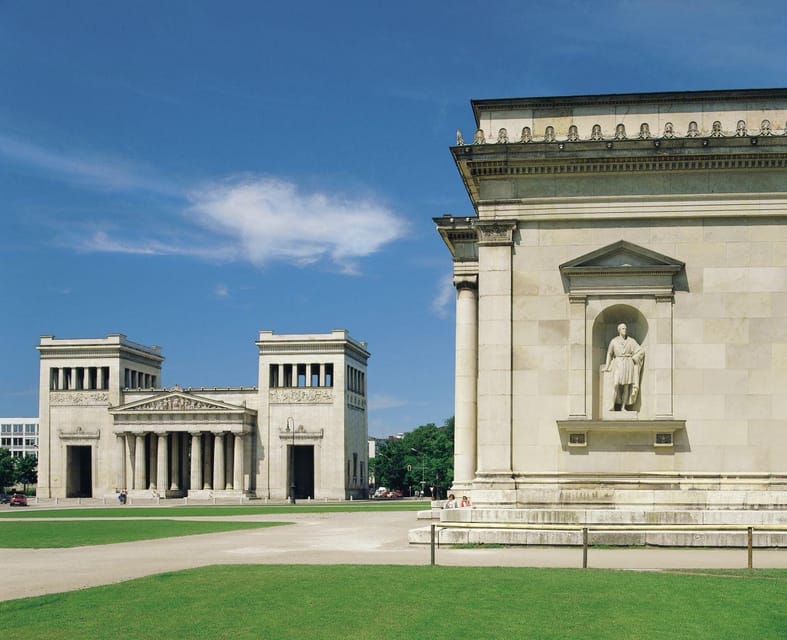
Book it if you want history that connects directly to place. You will get original locations, period documents and photos, and a guided route that moves from Marienplatz toward Königsplatz. You will also come away with the context that explains how a political movement built itself in public life, then escalated into terror, war, and genocide.
Skip it if you are looking for light sightseeing or if you want something casual and upbeat. This is a serious topic, and the tour is designed to confront it directly with memorials and victim remembrance included. If you are sensitive to heavy themes, go in prepared, not distracted. If you are a parent of young kids, plan a different plan for the younger ones, because this one is not intended for children under 10.
If you can handle the emotional weight, this tour offers a rare kind of clarity. Munich’s buildings can look ordinary from a distance. On this walk, you learn to see what is hiding in plain sight.
FAQ
Where is the meeting point for the tour?
Meet at the Mariensäule in the center of Marienplatz. Look for the golden statue on top of a tall red marble column, and for the guide with a blue bag that says Weis(s)er Stadtvogel.
How long is the walking tour?
The tour lasts 2 hours.
Is this tour private or group-based?
It is available as a private group option.
What languages are offered?
The live guide speaks German and English.
How much does the tour cost?
The price is $259 per group, up to 25 people.
What’s included in the price?
A certified guide and a walking tour are included.
Is transportation included?
No, transportation is not included.
Is the tour wheelchair accessible?
Yes, it is listed as wheelchair accessible.
What should I bring?
Wear comfortable shoes and bring drinks.
Is video recording allowed, and is it suitable for kids?
Video recording is not allowed. The tour is not suitable for children under 10 years old.
Pavements of Munich
Wartime History Walks We Have Reviewed
Everything else we filed on Munich
- Munich Beer and Bavarian Bites Private Tour
★ 5.0 · 11 reviews - Private Day Trip from Munich to Neuschwanstein and Linderhof
★ 4.0 · 11 reviews - Private Munich Old Town Walking Tour – with optional Breakfast
★ 5.0 · 11 reviews - Festive Concert in the All-Saints Court Church
★ 4.6 · 11 reviews - Private Castle Tour from Munich: Neuschwanstein, Hohenschwangau, and Linderhof
★ 4.5 · 12 reviews - Munich: Oktoberfest Big Beer Tent Evening including table reservation
★ 4.8 · 12 reviews
Third Reich and Wartime History Tours, side by side.
 ★ 4.9Berlin: Third Reich and Cold War 2 Hour Walking TourFrom $236,830 reviews
 ★ 4.6Munich: Third Reich & WWII Walking TourFrom $316,181 reviews
 ★ 5.0Berlin’s Best: 2 Hour Walking Tour Third Reich and the Cold WarFrom $245,486 reviews
 ★ 4.5Third Reich Walking Tour MunichFrom $454,291 reviews
 ★ 5.0Third Reich Berlin: Hitler and WWII Walking TourFrom $243,301 reviews
 ★ 4.7Nuremberg: Walking Tour of Former Nazi Party Rally GroundsFrom $151,665 reviews
 ★ 4.9Berlin: Third Reich, Hitler, and WWII Walking TourFrom $201,133 reviews
 ★ 4.8Nuremberg: Historischer Kunstbunker WWII Art Bunker TourFrom $14921 reviews
Other lists this tour is on