
REVIEW · WARTIME HISTORY
Private Tour: Munich Third Reich Walking Tour
Dark corners, clear facts. This private walking tour ties Munich’s Old Town directly to the rise of the Nazi movement, from early party milestones to the Beer Hall Putsch. You get a history-expert guide and hotel pickup, so the day feels focused instead of stressful.
What I like most is the personal attention of a private tour, plus the chance to ask questions and get straight answers as you walk. I also love that the route doesn’t stop at the obvious headlines, it points you toward places like the Gestapo’s former headquarters area and the sites connected to Adolf Hitler’s rise in Munich.
One drawback to consider: this is a lot of walking in about two hours, and the subject matter is heavy. If you’re sensitive to dark history or you need a very slow pace, plan to mention that up front, since some people have found the flow harder to follow than they expected.
In This Review
- Key things to know before you go
- Munich and the Third Reich, right where you stand
- Start at Radius Tours, then move through Old Town on foot
- Marienplatz: where the story feels immediate
- The Beer Hall Putsch site: power tried, failed, then echoed
- Gestapo headquarters area: how control shows up in buildings
- Hitler’s early connection to the Nazi Party: the climb before the fall
- Hofbräuhaus stop: the beer hall as a contrast, not a detour
- Guides who can handle questions, and why that matters
- Price and value for a two-hour, private format
- How to make the walking comfortable (and get more out of the hour)
- A note on expectations, pacing, and communication
- Should you book this Munich Third Reich walking tour?
- FAQ
- How long is the Munich Third Reich walking tour?
- What is the meeting point for the tour?
- Does the tour include hotel pickup and drop-off?
- Is this tour private?
- What language is the tour offered in?
- Are food and drinks included?
- Is there admission cost at the stops?
- Can I cancel and get a refund?
- Is there a mobile ticket?
Key things to know before you go
- Hotel pickup and drop-off from central Munich, or meet at Radius Tours if you prefer.
- Private format means you are with just your group, not mixed strangers.
- A guided route through major Third Reich connections, including the Beer Hall Putsch area.
- English-led tour aimed at explaining what you are seeing, not just naming places.
- A Hofbräuhaus stop to break the intensity and keep the timing tight.
- Guides who handle questions well, with some guides even tailoring the pacing for younger history-minded visitors.
Further wartime history walks we have written up
- Munich: Third Reich & WWII Walking Tour★ 4.6 · 6,181 reviews
- Third Reich Walking Tour Munich★ 4.5 · 4,291 reviews
- Munich: Birthplace of the Third Reich Guided Walking Tour★ 4.6 · 771 reviews
- Munich World War II Sites Including Dachau Concentration Camp★ 4.5 · 570 reviews
Munich and the Third Reich, right where you stand
Munich is where Adolf Hitler’s story accelerates, not in some abstract textbook way, but on real streets. This tour uses the city’s center as a timeline, so you connect events to locations: where key Nazi activity took shape, where propaganda gained traction, and where the movement tried to seize power.
That matters, because without context, many buildings in Munich look like just buildings. With a strong guide leading you, those facades become storyboards. And you get more than the big headline events, you also get the smaller details that help the bigger picture make sense.
The tone is practical and historical. You are not there to shock yourself for sport. You are there to understand how a political movement built momentum, how Munich fit into it, and how that escalated into catastrophe.
Start at Radius Tours, then move through Old Town on foot
The tour typically starts at Radius Tours at Dachauer Str. 4, 80335 München. If you share your hotel details, you can also arrange for hotel pickup from a central location, and the tour includes drop-off when you finish.
Plan on the day being simple logistically. You are given a single meeting point and a set start time, and then you walk. A mobile ticket is included, which helps if you prefer to keep everything on your phone.
The city center is walkable, and the stops are clustered enough that the “two hours approx.” format stays realistic. That is one reason this tour works well for a short Munich stay: you get a concentrated route without losing half the day to transit.
Marienplatz: where the story feels immediate
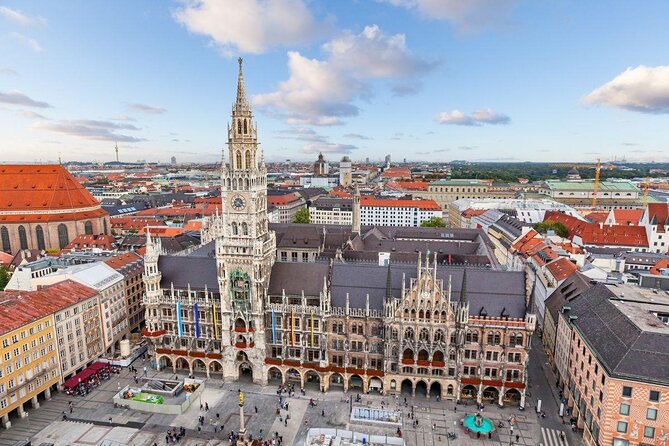
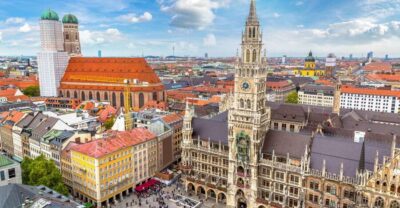
One early stop is Munich’s Marienplatz, the city’s main square. It is busy and historic, and it acts like a stage for everything else you will see.
Here’s what I find useful: the square is not just a postcard setting. A guide can use it to anchor the shift from everyday public life to political theater. You get to see how power and public attention intersected in the city’s most visible spaces.
The timing is tight at this stop, around 10 minutes, so think of it as orientation. You are getting a reference point, not lingering for a museum experience.
The Beer Hall Putsch site: power tried, failed, then echoed
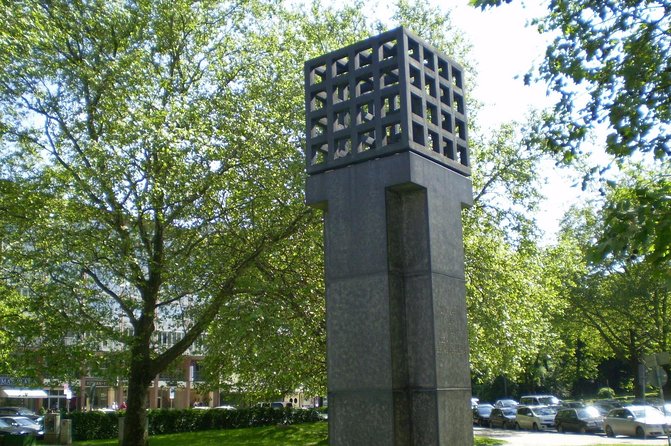
A major highlight is the area tied to the Beer Hall Putsch in 1923, also known as the Munich Putsch. This was a failed coup attempt by Hitler and other Nazi leaders to seize power, and it becomes a turning point you keep referencing as your tour continues.
This stop is powerful for a simple reason. When you stand near the locations connected to a dramatic political move, the event stops feeling like a detached chapter. You get the sense of what was at stake and why the movement cared so deeply about timing and visibility.
A short stop like this can feel fast, but it also keeps the tour moving with good momentum. If you want to slow down and ask follow-ups, you can. The guides leading this tour are reported to be patient and to handle lots of questions without making you feel rushed.
Other walking routes through Munich
Gestapo headquarters area: how control shows up in buildings
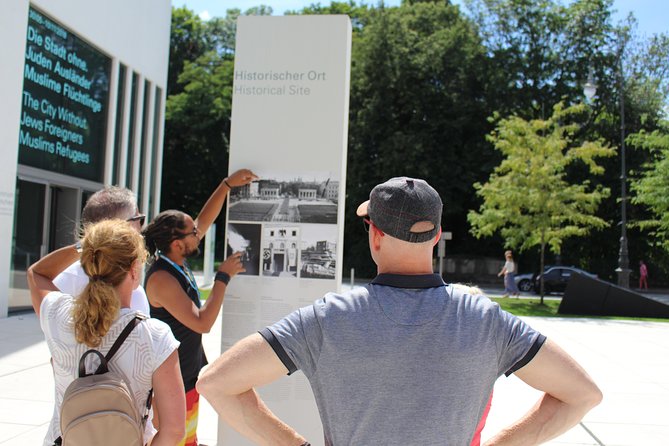
Another key theme is the former Gestapo headquarters. Even when exact details are hard to spot from the sidewalk, a guide can explain what you are looking at and why it matters.
Why it’s worth including: it shows how the Nazi state shifted from political persuasion to enforcement. You go beyond speeches and slogans and into the machinery of control, which is one reason this kind of tour feels sobering instead of just informative.
The biggest practical point here is not the building’s current appearance. It’s the narration. If your guide uses period photos and clear explanations, you can “see” how the area fit into the system at the time.
If you prefer a strict, step-by-step chronology, it is worth asking your guide how they are structuring the narrative early on. One person described an ordering that felt harder to follow, even though the guide still knew the answers. A simple “Can you keep it chronological?” question can help you get the smooth flow you want.
Hitler’s early connection to the Nazi Party: the climb before the fall
The tour also includes the building where Hitler first joined the Nazi party, presented as part of his rise inside Munich. Seeing this kind of location is valuable because it puts human ambition on a street level.
This is where I like to pay attention to the “before it became infamous” context. You get a sense that political movements do not appear fully formed. They grow through networks, small opportunities, and moments where influence turns into access.
It is also a reminder that history is not only about what happened in the final years. It is about the early steps that let an ideology gain traction.
A good guide will connect these early milestones to the later high-stakes events you visit, so you leave with a timeline that actually sticks.
Hofbräuhaus stop: the beer hall as a contrast, not a detour
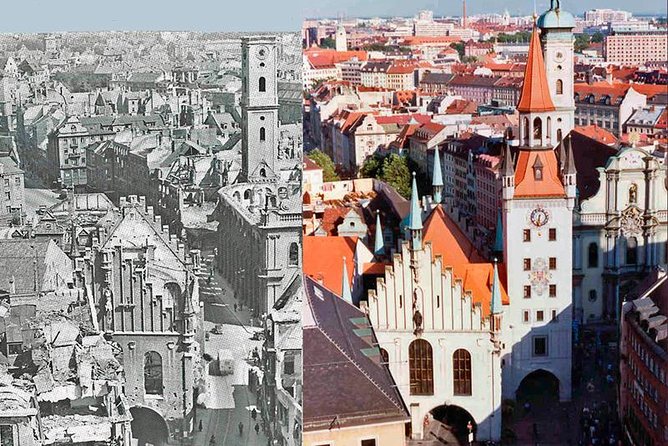
The tour ends with a stop at Staatliches Hofbräuhaus, known for the famous Hofbräuhaus beer hall. This part is smart planning. After a walkthrough of violent political history, you get a calmer, cultural setting for a reset.
Timing is listed as about 20 minutes at the beer hall. That is not a long sit-down meal, and food and drinks are not included, but it gives you a chance to take in the atmosphere and regroup.
I also like that the tour starts and ends back at the meeting point. That keeps your evening open. You do not have to sprint to some far-off location while everything is still on your mind.
If you want a practical add-on after the tour, pay attention to any navigation help your guide offers. One guide was even reported to show how to navigate the subway afterward, which is exactly the kind of useful finishing touch that makes this feel like more than just a history lecture.
Guides who can handle questions, and why that matters
The biggest difference between a forgettable walking tour and a memorable one is the guide’s ability to answer what you actually care about.
In this tour’s case, multiple guides have been mentioned by name, including Mark, Sarah, and Steve. The common thread in the praise is that they stayed patient with questions and explained the context in a way that helped people understand the connections between sites.
Some tours are scripted tightly, with no room for curiosity. This one seems designed for real back-and-forth, which is a big value if you like to ask about dates, motives, or how certain events unfolded in Munich.
One practical tip: have one or two questions ready in your notes app. Even if your guide covers everything, starting with a focused question helps you get more out of the time you paid for.
Price and value for a two-hour, private format
The price is $240.28 per person for a private two-hour walking tour. That number can look high until you compare it to what you usually get for a single guide in a city center.
Here is why it can still feel like good value:
- You are not sharing your guide with a larger group.
- You get pickup and drop-off from central Munich, which saves time and transit hassle.
- The itinerary is built around high-impact locations tied to specific events, so you spend your paid time on meaningful stops.
- Group discounts are listed as a feature, which can improve value if you are traveling as more than two people.
Also note the tour is offered in English and uses a mobile ticket. That reduces friction for travelers who want things straightforward.
If you are in Munich for a busy schedule, the “approx. two hours” format helps you fit this in without killing your whole day.
How to make the walking comfortable (and get more out of the hour)
This is a walking tour, so treat it like one. Wear shoes you trust for stone streets and quick turns. The duration is short enough that you do not have to dread the day, but it is long enough that comfort matters.
If you are bringing kids or traveling with teenagers, there is a useful signal from one guide’s approach: Steve was reported to tailor the talking points to keep two young boys ages 9 and 13 engaged. That doesn’t mean every guide will do the same style, but it suggests the tour can be adapted when you request it.
If you want that kind of pacing, say so early. Ask the guide to adjust the level and speed. A simple note before you start can help you get a tour that feels right for your group.
A note on expectations, pacing, and communication
This tour is serious history, and that can sometimes mean the guide uses visuals or references locations in ways that are not obvious to a first-time visitor. One person mentioned that the guide used pictures of areas and had trouble keeping the sights in perfect order, though the guide still knew the answers.
That tells me how to manage your expectations: go in wanting understanding, not a museum-style exhibit timeline that reads like a printed script. If you ask questions when you have them, you can turn any rough edges in flow into a better experience.
One more practical caution comes from a negative account about a cancellation without notification. I cannot predict how this will go for you. But I do recommend you keep your confirmation details handy and check in the day before so you are not stuck trying to make last-minute decisions if something changes.
Should you book this Munich Third Reich walking tour?
Book it if you want a private, guide-led Munich experience built around specific locations tied to Hitler and Nazi Germany, and you like getting context while you walk. The mix of key sites plus the structured ending at Hofbräuhaus makes it easier to fit into a short visit without feeling rushed through a random list of stops.
Skip it or think twice if:
- You need a very light walking schedule.
- You want a strictly chronological, perfectly ordered walkthrough with no room for questions that stretch the pace.
- You are uncomfortable with the subject matter and would rather stick to more general Munich history.
For the best outcome, bring two things: comfortable shoes and curiosity. Then ask your guide how they plan to connect each stop to the next. With guides like Mark, Sarah, and Steve mentioned in strong feedback, you should be able to turn the buildings you see into a story you actually understand.
FAQ
How long is the Munich Third Reich walking tour?
It runs for about 2 hours.
What is the meeting point for the tour?
The tour starts at Dachauer Str. 4, 80335 München, Germany. If you share hotel pickup details, pickup may be arranged from a central Munich accommodation.
Does the tour include hotel pickup and drop-off?
Yes. Hotel pickup and drop-off are included as part of the experience, and pickup is offered for central accommodations.
Is this tour private?
Yes. It is a private tour/activity, so only your group participates.
What language is the tour offered in?
The tour is offered in English.
Are food and drinks included?
No. Food and drinks are not included.
Is there admission cost at the stops?
The listed stops show admission ticket free for the Radius Tours start point and Marienplatz, and the Hofbräuhaus stop is also shown with admission ticket free.
Can I cancel and get a refund?
Yes. You can cancel up to 6 days in advance for a full refund. The policy also allows a 50 percent refund if you cancel 2 to 6 full days before the start time.
Is there a mobile ticket?
Yes. A mobile ticket is included.
Pavements of Munich
Wartime History Walks We Have Reviewed
Everything else we filed on Munich
- Munich Beer and Bavarian Bites Private Tour
★ 5.0 · 11 reviews - Private Day Trip from Munich to Neuschwanstein and Linderhof
★ 4.0 · 11 reviews - Private Munich Old Town Walking Tour – with optional Breakfast
★ 5.0 · 11 reviews - Festive Concert in the All-Saints Court Church
★ 4.6 · 11 reviews - Private Castle Tour from Munich: Neuschwanstein, Hohenschwangau, and Linderhof
★ 4.5 · 12 reviews - Munich: Oktoberfest Big Beer Tent Evening including table reservation
★ 4.8 · 12 reviews
Third Reich and Wartime History Tours, side by side.
 ★ 4.9Berlin: Third Reich and Cold War 2 Hour Walking TourFrom $236,830 reviews
 ★ 4.6Munich: Third Reich & WWII Walking TourFrom $316,181 reviews
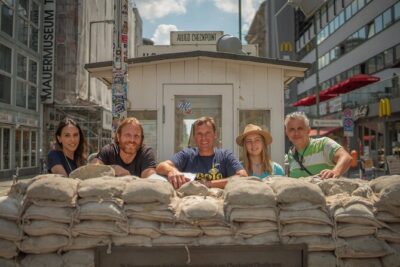 ★ 5.0Berlin’s Best: 2 Hour Walking Tour Third Reich and the Cold WarFrom $245,486 reviews
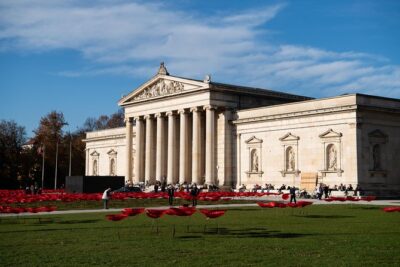 ★ 4.5Third Reich Walking Tour MunichFrom $454,291 reviews
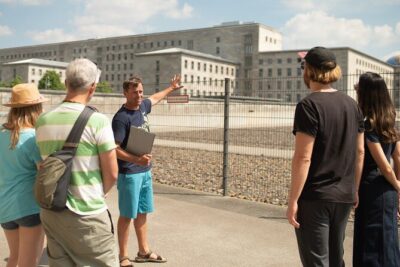 ★ 5.0Third Reich Berlin: Hitler and WWII Walking TourFrom $243,301 reviews
 ★ 4.7Nuremberg: Walking Tour of Former Nazi Party Rally GroundsFrom $151,665 reviews
 ★ 4.9Berlin: Third Reich, Hitler, and WWII Walking TourFrom $201,133 reviews
 ★ 4.8Nuremberg: Historischer Kunstbunker WWII Art Bunker TourFrom $14921 reviews
Other lists this tour is on