

REVIEW · JEWISH HERITAGE
Berlin: Jewish Museum Highlights Tour
Symbolic architecture and hard history live together here. This highlights tour in Berlin’s Jewish Museum gives you a focused look at the museum’s new core exhibition, with Jewish history in Germany from the Middle Ages to the present day, including the Nazi era and the years after 1945.
What I really liked is the object-first storytelling and the way the guide connects art, media, and real historical material to the big question of belonging versus exclusion. I also like that you cover five historical chapters in eight rooms without feeling like you are wandering aimlessly.
One possible drawback: it is a highlights tour, so if you are the type who wants to stand with one object for a long time, you may feel a bit time-pressed at certain stops.
In This Review
- Key things to know before you go
- Entering the old building, where the glass courtyard sets the tone
- What your 90 minutes actually covers in the core exhibition
- The big storyline: Middle Ages to today, with a clear focus on Germany
- Nazi era and the years after 1945, handled through objects and media
- Art and culture rooms: where the question becomes personal
- Symbolic architecture: why the building is part of the lesson
- Guided stations you should focus on, without trying to see everything
- English tour flow: live guide plus audio guide working together
- Wheelchair accessible, and why pace planning matters
- Price and value at about $7 for a 1.5 hour guided overview
- Where you start matters: the free core-exhibition ticket step
- Who this tour is best for, and who should consider a different approach
- Should you book the Berlin Jewish Museum highlights tour?
Key things to know before you go
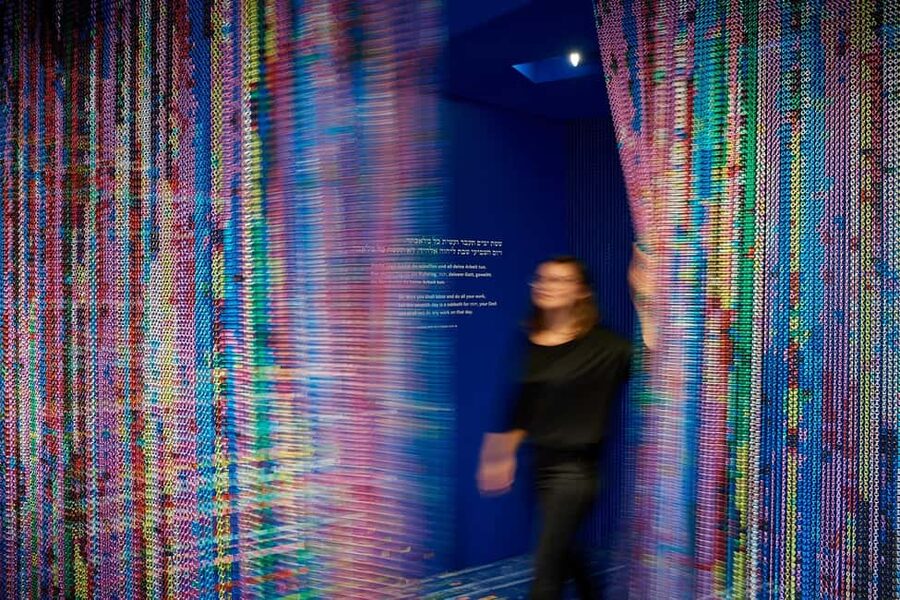
- Five historical chapters plus eight rooms, organized so you get a coherent first overview in 1.5 hours
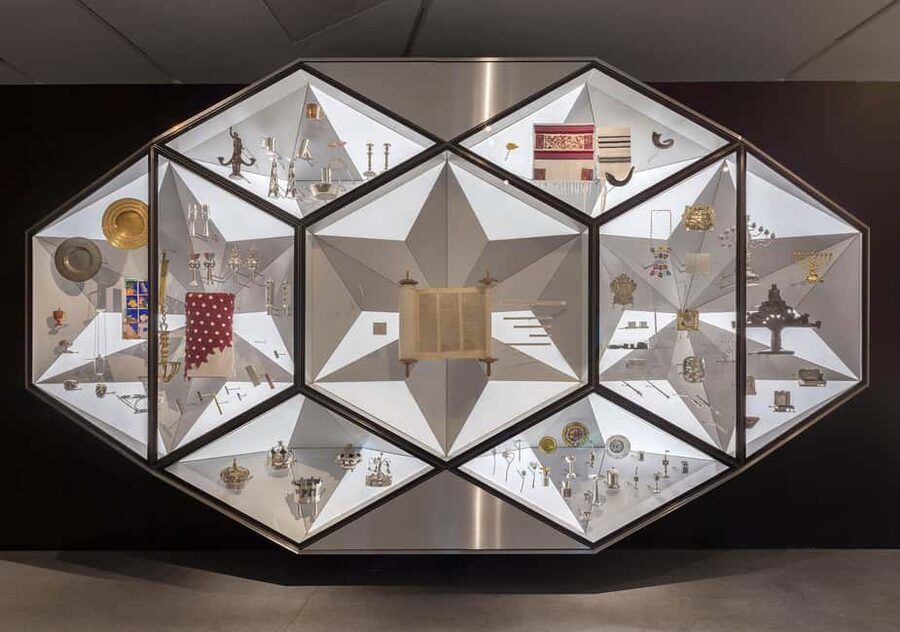
- Selected stations and objects give you a guided path, instead of a museum-wide sprint
- Art and culture focus, not just dates, with works of art, media stations, and video installations
- Polyphonic, sometimes contradictory perspectives help you see how complicated identity and belonging can be
- English live guide and English audio guide so you can switch modes if you want
- Symbolic architecture is part of the meaning, not just a cool backdrop
More Jewish heritage walks and memorial visits
- Nazi Berlin and the Jewish Community Tour★ 4.8 · 55 reviews
- Path of Resistance: Berlin’s Hidden Holocaust Stories★ 5.0 · 33 reviews
- Private Tour: Jewish Heritage Walking Tour of Berlin★ 5.0 · 29 reviews
- Jewish Berlin: Walking tour The Old Jewish Quarter (private 3 Hours tour)★ 5.0 · 27 reviews
Entering the old building, where the glass courtyard sets the tone
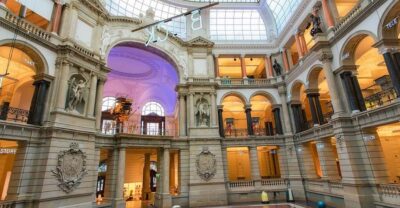
You meet your guide in the old building, ground level, in the glass courtyard. That matters more than it sounds, because this tour starts by orienting you in the museum space before the history kicks in. Expect a clear handoff from the meeting area into the core exhibition, so you do not waste your first minutes figuring out where to go.
If you use a wheelchair, you should feel good about the setup since the tour is wheelchair accessible. The museum experience is also designed for you to pause when you need to, though the timeline is still tight enough that you should listen for what the guide wants you to notice.
What your 90 minutes actually covers in the core exhibition
This is built as a first overview of the museum’s new core exhibition. In about 90 minutes, you move through five historical chapters distributed across eight rooms focused on art and culture.
The core theme is the tense relationship between belonging and exclusion, tracked from the Middle Ages to the present day. The guide steers you through a Jewish perspective, using selected stations and objects to move the story forward step by step, rather than presenting everything at once.
And yes, the museum does not treat this as one smooth line. The tour highlights the fact that the exhibition offers polyphonic viewpoints, sometimes even positions that feel at odds with each other. That approach can be jarring, but it is also honest, because identity and history are rarely simple.
The big storyline: Middle Ages to today, with a clear focus on Germany
The exhibition you see on this tour frames Jewish life in Germany across centuries, from the Middle Ages up to the present. What you gain from a highlights format is the logic of the arc, so you can later make sense of the parts you might want to re-read or re-visit.
The guide keeps returning to the idea that belonging is not just personal. It is political, social, and frequently contested. As you walk room to room, you will notice how the exhibition connects culture and everyday life to broader forces that pushed Jews in and out of public belonging.
If you like museum experiences that feel grounded in evidence, you are in the right place. You are not asked to memorize a textbook. You are shown objects and works, then guided to interpret how they relate to bigger themes.
Nazi era and the years after 1945, handled through objects and media
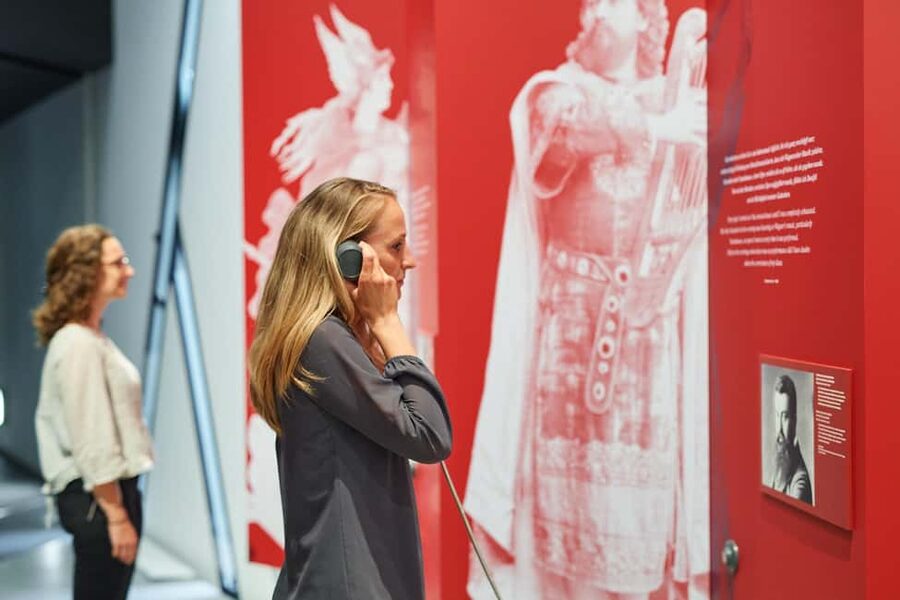
The tour pays special attention to the Nazi era, and then to what comes after 1945. This is the part of the exhibition where the emotional weight increases, and it is also where the tour’s object-based approach really helps.
Instead of only giving broad descriptions, the guide points you to historical material and ways the museum communicates meaning. You will encounter media stations and video installations, plus works of art from the collection. That mix is useful, because it gives you more than one way to process difficult material.
Here is the practical value for you: you leave with a map of the storyline, not just a sense of sadness. You start to see how the exhibition asks you to think about consequences, memory, and what Jewish life means after catastrophic rupture.
More collections to walk through in Berlin

Art and culture rooms: where the question becomes personal
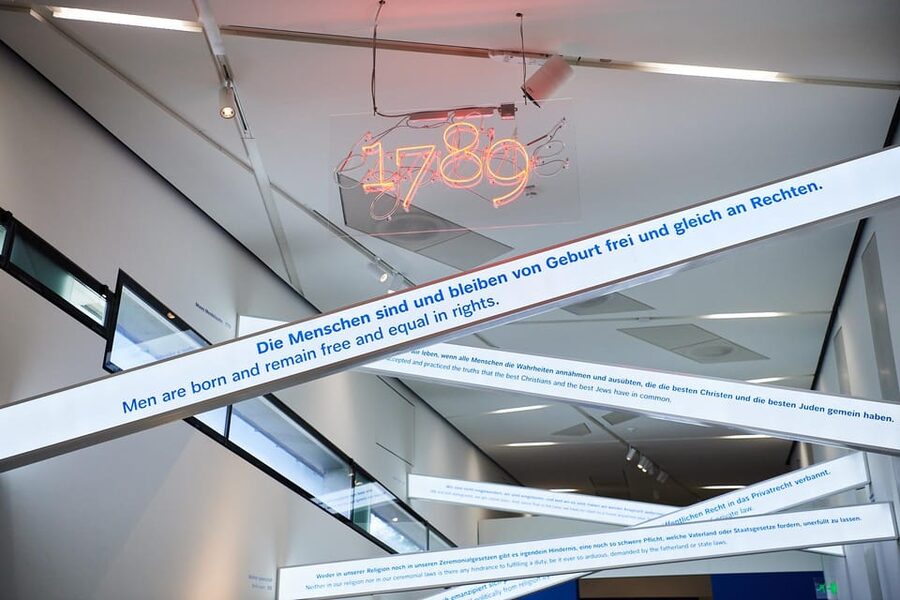
Eight rooms sounds like a lot, but on a guided highlights tour, it works because the rooms are linked by a central question. The exhibition focuses on art and culture as a way to understand how Jewish identity is expressed, challenged, and reinvented.
You are going to see works of art, but also a wider set of cultural expression. The museum’s inclusion of media stations and video installations helps you connect the historical themes to modern conversations about identity and belonging.
One thing I appreciate is that this is not presented as a single, unified voice. The guide emphasizes how perspectives can be contradictory. That can make you pause, because it nudges you to accept that identity is not static, and Jewish life in Germany has not been one uninterrupted story.
Symbolic architecture: why the building is part of the lesson
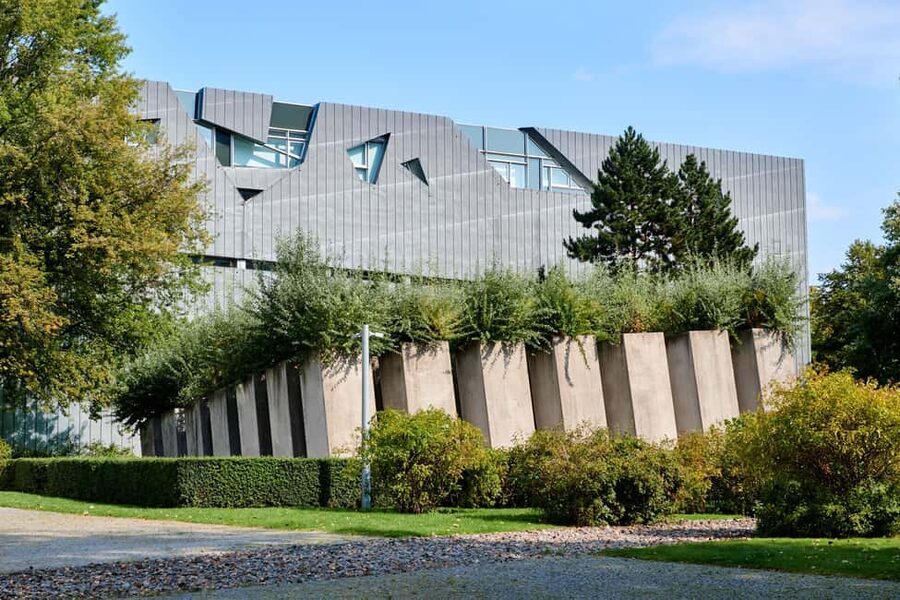
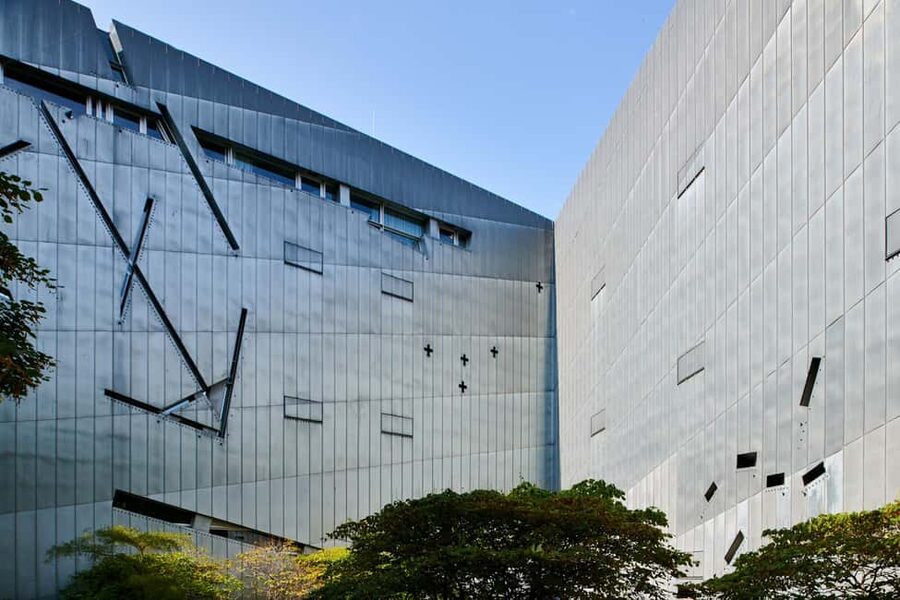
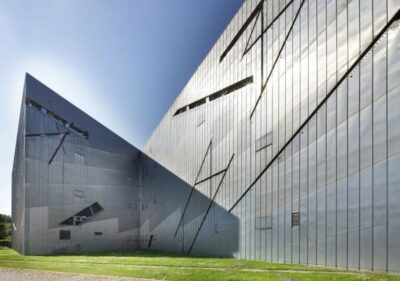
The museum is known for symbolic architecture, and this tour treats it as meaningful, not decorative. The guide explains how the building shapes the way you move and how you feel inside the exhibition.
Even if you are not an architecture expert, you can usually sense when a space is designed to communicate. Here, the symbolic architecture pushes you to slow down a bit, look for relationships between what you see in the rooms and how the museum frames that experience.
This is one reason the tour tends to land well for people who like thought-provoking experiences. It can help you understand that the museum is not only about the past. It is also about how memory is presented in the present.
Guided stations you should focus on, without trying to see everything
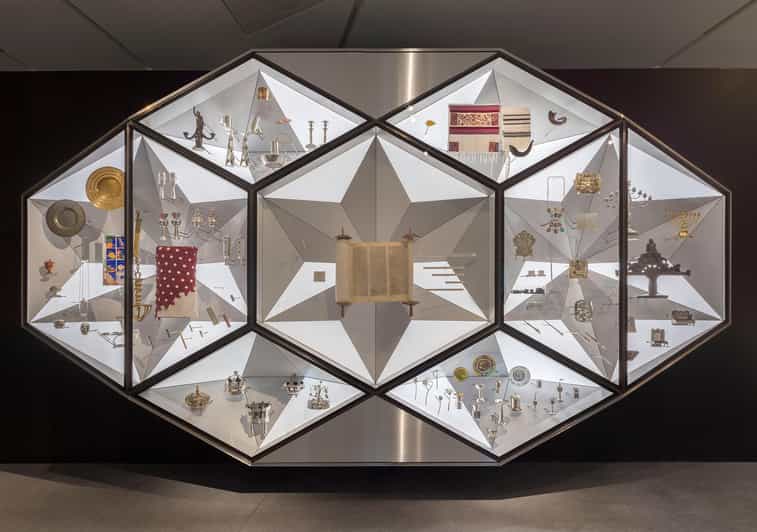
Because this is a highlights tour, you should think in terms of guided emphasis. Your goal is not to absorb every label. Your goal is to learn the exhibition’s main stations, so you know where to invest more time later if you want.
Pay attention when the guide points out selected objects. These are not random stops. They are chosen to connect themes across centuries and to reinforce the exhibition’s central tension between belonging and exclusion.
The tour also helps you deal with complexity. The museum’s approach includes positions that can feel uncomfortable or conflicting. If you let the guide give you context, that complexity becomes part of the learning, not a distraction.
English tour flow: live guide plus audio guide working together
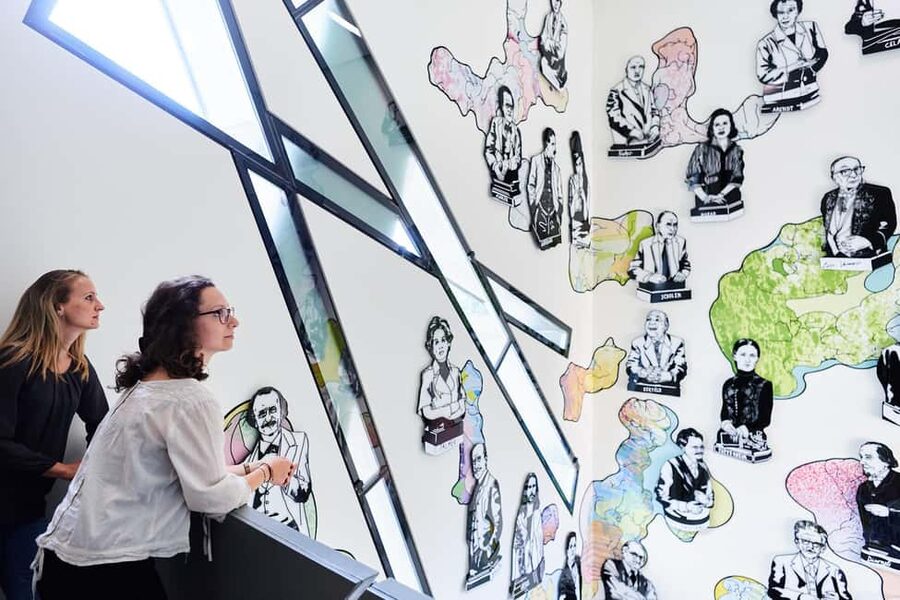
This tour runs in English with a live guide. You also get an English audio guide included. That pairing is genuinely helpful if you like to go at your own pace, or if you want a second pass on what you just heard.
A practical tip: use the live guide for the big connections, then use the audio guide when you want to linger on an object or clarify a detail. Since the tour is only 1.5 hours, splitting your attention well helps you walk away feeling oriented.
If you are visiting Berlin and you want one museum that can handle complex topics without making you feel lost, this format can work well. The guide gives you momentum, the audio gives you control.
Wheelchair accessible, and why pace planning matters
The tour is wheelchair accessible, which is great. Still, consider how you want to spend your energy.
In 1.5 hours you cover eight rooms. That means you will be moving at a museum tempo. If you need frequent breaks, you might want to think about whether you want this highlights pass first, then another self-guided session later.
Price and value at about $7 for a 1.5 hour guided overview
At around $7 per person, the value comes from what is included: entry and a guided tour, plus an English audio guide. For many people, that combination is the sweet spot, because it reduces the effort of planning your own route and interpretation.
You also get practical help: the tour includes the option to skip the ticket line. That matters because you are paying for time, not just access. You want your one short block in the museum to be guided, not stalled.
Also note something important for your experience: you still need to get a free ticket for the core exhibition at the ticket desk at the museum entrance. The guided tour includes entry, but you should budget a moment for that ticket desk step so you do not start late.
Where you start matters: the free core-exhibition ticket step
Before you begin, plan to stop at the ticket desk at the museum entrance and pick up the free ticket for the core exhibition. This is a small step, but it can be the difference between a smooth start and arriving a few minutes behind.
After that, you meet your guide in the old building ground level glass courtyard. When you connect those dots, the start feels organized, and the tour begins with you already in the right mode.
If you are trying to fit this into a tight day, aim to arrive with enough buffer to handle the desk ticket step and still reach the meeting point on time.
Who this tour is best for, and who should consider a different approach
This highlights tour is a strong match if you want a guided first overview of the Jewish Museum Berlin core exhibition. It works well for people who like structure, themes, and interpretation tied to specific objects.
It is also a good choice if you care about how art and media can communicate identity and history, including the difficult Nazi era sections and the post-1945 years. The tour is not just facts. It is meaning-making, and the museum leans into that with its architecture and multi-perspective format.
If you want to read every label, or if you tend to take long pauses in front of single works, you might find the pace too tight. In that case, think of this tour as a roadmap. Use it to decide what you want to return to on your own later.
If you are bringing kids, consider whether the emotional subject matter fits your family. The tour covers intense history, so it is better for older teens or adults who can sit with difficult themes and reflect as you go.
Should you book the Berlin Jewish Museum highlights tour?
I think you should book this tour if you want orientation, context, and a clear connection between Jewish history in Germany and how the museum presents it today. The strongest parts for me are the object-focused stations and the way the guide connects history, art, and the museum’s symbolic architecture into one coherent experience.
If you are short on time in Berlin, or if you prefer having a route and interpretation handed to you, this 1.5-hour format is a smart way to start. Just go in knowing it is a highlights pass, not a slow, self-led marathon.
If you want my simple call: book it as your first visit to the core exhibition, then, if the story grabs you, plan your own return to spend extra time in the rooms that stayed with you.
Museums Worth the Queue in Berlin
Jewish Heritage and Memorial Visits
Everything else we filed on Berlin
- East Berlin: City of Shadows Walking Tour
★ 5.0 · 11 reviews - Berlin: Die Stachelschweine – Frank Lüdecke – Träumt Weiter
★ 4.7 · 11 reviews - Potsdam Day Trip from Berlin with a Local: Private & Personalized
★ 4.0 · 11 reviews - An Introduction to Berlin Walking Tour
★ 5.0 · 11 reviews - DJ for a Day: Learn to Mix Like a Pro in Berlin
★ 5.0 · 11 reviews - 2-H Segway Sightseeing Tour Berlin
★ 4.5 · 11 reviews
Jewish Heritage and Holocaust Memorial Tours, side by side.
 ★ 4.5Berlin: Jewish Museum Berlin Entrance TicketFrom $08,393 reviews
 ★ 4.8Nazi Berlin and the Jewish Community TourFrom $2755 reviews
 ★ 5.0Path of Resistance: Berlin’s Hidden Holocaust StoriesFrom $5633 reviews
 ★ 5.0Private Tour: Jewish Heritage Walking Tour of BerlinFrom $19129 reviews
 ★ 5.0Jewish Berlin: Walking tour The Old Jewish Quarter (private 3 Hours tour)From $35627 reviews
 ★ 4.5Jewish Life in Berlin – Private Walking TourFrom $35521 reviews
★ 5.0Path of Resistance: Berlin’s Hidden Holocaust StoriesFrom $4819 reviews
★ 4.5Jewish Life in Berlin – Private Walking TourFrom $35521 reviews
★ 5.0Path of Resistance: Berlin’s Hidden Holocaust StoriesFrom $4819 reviews
 ★ 5.0Jewish Berlin Extended (private Walking tour – 5 Hours)From $62418 reviews
Other lists this tour is on