
REVIEW · JEWISH HERITAGE
Nazi Berlin and the Jewish Community Tour
Berlin history can hit hard. This tour is interesting because it connects Nazi headquarters with the story of Berlin’s Jewish community, then closes with human courage at the Otto Weidt Workshop for the Blind. I especially like the way the guide mixes big events with specific places, like the New Synagogue’s golden dome. The only real drawback is that the topics are heavy, so you need to be ready for persecution, forced labor, and deportations.
You’ll learn how Hitler’s rise to power in 1933 became possible, and you’ll see how German resistance tried to stop it. Along the way, the tour also points out lesser-known memorials, including one tied to American journalist Varian Fry, plus references to the SS planning extermination and sterilization of disabled citizens through Operation T4.
Logistics are straightforward, but you do need planning: the tour uses public transport, and you must have an AB all-day ticket. If you want a mostly walk-only sightseeing loop, this is not that kind of outing.
In This Review
- Key things that make this tour work so well
- From Nazi headquarters to Jewish memory, the tour has a clear emotional route
- The price makes sense if you’re serious about first-person context
- Before you go: AB ticket and how the transport shapes the pacing
- Stop 1: Nazi headquarters and Hitler’s 1933 rise in plain, grounded terms
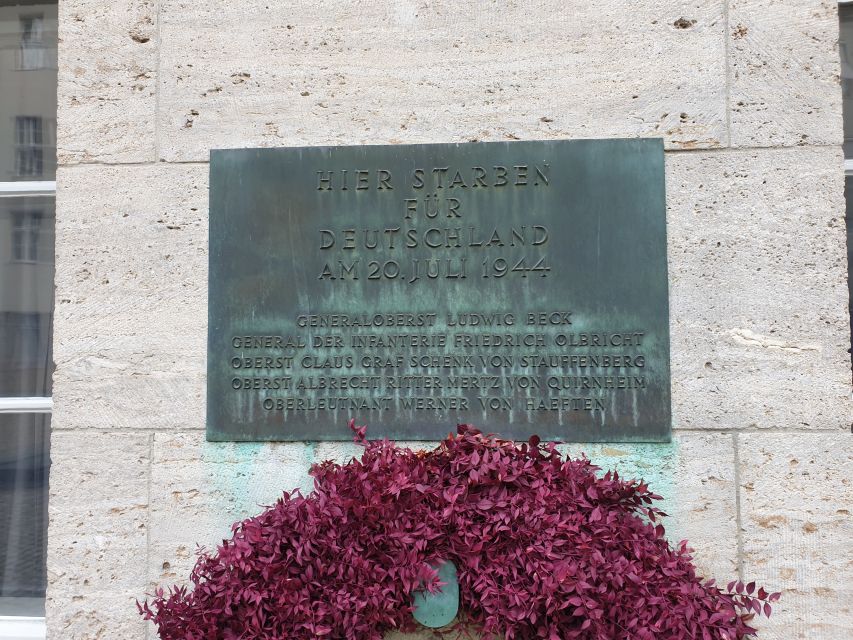
- Gedenkstaette Deutscher Widerstand: resistance you can locate in space
- Anhalter Bahnhof and the route through wartime Berlin’s scars
- The New Synagogue Berlin: what a golden dome represents before and after
- Tracing deportation and forced labor through lesser-known memorials
- German surrender context: seeing why May 1945 was not the end of suffering
- Otto Weidt Workshop for the Blind: rescue, Righteous Among the Nations, and practical courage
- Who this tour suits best (and who should skip it)
- What you’ll actually learn, beyond the headlines
- Should you book Nazi Berlin and the Jewish Community Tour?
- FAQ
- How long is the tour?
- How much does the tour cost?
- Where does the tour start and end?
- What language is the guide?
- Is the tour wheelchair accessible?
- Do I need a public transport ticket?
- What should I bring?
- What is the cancellation policy?
- Are there different starting times?
Key things that make this tour work so well
- A two-track story of Nazism’s rise and the Jewish community’s experience, told through real locations
- Resistance details you can picture, including the German Resistance Memorial tied to Operation Valkyrie
- New Synagogue focus that helps you understand what was lost, not just what happened
- Otto Weidt’s story of protection, hiding places, and Righteous Among the Nations recognition
- Multiple memorial stops, including Varian Fry and references to Operation T4
Further wartime history walks we have written up
- Berlin: Third Reich and Cold War 2 Hour Walking Tour★ 4.9 · 6,830 reviews
- Berlin’s Best: 2 Hour Walking Tour Third Reich and the Cold War★ 5.0 · 5,486 reviews
- Third Reich Berlin: Hitler and WWII Walking Tour★ 5.0 · 3,301 reviews
- Berlin: Third Reich, Hitler, and WWII Walking Tour★ 4.9 · 1,133 reviews
From Nazi headquarters to Jewish memory, the tour has a clear emotional route
This is a history tour with structure, not just a string of stops. It moves from the mechanisms of Nazi dictatorship, to the consequences for Berlin’s Jewish community, and finally to resistance and rescue stories. That flow matters, because it keeps you from treating the Holocaust and persecution as distant facts.
I like how the tour refuses to stay at one extreme. You get the dark side, including deportations and forced labor, but you also get the human side, including German resistance and the actions of people who tried to help. It helps you understand that even in a system built to crush people, choices still existed.
At the same time, you should go in with the right expectation. This is not light cultural entertainment. You’ll be dealing with persecution and extermination plans, so pace yourself and bring comfortable shoes.
The price makes sense if you’re serious about first-person context
The tour costs $27 per person for a 3-hour guided experience. That is good value for Berlin, especially because you’re not just walking past monuments. You have live guidance through multiple key sites, including indoor and memorial-style stops where context is everything.
You also get transport built into the route, since the guide uses buses and trains to reach different parts of the city. You do have to pay for the transit ticket yourself, but the guided element is included and that is the part that truly saves you time.
Languages are French and Italian. If you speak one of those, you’ll likely get the most out of the details, because the guide is using the right words to connect each location to the larger story.
Before you go: AB ticket and how the transport shapes the pacing
Berlin has a rhythm, and this tour uses it. You start at a meeting point that depends on your selected option, then you move around by public transport throughout the morning or afternoon.
Here’s the key practical point: you need an AB public transport ticket, specifically an AB all-day ticket. Without it, you’ll be stuck outside the flow of the tour, because the guide brings the group onto buses and trains as part of the route.
This transport rhythm also affects how the tour feels. Short rides break up the heavier memorial stops, so the pacing stays manageable over the full 3 hours. It’s not a slow meander. It’s an efficient, guided route where you look, listen, and then move.
Stop 1: Nazi headquarters and Hitler’s 1933 rise in plain, grounded terms
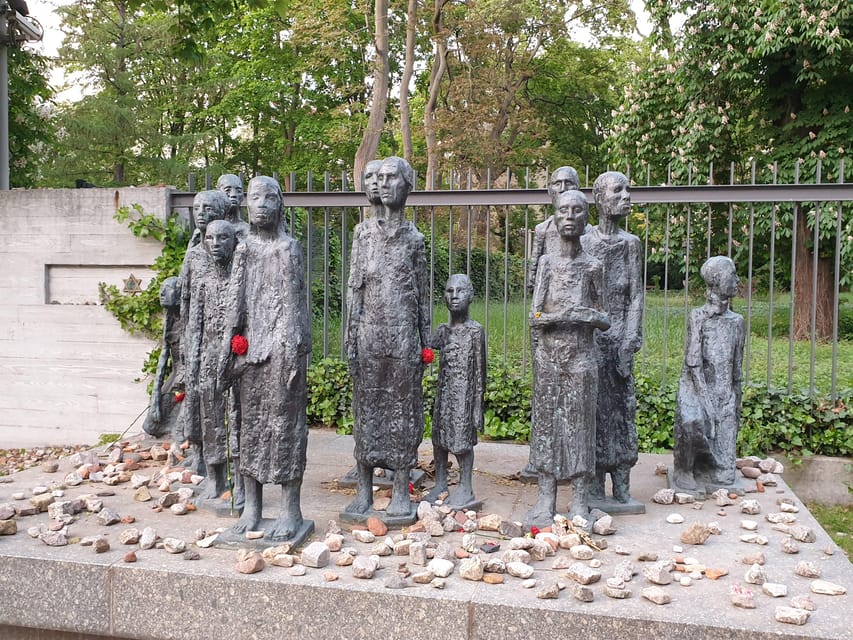
The tour begins with a guided segment tied to Nazi headquarters and the dictatorship’s development. You spend about 20 minutes learning how Hitler’s rise to power in 1933 was made possible, and why it took more than just one man’s speeches.
This part is valuable because it sets up cause and effect. Instead of starting with victims alone, you start with the system that enabled persecution. That framing helps you understand why the violence scaled up so methodically.
A drawback to be aware of here: the dictatorship story can feel abstract if you only know names and dates. The tour’s strength is that it ties the ideas to what you can see nearby. Still, bring a little patience if you prefer strictly chronological timelines.
More Jewish heritage walks and memorial visits
Gedenkstaette Deutscher Widerstand: resistance you can locate in space
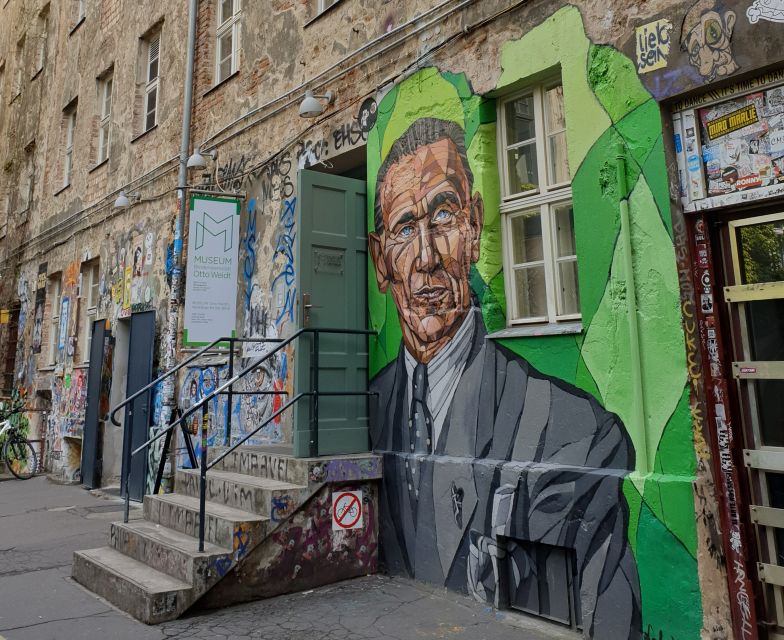
One of the strongest stops is at the Gedenkstaette Deutscher Widerstand, with about 20 minutes of guided time. You’re not just told about resistance. You visit a memorial connected with the Germans who opposed Nazism.
This is where you hear stories of the German Resistance, including the site from which Operation Valkyrie was directed. That matters because Operation Valkyrie is often discussed as a plot, but here you get the sense that plots were built with planning, risk, and real people behind the scenes.
If you like history that feels physical, this stop delivers. Memorial sites give you a chance to understand what was at stake beyond ideology. You also get a sense of the moral weight carried by people who chose to fight back.
Anhalter Bahnhof and the route through wartime Berlin’s scars
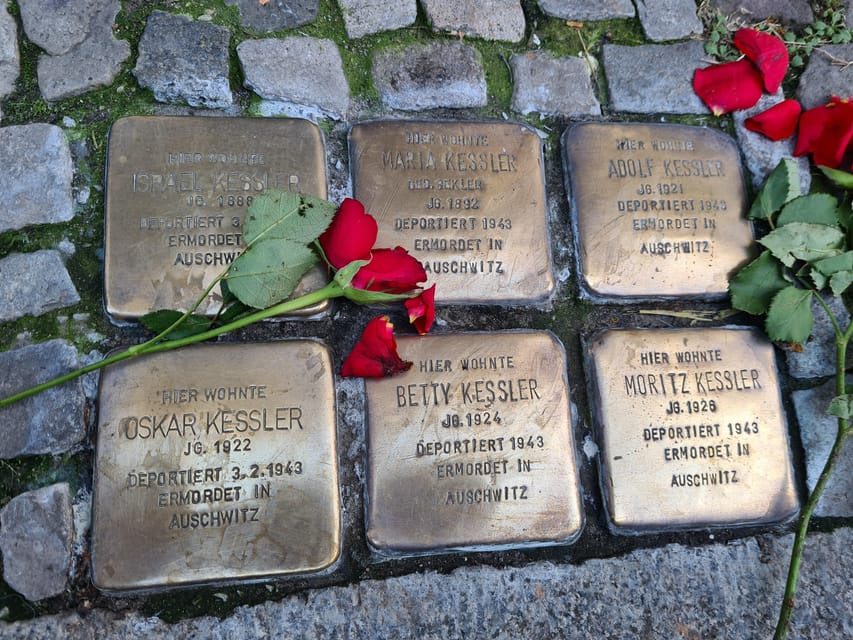
Around the middle of the tour, you include time near Anhalter Bahnhof, with a short guided visit of about 10 minutes, plus transport segments. The tour also passes by ruins of historic buildings with the scars of World War II combat.
This combination is powerful because it keeps the story from floating in a museum-like bubble. You see how war damage shaped the city, and then you connect those visible traces to what happened in and around Berlin.
One consideration: if you have limited tolerance for emotionally intense sites, you’ll want to keep your breathing steady during the more direct persecution-related parts that come up as you move through the area. The guide does keep things structured, but the subject matter is not gentle.
The New Synagogue Berlin: what a golden dome represents before and after
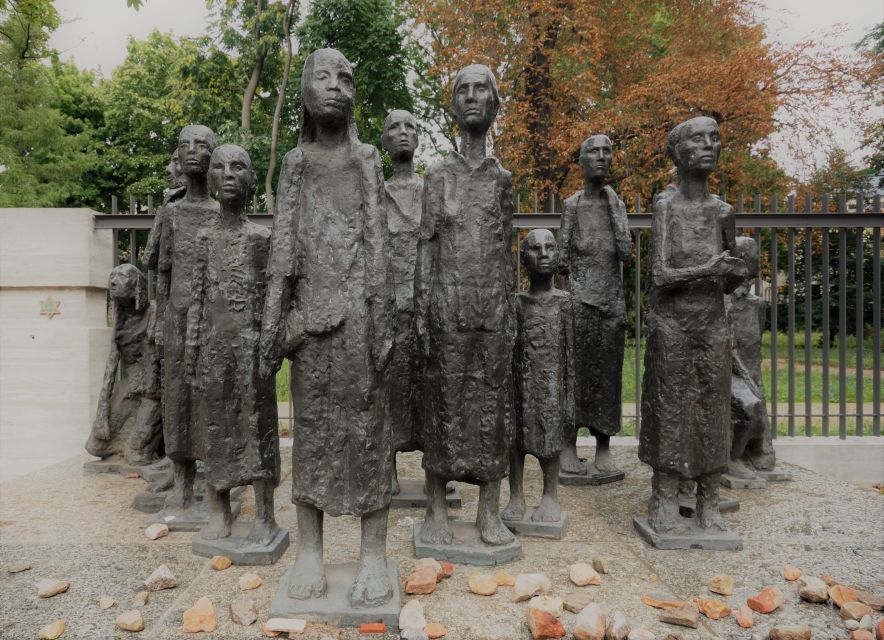
The New Synagogue Berlin and Jewish Centre stop is about 15 minutes of guided time. Seeing it is striking, partly because of the golden dome, but also because the building represents a long Jewish presence in Berlin that goes far beyond the Nazi years.
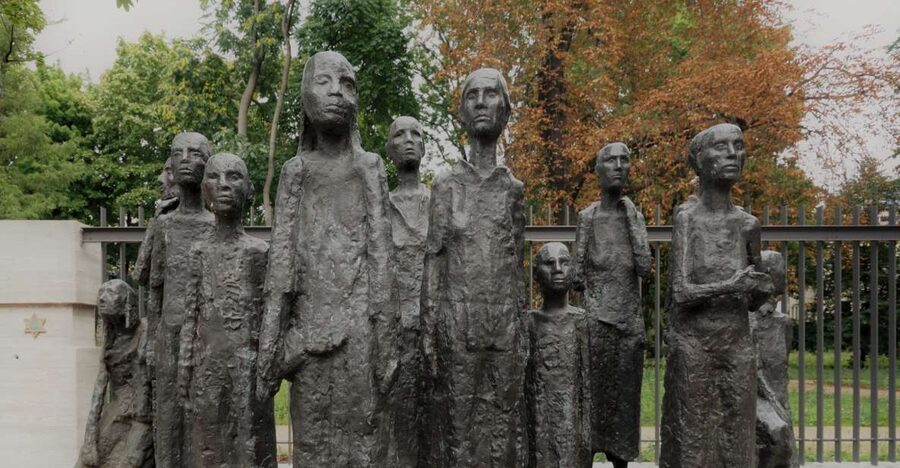
This is where you’ll connect the dots between community life and what changed when the Nazis came to power. You hear about the long history of Berlin’s Jews in the city, and then the mechanisms that drove forced labor and deportations during World War II.
What I like most here is the balance. The tour doesn’t treat the synagogue as only a symbol of tragedy. It’s presented as part of a lived community. That makes the losses feel more real, and it helps you avoid turning history into just a checklist of atrocities.
Tracing deportation and forced labor through lesser-known memorials
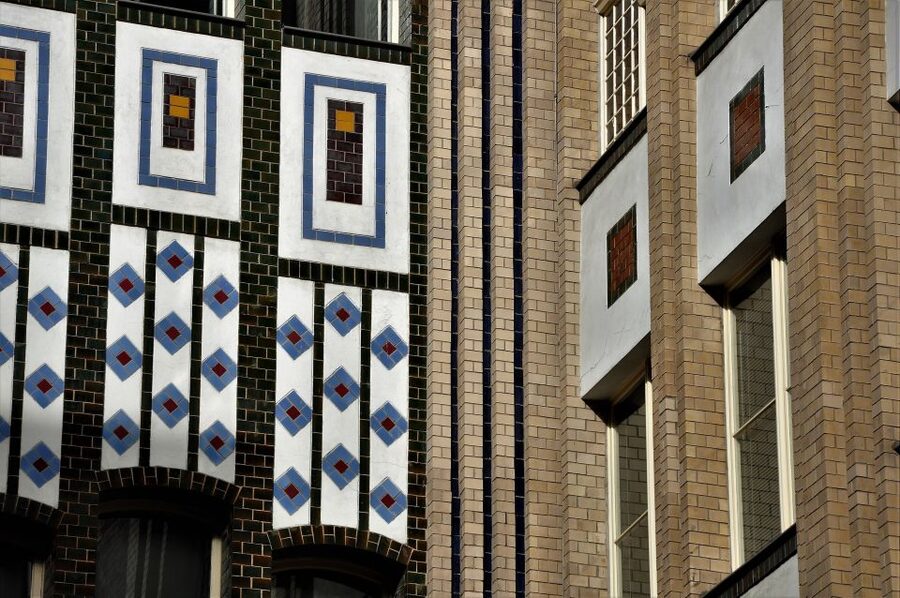
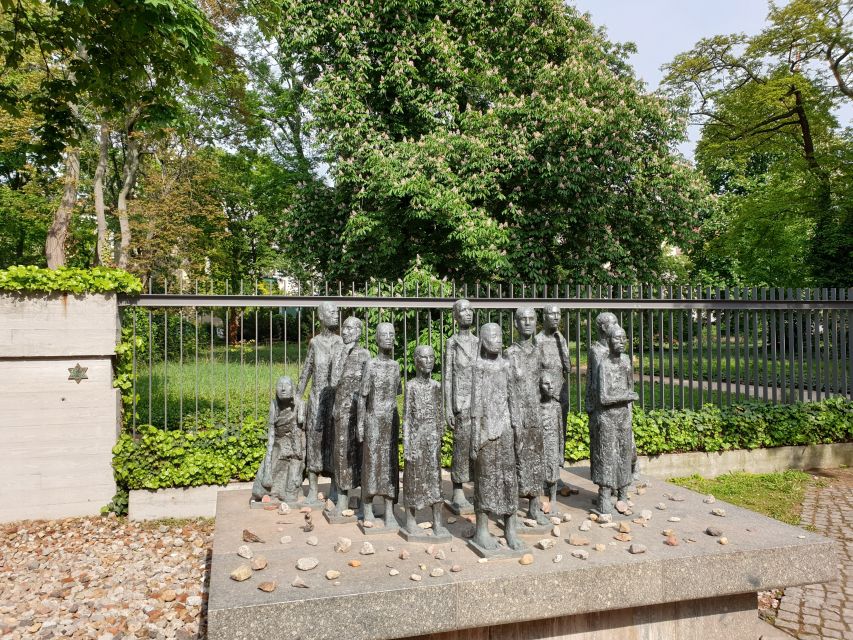
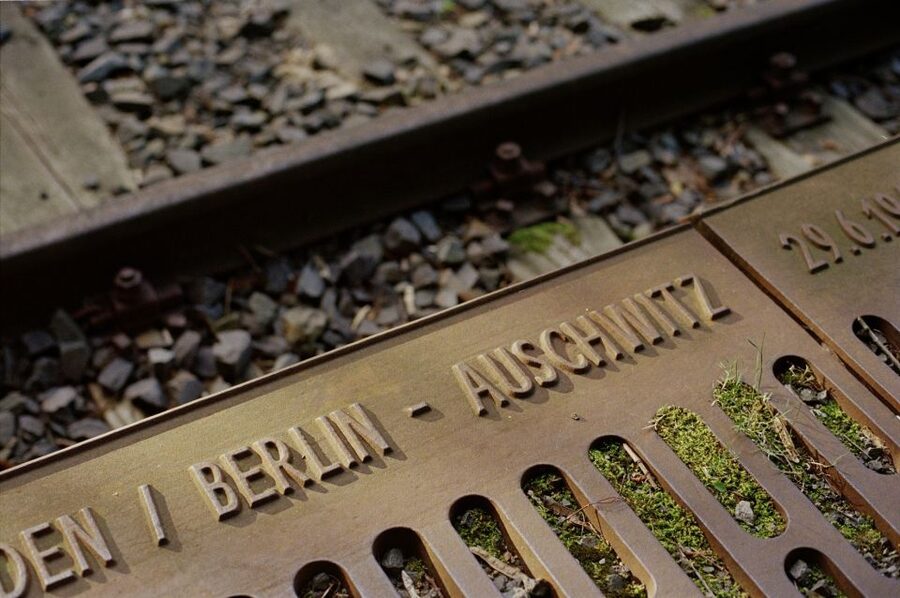
As you continue, the tour includes time for additional guided segments (including one around 20 minutes) that focus on traces of the Jewish community and the deportation story. You also encounter lesser-known memorial material, which is often where the tour earns its money.
Two specific elements stand out from the tour themes:
- You visit a memorial dedicated to American journalist Varian Fry, who helped orchestrate the escape of over 3,000 persecuted Jews from Nazi-occupied Europe.
- You explore the command center of Operation T4, where the SS planned the extermination and sterilization of tens of thousands of disabled citizens.
These details matter because they expand the story. They show that persecution was not a single event, but a system with categories of victims and steps that became policy. If you only know the Holocaust in the broadest terms, this tour adds the uncomfortable, specific machinery behind it.
German surrender context: seeing why May 1945 was not the end of suffering
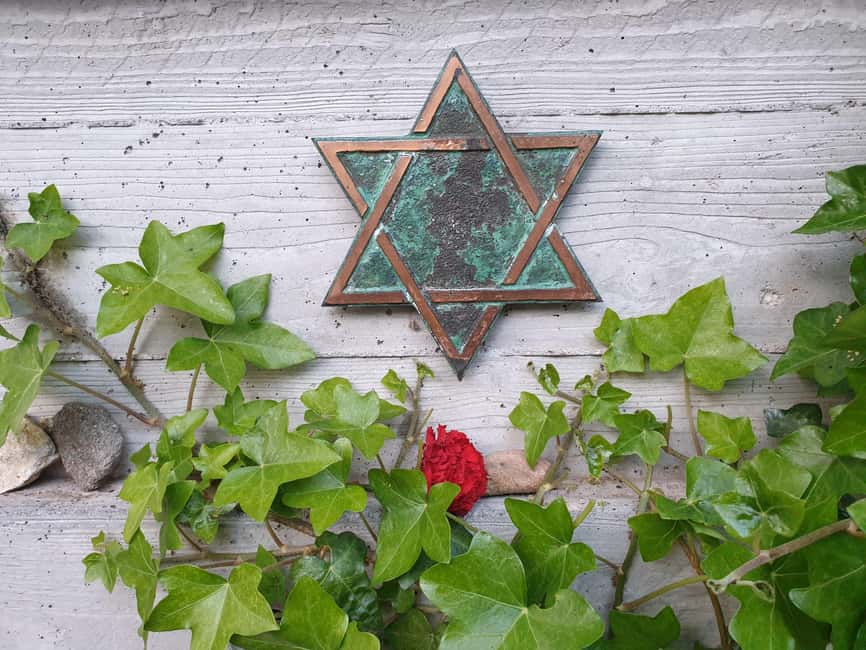
During the wartime context part of the route, you revisit tragic moments leading to Nazi Germany’s surrender in May 1945. The tour also passes by the ruins of historic buildings still carrying combat scars.
This is more than atmosphere. It’s a reminder that Berlin was hit from many angles, and that the conflict ended only after devastating loss. The guide’s framing links the collapse of the regime to the human impact that had already been locked in.
If you like to understand what comes next after the end date, stay alert here. Even when the tour moves forward, you can feel how the city and its people were still dealing with trauma.
Otto Weidt Workshop for the Blind: rescue, Righteous Among the Nations, and practical courage
The final stop is the Otto Weidt Workshop for the Blind, with about 15 minutes of guided time. This isn’t just a memorial. It’s a place where you can understand what rescue looked like in real life.
The tour explains the story of a Righteous Among the Nations and his efforts to protect his Jewish workers from persecution and deportation. It also notes that when the threat grew greater, he found places for some of them to hide on the premises that are now part of the museum.
This is the kind of ending I appreciate on dark history tours. It doesn’t erase the horror. It adds an important counterweight: people acted, even when the system was designed to stop action.
If you’re the type who wants closure, this stop gives you a kind of closure that is honest, not sentimental. You leave understanding that even small protective actions could mean survival.
Who this tour suits best (and who should skip it)
This tour is a great fit if you want a guided route through Nazi power, Jewish community history, and resistance and rescue stories, all in a 3-hour window. It’s also ideal if you like seeing names and policies connected to physical locations, such as the synagogue, memorial sites, and the workshop museum.
You might want to skip it if you’re looking for a casual sightseeing stroll or if heavy content will overwhelm you. The topics include dictatorship mechanisms, deportations, extermination and sterilization plans, and war destruction. You can still enjoy it, but only if you’re ready for that weight.
If your group or travel style prefers careful pacing with lots of downtime, plan for it. This route moves efficiently, with guided segments at multiple sites and transport between them.
What you’ll actually learn, beyond the headlines
A headline can tell you what happened. This tour helps you understand why it happened and how people responded.
Here’s what you’ll walk away with, in practical terms:
You’ll understand that Hitler’s rise in 1933 wasn’t instant. It was enabled by political conditions, and the dictatorship then built systems to control and eliminate.
You’ll see how resistance was not only a concept, it was tied to specific actions and plans, including Operation Valkyrie.
You’ll learn how the Jewish community in Berlin had deep roots, and then how deportations and forced labor broke that life apart.
You’ll pick up additional historical threads through Varian Fry and the command center story of Operation T4.
You’ll end with a more hopeful but still factual account of rescue, connected to Righteous Among the Nations and Otto Weidt.
Should you book Nazi Berlin and the Jewish Community Tour?
I think you should book it if you want the most value from your time in Berlin and you’re ready to face real history with a guide. At $27 for 3 hours, the guided context is a strong deal, especially because you’re moving between major memory sites and learning the connections between them.
If you do book, go in with two simple preparations: wear comfortable shoes, and make sure you have that AB all-day public transport ticket. Also, choose this tour on a day when you have enough energy to process heavy material, not right before a big party plan.
And if you get a guide like Lorenzo, based on one of the strongest notes from recent feedback, expect a serious, prepared presentation that stays engaging. The subject is grim, but the delivery aims to keep you focused and understanding, not numb.
FAQ
How long is the tour?
The tour duration is 3 hours.
How much does the tour cost?
The price is $27 per person.
Where does the tour start and end?
The start location depends on the option booked, and the tour ends back at the meeting point.
What language is the guide?
The tour guide speaks French or Italian.
Is the tour wheelchair accessible?
Yes, it is listed as wheelchair accessible.
Do I need a public transport ticket?
Yes. You need an AB all-day ticket for the tour.
What should I bring?
Bring comfortable shoes.
What is the cancellation policy?
Free cancellation is available up to 24 hours in advance for a full refund.
Are there different starting times?
Starting times vary depending on availability, so you should check the schedule when you book.
Jewish Heritage and Memorial Visits
Wartime History Walks We Have Reviewed
Everything else we filed on Berlin
- East Berlin: City of Shadows Walking Tour
★ 5.0 · 11 reviews - Berlin: Die Stachelschweine – Frank Lüdecke – Träumt Weiter
★ 4.7 · 11 reviews - Potsdam Day Trip from Berlin with a Local: Private & Personalized
★ 4.0 · 11 reviews - An Introduction to Berlin Walking Tour
★ 5.0 · 11 reviews - DJ for a Day: Learn to Mix Like a Pro in Berlin
★ 5.0 · 11 reviews - 2-H Segway Sightseeing Tour Berlin
★ 4.5 · 11 reviews
Jewish Heritage and Holocaust Memorial Tours, side by side.
 ★ 4.5Berlin: Jewish Museum Berlin Entrance TicketFrom $08,393 reviews
 ★ 5.0Path of Resistance: Berlin’s Hidden Holocaust StoriesFrom $5633 reviews
 ★ 5.0Private Tour: Jewish Heritage Walking Tour of BerlinFrom $19129 reviews
 ★ 5.0Jewish Berlin: Walking tour The Old Jewish Quarter (private 3 Hours tour)From $35627 reviews
 ★ 4.5Jewish Life in Berlin – Private Walking TourFrom $35521 reviews
★ 5.0Path of Resistance: Berlin’s Hidden Holocaust StoriesFrom $4819 reviews
★ 4.5Jewish Life in Berlin – Private Walking TourFrom $35521 reviews
★ 5.0Path of Resistance: Berlin’s Hidden Holocaust StoriesFrom $4819 reviews
 ★ 5.0Jewish Berlin Extended (private Walking tour – 5 Hours)From $62418 reviews
 ★ 5.0Berlin: Jewish Museum Highlights TourFrom $717 reviews
Other lists this tour is on