
REVIEW · COLD WAR BERLIN
Berlin: Stasi Museum Private Guided Tour with Entry Ticket
If you want the Cold War in real rooms, this tour delivers. You start in Alexanderplatz and head to the Stasi Museum in the former headquarters of East Germany’s secret state security, where propaganda and everyday fear collide.
I especially like how the skip-the-line entry and pre-booked time slot help you get into the story fast, without standing around. And I like that the tour is truly private, with expert commentary tuned to your language.
One thing to weigh: at $257 per person it is not a budget activity, so it’s best if you care about surveillance history enough to justify the price.
In This Review
- Key things you will notice on this Stasi Museum tour
- From Alexanderplatz to Normannenstraße
- What the Stasi Museum actually is
- Skip-the-line entry that keeps the day moving
- Erich Mielke’s office and the red briefcase moment
- How the Stasi worked, beyond slogans and posters
- Recruitment of informants and the citizen side of control
- A private guide makes the difference in comprehension
- Getting the value out of a 3-hour format
- Price and who gets the best deal
- Practical tips so you get more from it
- Should you book this Stasi Museum private tour?
- FAQ
- How long is the Stasi Museum private guided tour?
- Where does the tour meet?
- What languages are available for the live guide?
- Does the price include entry tickets and skip-the-line access?
- Is this the same as the Berlin-Hohenschönhausen Memorial?
- Is the tour wheelchair accessible?
Key things you will notice on this Stasi Museum tour
- Alexanderplatz start tied to the 1989 demonstrations in GDR history
- Private guide delivering commentary in your native language (English or German)
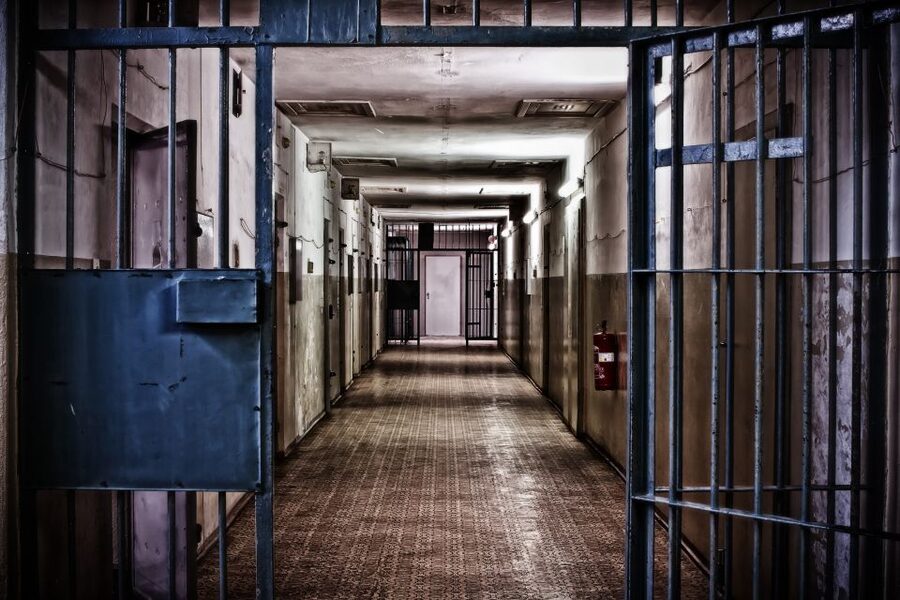
- Original Stasi headquarters spaces, not a themed re-creation
- Spy technology displays, including bugs and hidden cameras
- Erich Mielke’s office and red briefcase as a chilling historical anchor
- Public transport tickets included, since the museum is outside the city center
More of the divided city, written up in full
- Berlin: Third Reich and Cold War 2 Hour Walking Tour★ 4.9 · 6,830 reviews
- Berlin: Berlin Story Bunker Entry Ticket★ 4.6 · 6,759 reviews
- Berlin’s Best: 2 Hour Walking Tour Third Reich and the Cold War★ 5.0 · 5,486 reviews
- Berlin: 75-minute Trabi Safari★ 4.8 · 2,854 reviews
From Alexanderplatz to Normannenstraße

This tour starts at Alexanderplatz, Berlin’s big central square. That matters because the meeting point sets the tone. You’re not only visiting a museum. You’re also walking through the same city geography that shaped East German life and the final pressure points that led to change.
The tour begins with a short history setup, then you use public transport to reach the Stasi Museum at Forschuns- und Gedenkstätte Normannenstraße. The museum is outside the immediate center, so having two-way transit tickets included is a practical win. It also keeps you focused on the topic, not on logistics.
The duration is set for about 3 hours, so you’ll get a guided experience without feeling like you are stuck in a museum marathon. For many people, that time is the sweet spot: long enough to understand the system, not so long that the details blur together.
What the Stasi Museum actually is
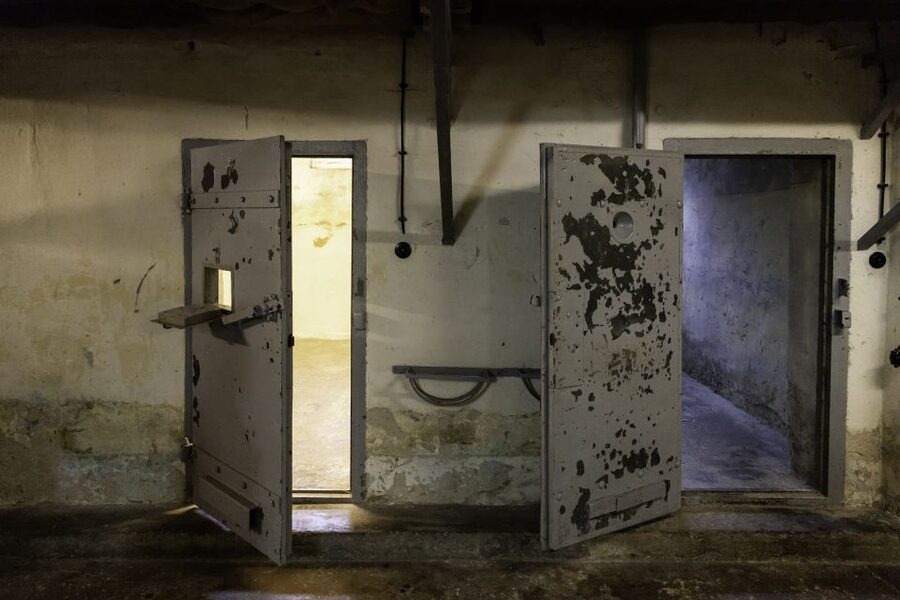
The Stasi Museum is housed in the original building of the former Ministry of State Security. That’s the difference between reading about control and seeing where it happened. This is not a generic museum exhibit behind glass. It is the real administrative environment where the surveillance machine operated.
It’s also important to know what this is, and what it is not. This Stasi Museum is different from the former Stasi prison memorial at Berlin-Hohenschönhausen (Gedenkstätte Berlin-Hohenschönhausen). If you want prison life and confinement, you would look elsewhere. If you want the headquarters and the machinery of state surveillance, Normannenstraße is the right stop.
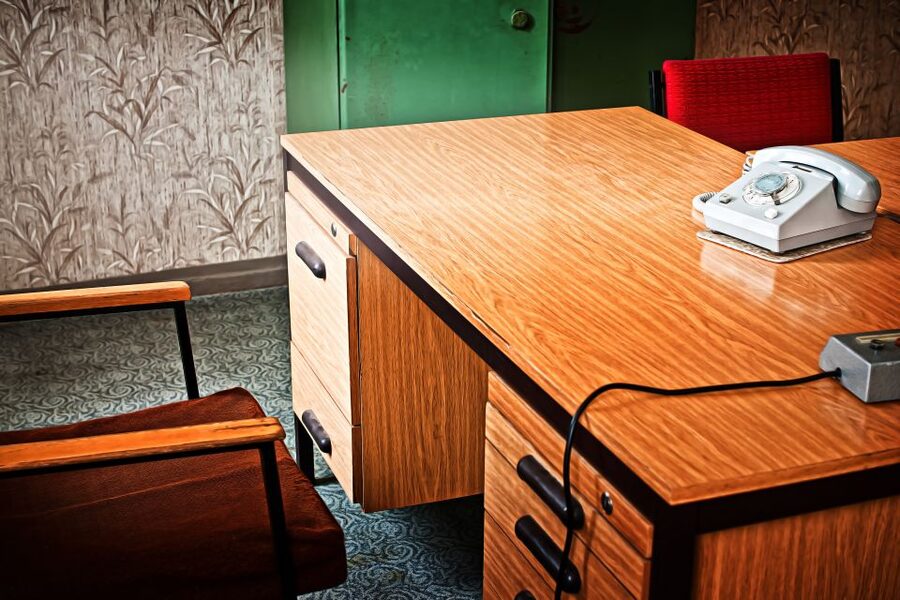
Inside, the guide leads you through key areas, including ministerial offices and the office connected to Erich Mielke, the long-time head of the Stasi. Seeing the physical layout helps you grasp how a dictatorship ran day-to-day: paperwork, files, reporting, internal organization, and the constant push for information.
Skip-the-line entry that keeps the day moving

If you have ever visited a popular museum in Berlin, you know the risk. You can lose your best energy waiting at the door. This tour solves that with skip-the-line tickets and a pre-booked time slot.
Here is the practical tip: don’t treat the meeting time like a suggestion. You need to be there on time so you can flow with the scheduled entry. The guide’s value is in the sequencing, because they explain what you’re about to see, then you see it. When the timing slips, you miss the pacing.
Also, with skip-the-line entry, you can plan the rest of your day more confidently. You know you will get in, you know the tour runs about three hours, and you can schedule dinner or another attraction afterward.
Erich Mielke’s office and the red briefcase moment
One stop people tend to remember is Erich Mielke’s office, including the display of his famous red briefcase. Even if you only know the name from Cold War references, this kind of object anchors the story in something tangible.
Why does it work? Because it turns a system into a person-shaped image. The Stasi was not an abstract idea. It was built on decisions made by real officials, protected by the ideology of the regime, and carried out through ordinary administrative processes.
In this tour, the guide connects that office moment to the broader purpose of the Stasi: collecting information, shaping behavior, and maintaining power. The briefcase display becomes a symbol, but the tour keeps it practical rather than theatrical.
More collections to walk through in Berlin





How the Stasi worked, beyond slogans and posters
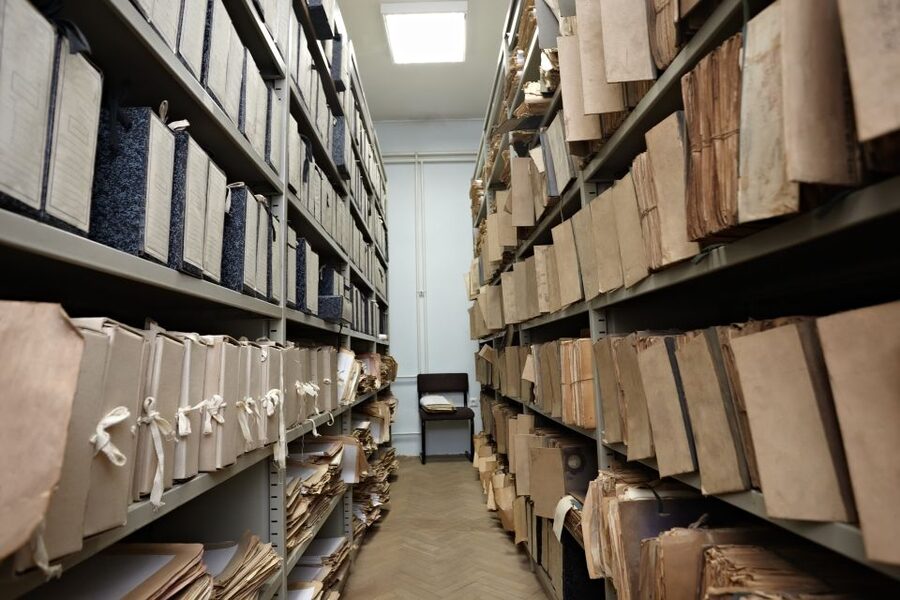
A big part of this experience is learning what life in the GDR felt like from the inside, especially the fear factor around being watched. You’ll get explanations of how the Stasi police operated and why German citizens feared them.
That fear wasn’t only about dramatic arrests. It was about uncertainty. It was about wondering who knew what, and who might report it. The tour frames the system as a network of observation and control, not just a single surveillance officer watching from a corner.
You will also see examples of original spying technology, including bugs and hidden cameras. That is where the Cold War stops being a political textbook topic and starts becoming a lived threat. The guide talks about the kinds of surveillance tools used and what that implied for privacy.
If you care about media and propaganda, you’ll likely appreciate the way the tour ties surveillance to communication. The GDR’s public messaging worked alongside private monitoring. One shaped what people were allowed to say. The other punished what people were actually thinking or doing.
Recruitment of informants and the citizen side of control
One of the core lessons you take home is how informants were recruited and used. That part can be emotionally heavy, because it reveals how authoritarian systems don’t only rely on uniforms. They rely on human relationships.
Your guide explains how citizens were spied on and controlled, not just by brute force, but through systems that encouraged reporting and created social risk. When you understand recruitment and reporting, you start to see how neighbors could become part of the mechanism, even without the full picture.
This is also where having a guide matters. The museum spaces are real, but the meaning is not always obvious if you walk in alone. With a live guide, the tour turns rooms and artifacts into a coherent narrative: surveillance goals, administrative routines, and the effects on daily life.
A private guide makes the difference in comprehension
This experience is private, and the guide is licensed. That matters because you get more than a lecture. You get guidance through the logic of the Stasi system.
In one booking experience, the guide used personal stories and added extra material beyond standard explanations. Another booking praised the guide’s engagement, saying the visit felt exciting and interesting because the commentary was delivered in an energetic, accessible way. There was also an instance where the guide could speak Danish in addition to English and German, which shows how flexible the experience can be if you ask.
Your tour language is listed as English or German, so you’ll want to confirm what you booked. But in practice, strong guides often find ways to clarify. That is how you leave with real understanding, not just facts.
Getting the value out of a 3-hour format
A 3-hour private tour is a smart length for this subject. The Stasi Museum covers complicated topics, and your brain needs breaks from the density. Instead of rushing, you get a guided path that highlights the most important spaces and artifacts.
Still, this format is also a reminder: you may not see every corner in extreme detail. If you are the kind of person who wants to read every sign slowly, you might feel you are moving at a brisk pace. The trade-off is that you don’t get lost, and you get context that you would otherwise have to research on your own.
If you want to maximize value, arrive ready to listen. Ask your guide what they consider the most important takeaway. The best tours are not just about walking through exhibits, they are about turning the site into a personal understanding.
Price and who gets the best deal

At $257 per person, this is a mid-range to premium museum tour, especially since it is private. You’re paying for three things: the licensed guide, skip-the-line entry with a reserved entry time, and the fact that this location is outside the city center so the transit element is included.
Is it worth it? For me, it makes sense when:
- you care about Cold War politics and state surveillance
- you want interpretation, not just self-guided browsing
- you prefer smaller, controlled pacing over crowds
- you are traveling with someone who will benefit from a real narrative
It may not be worth it if you only have a casual interest. One booking comment flagged the tour as very expensive compared to what the visitor expected. Prices can vary depending on dates and options, but the underlying point stands. If you are price sensitive, you’ll want to compare this format to self-guided entry, and decide how much interpretation you truly need.
Practical tips so you get more from it
- Be on time at Alexanderplatz. Skip-the-line depends on the schedule.
- Wear comfortable shoes. Berlin museum walking adds up.
- Use the language you booked. The guide is there to carry your understanding, so choose what you’re most comfortable processing.
- Ask about connections. The tour tends to link propaganda, surveillance, and daily life, and you’ll get more if you ask how they interacted.
If you are visiting Berlin for history with a focus on modern political systems, this is one of the strongest matches you can make. It puts the Cold War under a microscope, using real offices and real surveillance tools as your evidence.
Should you book this Stasi Museum private tour?
If you want a guided, coherent explanation of how the GDR’s secret police worked, and you like seeing original spaces and spy technology, I think you should book it. The skip-the-line entry plus the private format make the experience efficient and easier to follow.
I would hold off only if you are mainly browsing and you are not that invested in surveillance history, or if your budget is tight and you prefer to spend on multiple experiences instead of one focused one. For the right kind of traveler, this tour turns a museum visit into real understanding, fast.
FAQ
How long is the Stasi Museum private guided tour?
The tour lasts 3 hours.
Where does the tour meet?
You meet your guide in front of the DM drugstore at Alexanderplatz, 1, 10178 Berlin.
What languages are available for the live guide?
The live tour guide is available in English and German.
Does the price include entry tickets and skip-the-line access?
Yes. The tour includes skip-the-line tickets to the Stasi Museum (Forschungs- und Gedenkstätte Normannenstraße), with a pre-booked time slot for entry.
Is this the same as the Berlin-Hohenschönhausen Memorial?
No. The Stasi Museum in this tour is a different place than the former Stasi prison memorial at Berlin-Hohenschönhausen.
Is the tour wheelchair accessible?
Yes, the tour is listed as wheelchair accessible.
Museums Worth the Queue in Berlin
The Divided Years, Reviewed
Everything else we filed on Berlin
- East Berlin: City of Shadows Walking Tour
★ 5.0 · 11 reviews - Berlin: Die Stachelschweine – Frank Lüdecke – Träumt Weiter
★ 4.7 · 11 reviews - Potsdam Day Trip from Berlin with a Local: Private & Personalized
★ 4.0 · 11 reviews - An Introduction to Berlin Walking Tour
★ 5.0 · 11 reviews - DJ for a Day: Learn to Mix Like a Pro in Berlin
★ 5.0 · 11 reviews - 2-H Segway Sightseeing Tour Berlin
★ 4.5 · 11 reviews
Cold War and Stasi History Tours, side by side.
 ★ 4.9Berlin: Third Reich and Cold War 2 Hour Walking TourFrom $236,830 reviews
 ★ 4.6Berlin: Berlin Story Bunker Entry TicketFrom $216,759 reviews
 ★ 5.0Berlin’s Best: 2 Hour Walking Tour Third Reich and the Cold WarFrom $245,486 reviews
 ★ 4.3Berlin: DDR Museum TicketsFrom $153,443 reviews
 ★ 4.8Berlin: 75-minute Trabi SafariFrom $932,854 reviews
 ★ 5.0Cold War, Berlin Wall, Spies and the East Side GalleryFrom $181,024 reviews
 ★ 4.8Nuremberg: Historischer Kunstbunker WWII Art Bunker TourFrom $14921 reviews
 ★ 4.9Leipzig: 90-Minute Trabi City TourFrom $81728 reviews
Other lists this tour is on