
REVIEW · WARTIME HISTORY
Munich: Historical Walking Tour on the Rise of Hitler
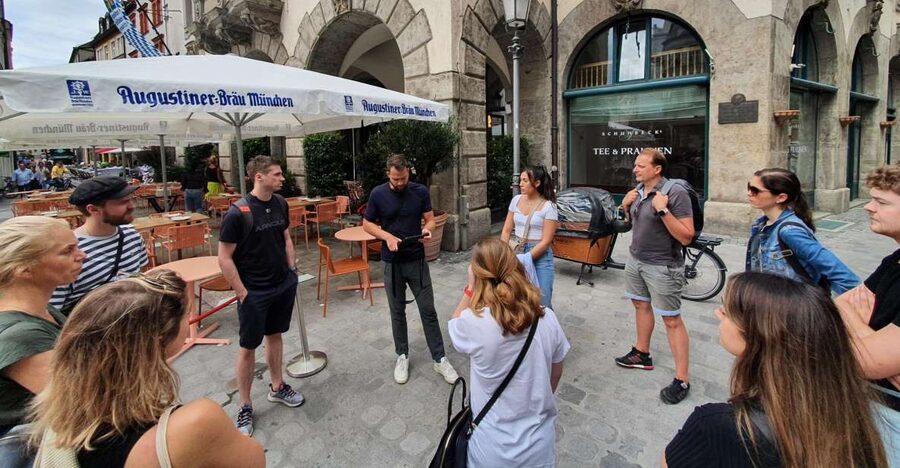
Munich can be polite, until you look closer. This 2.5 hour historical walking tour led by Alex, a Munich local, follows the rise of Hitler and the Nazis through central squares and key buildings that still shape the city. You meet at Marienplatz at the Marian Column and start seeing a different side of Bavaria.
What I like most is the chronological flow, which makes the cause and effect easier to grasp, even if you are not a history specialist. I also really enjoy Alex’s local context, plus the way he keeps questions in play and builds understanding step by step.
One thing to consider: the subject is heavy, and the tour runs in rain or shine, so plan on being outside for the full 2.5 hours in comfortable shoes.
In This Review
- Key things that make this tour click
- Marienplatz Start: Getting oriented on the rise of Hitler
- Alex the guide: why his approach feels thoughtful, not preachy
- Munich’s turning point: from everyday city to capital of the Nazi movement
- The building boom: propaganda architecture you can still read today
- Places tied to speeches, parades, and wartime pressure
- Tone and pacing: handling a dark story without losing your footing
- What you get besides the walking: local recommendations
- Price and value: $30 for 2.5 hours with a named local guide
- Who should book this Hitler rise walking tour?
- Practicalities that actually matter
- Should you book this tour?
- FAQ
- What is the meeting point for the tour?
- How long is the Munich historical walking tour?
- What language is the live guide speaking?
- Is the tour wheelchair accessible?
- What should I bring?
- Does the tour run in bad weather?
Key things that make this tour click
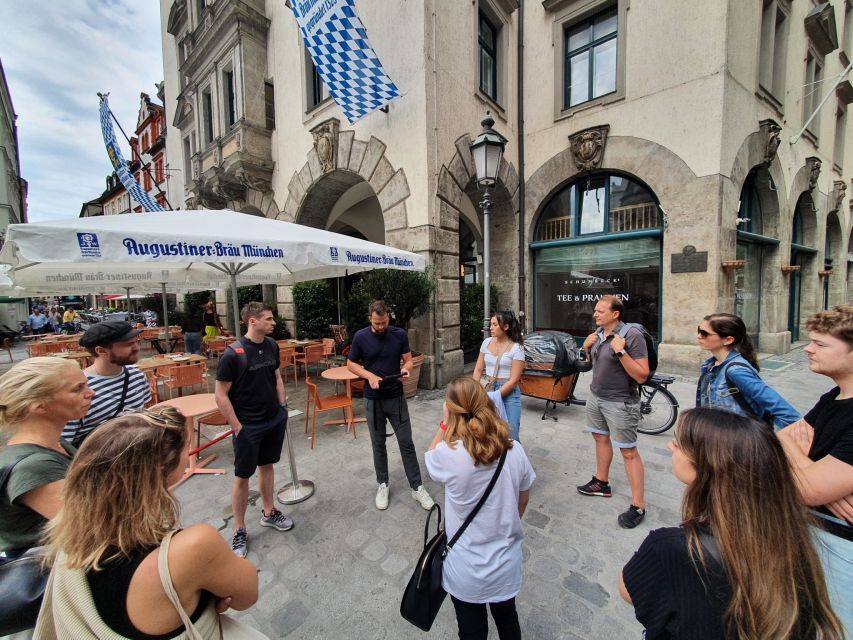
- Alex, a Munich local guide, with long-term involvement and a clear passion for explaining how it all happened
- Chronological pacing, so the story builds in a logical order instead of feeling like a list of dates
- City landmarks with real meaning, including places tied to speeches, parades, and the Nazi building boom
- Serious topic, human delivery, with respectful humor and short breaks to keep things manageable
- Surviving propaganda buildings, which let you read history directly in the cityscape
Further wartime history walks we have written up
- Munich: Third Reich & WWII Walking Tour★ 4.6 · 6,181 reviews
- Third Reich Walking Tour Munich★ 4.5 · 4,291 reviews
- Munich: Birthplace of the Third Reich Guided Walking Tour★ 4.6 · 771 reviews
- Munich World War II Sites Including Dachau Concentration Camp★ 4.5 · 570 reviews
Marienplatz Start: Getting oriented on the rise of Hitler
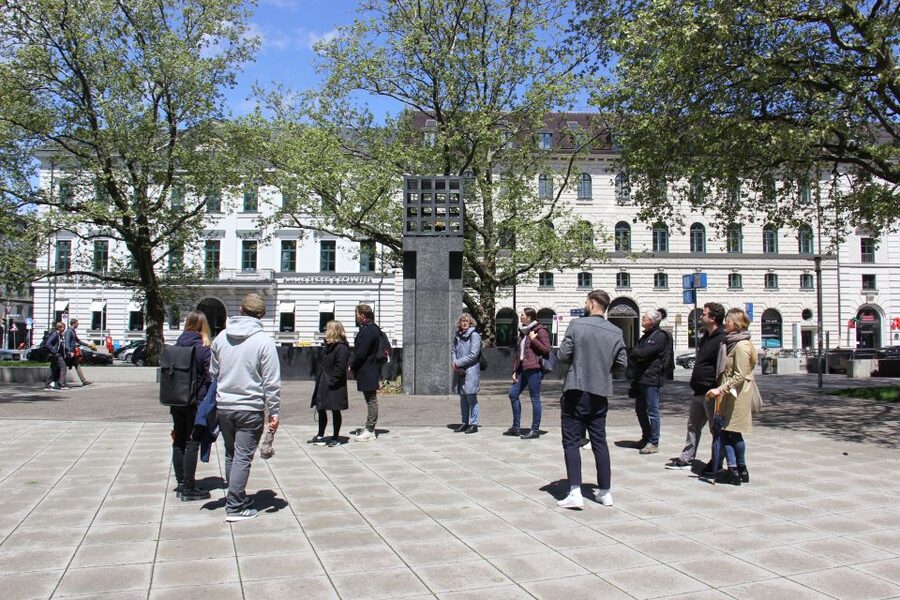
You begin at Marienplatz, at the Marian Column in the middle of the square. It is a smart starting point because you are in the civic heart of Munich, surrounded by layers of the city’s identity. From there, the tour uses walking as a kind of timeline, moving forward through key moments that shaped what Munich became.
The big idea is simple: Munich looks calm today, but it hosted decisions and rituals that helped accelerate Nazi power. You see how a place can feel open and welcoming on the surface, while still playing a decisive role in something brutal. That tension is what makes this tour worth your time.
A practical note: the guide is leading in German, so if you speak only a little German, you will need to rely on listening carefully and staying close to the group.
Alex the guide: why his approach feels thoughtful, not preachy
Alex is a young professional tour guide from Munich, age 32, and he is explicit about why he does this work. He wanted to understand how National Socialism rose in Germany, and how a dictatorship could destroy Europe in just a few years. That motivation comes through as you walk, because he is not just naming events, he is explaining connections.
One of the most praised parts is his ability to keep the serious theme from turning into a lecture. The tone stays respectful, but it is not icy. You will also notice he makes room for laughter, not as disrespect, but as a way to keep a human rhythm while covering dark material.
Another highlight is that Alex answers questions and keeps the story understandable for people of different backgrounds. A few participants specifically note he plans short pauses along the way, which matters when you are dealing with heavy topics for hours. It also helps your brain absorb what you just heard instead of rushing past it.
Munich’s turning point: from everyday city to capital of the Nazi movement
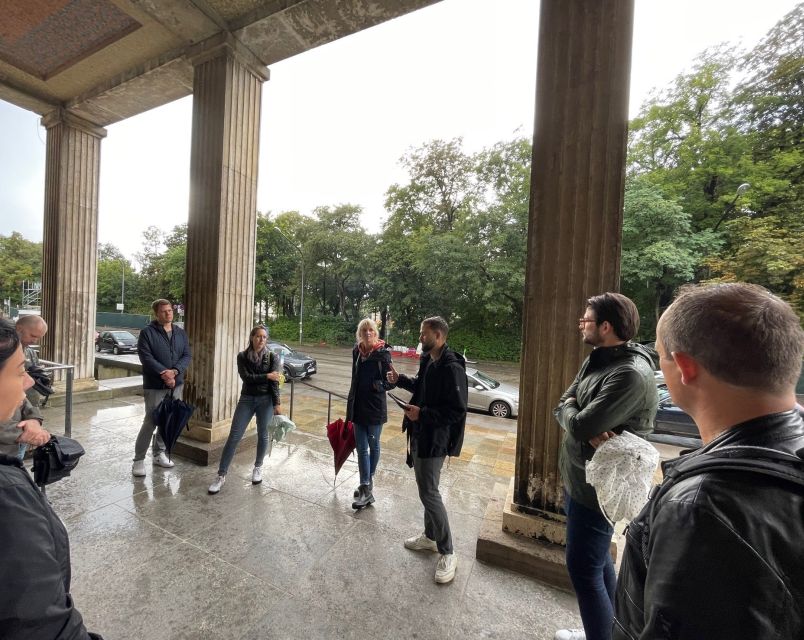
This tour frames Munich as the place where the story gained momentum. You learn how Munich played a decisive role in the rise of the Nazis, including the moment when an unknown Austrian soldier became the feared dictator of the Third Reich. Then you connect that to the way Hitler later thanked Munich with the honorary title of capital of the movement.
That title is not just a slogan in this tour. It is the reason a building boom followed. The Nazis erected propaganda-focused structures, and many survived the war. Walking past those survivors, you can see how architecture and public space were used as political tools.
I like that this tour asks a key question as it goes. How did a city known for art and culture turn into a birthplace of National Socialism? By keeping that question active, the stops feel less like random points on a map and more like steps in a chain.
The building boom: propaganda architecture you can still read today
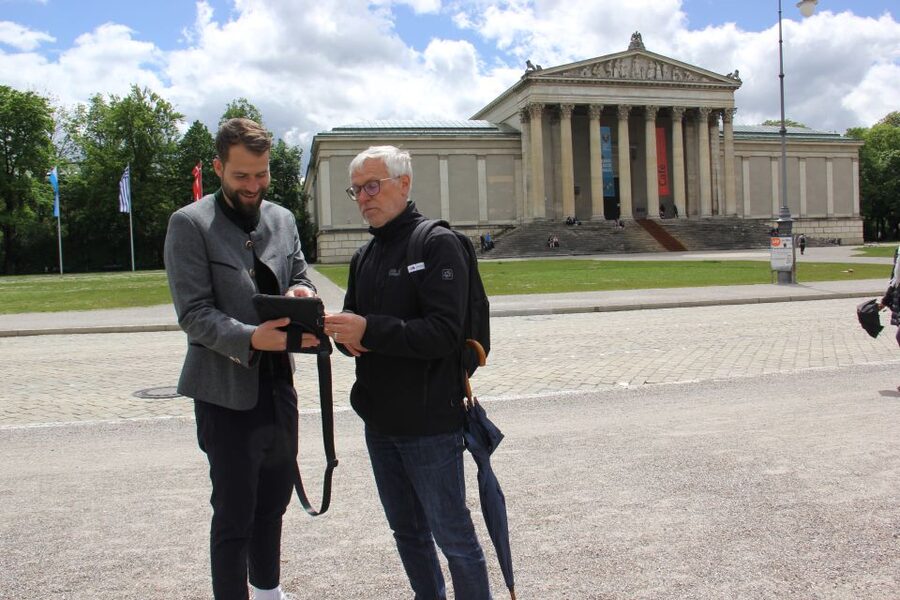
One of the most concrete parts of the experience is visiting the most important buildings and squares associated with National Socialist power. The tour focuses on two categories: buildings that were built by Hitler and buildings that were misused as places of worship. That combination matters because it shows how Nazi ideology moved into everyday life, not just into speeches and paperwork.
You are also shown areas tied to major public moments, like where Nazis celebrated parades. The tour connects these public events to the way Munich made itself a stage for Nazi legitimacy. Even without seeing a museum, the cityscape can start to feel like evidence, because you learn what each site was used for.
And because many propaganda buildings survived, you are not relying only on stories. You can look at what remains and understand why it was built to last, why it had to impress. That makes the history feel less abstract and more immediate.
A good consideration here: since there is no hotel pickup listed and the tour is walking-based, you will want comfortable shoes and a steady pace. The tour is only 2.5 hours, so it is not designed for slow strolling. It is more like a guided walk where you are expected to keep up a bit.
Other walking routes through Munich
Places tied to speeches, parades, and wartime pressure
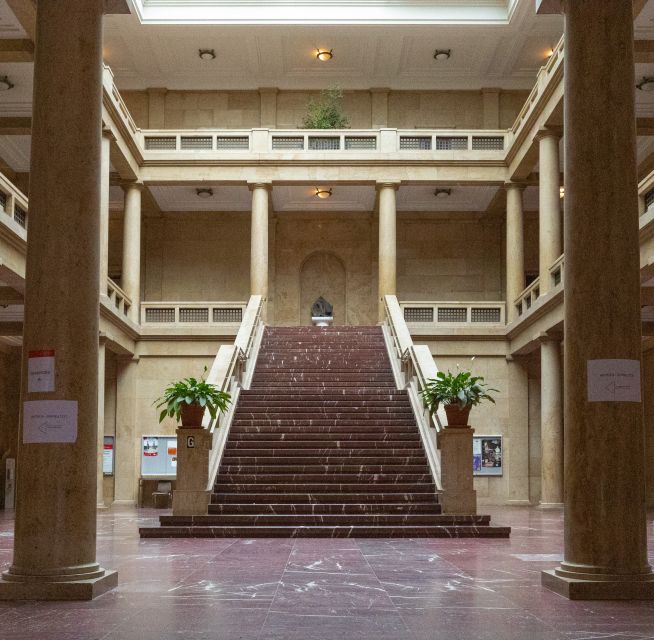
The tour leans into the idea that Munich served as both a recruitment stage and a political headquarters in the public imagination. You learn about the location tied to Hitler’s first speech in Munich, then you connect that early moment to later Nazi parades and the public drama of power.
It also includes the bombing war element, so you understand how Munich was forced to endure the conflict it helped shape. That matters because propaganda buildings did not exist in a bubble. They were part of a city drawn into catastrophe.
I find this combination especially valuable: it avoids the trap of looking only at ideology at its peak. You also see how those choices produced real consequences for the city itself.
Tone and pacing: handling a dark story without losing your footing
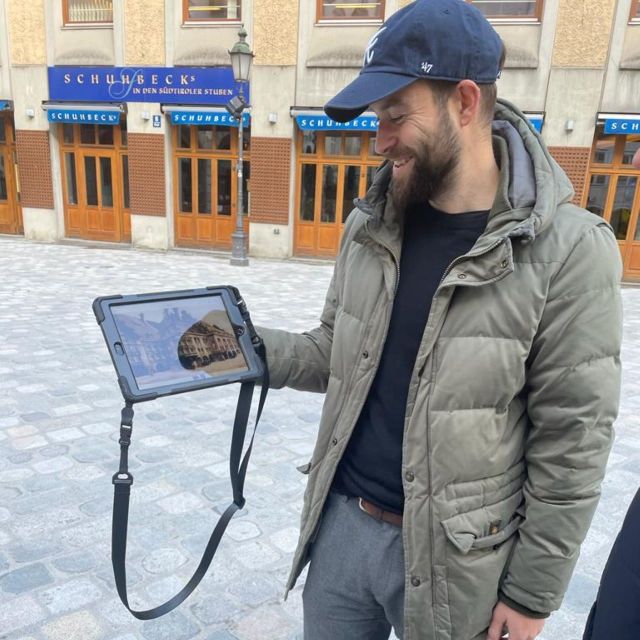
This is a serious tour, and the guide does not pretend it is not. But it is also designed to be manageable. You will get context, but you will not need a PhD to follow. Alex runs the tour chronologically, which reduces mental load. Instead of memorizing disconnected facts, you are guided through a sequence.
Several reviews highlight that Alex keeps it interesting and engages with questions. You should expect the tour to feel like a conversation guided by knowledge, not a one-way monologue. That also helps with the emotional weight of the subject, because you can check in with what you are hearing.
There is also a practical rhythm in the walk. The guide builds in short pauses, which helps if you need a minute to process what you just learned. That is a small thing, but it makes a big difference over 2.5 hours.
What you get besides the walking: local recommendations
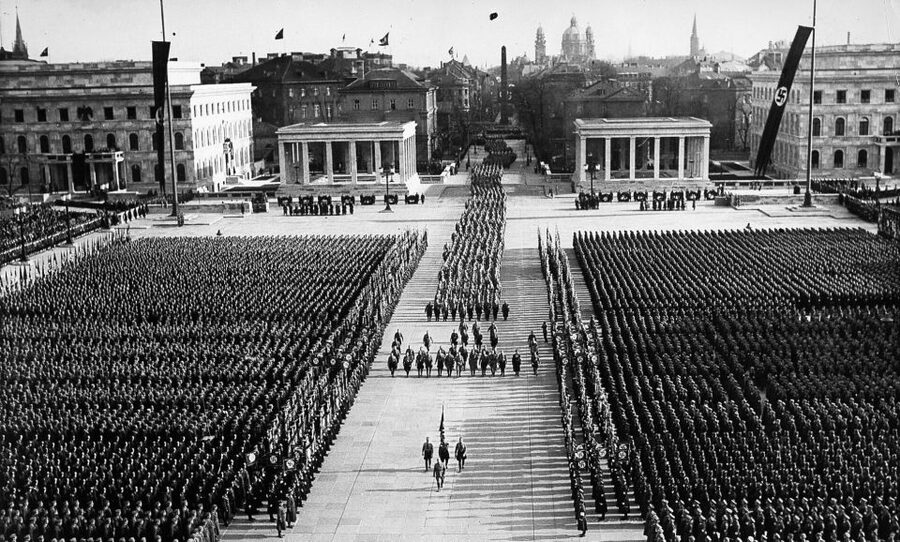
Included in the tour is more than just the guided route. You also get personal recommendations for exploring Munich like a local. That is a nice value add because it helps you turn the experience into a better overall trip, not just a one-off history hit.
If you plan to spend more time in Munich afterward, this kind of add-on can steer you toward places that match your interests. After learning how the city shaped Nazi power, you will probably want to see how Munich represents memory and history today, and the guide’s local view can help you find the right direction.
Price and value: $30 for 2.5 hours with a named local guide
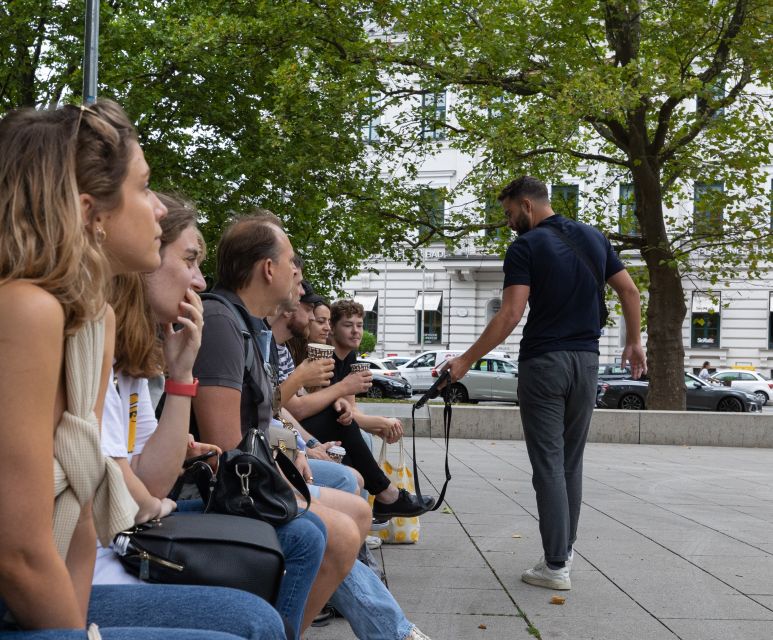
The price is $30 per person for a 2.5 hour guided walking tour. In practical terms, you are paying for two things: a real local guide and time on foot with structured context. That is exactly what you need for a topic like this, because the city is the textbook.
This is not a museum ticket experience, so the value depends on the guide’s ability to connect locations. Here, the guide Alex is a clear strength. The strongest feedback centers on how well he explains events and relationships, keeps the topic engaging, and still respects the seriousness.
If your goal is simply to read a few plaques on your own, you will get a much weaker experience. For $30, you are buying interpretation, pacing, and context so the city stops being just scenery.
Who should book this Hitler rise walking tour?
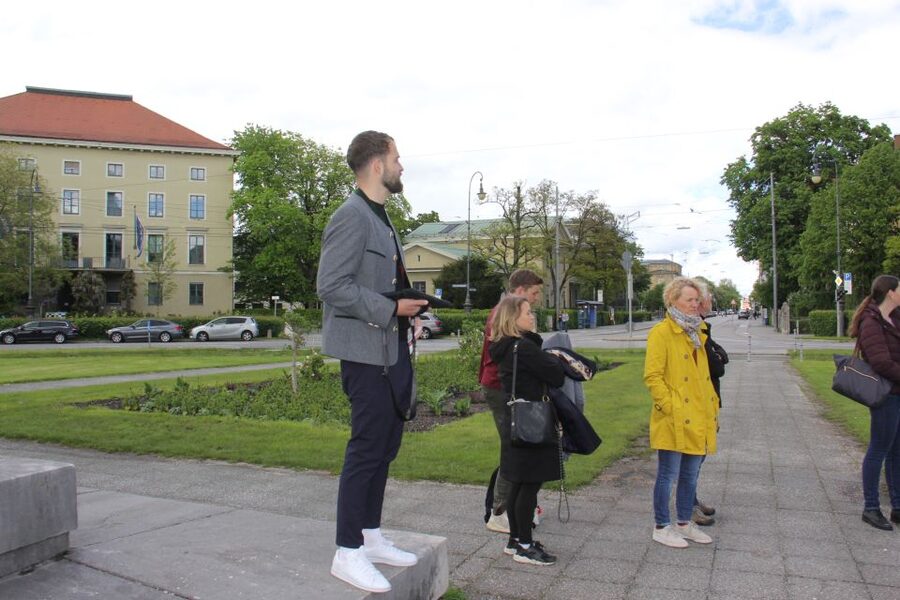
This tour fits best if you want history rooted in the real streets of Munich. If you are curious about how political power grew and how a city became a key stage for the Nazi movement, you will likely enjoy the structure and the focus on public sites.
It is also a good option if you are not a history expert. The tour is set up to be accessible, and the guide’s style is aimed at helping people understand without making them feel out of place.
A few participants note it works well for both Munich locals and visitors. That makes sense: even if you know the center of town, you may not know the specific Nazi-era meanings tied to certain buildings and squares.
Practicalities that actually matter
The tour lasts 2.5 hours. You should plan to meet at Marienplatz at the Marian Column, the large column with the small golden statue in the middle of the square. There is no hotel pickup, so you will want to build in travel time to reach the center.
The tour runs rain or shine. That is common, but it is worth repeating because the pacing depends on staying outdoors. Bring comfortable shoes, and dress for the weather.
Language is German. Wheelchair accessible is listed, which is good to know if mobility is a concern. Still, since it is a walking tour, ask yourself whether 2.5 hours of moving through central streets will be comfortable for you.
Should you book this tour?
Book it if you want a guided, chronological walk through Munich’s Nazi-era sites and you care about understanding how the city’s public spaces were used to support ideology and power. The guide’s teaching style, question-friendly approach, and ability to keep the tone respectful but not dull are the strongest reasons to choose it.
Skip it if you cannot handle the subject matter, or if German-only guiding would leave you feeling lost. Also, if you are looking for a relaxed stroll with lots of free time, you might prefer a slower option. This one moves with purpose, because the story is the point.
FAQ
What is the meeting point for the tour?
Meet your guide at Marienplatz at the Marian Column, the large column with the small golden statue in the middle of the square.
How long is the Munich historical walking tour?
The tour lasts 2.5 hours.
What language is the live guide speaking?
The live tour guide language is German.
Is the tour wheelchair accessible?
Yes, the tour is listed as wheelchair accessible.
What should I bring?
Bring comfortable shoes, since the tour is a walking experience.
Does the tour run in bad weather?
Yes, it runs rain or shine.
The Longer History of Munich
Pavements of Munich
Wartime History Walks We Have Reviewed
Everything else we filed on Munich
- Munich Beer and Bavarian Bites Private Tour
★ 5.0 · 11 reviews - Private Day Trip from Munich to Neuschwanstein and Linderhof
★ 4.0 · 11 reviews - Private Munich Old Town Walking Tour – with optional Breakfast
★ 5.0 · 11 reviews - Festive Concert in the All-Saints Court Church
★ 4.6 · 11 reviews - Private Castle Tour from Munich: Neuschwanstein, Hohenschwangau, and Linderhof
★ 4.5 · 12 reviews - Munich: Oktoberfest Big Beer Tent Evening including table reservation
★ 4.8 · 12 reviews
Third Reich and Wartime History Tours, side by side.
 ★ 4.9Berlin: Third Reich and Cold War 2 Hour Walking TourFrom $236,830 reviews
 ★ 4.6Munich: Third Reich & WWII Walking TourFrom $316,181 reviews
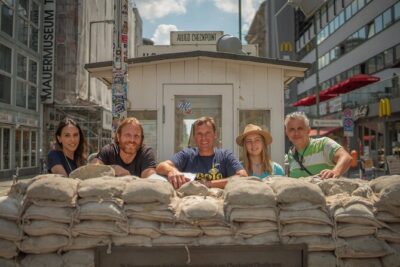 ★ 5.0Berlin’s Best: 2 Hour Walking Tour Third Reich and the Cold WarFrom $245,486 reviews
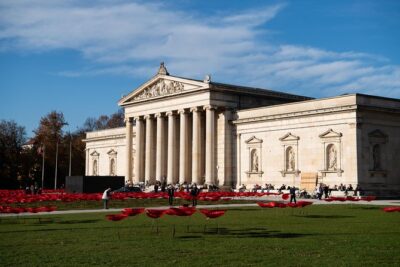 ★ 4.5Third Reich Walking Tour MunichFrom $454,291 reviews
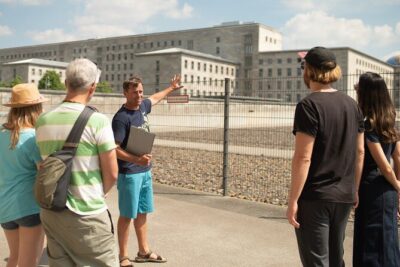 ★ 5.0Third Reich Berlin: Hitler and WWII Walking TourFrom $243,301 reviews
 ★ 4.7Nuremberg: Walking Tour of Former Nazi Party Rally GroundsFrom $151,665 reviews
 ★ 4.9Berlin: Third Reich, Hitler, and WWII Walking TourFrom $201,133 reviews
 ★ 4.8Nuremberg: Historischer Kunstbunker WWII Art Bunker TourFrom $14921 reviews
Other lists this tour is on