
REVIEW · WARTIME HISTORY
Munich: Nazi History 2-Hour Small Group Walking Tour
Munich has a second history tour should see. This 2-hour walking tour traces how the Nazi movement took root in the city, moving from Marienplatz to key rally sites, with guide Alun Evans bringing the story to life in clear, human terms. I especially like the tight, small-group format, and the way Evans stays respectful while still making the details hit. One drawback to consider is that at just two hours, it can feel a bit short if you want to linger on themes or ask lots of follow-up questions.
Expect a street-level route through major squares and buildings tied to the rise of the Nazi Party and SS, including places connected to the failed Beer Hall Putsch in 1923. It runs in all weather, so you will be outside most of the time, and there are no refreshments provided.
In This Review
- Key Things I’d Highlight Before You Go
- Why This Munich Nazi History Walk Feels Different Than a Museum Ticket
- Getting Your Bearings at Marienplatz, the City’s Busy Starting Line
- Hofbräuhaus München, Why a Beer Hall Could Become a Political Stage
- Odeonsplatz and the Power Geography of Munich
- Following the Story Toward the Failed Beer Hall Putsch of 1923
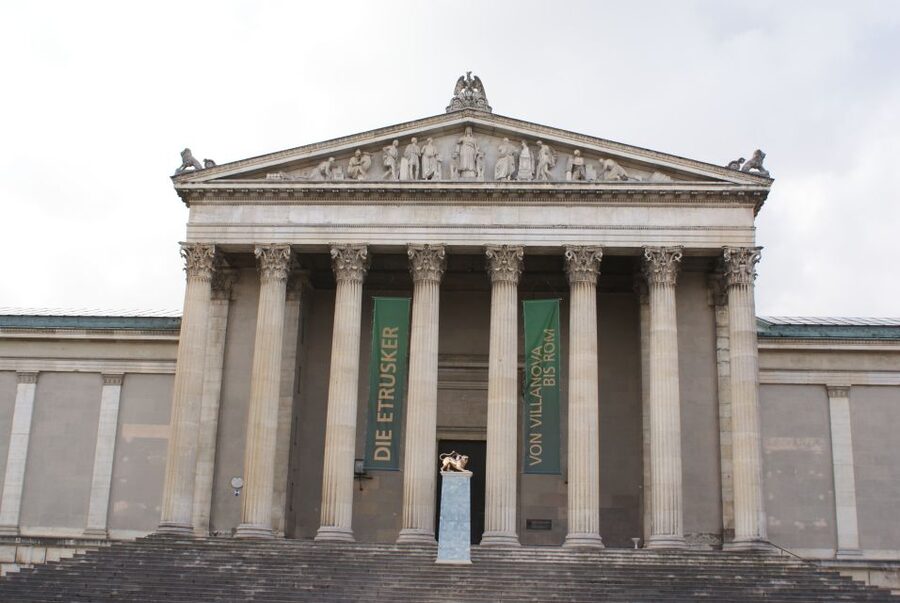
- Königsplatz, Where Public Rally Culture Becomes Visible
- The Guide Makes or Breaks a Dark Walking Tour
- Timing and Route Pace, Two Hours Is a Real Constraint
- Price and Value: What $58 Buys You in the Real World
- Who This Tour Fits Best (and Who Might Want Something Else)
- Should You Book This Munich Nazi History 2-Hour Walking Tour?
- FAQ
- How long is the Munich Nazi history walking tour?
- Where does the tour start and end?
- What is the meeting point?
- What language is the tour guide?
- How big is the group?
- Is the tour indoor or does it run in bad weather?
Key Things I’d Highlight Before You Go
- Small-group feel: capped at 10 participants in the tour details, also marketed as max 15, so you can actually ask questions.
- A guide who sets the tone: reviews praise Alun Evans as caring, humble, patient, and engaging, with tact when discussing dark material.
- Real place, real context: you connect the story to Munich’s central squares and landmark buildings, not just a lecture.
- The 1923 Beer Hall Putsch is not abstract: you visit the site connected to the failed coup attempt.
- Rally geography matters: you walk from historic meeting points to later rally grounds like Königsplatz, so the movement’s public face becomes visible.
- Weather plan required: the tour operates in all conditions, so bring layers and footwear you can trust on pavement.
Further wartime history walks we have written up
- Munich: Third Reich & WWII Walking Tour★ 4.6 · 6,181 reviews
- Third Reich Walking Tour Munich★ 4.5 · 4,291 reviews
- Munich: Birthplace of the Third Reich Guided Walking Tour★ 4.6 · 771 reviews
- Munich World War II Sites Including Dachau Concentration Camp★ 4.5 · 570 reviews
Why This Munich Nazi History Walk Feels Different Than a Museum Ticket
This tour has a simple idea: history is easier to understand when you can stand in the same civic spaces where it unfolded. Munich’s center is packed with “normal” tourist landmarks. That is exactly why this walk works. You see familiar settings, then the guide explains how the Nazi movement used public visibility, political theater, and crowds to gain power.
I like that the tour frames the story as a timeline you can track, not just a list of dates. It starts with Hitler’s arrival in Munich in 1913, when he was 24 and without prospects, and then follows how the movement gained momentum from there. You are also not stuck in one topic for the whole time. You get a sequence that moves from origin, to organization, to public events, to rally culture.
The tone also matters. Reviews specifically mention that Evans presents the darkest parts of the city’s past with respect and care, while still being candid. That balance is not easy. When it is done well, you leave feeling informed, not overwhelmed or numb.
Getting Your Bearings at Marienplatz, the City’s Busy Starting Line
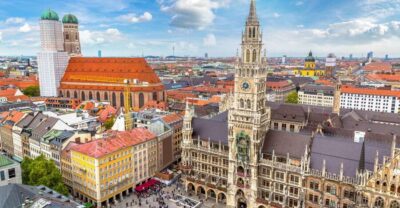
The tour begins at Marienplatz, Munich’s central square and a natural meeting point. This is practical, because you can find it without wrestling with complicated transit or multiple stops to reach a starting office. It is also smart from a storytelling point of view.
Marienplatz is where locals and visitors move through the city every day. Starting there lets you set up contrast quickly: the same urban core that looks lively and orderly today also hosted the early political building blocks of a regime that caused immense harm. In the first part of the walk, you are essentially being guided into a mindset shift, from sightseeing to understanding context.
You will meet in front of the Tourist information Center on Marienplatz, and the guide holds a sign with the name of the local tour operator. That keeps logistics simple, especially if you arrive a few minutes early and want to regroup before the walk starts.
Hofbräuhaus München, Why a Beer Hall Could Become a Political Stage
One of the most significant stops is Hofbräuhaus München. The Nazi Party used the energy of public gatherings, and Hofbräuhaus is tied to that story in a very direct way: it was a place where the Nazi Party would meet, and where Hitler gave speeches.
This is the kind of location where the spoken word matters as much as the building. Even if you know some facts already, standing there helps you understand why propaganda could spread quickly. Large rooms, crowds, and the shared feeling of being part of something bigger are powerful tools. The guide’s job here is to connect the psychology of crowd politics to real-world places in Munich.
A practical note: Hofbräuhaus is a busy stop. The tour includes a short guided period at this location, so you should expect a focused visit rather than a long sit-down. If you are hoping for a slow, conversational meal-style experience, you will not get that. One review even notes that they wished there had been time to sit down over a brew and talk more. That tells you what kind of format you are signing up for, a walk-first tour, not a hang-out.
Odeonsplatz and the Power Geography of Munich
From the beer hall energy, the route moves toward Odeonsplatz, another high-visibility square. Here, the guide connects the Nazi story to what the city’s major institutions looked like in the same era.
Odeonsplatz matters because it sits close to major architectural statements, including the home of the Bavarian State Opera and the Residenz building. Those names are not just decoration. They represent state authority and cultural prestige, which makes the contrast stark once you understand what the Nazi movement was trying to do: win legitimacy, look official, and borrow the feeling of permanence from places already associated with power.
You will spend a limited time at this stop, so the guide has to keep the pace moving while still making the connections clear. That is a good thing for many people. It keeps the tour from turning into a slow photo walk where you lose the thread. The trade-off is that if you want deep dives on architectural details or long historical tangents, you may wish for more time.
Still, the way the tour uses Odeonsplatz helps you “see” the city differently. You start noticing how political movements benefit from being near symbols of authority, whether that authority is cultural, governmental, or simply public-facing.
Other walking routes through Munich
Following the Story Toward the Failed Beer Hall Putsch of 1923
A major thread in the Nazi rise in Munich includes the failed Beer Hall Putsch of 1923. The tour includes a stop at the site connected to that attempted coup. This is important because it anchors the myth-making and the escalation phase of the movement to a real location, not just a page in a book.
Why this matters for you: understanding the putsch helps explain why the Nazi Party’s later public strategy could become more effective. When a movement fails dramatically, the response can either stall it or harden its identity. The guide’s explanations (praised in multiple reviews) are designed to connect what happened in 1923 to the political momentum that followed, so the story does not feel like scattered trivia.
Also, this is where the emotional weight of the tour lands. Reviews mention that Evans shares the information in a tactful and respectful way, even when conditions are uncomfortable, like snow and heavy cold. If you are sensitive to heavy topics, you should go in knowing the tone will be serious. That is the point, but it is still worth flagging.
Königsplatz, Where Public Rally Culture Becomes Visible
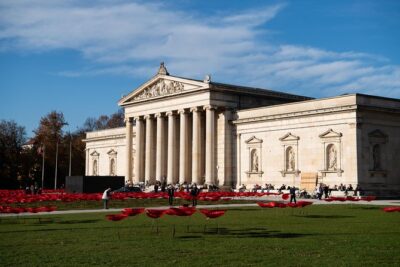
The walk ends at Königsplatz, a key location because Nazis held rallies there. This stop is powerful for one reason: by the time you reach Königsplatz, you have already walked through the earlier “building blocks” of the movement, speeches, meetings, and the use of high-profile spaces.
Now you get to connect those pieces to the rally culture. If Marienplatz is the everyday civic center and Hofbräuhaus is the speech-and-crowd engine, Königsplatz is where the movement’s public face becomes more organized and staged.
The guide’s explanation helps you see why rally spaces matter. Crowds are not just crowds. They are choreography. Sightlines, open areas, and the feeling of collective attention all shape how people respond. That is a hard concept to grasp from a textbook, but it clicks when you stand in the space where the event type happened.
The tour finishes back at the central area. In the tour information, there is also an option to return to Marienplatz with your guide on request, which is handy if you want help getting oriented afterward.
The Guide Makes or Breaks a Dark Walking Tour
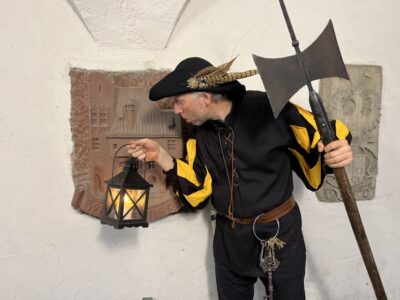
This tour stands or falls on interpretation, not on the quality of the sidewalks. Reviews strongly highlight Alun Evans as a standout guide. People describe him as caring, humble, respectful, and welcoming. They also point out how engaging and patient he is, including with people who are still learning the basics.
I like that Evans comes across as someone who can teach without talking down. One review notes that the detail level felt right, meaning you do not get either an oversimplified skim or a confusing overload. Another review calls out how he tactfully presents the dark history of the city, which tells you he is mindful about how the topic lands with different kinds of visitors.
If you are coming to this subject as a beginner, you will likely appreciate that he uses clear storytelling. If you are a history fan, the review comments suggest you are not being left with only surface-level facts. Either way, the small-group format helps. With fewer people on the walk, it is easier for the guide to adjust, slow down when questions come up, and keep the conversation human.
Timing and Route Pace, Two Hours Is a Real Constraint
The tour runs for 2 hours. That is long enough to make a point across several locations, but short enough that the guide cannot turn it into a full lecture series.
Here is the practical implication for you: think of this as a “context builder.” It gives you the street-level framework you need to understand what you will see later in Munich. If you want to go further, you will probably want a second layer afterward, like reading or visiting a museum on your own.
It also helps to wear comfortable shoes. This is a walking tour with multiple stops and short guided periods. Since it operates in all weather, plan clothing for cold, rain, or snow. One review mentions heavy snow and extreme cold, and credits Evans with keeping people engaged. That suggests the tour stays focused even when conditions are rough, but you still do not want your legs to be the limiting factor.
Price and Value: What $58 Buys You in the Real World
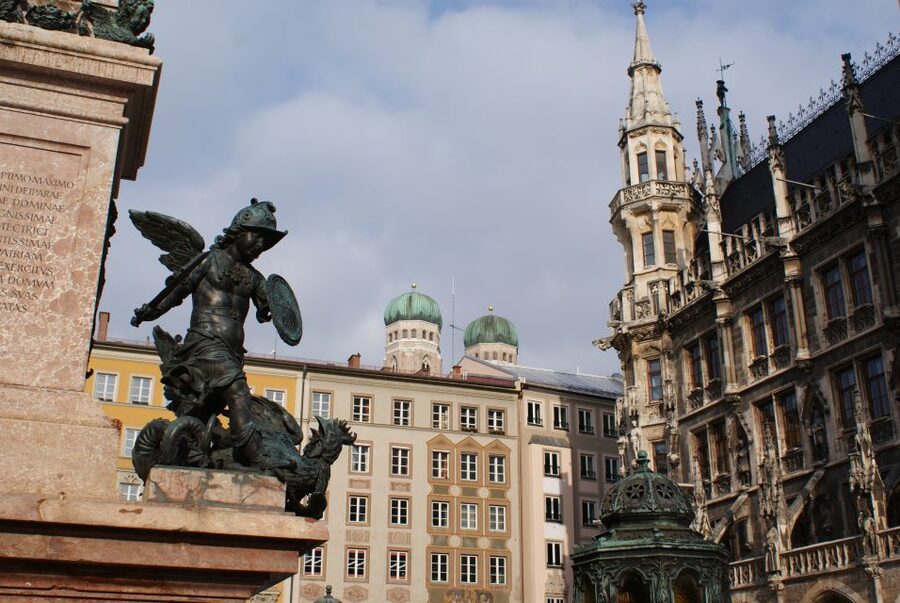
At $58 per person for a two-hour small-group walking tour, the price sits in the mid-range for guided experiences in a major city. The value comes less from the duration and more from the combination of guide time plus the responsibility of handling a sensitive, complex topic.
You are paying for:
- A local English-speaking guide, with strong feedback on clarity and tact
- A structured walk through significant locations tied to the Nazi Party and SS
- A small-group format that makes it easier to engage, not just listen
If you were to do this on your own, you would be able to visit many of the same squares and buildings. The difference is what you get in between the photos. The guide turns locations into meaning, including the timeline from 1913 and the connections to 1923.
So, is it worth it? If you want a guided explanation and the ability to ask questions, yes, the price looks fair for what you get. If you prefer self-guided routes with lots of time to wander, you might feel the tour is too short and too structured.
Who This Tour Fits Best (and Who Might Want Something Else)
This is a strong fit if:
- You want a guided narrative about Nazi-era origins and public tactics, tied to Munich’s central landmarks
- You like small groups and find it easier to learn when the guide can respond to questions
- You are comfortable with serious content and want a respectful, educational framing
You might choose a different experience if:
- You want a museum-style visit with lots of indoor time and documents
- You need a lighter, more casual sightseeing tone, because this route is built around one of the worst periods of modern history
- You dislike cold weather walks, since the tour runs in all conditions and includes no refreshments
Should You Book This Munich Nazi History 2-Hour Walking Tour?
Yes, if you value a small-group guide-led story and want Munich’s key Nazi-era sites explained in a clear, respectful way. The best reason to book is the human quality of the guiding, repeatedly praised through comments about how Alun Evans engages people, keeps a good pace, and handles the material with tact.
If you book, go in with realistic expectations. This is not a day-long academic course. It is a focused street-level timeline that helps you make sense of what you see and why it mattered. For many visitors, that is exactly the right length.
If you want to pair it with more learning afterward, you will be set up well. You will walk away understanding the city’s “where” and “how,” not just the “when.”
FAQ
How long is the Munich Nazi history walking tour?
The tour lasts 2 hours.
Where does the tour start and end?
It starts and ends at Marienplatz in central Munich.
What is the meeting point?
Meet in front of the Tourist information Center on Marienplatz, where the guide will be holding a sign with the local tour operator name.
What language is the tour guide?
The tour is led in English.
How big is the group?
The tour is described as a small group, with limited participants, including a cap of 10 participants in the tour details. It is also marketed as maximum group size 15.
Is the tour indoor or does it run in bad weather?
The tour operates in all weather conditions, so you should dress accordingly. Refreshments are not included.
The Longer History of Munich
Pavements of Munich
Wartime History Walks We Have Reviewed
Everything else we filed on Munich
- Munich Beer and Bavarian Bites Private Tour
★ 5.0 · 11 reviews - Private Day Trip from Munich to Neuschwanstein and Linderhof
★ 4.0 · 11 reviews - Private Munich Old Town Walking Tour – with optional Breakfast
★ 5.0 · 11 reviews - Festive Concert in the All-Saints Court Church
★ 4.6 · 11 reviews - Private Castle Tour from Munich: Neuschwanstein, Hohenschwangau, and Linderhof
★ 4.5 · 12 reviews - Munich: Oktoberfest Big Beer Tent Evening including table reservation
★ 4.8 · 12 reviews
Third Reich and Wartime History Tours, side by side.
 ★ 4.9Berlin: Third Reich and Cold War 2 Hour Walking TourFrom $236,830 reviews
 ★ 4.6Munich: Third Reich & WWII Walking TourFrom $316,181 reviews
 ★ 5.0Berlin’s Best: 2 Hour Walking Tour Third Reich and the Cold WarFrom $245,486 reviews
 ★ 4.5Third Reich Walking Tour MunichFrom $454,291 reviews
 ★ 5.0Third Reich Berlin: Hitler and WWII Walking TourFrom $243,301 reviews
 ★ 4.7Nuremberg: Walking Tour of Former Nazi Party Rally GroundsFrom $151,665 reviews
 ★ 4.9Berlin: Third Reich, Hitler, and WWII Walking TourFrom $201,133 reviews
 ★ 4.8Nuremberg: Historischer Kunstbunker WWII Art Bunker TourFrom $14921 reviews
Other lists this tour is on