
REVIEW · WARTIME HISTORY
Munich: Resistance against Hitler – Historical Walking Tour
Munich wasn’t just a stage for Hitler. This walk traces real resistance stories, led by Alex and centered on the White Rose, from student courage to deadly plots. You also get to see why these events felt both close to home and painfully inevitable.
I also like how the tour handles a heavy topic without going cold or academic. One thing to watch: the live guide is German, so if your German is limited, you might miss parts of the details.
In This Review
- Key things to know before you go
- Why Munich’s Resistance Walk Matters
- Meeting at LMU, then walking with purpose
- Alex’s guide style, clear answers on serious events
- The White Rose story, why students mattered in a terrifying system
- From a former ministry to secret plotting rooms
- Where a military coup turned into a real-world crossroads
- Odeonsplatz, where the walk ends and the mood changes
- Value and price: what $28 gets you, and why it can be worth it
- Who this tour suits best
- Should you book this tour?
- FAQ
- Where is the meeting point?
- How long is the tour?
- What language is the guide?
- How much does it cost?
- Is the tour wheelchair accessible?
- Does the tour run in bad weather?
- Is hotel pickup included?
- What should I bring?
- Which resistance group will I learn about?
- Can I cancel for a full refund?
Key things to know before you go
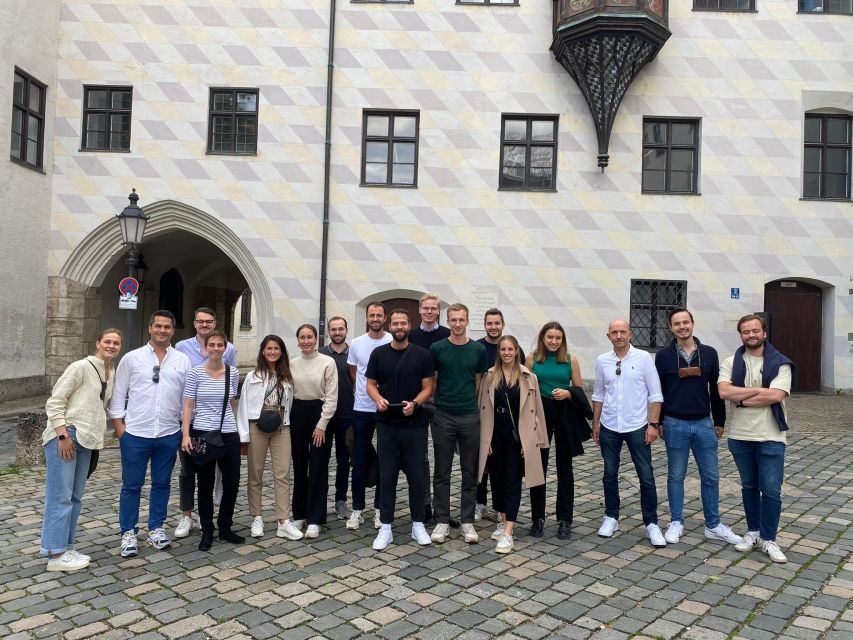
- Alex, a Munich local guide who tells the story with a clear, personal voice
- White Rose focus, plus resistance chapters that are far less familiar
- Hitler-targeted plots, including the place tied to a bomb attempt
- Original coup-era sites, connected to dramatic opposition to the Nazis
- LMU fountain to Odeonsplatz, a logical, walkable route in about 2 hours
Further wartime history walks we have written up
- Munich: Third Reich & WWII Walking Tour★ 4.6 · 6,181 reviews
- Third Reich Walking Tour Munich★ 4.5 · 4,291 reviews
- Munich: Birthplace of the Third Reich Guided Walking Tour★ 4.6 · 771 reviews
- Munich World War II Sites Including Dachau Concentration Camp★ 4.5 · 570 reviews
Why Munich’s Resistance Walk Matters

Munich is where National Socialism got its early momentum. It is also where Nazi propaganda lived, grew, and kept pushing until the end. That weight makes this kind of walk more than “history sightseeing,” because it forces you to see choices, not just dates.
What I like is the balance in the story. You hear about the people who silently endured, but you also learn about those who actively resisted, even when the cost could be life or imprisonment. The tour is built around tragic stories, but it also leans into the stubborn hope behind them.
This is the core point you carry through the day: resistance didn’t start with big revolutions. It started with ordinary people deciding they would not cooperate.
Meeting at LMU, then walking with purpose
You start at the big fountain in front of the main entrance of Munich University, LMU, at Geschwister-Scholl-Platz 1. It is a smart starting spot because the area gives you a clear sense of “youth, education, and ideas,” which matters a lot for the resistance story.
The tour lasts about 2 hours, and it runs rain or shine. That means you should wear comfortable shoes and plan for standing and walking time throughout. There is no hotel pickup, so you are responsible for getting to the meeting point on your own.
It is also wheelchair accessible, which is a big practical plus. If you use mobility aids, you can still take part without needing complicated arrangements.
Alex’s guide style, clear answers on serious events
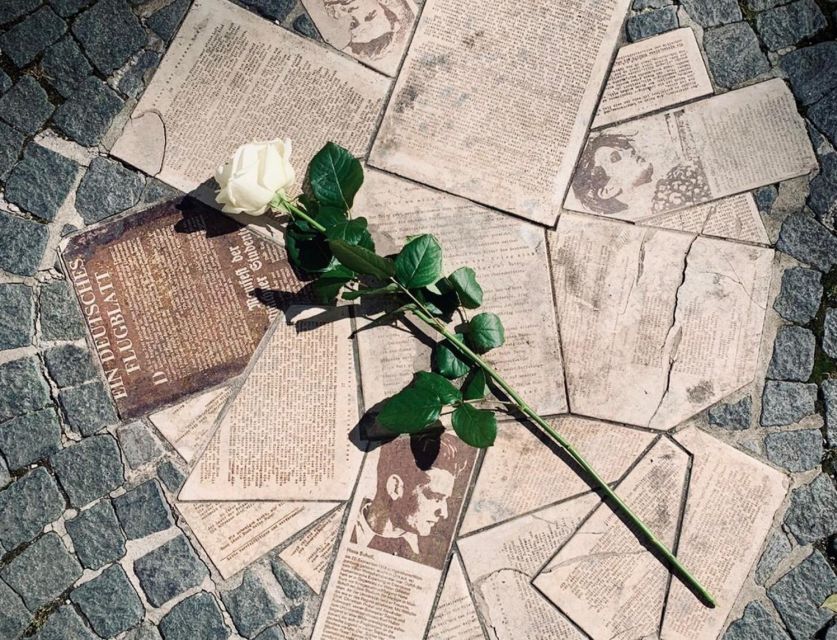
Alex is the kind of guide who actually knows how to work a serious subject without turning it into a lecture you forget five minutes later. The tour has a conversational feel, and when questions come up, you get straight answers rather than vague hand-waving.
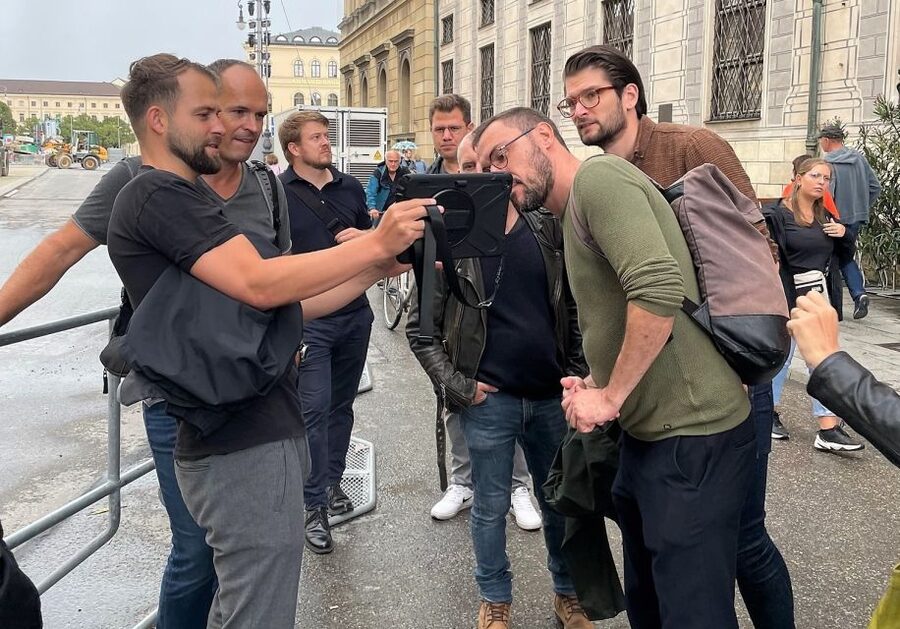
You can also tell Alex is using real material and visual support. You do not just hear names and slogans. You get historical images that match the specific places you are standing in, which helps your brain connect story to street.
That matters because resistance history can get abstract fast. On this tour, it stays concrete, tied to buildings, squares, and the logic of where events unfolded.
The White Rose story, why students mattered in a terrifying system
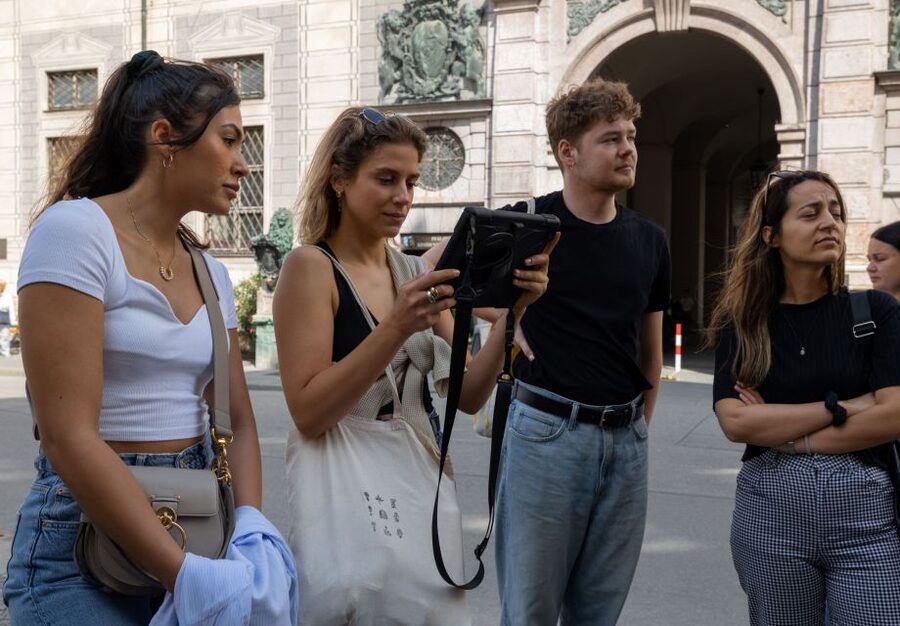
A huge part of what you learn here is the White Rose, Germany’s best-known resistance group. The key idea is not just who they were, but why their position was so dangerous. Student life was often seen as protected or separate from politics, and that made their opposition both shocking and high-stakes.
The tour also places the White Rose in a broader resistance frame. That includes other resistance movements against Hitler, including ones that many people have never heard. If your knowledge is mostly limited to the White Rose already, you will still come away with a more complete map of how resistance could take different shapes.
I like that the tour emphasizes the timing. Resistance here is shown as something done even while Nazi control tightened, and even as many older people chose to look away. It is a lesson in courage that is hard to ignore.
Other walking routes through Munich
From a former ministry to secret plotting rooms
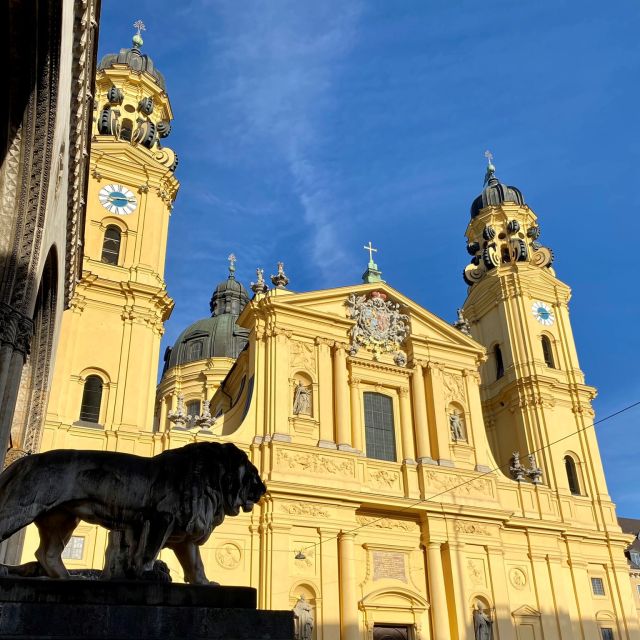
As you move along the route, you hit original historical sites tied to the Nazi system and the resistance against it. One stop includes the main building of LMU, which keeps the theme of ideas and youth in view. Another stop points to a former Central Ministry, which helps you understand how official power concentrated in everyday places.
Then the story turns darker and more urgent. You encounter a secret military plot thread, plus the daring assassination plans connected to a single courageous man. One highlight focuses on the place where a lonely man built a bomb to kill Hitler.
Even without drowning you in technical details, the tour makes the point that resistance was not one uniform plan. Some people used printing and messages. Others tried to break the Nazi leadership through direct action. The route helps you feel the variety, because the stops connect different “types” of resistance to real spaces.
If you care about how history works, you will enjoy this part. It shows how systems create loopholes, and how people exploit them at enormous personal risk.
Where a military coup turned into a real-world crossroads
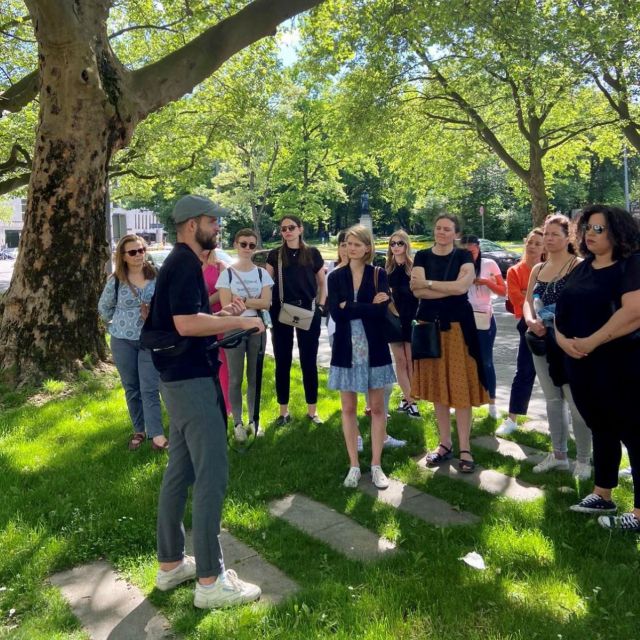
Another major emphasis is the dramatic military coup against the Nazis. You visit the original sight connected to that moment, which is the kind of detail that changes how you understand the event.
Coup stories are often told like sudden lightning bolts. On this tour, you get the sense that conspiracies required patience, coordination, and careful positioning, and that they unfolded inside a maze of surveillance and loyalty checks. Standing at the relevant locations helps you connect the big idea to the small, physical reality of moving people, documents, and messages.
This portion is also where the tour’s pacing feels important. You are not rushed through the “what happened.” You get enough context to understand why different factions could end up on the same side, even if their motives were not identical.
Odeonsplatz, where the walk ends and the mood changes
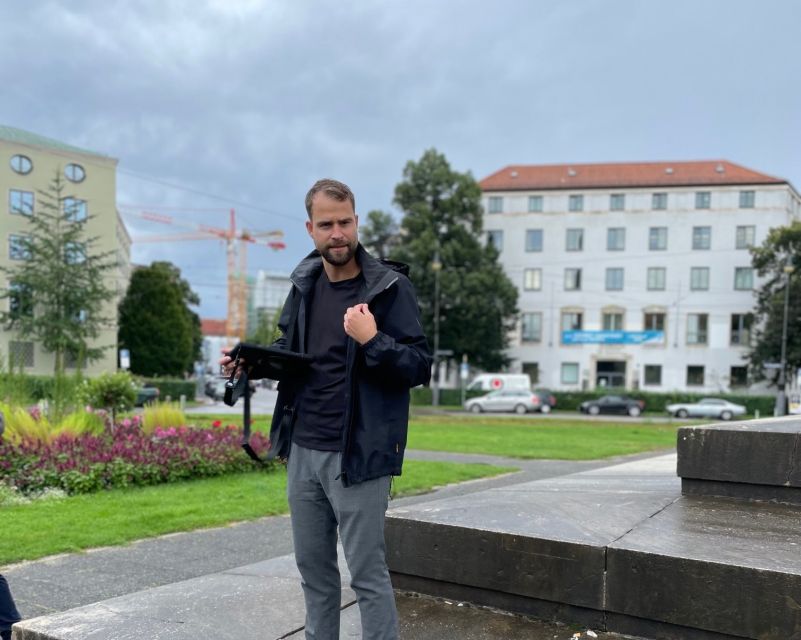
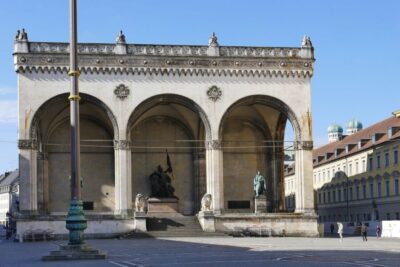
The final stop brings you to Odeonsplatz, the end of the two-hour route. This is a fitting finish because squares like this make you look around and notice how public space can carry conflicting memories at the same time.
By the time you reach Odeonsplatz, you have already seen how power and propaganda shaped Munich. Now you finish in a place that feels open and iconic, which creates contrast. The resistance story still hangs in your head, so the square stops being only architecture and turns into a question: What does a city do with its own past?
It is also a practical landing point. After the tour, you can keep exploring Munich at your own pace, with your understanding of the city’s Nazi-era background now more grounded.
Value and price: what $28 gets you, and why it can be worth it
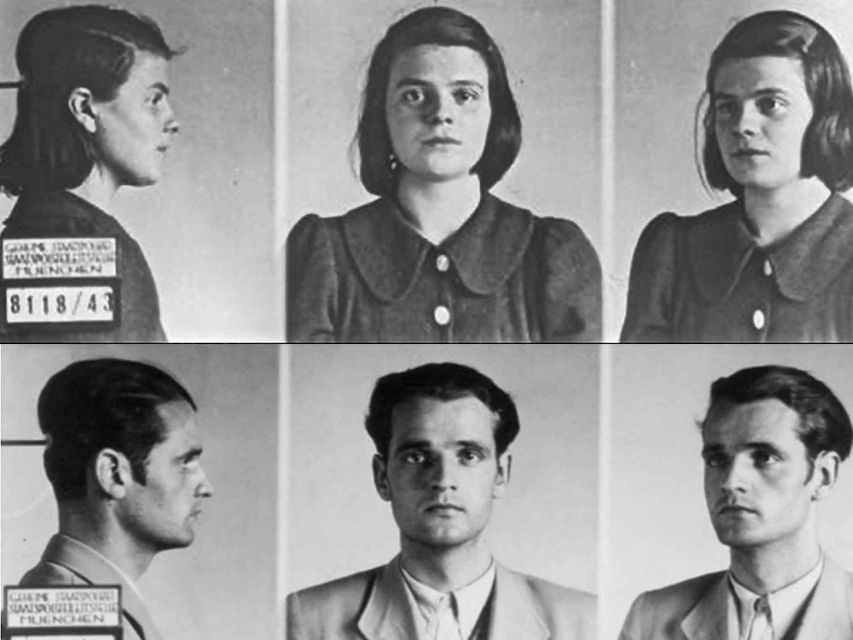
The price is $28 per person for about two hours with a live guide. That sounds simple, but the real value is in what you get for that time: a focused walk through meaningful sites plus expert interpretation tied to specific places.
Many history experiences in Munich either send you deep into one museum topic or give you a broad overview with fewer stops. This tour aims for the middle ground: enough locations to build a clear narrative, without turning your day into an all-afternoon stamina test.
You also get personal recommendations to explore Munich like a local. That might not sound like part of “resistance history,” but it’s actually a smart add-on. You are leaving with practical ways to move through the city with better context, so your Munich time feels more intentional.
Who this tour suits best
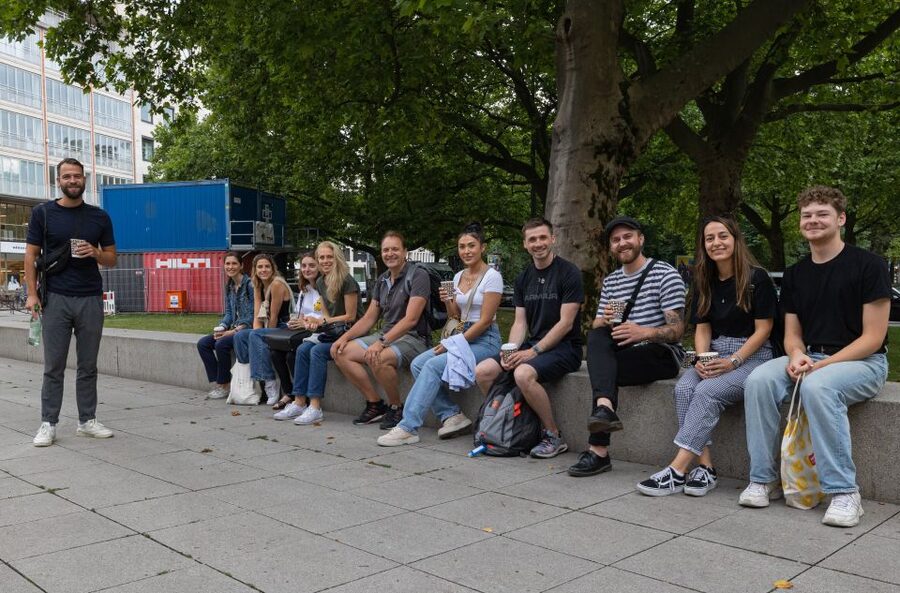
This tour fits you best if you want a serious topic handled with clarity, and you like learning history by walking it. It is also a good match if you already know a bit about the White Rose and want to connect that story to wider resistance efforts.
You should be especially comfortable with the idea of standing and walking for about two hours, since that is the core format. If you do not read German well, the language limitation is the main factor to consider, because the live guide is German.
Should you book this tour?
Book it if you want a concise, place-based Munich history experience focused on resistance against Hitler, with Alex’s local voice and a strong emphasis on the White Rose and other lesser-known efforts. The route from LMU to Odeonsplatz keeps the pacing tight and the story connected to real settings.
Skip it or pair it with other support if German is a concern for you, because the tour is not listed with alternative language support. If you do speak at least some German, you are in good shape, and this feels like an efficient way to see Munich with new eyes.
FAQ
Where is the meeting point?
We meet at the big fountain in front of the main entrance of the University of Munich (LMU), address Geschwister-Scholl-Platz 1.
How long is the tour?
The tour lasts about 2 hours.
What language is the guide?
The live tour guide is German.
How much does it cost?
The price is $28 per person.
Is the tour wheelchair accessible?
Yes, the tour is wheelchair accessible.
Does the tour run in bad weather?
Yes, it takes place rain or shine.
Is hotel pickup included?
No, hotel pickup is not included.
What should I bring?
Wear comfortable shoes.
Which resistance group will I learn about?
You will learn more about the White Rose, Germany’s most famous resistance group.
Can I cancel for a full refund?
Yes, you can cancel up to 24 hours in advance for a full refund.
The Longer History of Munich
Pavements of Munich
Wartime History Walks We Have Reviewed
Everything else we filed on Munich
- Paul’s Private Tour Munich Highlights
★ 5.0 · 3 reviews - Private Linderhof Castle, Entry-Ticket – optional Toboggan Run
★ 5.0 · 3 reviews - Paul’s Private Tour in the Alte Pinakothek Munich
★ 5.0 · 3 reviews - Private Tour at Neuschwanstein And Linderhof Palaces From Munich
★ 4.5 · 3 reviews - Private Highlights of Munich Bike Tour with Beer Garden Stop
★ 5.0 · 3 reviews - Munich WWII and Dachau Concentration Camp Private Tour with Licensed Guide
★ 5.0 · 3 reviews
Third Reich and Wartime History Tours, side by side.
 ★ 4.9Berlin: Third Reich and Cold War 2 Hour Walking TourFrom $236,830 reviews
 ★ 4.6Munich: Third Reich & WWII Walking TourFrom $316,181 reviews
 ★ 5.0Berlin’s Best: 2 Hour Walking Tour Third Reich and the Cold WarFrom $245,486 reviews
 ★ 4.5Third Reich Walking Tour MunichFrom $454,291 reviews
 ★ 5.0Third Reich Berlin: Hitler and WWII Walking TourFrom $243,301 reviews
 ★ 4.7Nuremberg: Walking Tour of Former Nazi Party Rally GroundsFrom $151,665 reviews
 ★ 4.9Berlin: Third Reich, Hitler, and WWII Walking TourFrom $201,133 reviews
 ★ 4.8Nuremberg: Historischer Kunstbunker WWII Art Bunker TourFrom $14921 reviews
Other lists this tour is on