
REVIEW · COLD WAR BERLIN
Berlin Cold War & World War II Third Reich Walking Tour
Berlin has layers, and this tour reads them fast. You get a guided walk through Third Reich to Cold War landmarks, then you see the physical scars in the streets. The pace is brisk and the stops are short, so you may want extra time if you crave deep, one-subject detail.
I especially like how the guide work turns big history into something you can picture. I also like the practical, modern-city tips that show up alongside the serious stories. The main drawback is simple: it’s a lot to cover, so plan on wearing comfortable shoes and keeping your expectations broad.
In This Review
- Key Highlights That Make This Tour Worth Your Time
- Berlin Cold War to Third Reich: What You’re Actually Signing Up For
- Price and Time: Is This Good Value for Berlin?
- Meeting Point and Getting Oriented at Alexanderplatz
- Stop-by-Stop: What Each Location Adds to the Story
- 1) Reichstag Building: Power, Politics, and the Meaning of Architecture
- 2) Museum Berlin-Karlshorst: The End of WWII as a Real Place
- 3) Humboldthain Flak Tower: The War Above and the War Nearby
- 4) Prenzlauer Berg: Battle of Berlin Scars in Everyday Streets
- 5) Berlin Story Bunker: Hitler, Rumors, and the Power of the Setting
- 6) Palace of Tears: Cold War Berlin and the Human Cost of Borders
- 7) Berlin Wall Memorial: Visible Reminders That Still Matter
- 8) Teufelsberg: Off-the-Beaten-Path Wall Echoes
- 9) East Side Gallery: The Wall as a Canvas of Conflict
- 10) DDR Watch Tower: Horror and Triumph, Told Through Stories
- The Guides Matter: Humor, Follow-Up Questions, and Practical Tips
- What’s the Best Way to Get the Most From This Tour?
- Who This Tour Suits Best (and Who Might Want Something Else)
- Should You Book This Berlin Cold War and WWII Walking Tour?
- FAQ
- How long is the Berlin Cold War and World War II Third Reich walking tour?
- How much does the tour cost?
- Where does the tour start, and what time does it begin?
- Is the tour route mostly walking?
- What is included in the price?
- Are beverages or snacks included?
- Does the tour run in bad weather?
- How big are the groups?
- What is the cancellation policy?
- Do I get a confirmation after booking?
- Where does the tour end?
Key Highlights That Make This Tour Worth Your Time
- Reichstag Building start, then straight into WWII-era turning points
- Berlin-Karlshorst and the end of WWII focus, not just generic WWII talk
- Flak Tower and Prenzlauer Berg scars, where the war is still visible
- Berlin Story Bunker and Hitler lore, told as part of the timeline
- Cold War crossings at Palace of Tears, plus escape-theme context
- Teufelsberg to East Side Gallery to wall sites, ending with DDR-themed perspectives
More of the divided city, written up in full
- Berlin: Third Reich and Cold War 2 Hour Walking Tour★ 4.9 · 6,830 reviews
- Berlin: Berlin Story Bunker Entry Ticket★ 4.6 · 6,759 reviews
- Berlin’s Best: 2 Hour Walking Tour Third Reich and the Cold War★ 5.0 · 5,486 reviews
- Berlin: 75-minute Trabi Safari★ 4.8 · 2,854 reviews
Berlin Cold War to Third Reich: What You’re Actually Signing Up For
If you want Berlin history that connects cause to effect, this walking tour makes a strong case. The idea is straightforward: start at the era of Hitler’s rise and WWII, then move into the city’s Cold War split, including the places tied to escapes, border controls, and the Berlin Wall.
The value is in the structure. You visit major landmarks, but each stop is also a story prompt. A local guide keeps pulling the same thread, so you leave with a clearer timeline instead of a list of photos.
One more thing I appreciate: the tour has a casual, question-friendly vibe. More than one guide impressed people with humor and with the ability to go deeper when you ask follow-up questions. If you’re the type who reads plaques and still wants “one more detail,” you’re in the right place.
Price and Time: Is This Good Value for Berlin?
At $35.64 per person for a 6-hour group walk, you’re paying for a guide and a well-planned route. The stops include free admission tickets, which matters in Berlin, where getting inside popular sites can add up.
The timing is the part to watch. The advertised length is about half a day, but expect it to run on the longer side if your guide engages the group and if you keep asking questions. Reviews also suggest comfortable shoes are not optional, so treat this as a real walking day, not a short “see the sights” stroll.
Group size is capped at 100 travelers. That’s large enough that it won’t feel like a private tour, but small enough that your guide should still be able to manage the flow at each stop.
Meeting Point and Getting Oriented at Alexanderplatz
The tour starts at Generator Berlin Alexanderplatz, at Otto-Braun-Straße 65. Starting in that area is useful because it helps you get your Berlin bearings early. The tour also ends back at the meeting point, so you’re not left figuring out a new meetup spot near the end of the walk.
Start time is 12:00 pm. If you’re visiting Berlin for a short trip and want one “history backbone” day, this midday start works well because you’re still fresh enough to walk, and you’re not rushed into dinner plans before you return.
Stop-by-Stop: What Each Location Adds to the Story
Further wartime history walks we have written up
1) Reichstag Building: Power, Politics, and the Meaning of Architecture
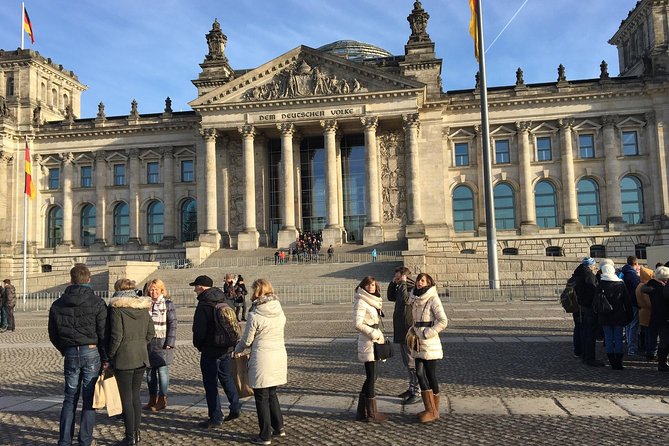
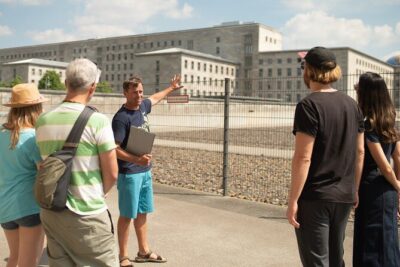
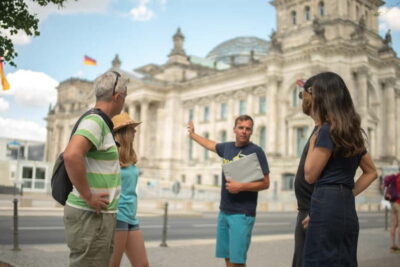
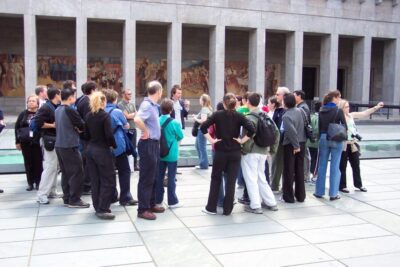
The tour kicks off at the Reichstag Building for about 30 minutes with free admission. This is not just a photo stop. It’s a launch pad for understanding how political power was built, displayed, and fought over in Germany.
What I like about starting here is the way the guide can connect architecture and politics. The Reichstag stands for German governance, and it also becomes a lens for the turmoil that followed. You’ll likely hear stories about famous people and events, plus commentary on the building’s design.
Downside to know: since this is an early stop, you may feel like you’re still waking up and getting your historical footing. Keep a pen or phone notes ready, because some names and concepts will start to stack quickly.
2) Museum Berlin-Karlshorst: The End of WWII as a Real Place
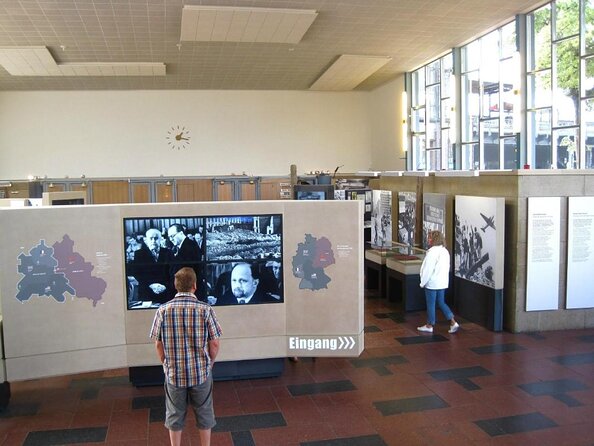
Next is Museum Berlin-Karlshorst, again around 30 minutes with free admission tickets. This is one of those stops where history stops being abstract. It ties to WWII’s end and the end-of-war moment people often struggle to place on a map.
I like how the guide blends factual events with the human scale of what happened there. Some stops focus on “what,” while others help you understand “why it mattered.” This one fits the second category.
A practical note: museum time can feel intense, even when it’s brief. If you’re the type who likes to read every sign, you’ll want to slow down after the tour on your own.
3) Humboldthain Flak Tower: The War Above and the War Nearby
At Humboldthain Flak Tower, you get about 30 minutes. The guide points out stories and facts that you might otherwise walk past. That matters here because the tower is both a landmark and a reminder that Berlin was targeted from the air.
This stop works especially well if you want the “scars” idea explained in physical form. It’s not a talking point. It’s a built structure with history baked into it.
Consideration: tower-area sites can vary in how easy they feel to navigate, depending on weather and crowd flow. Wear shoes with grip and keep your eyes on where you step during the walking segments.
4) Prenzlauer Berg: Battle of Berlin Scars in Everyday Streets
Then you’re in Prenzlauer Berg for about 30 minutes. The goal is to look at scars and battlefields left behind after the Battle of Berlin. This is where the tour shifts from “major landmark” to “street-level history.”
What I find useful is how the guide translates old fighting into modern geography. Berlin can feel confusing if you’re only reading guidebooks, but seeing a map through the guide’s narrative helps you connect neighborhoods to events.
If you’re a visual learner, this is a strong stop. If you need lots of quiet reading time, you may find the pacing brisk.
5) Berlin Story Bunker: Hitler, Rumors, and the Power of the Setting
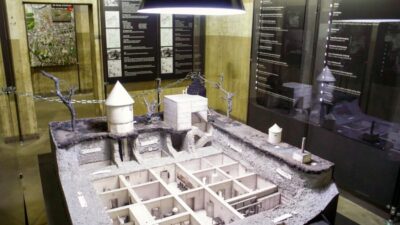
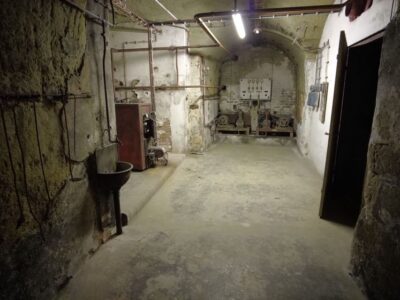
At Berlin Story Bunker, you’re there for about 30 minutes. This stop focuses on the notorious underground lair theme, tied to Hitler stories and legends.
I like that the guide treats the bunker idea as part of the timeline, not just spooky trivia. It gives context for why underground spaces mattered during the war, and it helps you understand how fear and power can share a room.
One caution: bunker and underground-themed attractions can be heavy on guided narrative. If you prefer a strict fact-only approach, ask your guide what is confirmed versus what comes from legend, and see how the guide handles that.
6) Palace of Tears: Cold War Berlin and the Human Cost of Borders
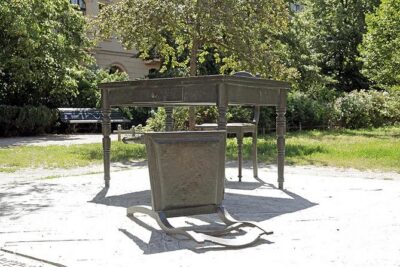
Next is Palace of Tears for about 20 minutes. This stop is clearly built for the Cold War story. You’ll hear how the guide helps connect East Berlin and communism-era life through the idea of crossings, escape points, and boarding-related moments.
This is one of the most emotionally charged parts of the route. Even with short time on site, the topic tends to make people slow down and pay attention. It’s also where the tour’s “then and now” approach starts to matter, because the border concept is still something you can feel in how Berlin is organized.
Practical tip: if you’re sensitive to intense historical topics, mentally brace yourself. The tour doesn’t avoid hard themes, especially around escapes and forced separation.
7) Berlin Wall Memorial: Visible Reminders That Still Matter
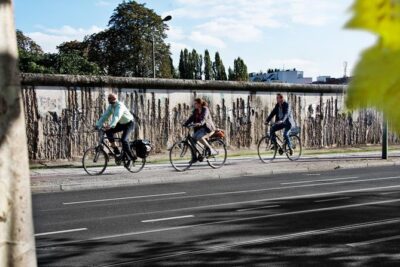
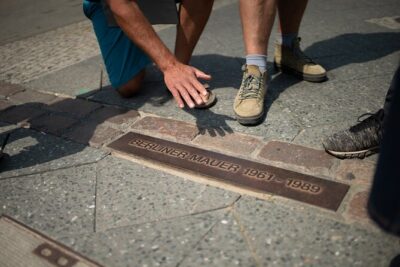
At the Berlin Wall Memorial, you get about 30 minutes. This is a key anchor stop for the tour’s Cold War half. The Wall is not just a concept here. The memorial includes visible remnants and reminders of the political catastrophe.
I like memorial stops when they do one thing well: tie the story to what you’re seeing. Here, that’s exactly the point. You’ll connect the earlier WWII context to what came after and see how the city was divided, policed, and lived through.
Watch your footing and your timing. Memorial areas can get crowded depending on the day, and photo lines can take time.
8) Teufelsberg: Off-the-Beaten-Path Wall Echoes
Then it’s Teufelsberg for about 30 minutes. The route here is designed to show major landmarks left behind by the Wall, plus guard towers and memorial references. The guide also takes you to wall sights off the beaten path.
This stop is a change of pace. Instead of only “big hit” landmarks, it feels more like exploring the aftermath. Teufelsberg can help you understand how Berlin repurposed and lived around what used to be heavily controlled spaces.
Consideration: this is still a walking stop. If weather is rough, you’ll appreciate the advice to dress appropriately, and you’ll want to keep moving at a steady pace.
9) East Side Gallery: The Wall as a Canvas of Conflict
The East Side Gallery stop is about 20 minutes. The core idea is the conflict between East and West, culminating in the creation of the Wall. The tour frames it through life on the “dark side” of the Wall, not as a static monument.
This is one of those places where you’ll probably have a strong emotional reaction, even if you don’t consider yourself a history buff. The reason is that the art and messages are tied to oppression and division, not just aesthetics.
If you want to go deeper, linger after the tour. But even in 20 minutes, the guide should help you understand what you are looking at.
10) DDR Watch Tower: Horror and Triumph, Told Through Stories
Finally, the tour ends at the DDR Watch Tower for about 20 minutes. Here, the focus is on places where the Wall once stood, plus stories related to wall escapes and forced conscription. The guide also frames moments as a mix of horror and triumph.
This ending works well because it returns to the human angle. You can see the structure, but you also hear the costs. Ending with that combination helps it all click.
A practical note: since this is the last stop, it’s easy to run low on energy. Pace yourself, and save your toughest questions for when you can actually hear the guide clearly.
The Guides Matter: Humor, Follow-Up Questions, and Practical Tips
A theme that really comes through is how much the guide changes the experience. People mention guides like Miguel and Arthur for being passionate, friendly, and able to make the sights feel alive. Humor shows up, but so does the ability to go deeper when you ask.
One of my favorite types of tour advice is not just where to stand, but what to do next in the real city. Some guides share tips for restaurants, bars, and books. That kind of guidance turns a history walk into something you can extend into your evening.
If you’re visiting with a student or if you’re studying Cold War or WWII topics, this “ask questions” format can be a big help. It also fits well with how Berlin itself invites curiosity, since you’ll keep noticing references as you walk away.
What’s the Best Way to Get the Most From This Tour?

Here’s how to make this tour work for you.
First, go in expecting a broad timeline. You’ll cover a lot of ground, and the stops are designed to be short enough to keep the day moving. If you want hours inside one museum, pair this with a separate self-guided museum day.
Second, bring the right basics: comfortable shoes, and dress for weather. The tour operates in all conditions, and people specifically recommend an umbrella because Berlin weather can change fast.
Third, come with questions. If you ask follow-ups, the guide can usually explain the “why” behind what you’re seeing. That turns the route from a narrated walk into a real learning conversation.
Who This Tour Suits Best (and Who Might Want Something Else)
This tour is a great fit if you want:
- A single day route connecting WWII and the Cold War without building your own itinerary
- A guided explanation of visible Wall scars and Berlin’s division
- A history walk where questions are welcome and the guide adds color
It may be less ideal if:
- You only like very detailed, topic-specific stops and long museum time
- You prefer a slower pace with more reading and less walking
- You dislike emotional topics like escape attempts and forced conscription themes
If you’re unsure, treat it like a history sampler that helps you decide what to explore in more depth later.
Should You Book This Berlin Cold War and WWII Walking Tour?
Yes, if you want a smart way to connect the Third Reich, WWII endings, and the Cold War split into one readable story. The price is reasonable for a guided walk with free admission tickets at multiple stops, and the guide factor can push it from good to memorable.
I’d book it early in your Berlin trip. It helps you understand what you’re seeing afterward, especially around Wall references and Cold War-era neighborhoods. Just go in ready for walking, accept that time is limited at each stop, and you’ll get a day that makes Berlin’s history feel much more real.
FAQ
How long is the Berlin Cold War and World War II Third Reich walking tour?
The tour duration is listed as approximately 6 hours.
How much does the tour cost?
The price is $35.64 per person.
Where does the tour start, and what time does it begin?
It starts at Generator Berlin Alexanderplatz, Otto-Braun-Straße 65, 10178 Berlin, Germany, at 12:00 pm.
Is the tour route mostly walking?
Yes, it is a walking tour, and it covers multiple landmarks with moderate physical fitness needed.
What is included in the price?
A local guide is included. Admission tickets are listed as free for the stops.
Are beverages or snacks included?
No. Beverages and snacks are not included.
Does the tour run in bad weather?
It operates in all weather conditions, so you should dress appropriately.
How big are the groups?
The tour has a maximum of 100 travelers.
What is the cancellation policy?
You can cancel for a full refund if you cancel at least 24 hours in advance of the experience start time.
Do I get a confirmation after booking?
Yes, confirmation is received at the time of booking.
Where does the tour end?
The activity ends back at the meeting point.
Pavements of Berlin
Wartime History Walks We Have Reviewed
The Divided Years, Reviewed
Everything else we filed on Berlin
- East Berlin: City of Shadows Walking Tour
★ 5.0 · 11 reviews - Berlin: Die Stachelschweine – Frank Lüdecke – Träumt Weiter
★ 4.7 · 11 reviews - Potsdam Day Trip from Berlin with a Local: Private & Personalized
★ 4.0 · 11 reviews - An Introduction to Berlin Walking Tour
★ 5.0 · 11 reviews - DJ for a Day: Learn to Mix Like a Pro in Berlin
★ 5.0 · 11 reviews - 2-H Segway Sightseeing Tour Berlin
★ 4.5 · 11 reviews
Cold War and Stasi History Tours, side by side.
 ★ 4.9Berlin: Third Reich and Cold War 2 Hour Walking TourFrom $236,830 reviews
 ★ 4.6Berlin: Berlin Story Bunker Entry TicketFrom $216,759 reviews
 ★ 5.0Berlin’s Best: 2 Hour Walking Tour Third Reich and the Cold WarFrom $245,486 reviews
 ★ 4.3Berlin: DDR Museum TicketsFrom $153,443 reviews
 ★ 4.8Berlin: 75-minute Trabi SafariFrom $932,854 reviews
 ★ 5.0Cold War, Berlin Wall, Spies and the East Side GalleryFrom $181,024 reviews
 ★ 4.8Nuremberg: Historischer Kunstbunker WWII Art Bunker TourFrom $14921 reviews
 ★ 4.9Leipzig: 90-Minute Trabi City TourFrom $81728 reviews
Other lists this tour is on