
REVIEW · COLD WAR BERLIN
Berlin: Third Reich & Cold War Walking Tour
Berlin has two scary chapters you can walk. This private 2-hour route links symbols of German power and collapse to the Berlin Wall era, with a guide to keep the story straight. You start right by the Hotel Adlon, then move seat-by-seat through major sites that shaped modern Germany.
I love that it’s private and customizable, so the pace matches your questions, not a fixed script. I also like the practical extras, like hearing where a guide such as Carlo, who lives in Berlin, suggests for neighborhoods, food, and other local experiences after the tour.
One possible drawback: this is a heavy subject route, so if you want a lighter, mostly scenic walk, this may feel emotionally intense. Also, there’s no food stop included, so plan a drink and snack time before or after.
In This Review
- Key highlights you will actually care about
- A 2-hour private walk through Berlin’s hardest chapters
- Meeting at Hotel Adlon on Unter den Linden, then getting your bearings fast
- Brandenburg Gate: the symbol of unity, and the politics around it
- Reichstag and Parliament during the Nazi dictatorship
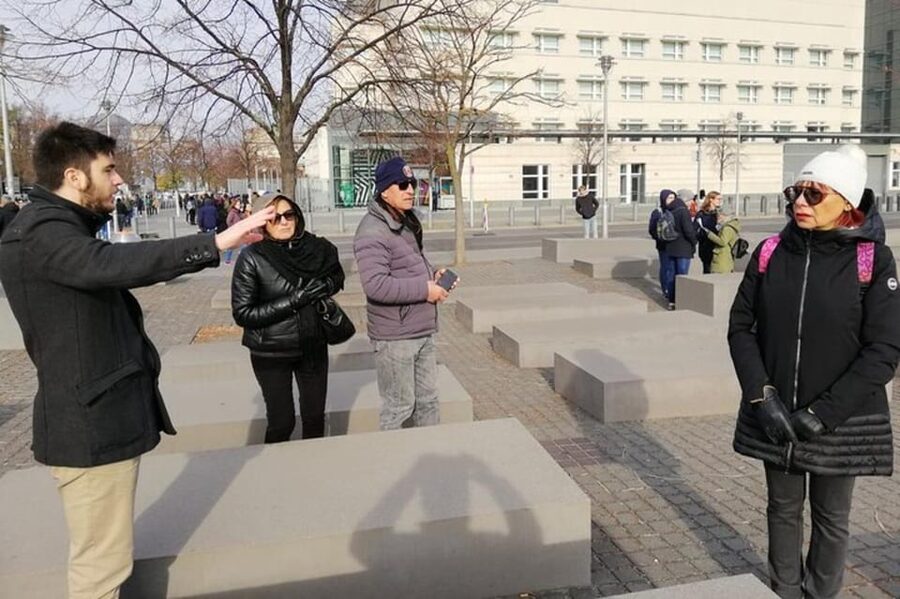
- Memorial to the Murdered Jews of Europe: how to look and what to notice
- Hitler’s Bunker site: why the last days matter
- Topography of Terror at the Gestapo and SS headquarters site
- Berlin Wall stories: construction in 1961 and daring escapes
- Checkpoint Charlie: the famous standoff and reunification context
- Price and value for 35 dollars per person
- What to expect on the ground: walking, transit, and timing
- Who this tour fits best (and who might want another plan)
- Should you book this tour?
- FAQ
- Where does the tour start?
- How long is the Berlin Third Reich and Cold War walking tour?
- Is this tour private?
- What languages are available?
- Is the tour wheelchair accessible?
- What stops are included on the route?
- Is transportation included?
- Do I need tickets in advance?
- Is food or drinks included?
- Can I cancel for a refund?
Key highlights you will actually care about
- Private, one-to-one pacing that lets you ask follow-ups and slow down at the parts you find most important
- Main sights plus the context around them, from Brandenburg Gate to Reichstag to Checkpoint Charlie
- Holocaust and Nazi-era sites in sequence, including the Memorial to the Murdered Jews of Europe and the Hitler’s Bunker area
- Topography of Terror at the Gestapo and SS headquarters site, tying locations to actions and decisions
- Cold War landmarks explained clearly, especially the Wall stories and the standoff at Checkpoint Charlie
- Citywide advice from your guide, not just facts about buildings
More of the divided city, written up in full
- Berlin: Third Reich and Cold War 2 Hour Walking Tour★ 4.9 · 6,830 reviews
- Berlin: Berlin Story Bunker Entry Ticket★ 4.6 · 6,759 reviews
- Berlin’s Best: 2 Hour Walking Tour Third Reich and the Cold War★ 5.0 · 5,486 reviews
- Berlin: 75-minute Trabi Safari★ 4.8 · 2,854 reviews
A 2-hour private walk through Berlin’s hardest chapters
Berlin can feel like history is written on every corner, but this tour helps you read it without getting lost. In about two hours, you cover key turning points from the Nazi dictatorship through the Cold War and the city’s reunification era. It is a lot to fit into a short time, but that is also the point, you come away with a clean timeline you can build on.
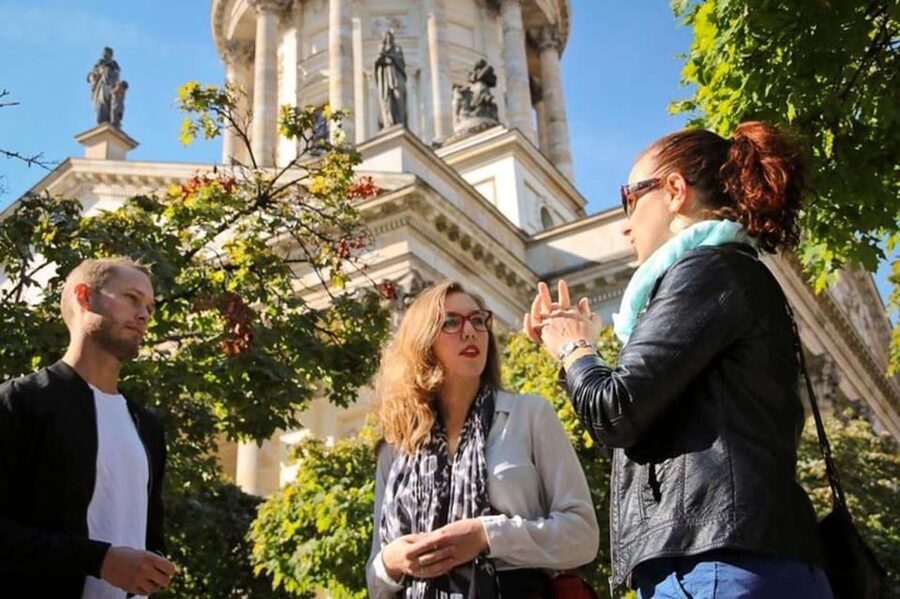
Because it is a private walking tour, you get more than someone reciting dates. You get a guide who can explain what you are looking at and why it mattered, then adjust based on what you ask next. If you book with a French-speaking guide like Eugen (known for being both didactic and friendly), you will likely appreciate how clearly these moments get explained.
Meeting at Hotel Adlon on Unter den Linden, then getting your bearings fast
You meet in front of Wellendorff Berlin (Hotel Adlon) on Unter den Linden 77. This matters more than it sounds. Unter den Linden is one of Berlin’s grandest central boulevards, so starting here helps you orient quickly to the city’s layout before the tour turns darker.
From the first minutes, you are not just walking between attractions. You are learning a mental map. Your guide sets up what each location represents and how the story connects as you move from the symbols of state power to the places where repression and control played out.
This is also a practical choice for planning your day. Starting near a major landmark means it is easier to arrive by transit and easier to continue your Berlin plans afterward.
Brandenburg Gate: the symbol of unity, and the politics around it
The Brandenburg Gate is your first big stop. It is famous for a reason, it has repeatedly been used as a political symbol for different eras. Your guide explains what makes it iconic, and more importantly, why it has meant very different things depending on who was in power.
The value here is not just seeing a postcard landmark. You get the story behind the unity message, and the uncomfortable reality that unity in Germany has come with conflict and fracture over time. That context makes your photos feel more intentional, because you know what the gate represents beyond its architecture.
One small consideration: if your main goal is a super relaxed sightseeing stroll, this stop sets a serious tone early. That can be a plus if you want clarity, and a downside if you planned for something lighter.
Reichstag and Parliament during the Nazi dictatorship
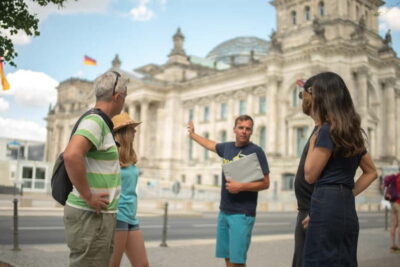
Next comes the Reichstag, Germany’s Parliament building. You will hear about its role during the Nazi dictatorship, which is where the tour becomes truly educational in a “place and power” way. The same walls that house democratic institutions also sit in the shadow of how quickly democracy can be manipulated.
Your guide’s job here is to connect symbolism to real historical decisions. That makes the Reichstag more than a dramatic building from the outside. It becomes a lesson in how institutions can be used or abused, and why the physical location matters when you tell the story.
Potential drawback: if you prefer to spend your time on memorials and you feel less drawn to politics, this stop might feel heavy or abstract. Still, it sets up why Berlin’s later Cold War divide could become such a powerful lived reality.
Further wartime history walks we have written up
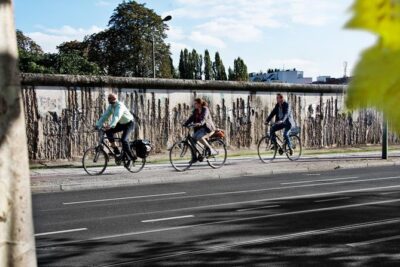
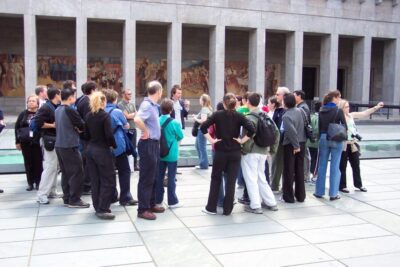
Memorial to the Murdered Jews of Europe: how to look and what to notice
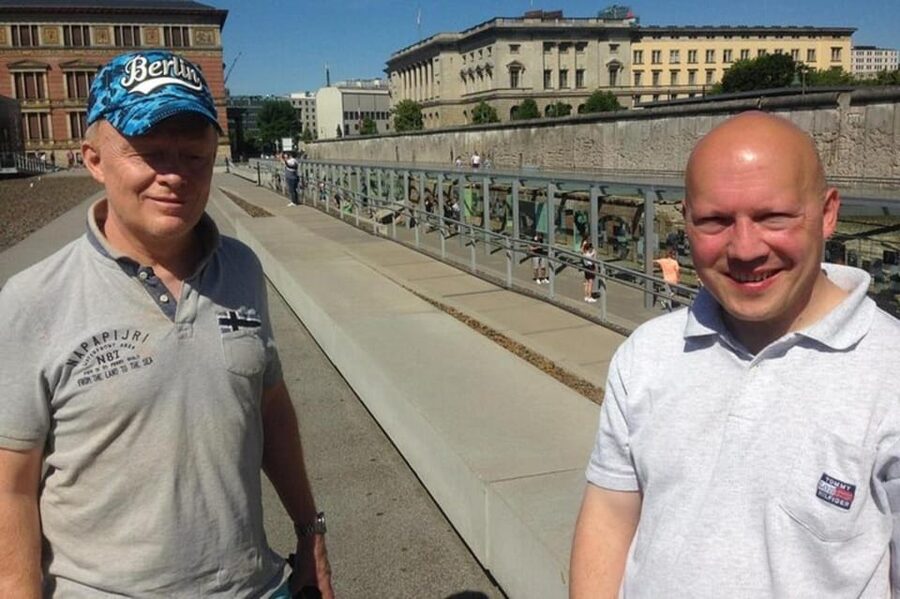
Then you reach the Memorial to the Murdered Jews of Europe. This is the kind of place where you need guidance on how to observe, because the most important parts are not always obvious at first glance.
Your guide helps you understand the memorial’s purpose as a tribute to Jewish victims of the Holocaust. You learn what the space is asking you to reflect on, rather than rushing through it as another “must-see” photo spot.
Here’s the practical tip: take your time with what you feel and what you notice. The tour format gives you direction, but you still control your pace inside the memorial area. If you tend to move fast, you may need to slow down on purpose to get full value from this stop.
Hitler’s Bunker site: why the last days matter
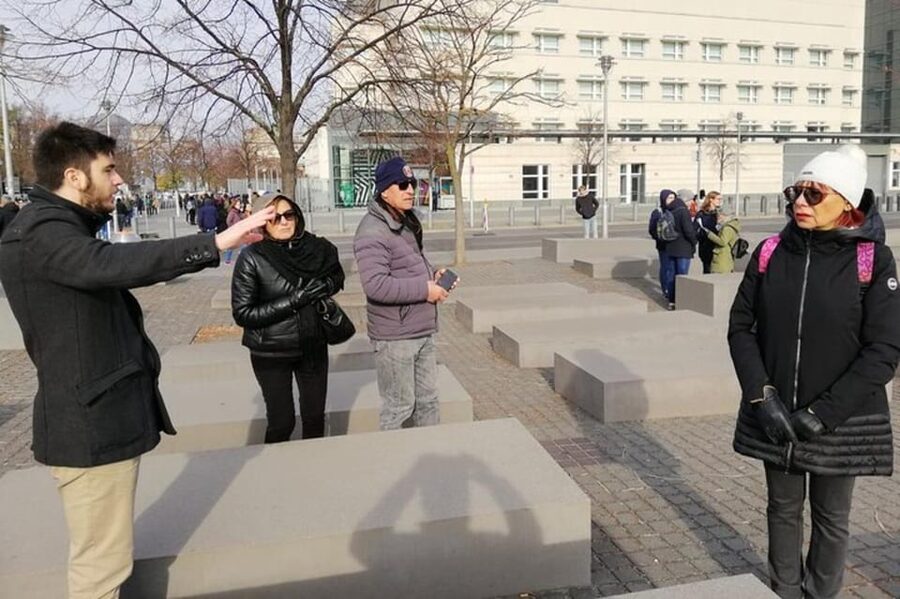
After that comes the site of Hitler’s Bunker. Your guide walks you through the last days of World War II there, including Hitler’s suicide, and what Berlin looked like at that stage of the war.
This part of the tour does something useful. It takes you from broad national events into the reality of how collapse happens at ground level. The goal is not sensational storytelling. It is understanding the final phase of a dictatorship and how quickly the world changed.
A consideration before you go: if you are sensitive to intense content, this stop may be emotionally difficult. The upside is that the guide can keep it anchored to historical meaning, so it does not turn into shock value.
Topography of Terror at the Gestapo and SS headquarters site

The Topography of Terror is located on the former Gestapo and SS headquarters site. That alone makes it powerful, because you are not just reading about crimes in books or videos. You are standing where the machinery of terror operated.
Your guide explains the crimes committed during World War II and helps you connect them to how the regime functioned. This is where a tour is often better than a self-guided visit, because your guide can focus you on the most important themes and answer questions that pop up as you see the space.
One practical note: Topography of Terror can be information-dense. With only two hours total for the whole tour, your guide will likely keep the pace focused. That is good for staying within time, but it also means you might not absorb every exhibit in a deep way. If you want more time here, you can treat this tour as the orientation, then return later on your own.
Berlin Wall stories: construction in 1961 and daring escapes
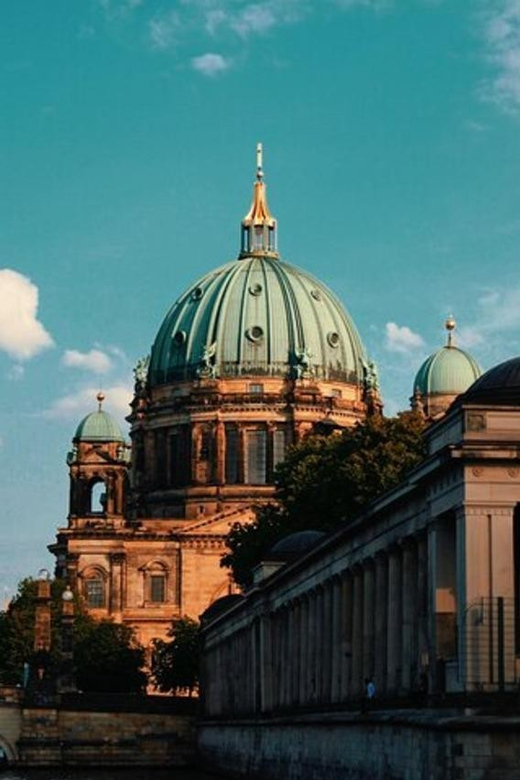
After the Nazi-era stops, the tour turns to Cold War Berlin. You hear stories about the Berlin Wall, including its construction in 1961 and the daring escapes over the Wall.
This is where Berlin really becomes personal. The Wall is not only a barrier. It is a daily reality that changed how people moved, worked, and imagined their future. Your guide helps make those stories understandable instead of turning them into vague tragedy.
If you like human-scale history, this section tends to be one of the most memorable. It gives you a reason to care about the location of walls and checkpoints, because you learn what they meant for real decisions and real risks.
Checkpoint Charlie: the famous standoff and reunification context
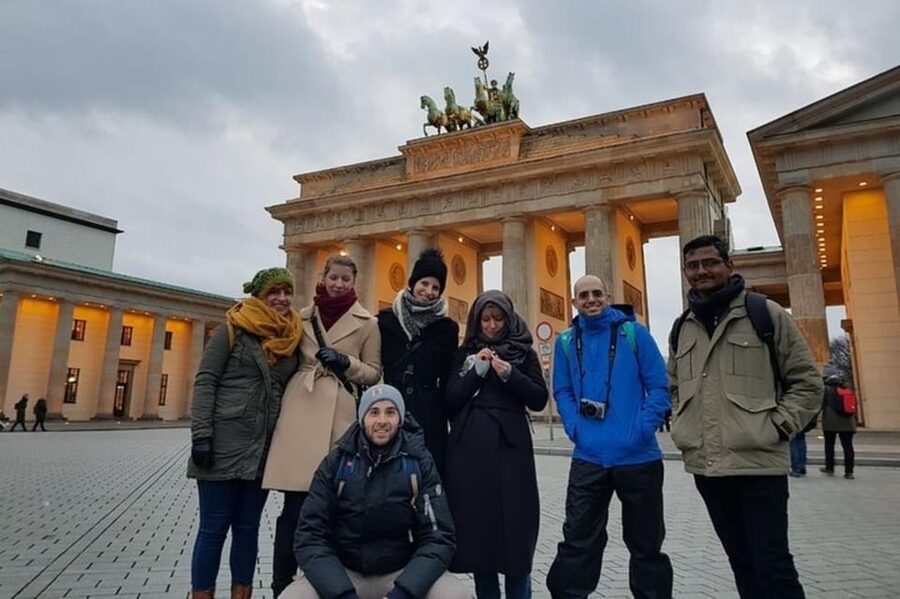
The tour ends at Checkpoint Charlie, the most famous checkpoint of the Berlin Wall. You learn about the standoff between Soviet and American forces in 1961, and then how the Berlin Wall fell in 1989.
What I like about ending here is that it connects the earlier stops to a final outcome. The tour does not just list division, it shows a path toward reunification. Your guide ties this back to German unity and how Berlin has come to terms with its past.
You get a satisfying closing loop: symbols of unity at the start, institutional power and dictatorship in the middle, and the Wall era and standoff at the end. Even if you already know the headline dates, the locations help those dates make sense.
Price and value for 35 dollars per person
At $35 per person for a two-hour private walking tour, this is fairly strong value, especially if you would otherwise pay separately for a guide plus multiple tickets. You are paying for time with a real person who can explain what you are seeing, plus the benefit of having the route shaped around your interests.
The included help with booking tickets for desired visits is also a practical value-add. Many visitors underestimate the time and effort that ticketed sites can take, and a guide plus support can reduce that friction.
A second value factor is that it is private. For some cities, private tours are priced like a luxury. Here, the price stays accessible, which makes it worth considering for couples, families, or anyone who wants to ask questions without feeling rushed by a group dynamic.
What to expect on the ground: walking, transit, and timing
This tour is built as a walking experience, with public transport included unless you choose one of the options. In practice, that usually means you are not stuck in one cramped location for the whole time. You get movement across central Berlin, which keeps your energy from draining too quickly.
Duration is listed as two hours, so you should treat this as an orientation tour, not a full day of museum reading. The guide will manage the pace so you hit the main sites you want, but you will still want time later to follow up on the parts that grabbed you most.
You should also plan for the fact that drinks and food are not included. If you schedule this early in the day, grab a snack before you start, so the tour is not competing with your hunger.
Who this tour fits best (and who might want another plan)
I think this tour is ideal if you want a clear timeline from Third Reich to Cold War without piecing together five separate attractions on your own. It is also a great fit if you like guided explanation more than reading panels solo.
It is especially good for people who care about asking questions. The guides in French and other languages, including Eugen for French and Carlo mentioned as a Berlin resident, are described as engaging and helpful with questions. That kind of back-and-forth is hard to replicate with a basic audio guide.
Who might skip it: if you want mostly light entertainment, scenic stops only, or a slow pace focused on cafes, this tour is not that. The subject matter is serious, and the route is intentionally structured around major turning points.
Should you book this tour?
Book it if you want a tight, private, two-hour route that covers the big Berlin facts with real context. The combination of major landmarks, Holocaust and Nazi-era sites, and Cold War stories gives you a framework you can carry into the rest of your Berlin trip.
Skip it if you have no interest in the Third Reich or Cold War and you mainly want casual sightseeing. Also consider skipping or pairing with something lighter if you know heavy historical sites can drain you.
FAQ
Where does the tour start?
You meet your guide in front of Wellendorff Berlin (Hotel Adlon), at Unter den Linden 77.
How long is the Berlin Third Reich and Cold War walking tour?
The tour lasts 2 hours.
Is this tour private?
Yes. It is private and exclusive, with no one else in your group.
What languages are available?
The live tour guide is available in English, French, and Spanish.
Is the tour wheelchair accessible?
Yes, the tour is listed as wheelchair accessible.
What stops are included on the route?
The tour includes stops at the Brandenburg Gate, the Reichstag, the Memorial to the Murdered Jews of Europe, the site of Hitler’s Bunker, the Topography of Terror, and Checkpoint Charlie.
Is transportation included?
Walking is included, and public transport is included too, except if you select one of the option choices.
Do I need tickets in advance?
The tour includes help from the team to book the tickets for the desired visits.
Is food or drinks included?
No. Drink or food is not included.
Can I cancel for a refund?
Yes. You can cancel up to 24 hours in advance for a full refund, and you can also reserve and pay later.
Pavements of Berlin
Wartime History Walks We Have Reviewed
The Divided Years, Reviewed
Everything else we filed on Berlin
- East Berlin: City of Shadows Walking Tour
★ 5.0 · 11 reviews - Berlin: Die Stachelschweine – Frank Lüdecke – Träumt Weiter
★ 4.7 · 11 reviews - Potsdam Day Trip from Berlin with a Local: Private & Personalized
★ 4.0 · 11 reviews - An Introduction to Berlin Walking Tour
★ 5.0 · 11 reviews - DJ for a Day: Learn to Mix Like a Pro in Berlin
★ 5.0 · 11 reviews - 2-H Segway Sightseeing Tour Berlin
★ 4.5 · 11 reviews
Cold War and Stasi History Tours, side by side.
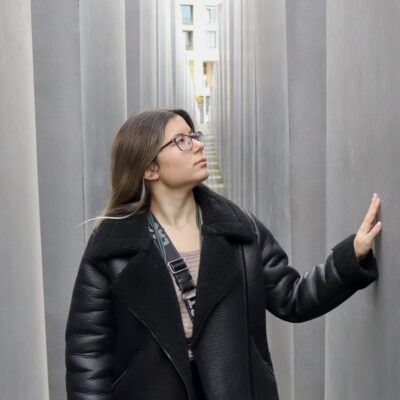 ★ 4.9Berlin: Third Reich and Cold War 2 Hour Walking TourFrom $236,830 reviews
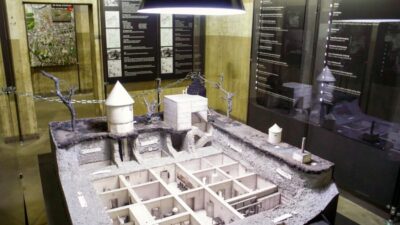 ★ 4.6Berlin: Berlin Story Bunker Entry TicketFrom $216,759 reviews
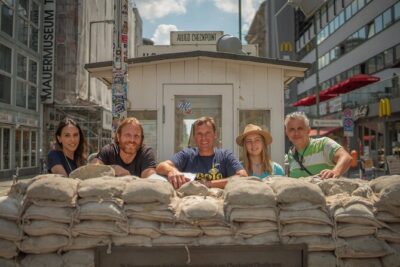 ★ 5.0Berlin’s Best: 2 Hour Walking Tour Third Reich and the Cold WarFrom $245,486 reviews
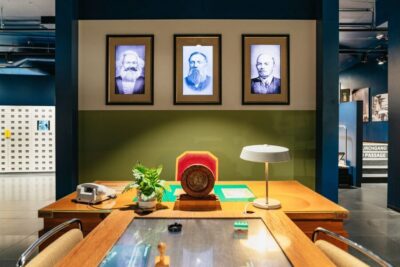 ★ 4.3Berlin: DDR Museum TicketsFrom $153,443 reviews
 ★ 4.8Berlin: 75-minute Trabi SafariFrom $932,854 reviews
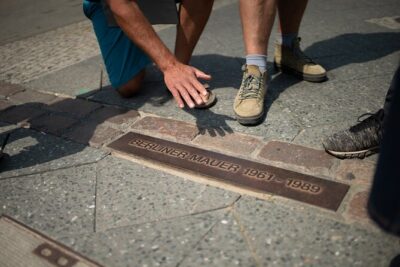 ★ 5.0Cold War, Berlin Wall, Spies and the East Side GalleryFrom $181,024 reviews
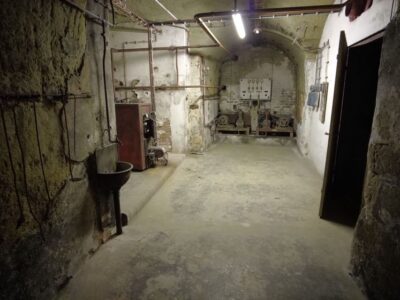 ★ 4.8Nuremberg: Historischer Kunstbunker WWII Art Bunker TourFrom $14921 reviews
 ★ 4.9Leipzig: 90-Minute Trabi City TourFrom $81728 reviews
Other lists this tour is on