
REVIEW · COLD WAR BERLIN
Berlin: World War Two Third Reich and Cold War Walking Tour
Berlin changes faster when you walk with a guide. This 5-hour Berlin Wall and World War II to Cold War tour connects the dots between the Third Reich era, East Communism, and the city’s Wall landmarks. You’ll leave with a clearer sense of why Berlin shaped modern Europe and why those stories still matter.
I especially like two parts: you get a local historian style of storytelling, and the route moves between WWII and Cold War themes instead of treating them like separate museum chapters. The tour also includes exclusive entry to several major stops, so you are not just viewing from the sidewalk.
One practical consideration: the meeting point process at Generator Berlin Alexanderplatz can feel chaotic if people arrive at the last second. If you want the full experience named in the tour title, arrive early, locate the white umbrella, and be ready for group sorting.
In This Review
- Key highlights to look for
- Why this Berlin Wall and Third Reich story works on foot
- Start at Generator Berlin Alexanderplatz and find the white umbrella
- Third Reich era stops: Reichstag to the war and defense sites
- Flak Tower and Hitler’s bunker themes, and what to watch for
- Berlin Wall Memorial and Eastside Gallery: the Cold War becomes personal
- Walking the Wall line: guard towers, escape routes, and the Berliners’ mindset
- Architectural marvels that survived Berlin’s shocks
- Time on your feet: what a 5-hour format means for you
- Price and value: is $21 worth a historian and entry?
- Who should book this Berlin WWII and Cold War walking tour
- Should you book it
- FAQ
- How long is the Berlin WWII and Cold War walking tour?
- What does the tour cost?
- Where do I meet the guide?
- Where does the tour end?
- Is the tour guided and in English?
- What is included in the price?
- Are meals and drinks included?
- What should I bring?
- Is the tour wheelchair accessible?
- Can I cancel for a full refund?
Key highlights to look for
- WWII and Cold War in one walk: You’ll connect Third Reich sites with East Communism and Berlin Wall locations.
- Wall remnants with real context: Guard-tower and escape-route themes help you understand daily life behind the barrier.
- Landmarks you can enter: The tour includes exclusive entry to key locations, which adds real value for a low ticket price.
- Expert guide narration in English: Expect guided explanations designed to make the sites easier to read.
- Centrally placed ending point: You finish back near Alexanderplatz, where it’s easy to keep exploring on your own.
More of the divided city, written up in full
- Berlin: Third Reich and Cold War 2 Hour Walking Tour★ 4.9 · 6,830 reviews
- Berlin: Berlin Story Bunker Entry Ticket★ 4.6 · 6,759 reviews
- Berlin’s Best: 2 Hour Walking Tour Third Reich and the Cold War★ 5.0 · 5,486 reviews
- Berlin: 75-minute Trabi Safari★ 4.8 · 2,854 reviews
Why this Berlin Wall and Third Reich story works on foot
This is not the kind of tour where you get one stop, one fact, and then a shuffle to the next photo spot. The strength here is the way the guide keeps the storyline braided together: the German capital’s WWII pressures feed into what comes next, and then the Cold War turns Berlin into a frontline city.
When you walk, you also start seeing how Berlin’s layout influences what happened. Streets, squares, and major landmarks are not just scenic backdrops. They are locations where power, conflict, and movement were shaped in the real world. You can feel that in a walking format, because you are physically moving along the same kind of lines people had to navigate during those eras.
The tour’s focus on the Berlin Wall makes the Cold War portion more than politics class. You get ideas like how East Communism worked day to day, what the barrier meant for ordinary people, and why escape attempts happened. That helps you understand why this stretch of Berlin history remains so emotionally charged.
Start at Generator Berlin Alexanderplatz and find the white umbrella
Your tour begins by meeting the guide at the corner in front of Generator Berlin Alexanderplatz. Look for the white umbrella. This is important because there’s no hotel pickup and no magic shuttle that gathers everyone for you.
Arrive a bit early, not right on time. With a 5-hour walking tour and multiple groups likely operating around the same start window, early arrival reduces stress. It also helps you avoid the common last-minute confusion that can happen when people show up at the same moment and staff are sorting check-ins.
Also plan your shoes for pavement. Berlin sidewalks can be great for walking, but you still need comfortable, supportive footwear. You’ll be moving for most of the 5-hour block, and the tour includes multiple landmark stops rather than long “sit and listen” breaks.
Third Reich era stops: Reichstag to the war and defense sites
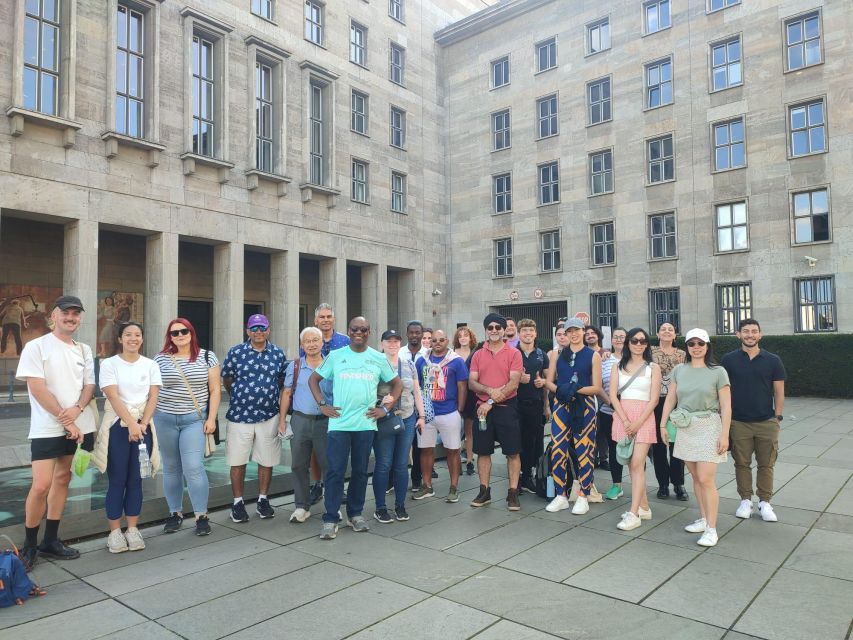
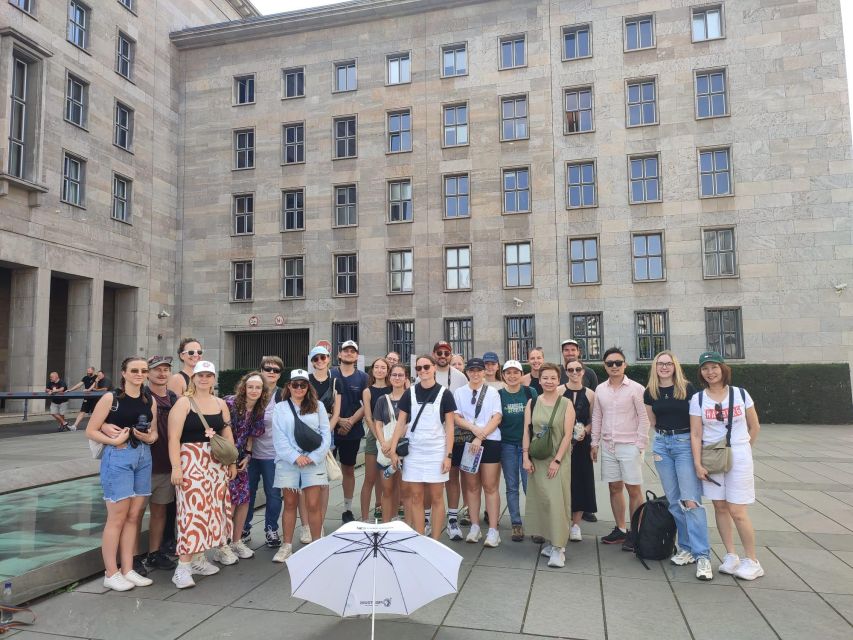
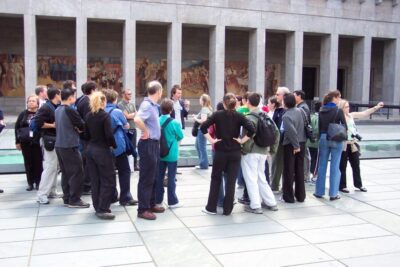
The WWII portion centers on major landmarks tied to the Third Reich period. The tour framework includes stops connected to the Reichstag, the Russian-German war museum, the Flak Tower, and the area historically linked with Hitler’s bunker.
Here’s what makes these stops useful for your understanding. The sites are not presented as isolated “horror stories.” The guide’s job is to connect them so you can follow the shift from state power to wartime reality and then to the last-days atmosphere people associate with Berlin at the end of the war. You’ll hear explanations that aim to connect the events to Berlin’s physical space, so it doesn’t stay abstract.
At the Reichstag stop, the value is symbolic. Even if you only know it as a well-known building today, the guide helps you read it as part of the political machine of its time. It’s also a good anchor point for the early part of the walk, because it gives you a starting map for how Berlin’s history ties together.
The Russian-German war museum stop helps you widen the lens. Instead of only looking at one side of history, it points you toward a bigger wartime picture that Berlin residents experienced from inside the conflict. The guide’s commentary is what turns this into meaning for you, not just another building name.
Then the tour shifts into the architecture of wartime survival with the Flak Tower. This is one of those places where the “why is this still here” question almost answers itself. The massive structure (and its stubborn presence) becomes a concrete reminder that air defense and industrial-era technology were part of daily wartime life.
Flak Tower and Hitler’s bunker themes, and what to watch for
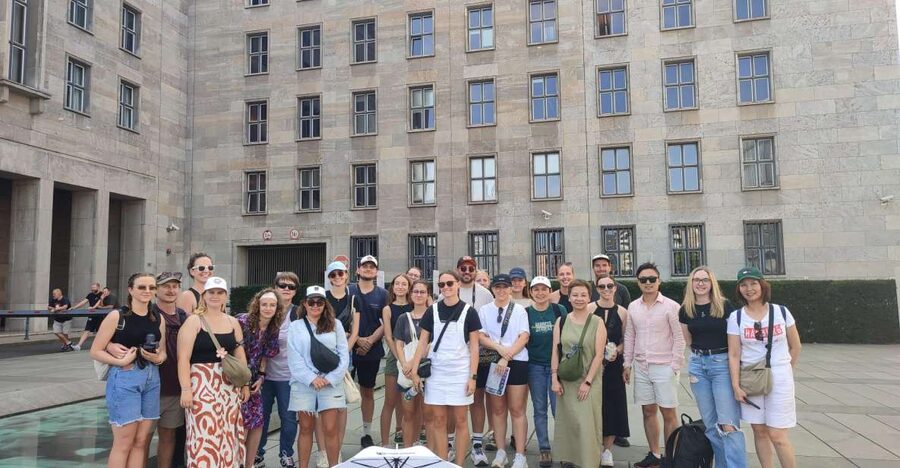
The Flak Tower and Hitler’s bunker part of the tour is where you start to feel the weight of the story. The tour’s language centers on last-days Berlin, and that matters because it keeps the tone serious and grounded.
What I like here is the way the guide uses the physical sites to explain why people behaved the way they did under extreme conditions. You get a sense of how planning, secrecy, and desperation can cluster around specific locations. Instead of reading history like a list of dates, you begin thinking in terms of rooms, routes, and the limited options available to individuals.
At the Hitler’s bunker stop theme, don’t expect a light, fast recap. The guide’s approach is aimed at helping you understand what those final days meant for Berlin and for the people who were caught in the collapse of the Third Reich. If you like history that connects political decisions to human consequences, this segment is a strong match.
One caution for your own comfort: this part of the tour is heavy. Plan your day so you are not rushing to dinner right after. Give yourself time to decompress at the end, because Berlin history can stick with you.
Further wartime history walks we have written up
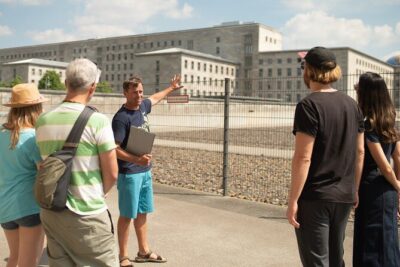
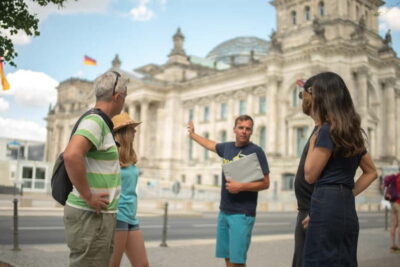
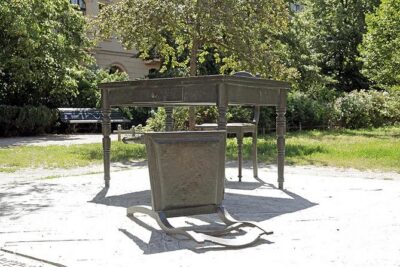
Berlin Wall Memorial and Eastside Gallery: the Cold War becomes personal
After the WWII thread, the tour makes the shift into the Cold War, with a focus on East Communism and what life was like behind the Berlin Wall.
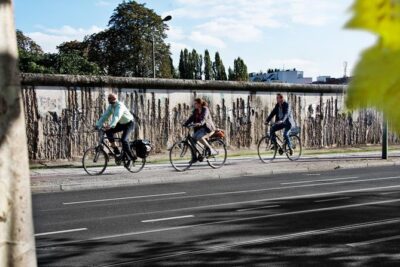
This portion becomes more meaningful because the stops are wall-specific and memory-specific. The itinerary includes the Berlin Wall Memorial and the Eastside Gallery area, plus other Wall remnants along the way. That matters, because you are not just learning about the idea of a wall. You’re encountering the traces of it as a physical barrier that shaped movement, risk, and daily routines.
The Berlin Wall Memorial stop is where the emotional context usually clicks. These memorial spaces tend to ask you to slow down. The guide’s narration helps you understand the Wall as more than a border line. You get the broader implications, including how the system affected people trying to live, work, and even imagine leaving.
The Eastside Gallery stop adds a different kind of perspective. You see the Wall in a later cultural layer of Berlin life. The tour description also flags Berlin’s cultural impact, including music and revolutionary art, and this is where that idea often connects. You can start to see how Berlin turned something grim into an ongoing public conversation.
Walking the Wall line: guard towers, escape routes, and the Berliners’ mindset
One of the tour’s best features is the attention to Wall remnants and the way they are explained. The guide focuses on things like guard towers and escape routes, plus the broader human reality behind East Communism.
This is exactly what makes a guided walk worth it for you. If you try to explore the Wall on your own, you might see sections of the barrier and read a sign here and there. But signs can’t recreate what it felt like to live under restrictions. The guide’s job is to connect your visual clues to the lived consequences.
As you move through the route, you’ll learn how people navigated the danger of the boundary. Even when you are not hearing details that feel sensational, the explanation helps you understand risk. That changes your reading of the spaces. A structure, a line, a corner of the wall area, all become part of a story about who could move freely and who could not.
It’s also where you get the tour’s human message: Berliners had to live with the barrier, adapt to it, and still keep going. That spirit is not generic. The guide’s narrative brings it down to what the Wall meant for real lives.
Architectural marvels that survived Berlin’s shocks
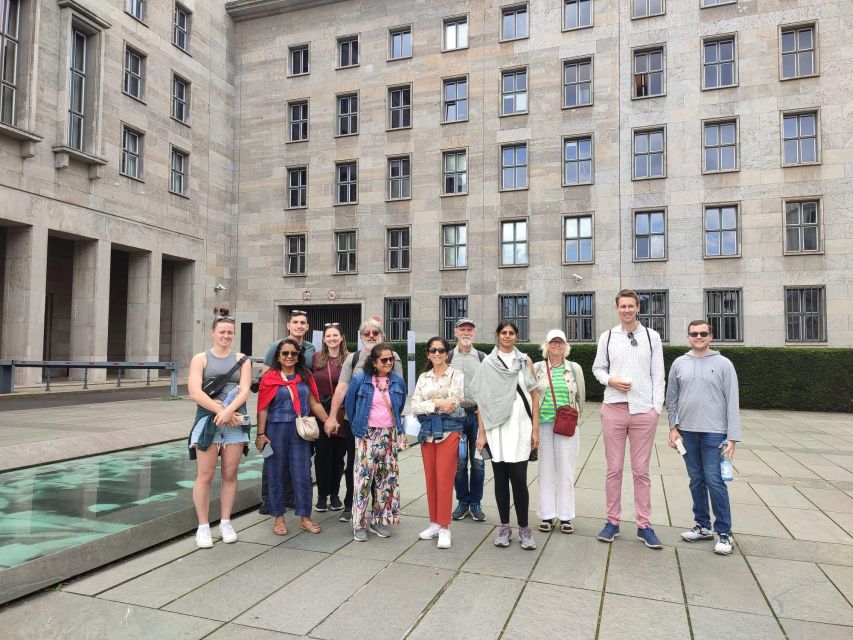
The tour repeatedly points out “architectural marvels that stood strong through Berlin’s challenges.” Even without needing to know every building detail, you’ll notice that Berlin’s architecture often becomes a witness. Some structures show the ambition of a political moment. Others show the engineering priorities of wartime.
This is a useful way to travel here. Instead of treating buildings like static backdrops, you use the guide’s framing to treat them like documents. When the guide points out how a site relates to the Third Reich era, you begin understanding how power shaped the city. When the guide then shifts into Cold War themes, the same urban fabric reads differently.
If you like visual learning, this walking format helps a lot. You can stand at the front of a landmark and mentally connect it to the narrative you just heard. That connection is harder if you hop between distant areas by transit with little on-the-ground explanation.
Time on your feet: what a 5-hour format means for you
This is a 5-hour walking tour. That’s enough time to meaningfully connect WWII and Cold War themes, but it’s still a solid chunk of your day. You’ll want to plan around it so you don’t feel rushed.
Because meals and refreshments are not included, bring snacks and drinks. This is not just about hunger. It’s about keeping your energy steady so you can pay attention during the heavier WWII and Wall segments.
Bring cash as well. The tour data specifically mentions cash, which often means you may want it for small purchases or site needs. Even if you do not plan to buy anything, having a little cash in your daypack is smart.
Dress for weather. Berlin can change quickly, and you’ll be outside. Comfortable shoes are non-negotiable, since you’ll cover ground on foot.
At the end, the tour finishes back at the meeting point near Generator Berlin Alexanderplatz. That’s a practical benefit. You get a central location to head to dinner, grab a drink, or continue sightseeing without complicated transit.
Price and value: is $21 worth a historian and entry?
At $21 per person, this tour feels like good value when you consider three things it includes: a live guide in English, a local historian style of storytelling, and exclusive entry to pivotal landmarks. Many Berlin tours cost much more for either guide time or museum access, not both.
Here’s the real value logic for you. You are paying for context as much as for the sites. The guide’s job is to connect the Reichstag through the war-era sites and then into the Wall era, including Eastside Gallery and the Berlin Wall Memorial. That storyline makes the walking tour more than a checklist.
You should also consider how much you like topic continuity. If you want WWII and Cold War in one uninterrupted narrative walk, this format fits. If you only want one era and hate mixing themes, you might feel the time gets split.
Who should book this Berlin WWII and Cold War walking tour
This tour is a good match if you:
- Want Berlin’s WWII and Cold War story in one guided arc
- Like walking through real locations, not just museum galleries
- Care about understanding what the Berlin Wall meant for everyday life, not only dates
- Prefer a guide who can explain themes like East Communism and the Wall’s escape-route reality
It’s also a good pick if you plan to explore central Berlin afterward. Starting and ending near Alexanderplatz makes it easier to build the rest of your day.
Should you book it
I think you should book this tour if you want a guided, connected storyline from the Third Reich era through the Cold War and the Berlin Wall. The inclusion of a local historian and exclusive entry is the big draw at the price.
The one reason to pause is logistics at the meeting point. If you are the type who hates last-minute group chaos, arrive early and stay close to the guide once you find the white umbrella. Also, if you want zero surprises, keep your expectations flexible about how quickly the group is assembled before you start moving.
If you do that, you’ll get a focused, meaningful walk that turns Berlin’s most famous landmarks into a single understandable story.
FAQ
How long is the Berlin WWII and Cold War walking tour?
The tour lasts 5 hours.
What does the tour cost?
The price is $21 per person.
Where do I meet the guide?
Meet at the corner in front of Generator Berlin Alexanderplatz. Look for the white umbrella.
Where does the tour end?
The tour ends back at the meeting point.
Is the tour guided and in English?
Yes. You’ll have a live tour guide, and the tour is in English.
What is included in the price?
Included items are a guided journey with a local historian, exclusive entry to pivotal landmarks, and deep dives into Berlin’s transformative eras.
Are meals and drinks included?
No. Meals and refreshments are not included, so bring snacks and drinks.
What should I bring?
You should bring snacks, drinks, cash, weather-appropriate clothing, and comfortable shoes.
Is the tour wheelchair accessible?
Yes, it is wheelchair accessible.
Can I cancel for a full refund?
You can cancel up to 24 hours in advance for a full refund.
Pavements of Berlin
Wartime History Walks We Have Reviewed
The Divided Years, Reviewed
Everything else we filed on Berlin
- East Berlin: City of Shadows Walking Tour
★ 5.0 · 11 reviews - Berlin: Die Stachelschweine – Frank Lüdecke – Träumt Weiter
★ 4.7 · 11 reviews - Potsdam Day Trip from Berlin with a Local: Private & Personalized
★ 4.0 · 11 reviews - An Introduction to Berlin Walking Tour
★ 5.0 · 11 reviews - DJ for a Day: Learn to Mix Like a Pro in Berlin
★ 5.0 · 11 reviews - 2-H Segway Sightseeing Tour Berlin
★ 4.5 · 11 reviews
Cold War and Stasi History Tours, side by side.
 ★ 4.9Berlin: Third Reich and Cold War 2 Hour Walking TourFrom $236,830 reviews
 ★ 4.6Berlin: Berlin Story Bunker Entry TicketFrom $216,759 reviews
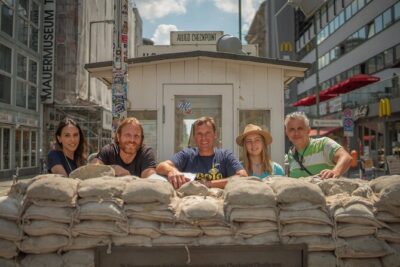 ★ 5.0Berlin’s Best: 2 Hour Walking Tour Third Reich and the Cold WarFrom $245,486 reviews
 ★ 4.3Berlin: DDR Museum TicketsFrom $153,443 reviews
 ★ 4.8Berlin: 75-minute Trabi SafariFrom $932,854 reviews
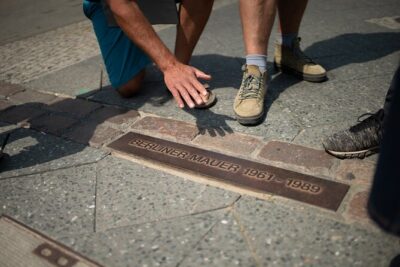 ★ 5.0Cold War, Berlin Wall, Spies and the East Side GalleryFrom $181,024 reviews
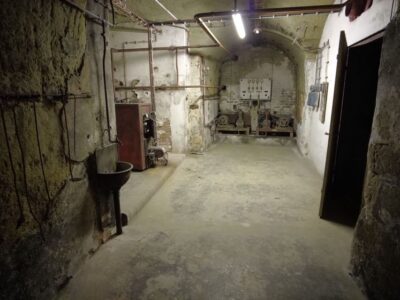 ★ 4.8Nuremberg: Historischer Kunstbunker WWII Art Bunker TourFrom $14921 reviews
 ★ 4.9Leipzig: 90-Minute Trabi City TourFrom $81728 reviews
Other lists this tour is on